
For the first time in nearly two decades of polling, more people around the world view China positively than the United States, according to a major new Pew Research Center study.
The report, published on Wednesday (July 15, 2026), found that China is now seen more favourably than the US in 25 of the 36 countries and territories surveyed – including long-standing American allies such as Canada, the United Kingdom, France, Germany and Australia. The US remains more popular in only six countries: India, Japan, the Philippines, South Korea, Poland and Israel.
Pew surveyed 42,151 adults across 36 countries between February 8-13, 2026. The shift marks a reversal from as recently as 2024, when most people surveyed still held a more positive view of the US than of China.
A new superpower?
Researchers say the swing reflects movement on both sides: warming attitudes towards China alongside a marked cooling towards the US. Canada illustrates the trend starkly. In 2023, 57 per cent of Canadians viewed the US favourably against just 14 per cent for China; by 2025 the two countries were rated equally; this year, 44 per cent of Canadians view China favourably compared with 33 per cent for the US.
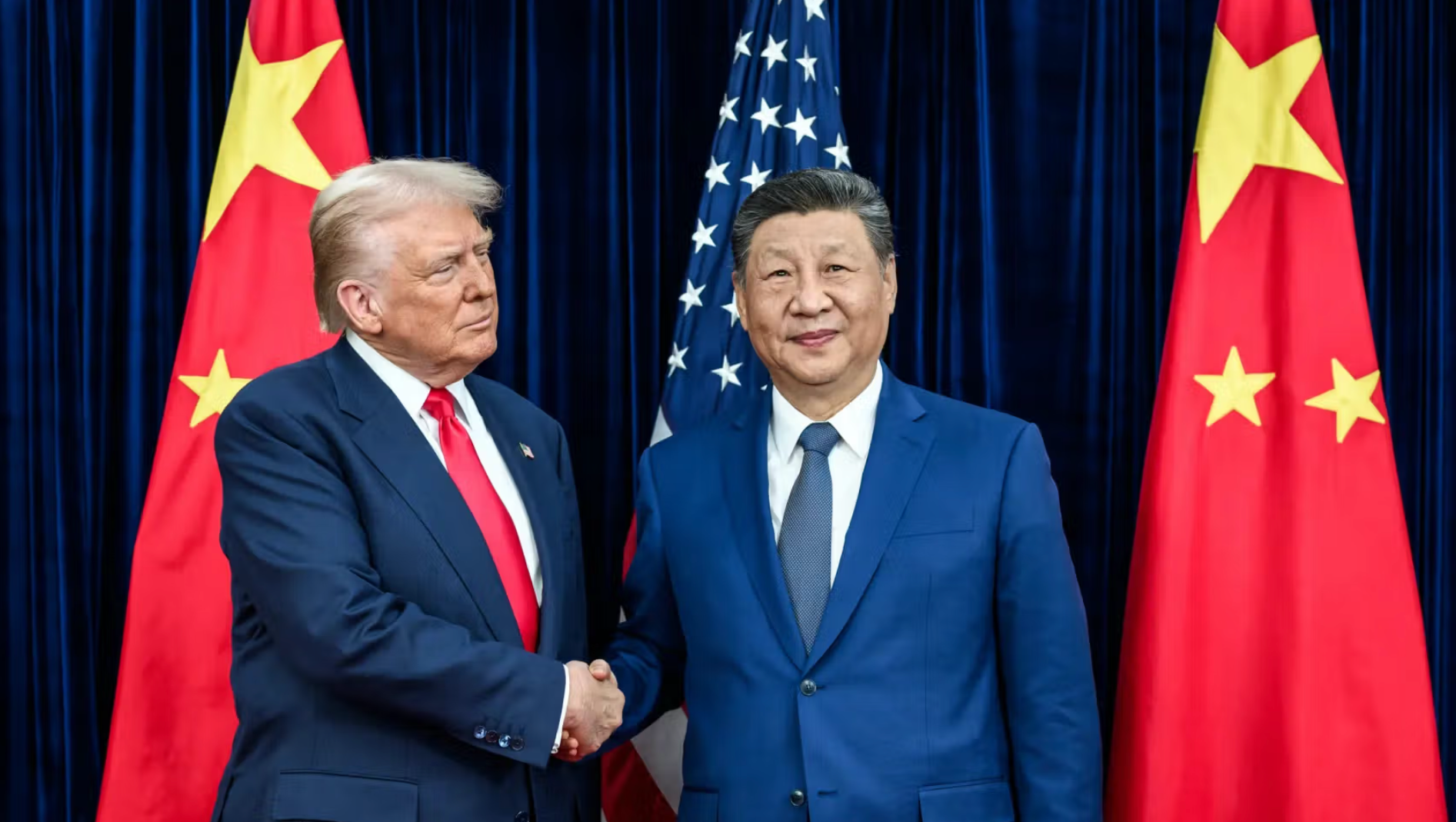
Confidence in the two countries' leaders has followed a similar arc. Pew found that people in 22 of the 36 countries and territories – including Canada, Mexico, France, Germany and the UK – now have more confidence in Chinese President Xi Jinping than in President Donald Trump to do the right thing in world affairs, a reversal of the pattern seen for much of Joe Biden's presidency. In several European countries, Xi's ratings lead Trump's by double digits, although his highest rating anywhere is a modest 37 per cent, in Britain, and confidence in both leaders remains low overall.
However, one area where the US retains a clear edge is personal freedom: more people say the US government respects its citizens' freedoms than say the same of China's government. However, Pew notes that this gap has narrowed sharply, driven mainly by a steep decline in the share of people who believe the US still upholds these freedoms.
Trump's foreign policy under fire
The findings sit alongside a related Pew report, released in June, which found Trump's foreign policy drawing heavy international criticism. Nearly 74 per cent of adults across the 36 countries disapproved of his handling of the conflict with Iran, and no country surveyed had a majority approving of his handling of the war in Gaza. Overall, a median of just 37 per cent of those polled held a favourable view of the US, against per cent unfavourable, while only 23 per cent expressed confidence in Trump's leadership on world affairs.
How the Global South thinks
The shift is especially pronounced in middle-income countries. Across 17 such nations, an average of 75 per cent said the US interferes considerably in the affairs of other countries, compared with 45 per cent who said the same of China. In South Africa, 72 per cent described China as a reliable partner, against 46 per cent for the US, and 64 per cent said China takes South Africa's interests into account when making policy decisions, compared with 42 per cent for the US. Pakistan showed one of the widest gaps: 84 per cent called China a reliable partner, against just 36 per cent for the US. The Philippines bucked the trend, with 81 per cent naming the US a reliable partner compared with 42 per cent for China.
Pew's own data underline how volatile these numbers can be: as recently as July 2024, the US was still viewed more positively than China across most of the 35 countries then surveyed. According to Pew researcher Jonathan Schulman, speaking to the South China Morning Post, China's image was at or near historic lows in many countries during the Covid-19 pandemic – a period that coincided with international criticism of Beijing's allegedly poor treatment of Uyghur Muslims in Xinjiang and its crackdown on pro-democracy activists in Hong Kong – but has climbed steadily since. The latest figures suggest that damage has substantially faded, even as concerns about China's human rights record persist among many of those surveyed.
Whether the current numbers represent a lasting realignment or a swing driven largely by dissatisfaction with Trump's "America First" approach remains an open question.