
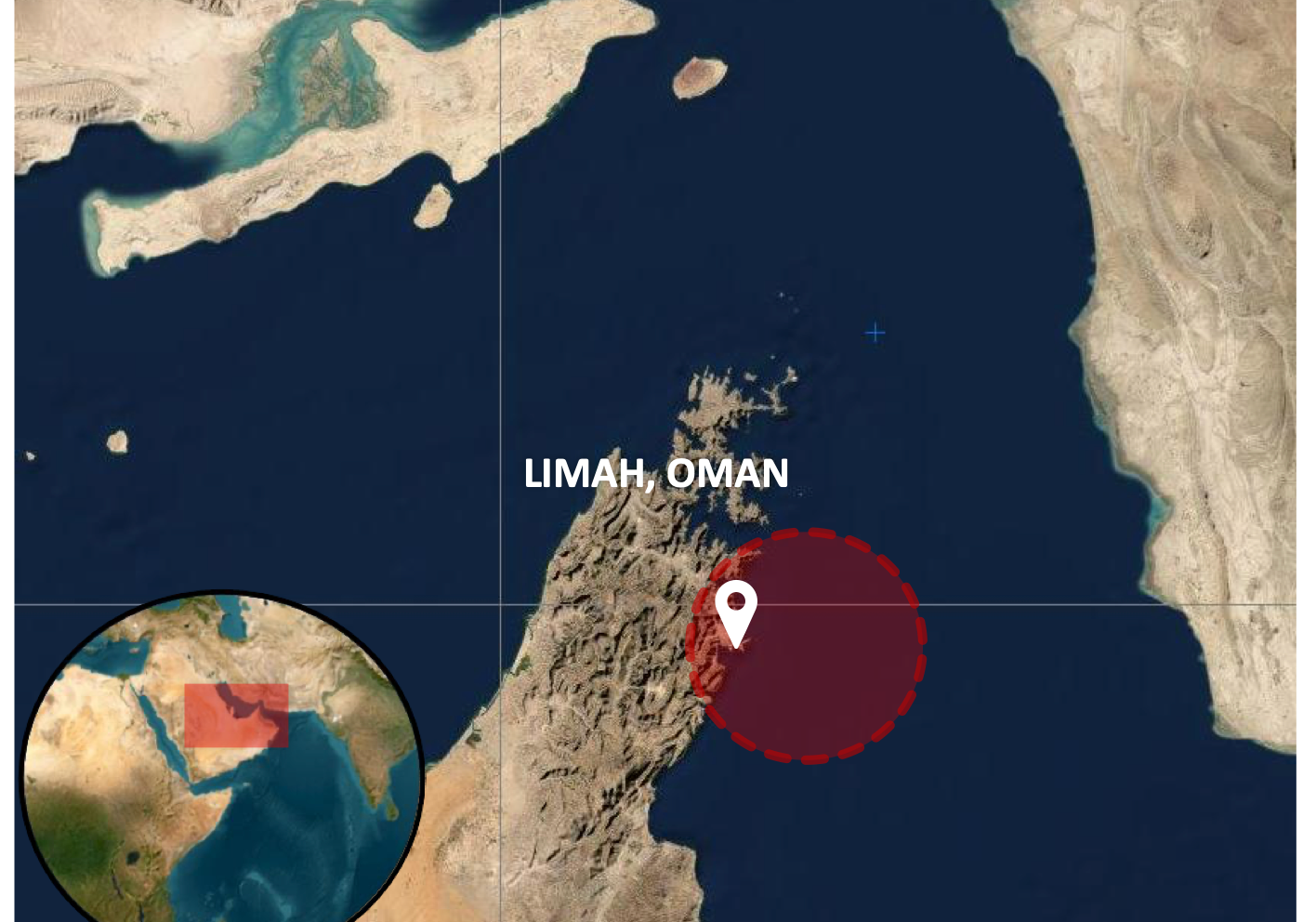
The Indian Embassy in Abu Dhabi has in a statement expressed condolences after an Indian crew member was killed and six others wounded when Iranian forces attacked two UAE-flagged oil tankers, the Mombasa and Al Bahiyah, in the Strait of Hormuz on Monday (June 13, 2026).
“We condole the tragic loss of an Indian seafarer in the attacks on two vessels, Al Bahiyah & Mombasa B,” the statement said. The embassy said it was in contact with UAE authorities and the shipping company to support the affected crew, and that consular officials are monitoring the welfare of the injured. However, it did not confirm whether India will lodge a formal protest with Tehran.
Iranian forces reportedly boarded and seized the tankers, according to maritime security agencies cited by Khaleej Times. The UK Maritime Trade Operations (UKMTO) issued advisories urging heightened vigilance in the area; the exact location, weapons used, and operational details remain unconfirmed.
Meanwhile, India summoned Iranian diplomats, including Deputy Chief of Mission Mohammad Javad Hosseini, the Iranian Deputy Chief of Mission at the embassy in New Delhi, following the strike on Tuesday. Anand Prakash, the Indian joint secretary leading the Pakistan, Afghanistan and Iran section, lodged a strong protest over the incident.
In a similar move, India had also summoned Jason Meeks, the US embassy’s deputy chief of mission in New Delhi, in June, 2026 US strikes in the Persian Gulf had killed three Indian sailors. The Dubai-based daily reported that thousands of Indian sailors have left the Gulf since the war began, including over 3,600 assisted by India's shipping ministry. India has one of the largest contingents of sailors in global merchant shipping.
The UAE condemned the strike as an act of aggression against civilian vessels and said it would pursue diplomatic and legal recourse, including potential complaints to the International Maritime Organization, which it has approached over Iranian conduct before too.
The attack came despite a 14-point agreement signed June 12 aimed at easing US-Iran tensions. Iran has previously defended tanker seizures as enforcement of its maritime laws or sanctions rules – justifications Western governments and vessel operators reject. The UKMTO has linked Iran to more than a dozen such incidents in the Strait since 2019.The Strait of Hormuz, between Iran and the Oman-UAE coast, carries an estimated 17–21 million barrels of oil daily, per the US Energy Information Administration, making it one of the world's most critical energy chokepoints.
India, home to strong trade and diplomatic ties with both Iran – including the Chabahar port project – and Gulf Arab states, has historically avoided taking sides in such disputes; it abstained from a 2022 UN resolution criticizing Iran on related matters. The UAE hosts over 3.5 million Indian nationals, many of whom work aboard commercial vessels in the Gulf. India's Ministry of External Affairs maintains an emergency hotline for citizens in distress abroad and has coordinated evacuations from the region in past crises.