After six years of silence, trade returns to the Nathu La Pass in East Sikkim on August 1, 2026 – a moment being read as more than a routine reopening. Sealed once for 44 years after the 1962 war and reopened briefly in 2006, the pass has now been shut since 2019–20, first by the pandemic and then by the Galwan clash, the deadliest India-China border confrontation in over four decades. Its revival is the clearest sign yet that both sides are willing to step out of that shadow.
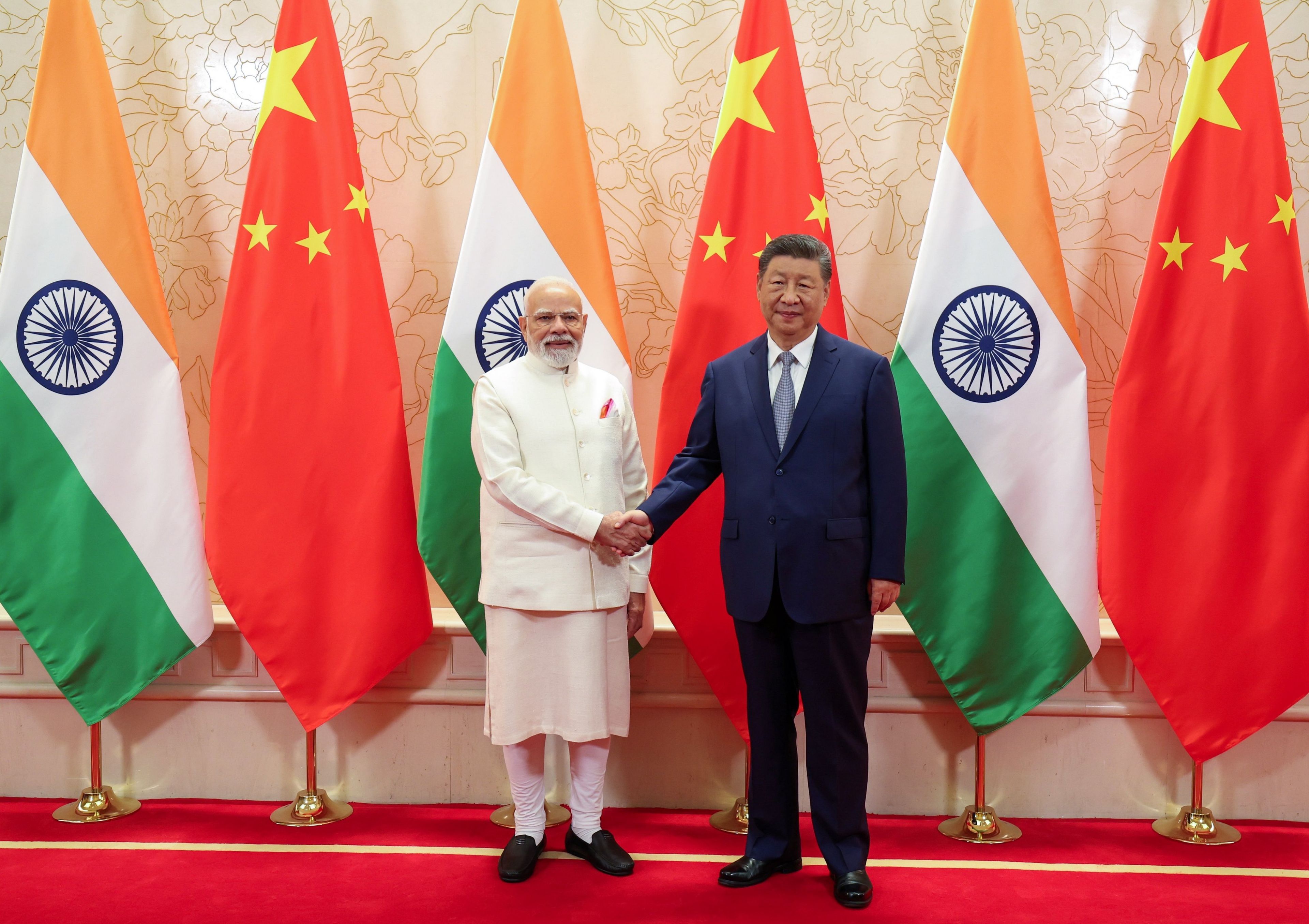
Nathu La connects Indian province Sikkim to Tibet/Xizang and once formed part of the old Silk Route. Its reopening is the latest in a run of confidence-building steps since the Galwan standoff, following troop disengagement at Depsang and Demchok and the restart of the Kailash Mansarovar Yatra and direct flights. New Delhi has separately signalled readiness to deepen commercial ties with Beijing now that the border row has eased.
Four years of heavy military deployment along the frontier have given way to cautious diplomacy – both governments still call the boundary dispute unresolved, but the latest move signals that they are willing to manage volatile supply chain risks.
What the numbers actually show
Trade through Nathu La has always been more symbolic than substantial. When it reopened in 2006, turnover was barely INR 35 lakh; by 2016 it had grown roughly 200-fold to about INR 83 crore (nearly US$12 million), split between Indian exports and a much smaller volume of Chinese imports, since Sikkim traders have long complained that few items on China’s approved list find local buyers.
The 2017 Doklam standoff crushed that momentum, cutting trade by nearly 90 per cent in a single season, and it never fully recovered. By 2019, the last year it operated, turnover had slipped to around INR 44 crore before the route went dark. The trading season itself has always run only from May to November, closing through the rest of the year for snow.Set against India’s wider trade with China – US$127.7 billion in 2024-25, with a record US$99.2 billion deficit, making Beijing one of India’s two largest trading partners alongside the US.
Nathu La’s reopening is a diplomatic theatre with real stakes for a handful of Himalayan border towns, not a trade-balance fix. As the Indian foreign minister S. Jaishankar has put it, India’s strategic autonomy is not neutrality but a refusal to become dependent on any single partner.
A hedge against an unpredictable Washington
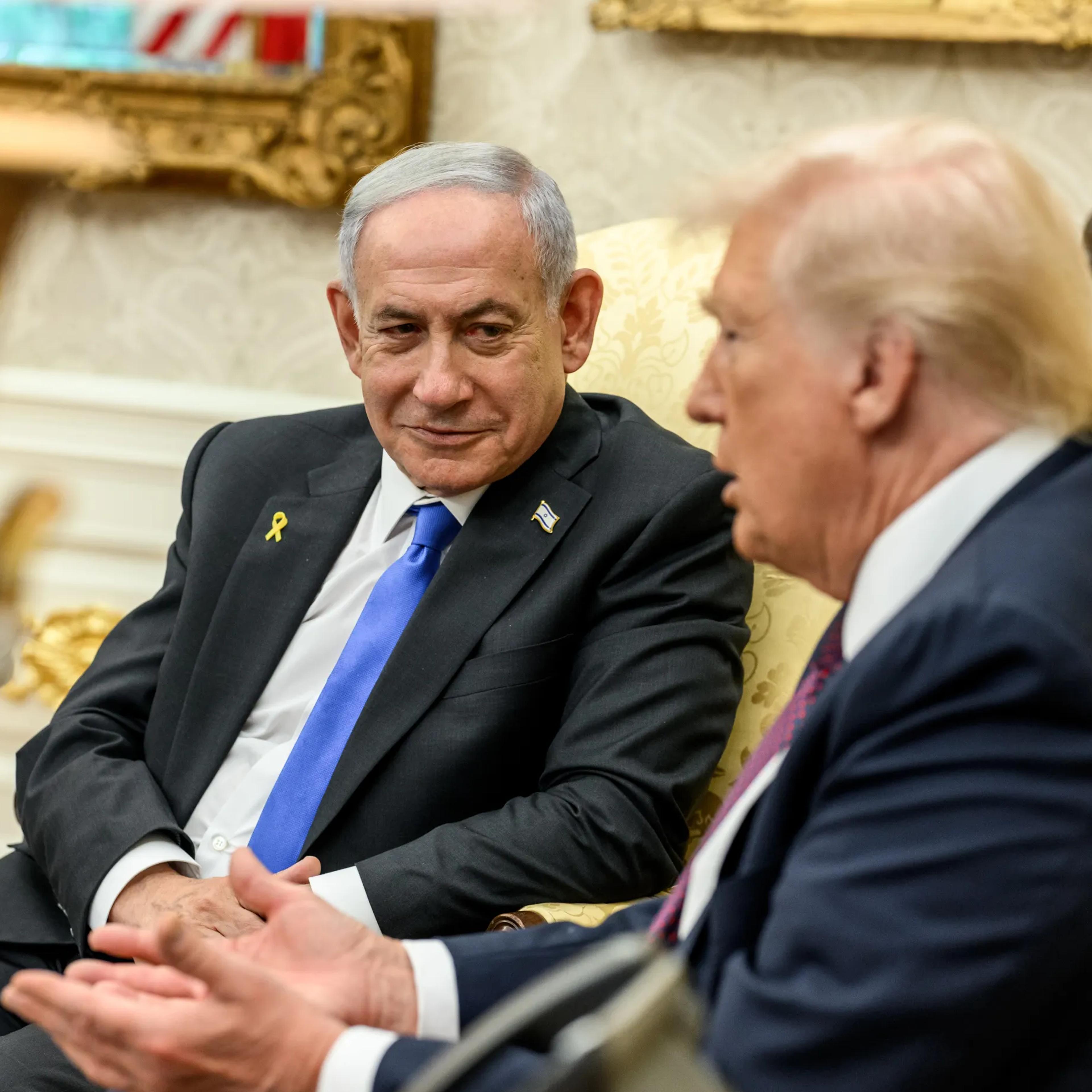
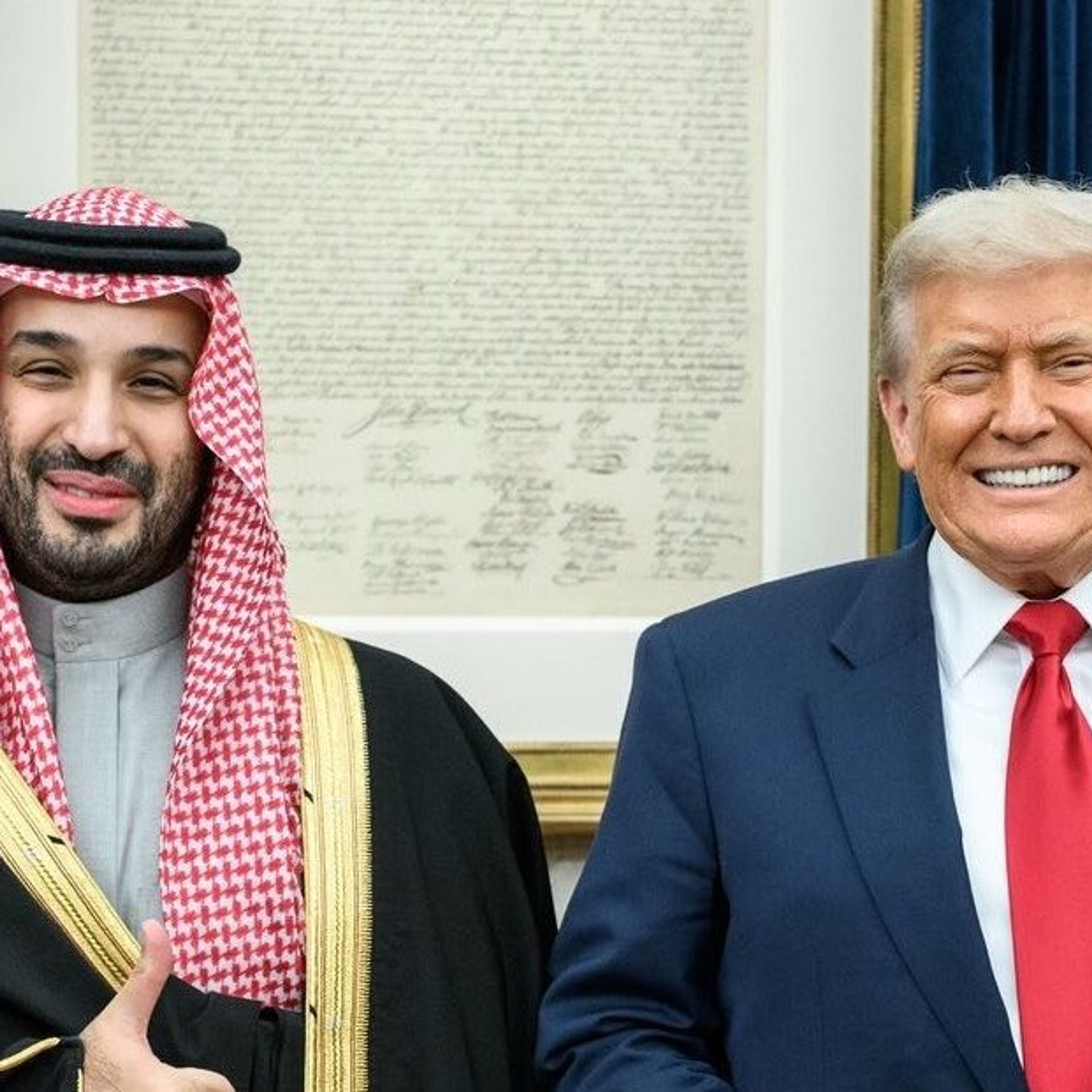
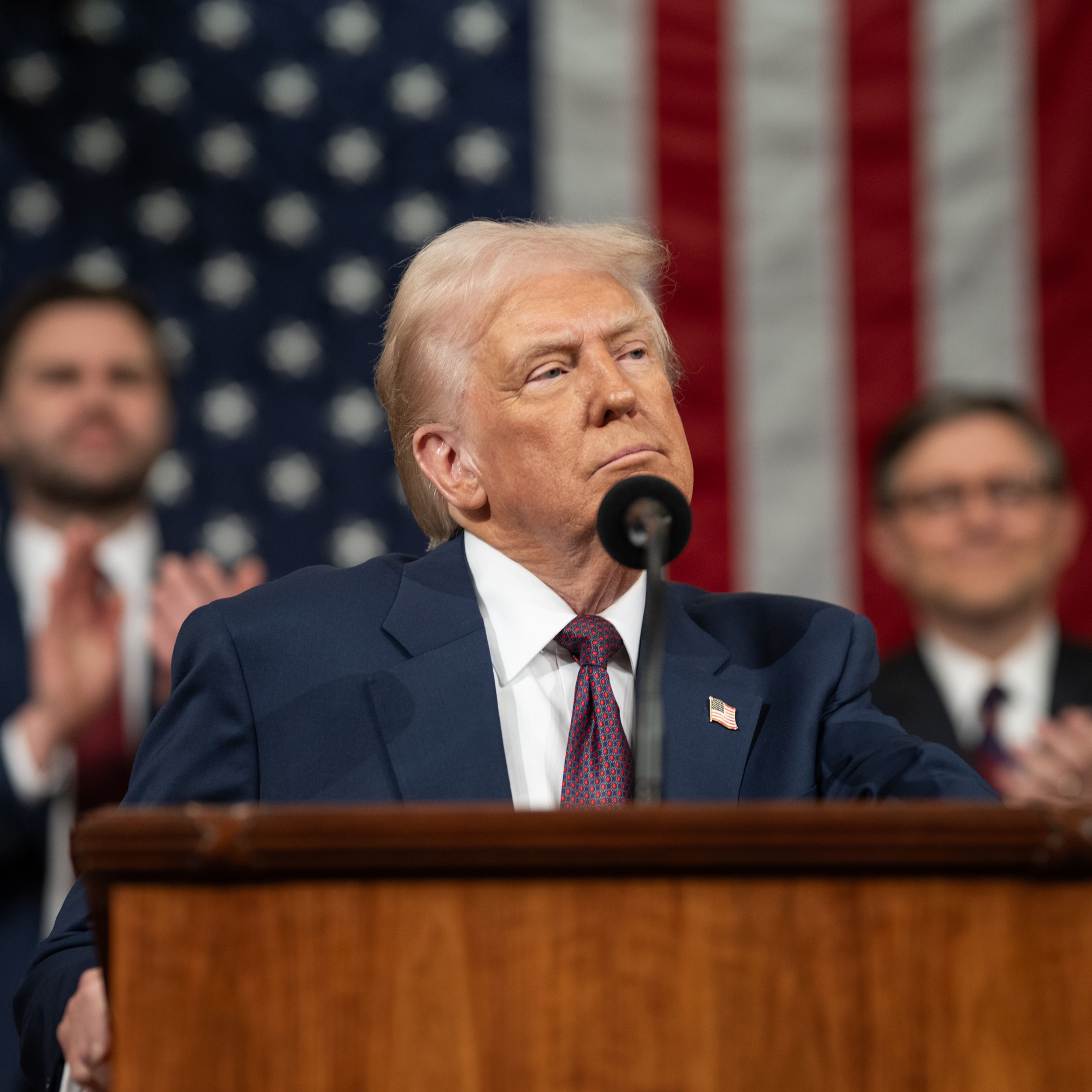
The said understanding appears to be more significant than usual right now. After Galwan, India’s response leaned heavily on the US-led Quad as a counterweight to Beijing. That calculus has since wobbled: Washington’s tariffs on Indian goods, its transactional tone, and an unresolved Quad summit have left analysts describing a partnership under real strain, even as a trade truce has eased tensions since. Commentators have argued Trump’s tariffs have effectively quietened the Quad for now, pushing New Delhi to hedge rather than pick a side, and some suggest the warming with Beijing could eventually reshape regional trade patterns at Washington’s expense.
India, for its part, continues to press China on market access even as it re-engages – and Beijing, facing growth that missed forecasts this quarter, has its own reasons to court neighbours. Reopening Nathu La will not move the trade needle substantially. What it signals is an India forced to recalibrate in real time – first leaning towards the Quad when Beijing looked hostile, and back towards limited engagement with China now that Washington looks unreliable. That is less a reset than a hedge, and both sides appear to know it.