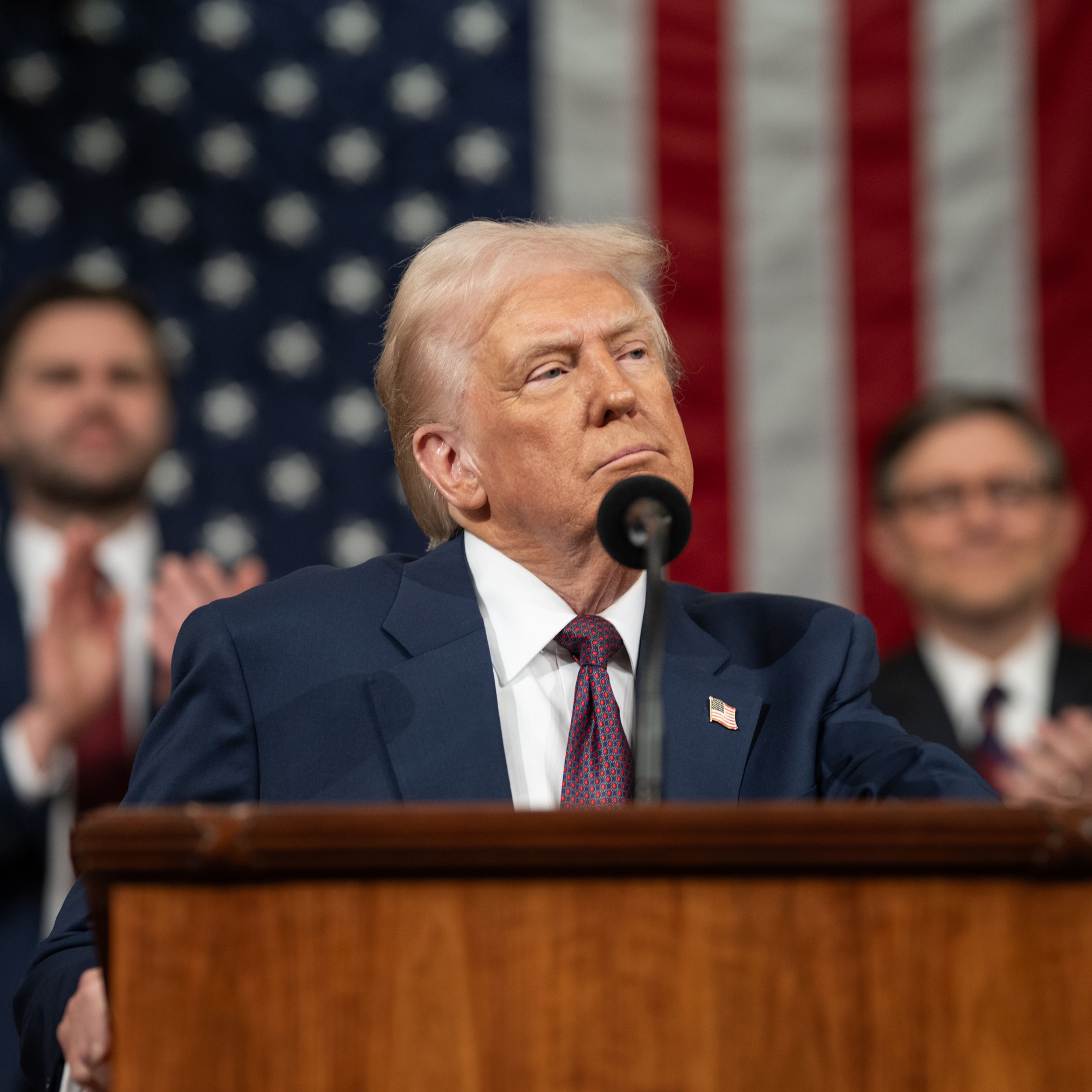
Amid escalating tensions with Iran, the US and Saudi Arabia signed a landmark nuclear cooperation agreement on Wednesday (July 22 2026), allowing the Gulf kingdom to develop a civilian nuclear programme. The deal follows President Donald Trump’s threat to obliterate Iran’s active nuclear site at Pickaxe Mountain, in the Zagros range near the former enrichment facility at Natanz, Isfahan province – as Washington moves to reassure Gulf allies rattled by Iran's escalating strikes.
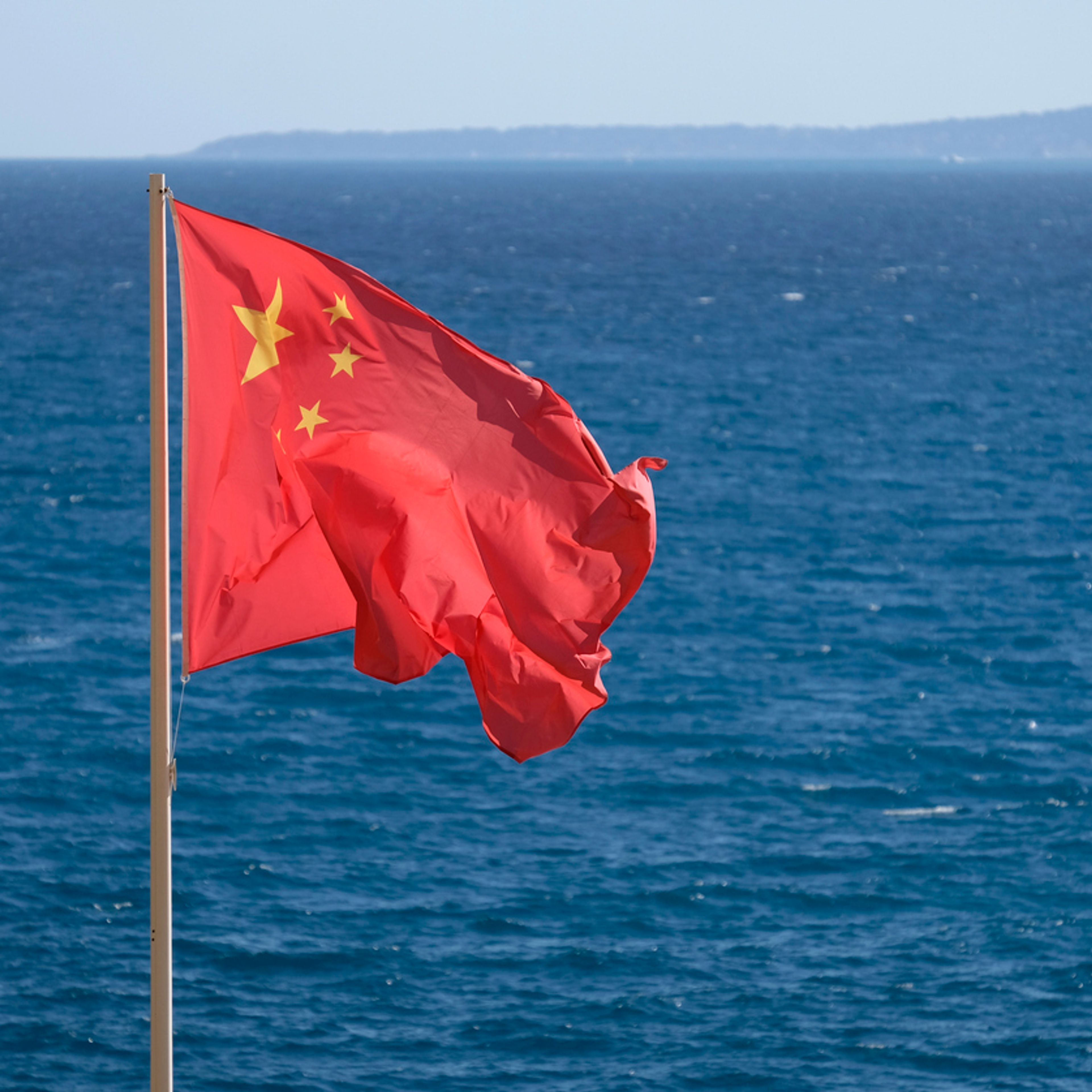
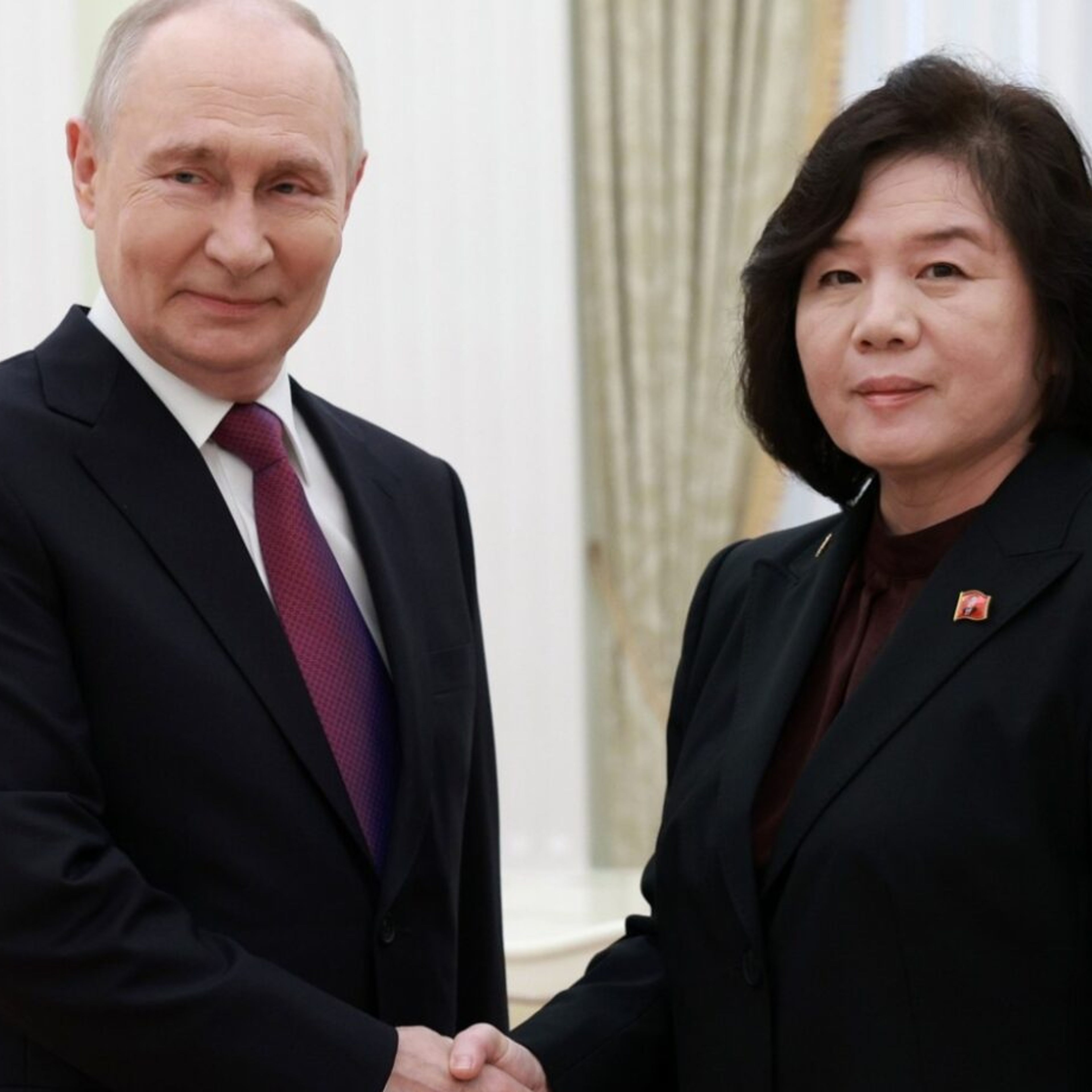
The Iran-US conflict has entered a new phase with Houthi involvement, after the group joined the fight as part of the “Axis of Resistance” following Washington's expanded military campaign against Tehran. Gulf states have long sought to diversify their strategic partnerships with the US and have renewed calls for stronger security guarantees. A US-backed Saudi nuclear programme would deepen Washington’s long-term footprint in the region – at a moment when senior Chinese and Russian officials have been meeting, with Russia remaining China’s key energy partner.
What the deal actually allows
Unlike most US 123 agreements, this one leaves the door open to enrichment on Saudi soil. Before any enrichment begins, a joint US-Saudi team would explore whether it is warranted and commercially viable, with Americans building the facility without transferring the sensitive technology to Saudi Arabia.
In the meantime, the deal bars Riyadh from developing its own enrichment technology or buying it from other countries for a decade, according to reporting cited by CNN. Saudi Arabia is a member state of the IAEA (International Atomic Energy Agency), and the agency's Board of Governors will have to ratify the bilateral safeguards agreement — but the deal notably omits the IAEA's Additional Protocol, the enhanced-oversight standard the UAE accepted in 2009, in favour of a bilateral US-Saudi arrangement instead.
Neither the IAEA nor Director General Rafael Grossi has commented publicly on the deal. Under the deal, US companies will supply nuclear technology to the kingdom, built around a “123 Agreement” under the US Atomic Energy Act 1954, alongside a safeguards protocol agreement. The deal is expected to run for 30 years, with American companies providing technology and expertise to develop the Saudi programme. “These agreements reflect our two nations' shared commitment to strengthening US-Saudi commercial relations, delivering prosperity at home and security to our allies abroad,” Energy Secretary Chris Wright said in a statement.
For Riyadh, a key motivation has been diversifying the economy beyond oil: nuclear power, complementing renewables, would offset domestic electricity demand and free up more crude oil for export.
What happens in Congress
The agreement now goes to Capitol Hill for mandatory review, during which Congress has 90 days to act on it. Lawmakers could block the deal only if both the House and Senate pass disapproval resolutions. But even then, the president could veto that disapproval, with opponents unlikely to muster enough votes to override it. Democratic Senator Ed Markey has already criticised the agreement as “potentially enabling nuclear proliferation in Saudi Arabia and igniting an arms race in the region”.
The Nuclear Non-Proliferation Treaty does not prohibit uranium enrichment – but highly enriched uranium can be used to produce nuclear weapons. The civilian-focused deal has been in the works since 2012, through years of stop-start negotiations. Earlier rounds aimed to bolster Saudi-Israel normalisation, but Trump separated the two issues following the October 2023 Hamas attacks, and previous administrations struggled to bridge the gap between Saudi Arabia’s wish to enrich uranium domestically and US insistence on stronger non-proliferation commitments.
Escalation with Iran has injected fresh urgency into the talks. The deal also unfolds against a backdrop of great-power competition: China has expanded investment in the kingdom through its Belt and Road Initiative and brokered a rapprochement between Saudi Arabia and Iran.
Regional Responses
Tehran has not commented directly on the Saudi deal, but continues to insist its ownenrichment programme is peaceful, even as it holds onto a stockpile of enriched uranium and vows to maintain the programme despite months of US bombardment. Saudi Crown Prince Mohammed bin Salman has repeatedly said that if Iran develops an operational nuclear weapon, Saudi Arabia will acquire one too. Israel, for its part, has reacted with alarm: officials there, along with critics in Congress, warn that Riyadh could leverage a civilian project toward weapons capability – though Secretary of State Marco Rubio has said Washington would not sign any deal leading to proliferation risk. Nonproliferation analyst Henry Sokolski has separately cautioned that the agreement could set a precedent other regional powers, including the UAE, Turkey and Egypt, might seek to follow.