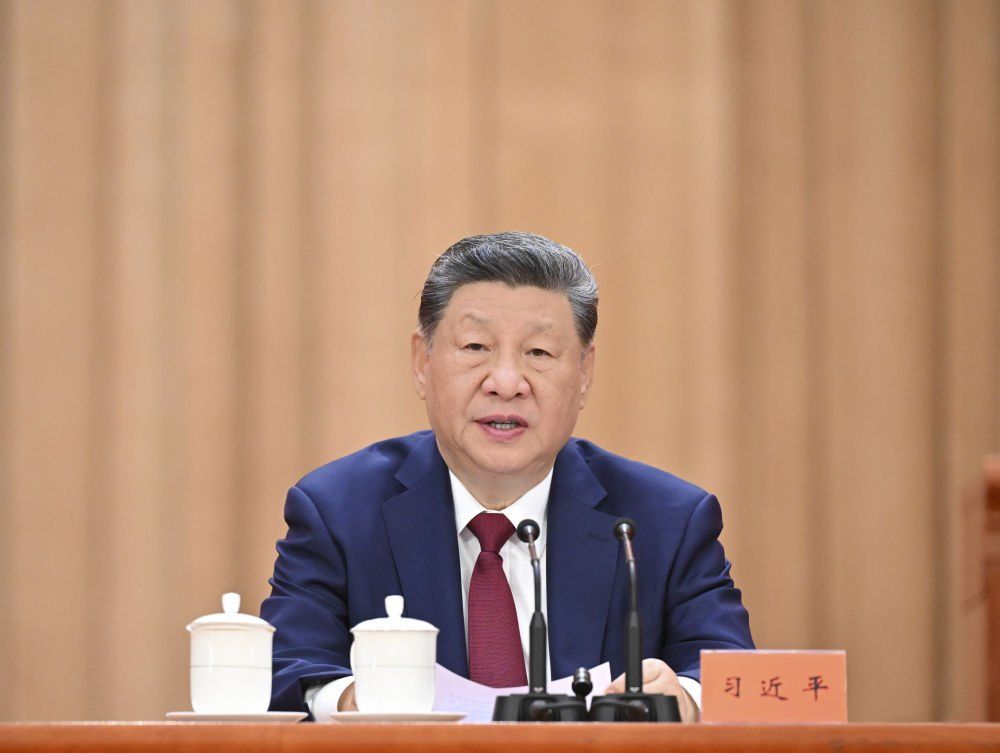
China President Xi Jinping, on July 17, will open the World Artificial Intelligence Conference (WAIC) in Shanghai. Xi will be giving the keynote speech. Xi will elaborate on China's policies, position, visions and propositions on AI development and governance in his speech. The theme for this year’s conference is ‘Intelligent Partners, Co-create the Future’. The event has been held in Shanghai, China every year since its inception in 2018.
This is the first time Xi Jinping is attending the event in person. The shift is significant as Beijing has elevated its AI and semiconductor self-sufficiency. This signals intensified competition with the US, as the Western power has ruled the roost for the longest time when it comes to AI. Executives from international tech organisations, government officials, and AI researchers from all around the world are expected to attend the event, which will conclude on July 20. The four-day event will include six sections: Conferences and Forums, Exhibitions and Showcases, Awards and Competitions, Application Experiences, Innovation Incubation, and Talent Attraction.
The exhibition area, for the first time, will exceed 100,000 square metres. Organisers and 1,100 exhibitors will showcase more than 3,000 products and technologies. 300 products will make their global debuts.
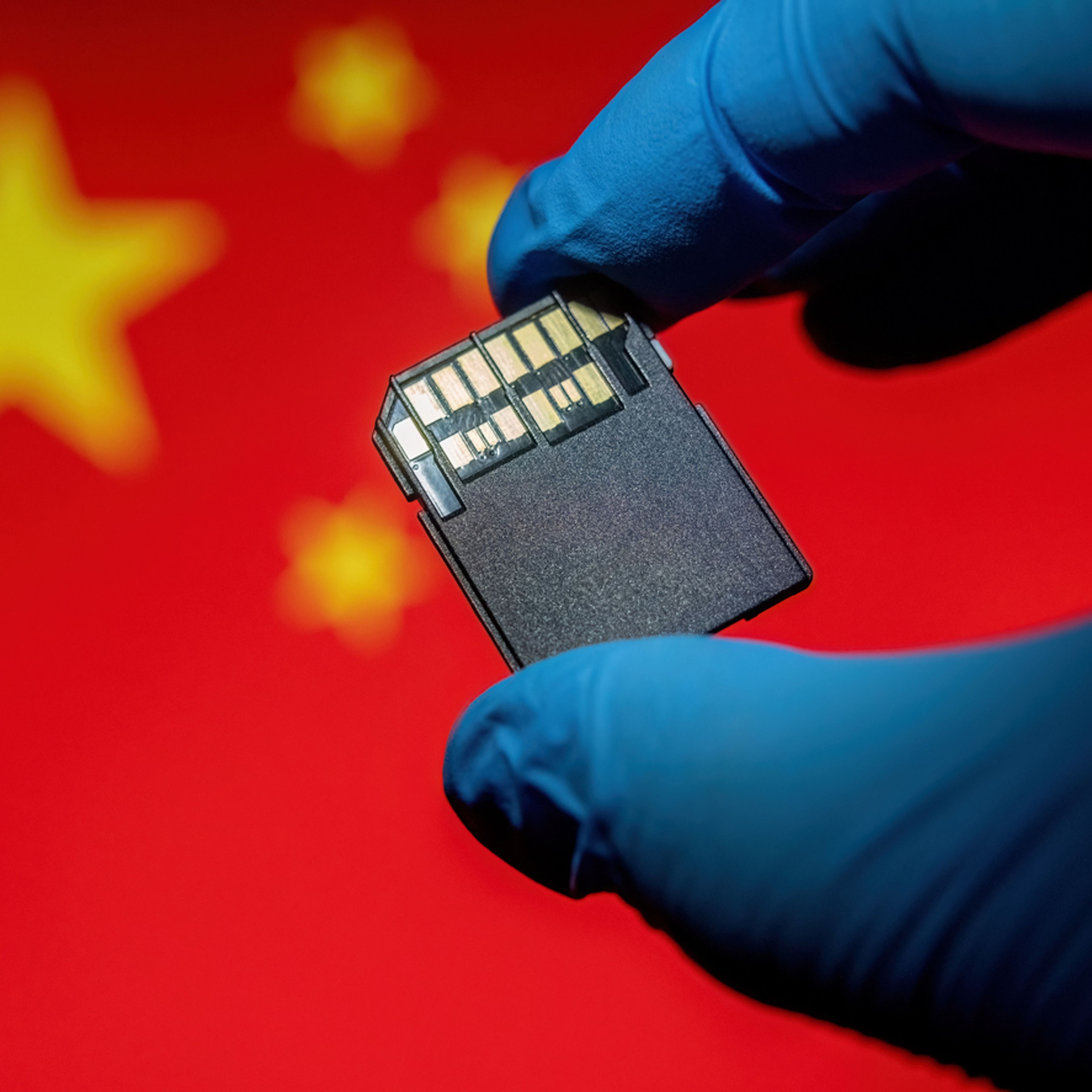
Silicon Valley giants such as OpenAI, Google, Microsoft, Anthropic and Nvidia have, over the past decade, dominated the AI narrative. Washington has attempted to undermine China’s technological growth with control over exports of advanced chips and semiconductor equipment. Beijing has, however, managed to bridge the gap by boosting its homegrown computing infrastructure, and AI talent in a bid to reduce dependency on American technology.
At this conference China aims to look at more than technological progress. It is expected to push for a World AI Cooperation Organisation. China, in the first quarter of the 21st century, grown as a manufacturing and trading power and now, it’s looking at establishing itself as a leader in technology.
At the conference, Chinese tech giant Huawei will debut its flagship AI chip cluster. The Atlas 950 SuperPoD large-scale AI computing system will showcase China’s efforts to create an AI ecosystem that largely circumvents Western sanctions. Other Chinese tech players like Alibaba, Tencent, and Baidu are expected to showcase advanced foundation models, robotics and industrial AI applications.
In the last decade, China has caught up with the West when it comes to the technological market, in terms of clean energy, electric vehicles and batteries, robotics, drones, or 5G telecommunications. Now it hopes to do the same, perhaps and more when it comes to AI and chip manufacturing.China has been pushing AI as a formal diplomatic instrument— it has been doing so explicitly since 2023.
It has argued that governance of the technology should be made more accessible and not not be dictated by a handful of Western countries or companies. China seeks to promote its Global AI Governance Initiative and project itself to be a champion for multilateralism and affordable AI solutions for developing countries. The US still largely retains advantages when it comes to innovation and venture capital. China, however, wants to be able to play an important role in the global narrative around AI governance. The conference comes at a time when China and the US are increasingly competing for tech dominance.