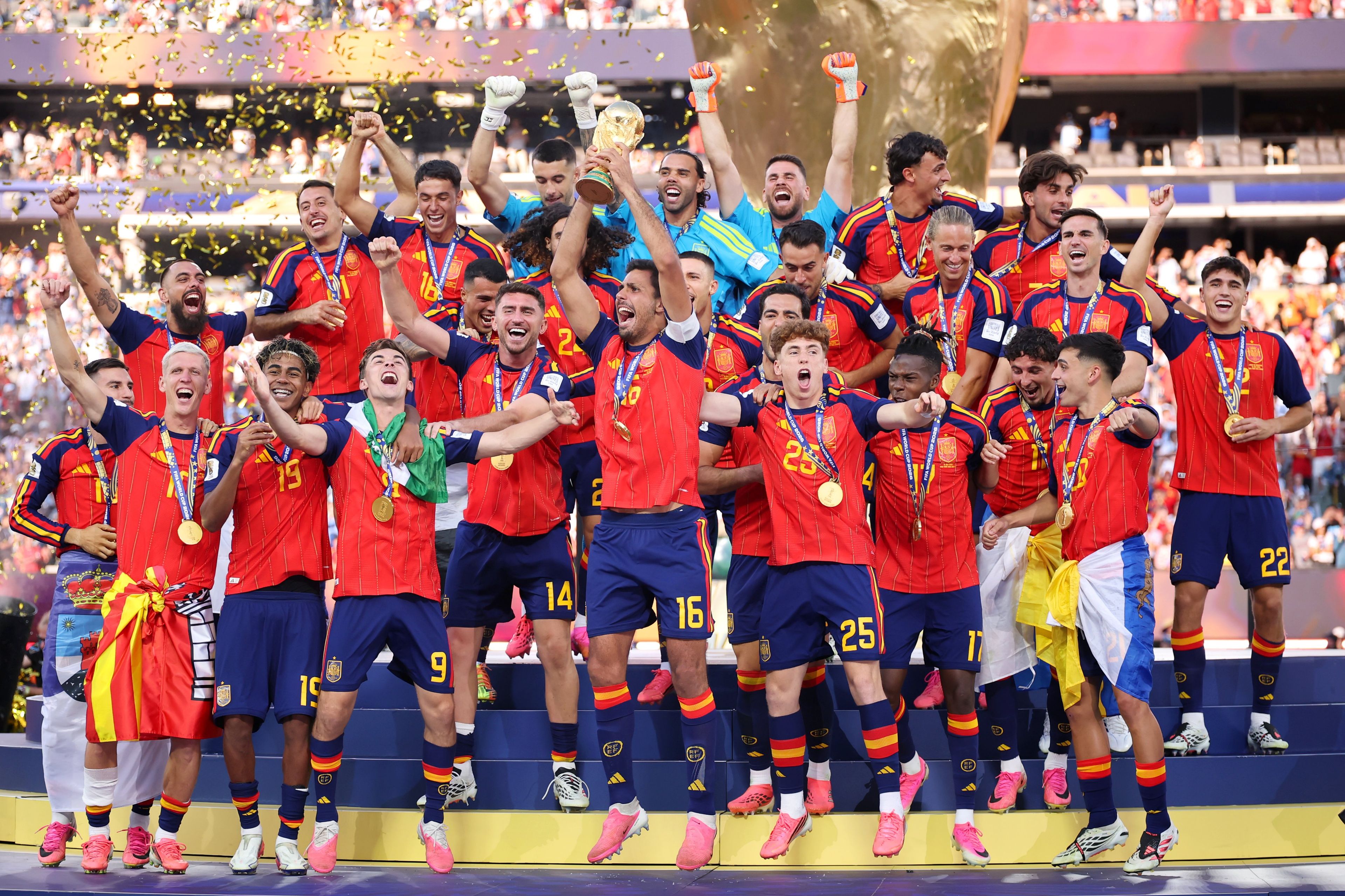
Spain’s 1-0 victory over Argentina in the World Cup final triggered a wave of congratulations from world leaders – but the silences were just as telling as the messages, exposing a fault line over Gaza that has quietly shaped diplomatic reactions to the win.
Spanish Prime Minister Pedro Sánchez declared “We are world champions”, while King Felipe VI called the triumph “another page in Spain's history”.
Canadian Prime Minister Mark Carney and European Commission President Ursula von der Leyen were among the first major international figures to weigh in, with Carney marking the "historic tournament" and congratulating Spain and every team that took part.
“48 teams. Three host countries. An historic tournament. The final whistle has blown on the 2026 FIFA World Cup. Congratulations to the champions, Spain, and every team and fan that made this World Cup one to remember,” Carney wrote on social media platform X.
A pattern behind the praise
The list of leaders offering congratulations lines up closely with those who have criticised Israel’s conduct in Gaza or backed Palestinian statehood. Von der Leyen, though historically supportive of Israel, proposed sanctions on hardline Israeli ministers by late 2025 and has since backed a two-state solution – a position Carney shares.
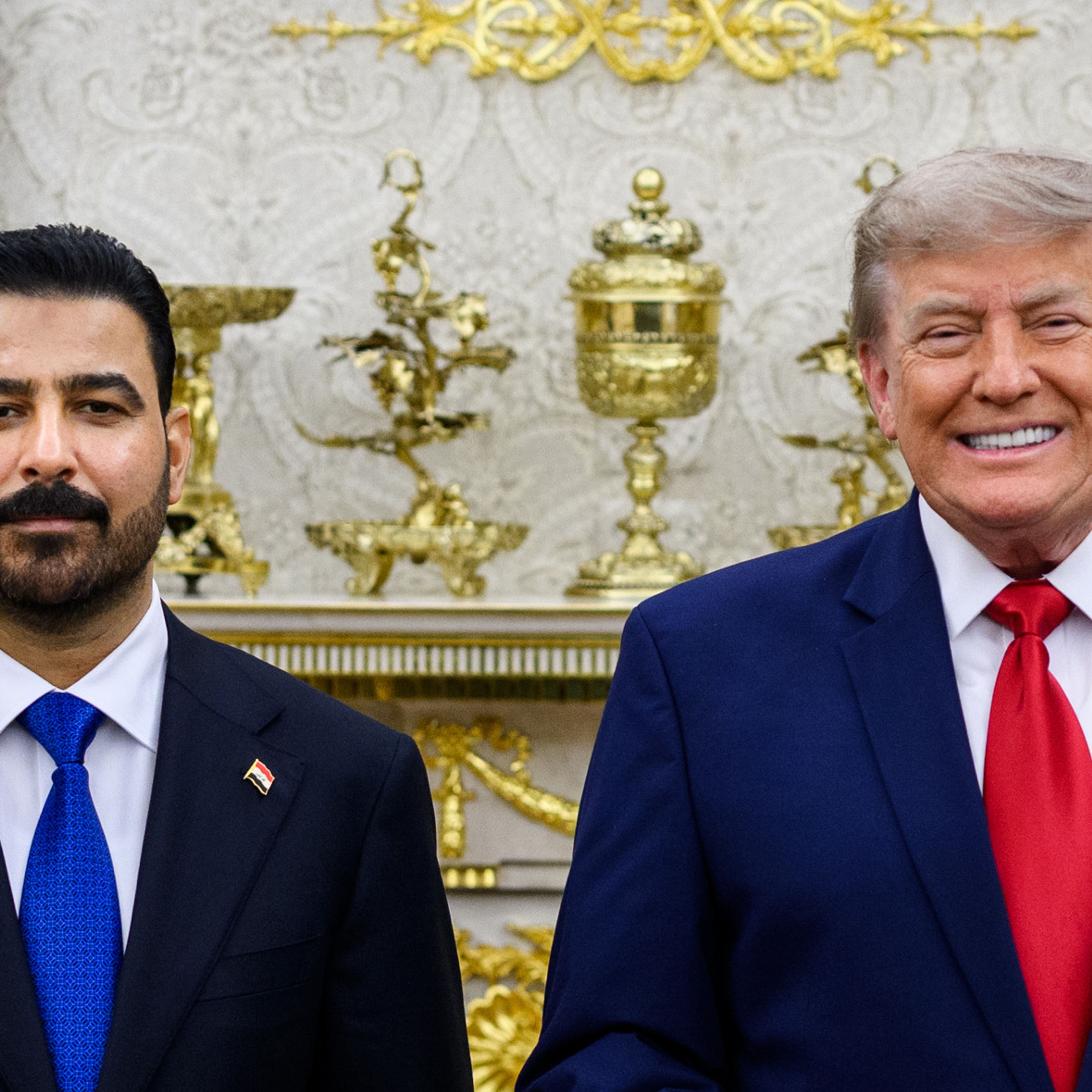
Mexican President Claudia Sheinbaum, whose country co-hosted the tournament, praised both her own team’s performance and Spain’s win. Her US counterpart, Donald Trump, posted footage of himself presenting the trophy. Turkish President Recep Tayyip Erdoğan and Pakistani Prime Minister Shehbaz Sharif also sent congratulations — Sharif praising Spain's “skill, unity, discipline, and teamwork” while thanking Trump for hosting.
Both Erdoğan and Sharif have long records of pro-Palestinian advocacy.
Solidarity from the Arab world
Support for Spain extended well beyond official diplomacy. Egypt's national coach, Hossam Hassan, dedicated his own team’s World Cup run to the Palestinian people, entering the pitch with a Palestinian flag after Egypt's group-stage progression and later confronting a fan who taunted him with an Israeli flag.
In Gaza, football fans and amputee players said they were rooting for Spain specifically because of Madrid’s stance on Palestine, with Gaza al-Irada coach Hatem al-Maghribi thanking both Spain and Egypt for “words of gratitude, love and appreciation for those who stood with Palestine”.
The silences
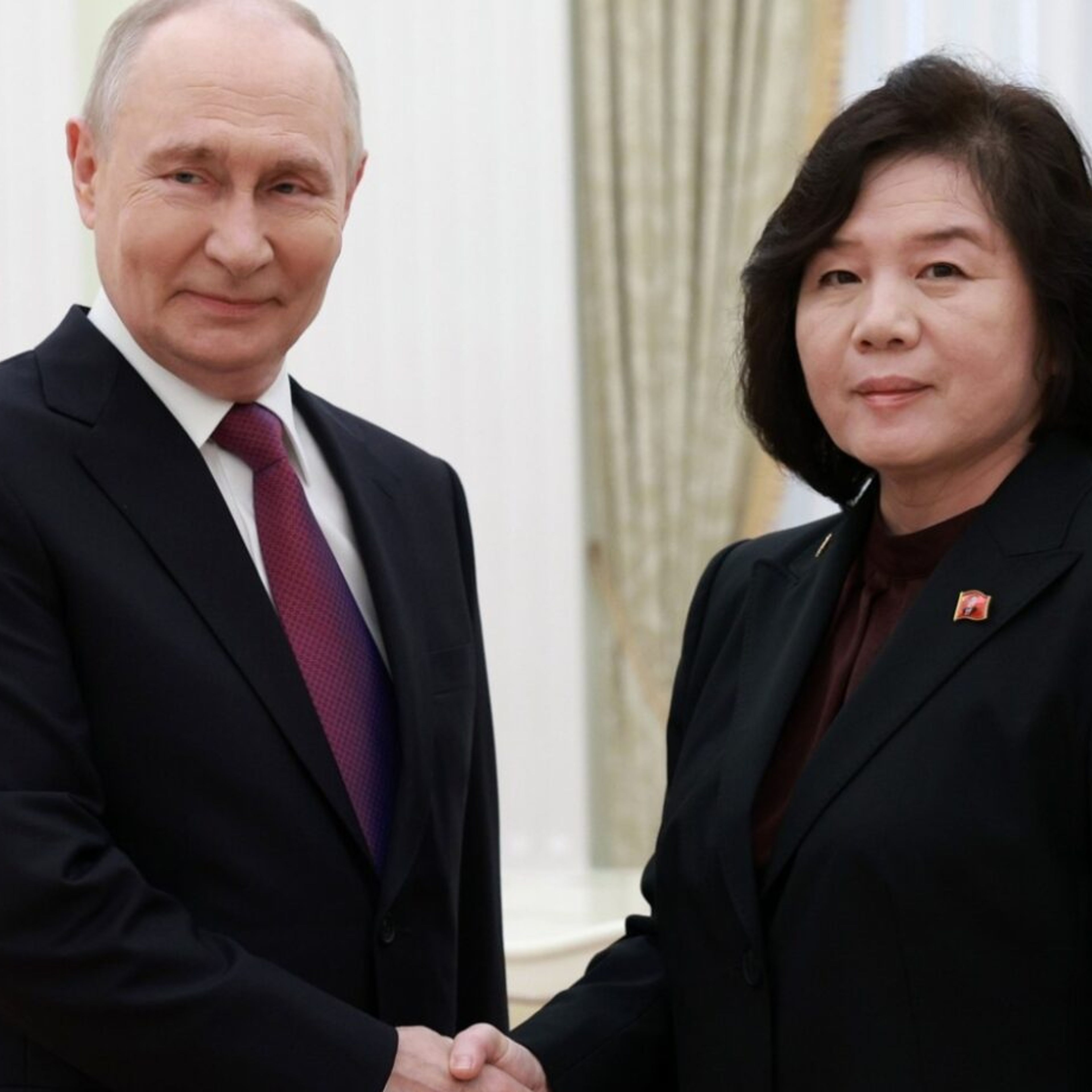
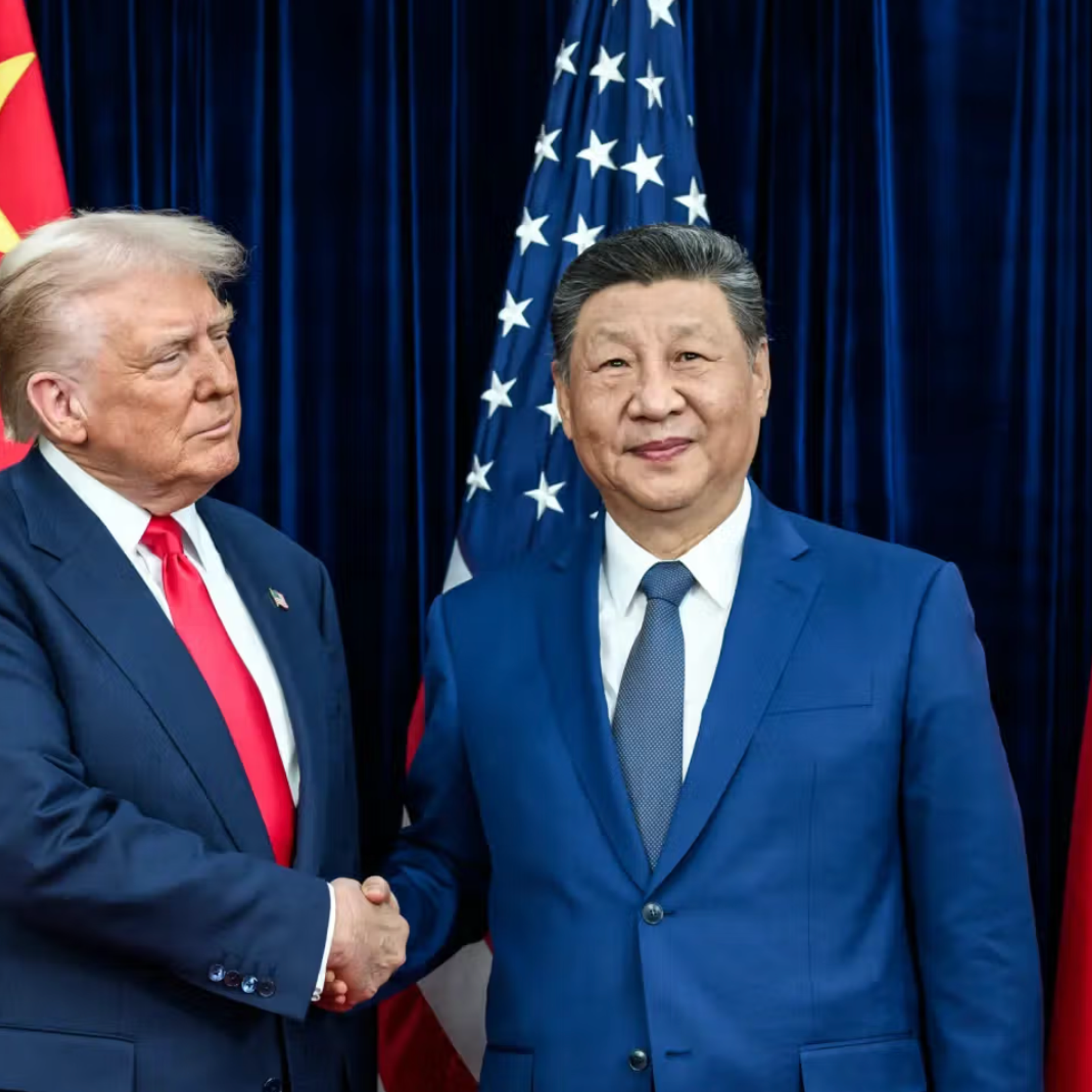
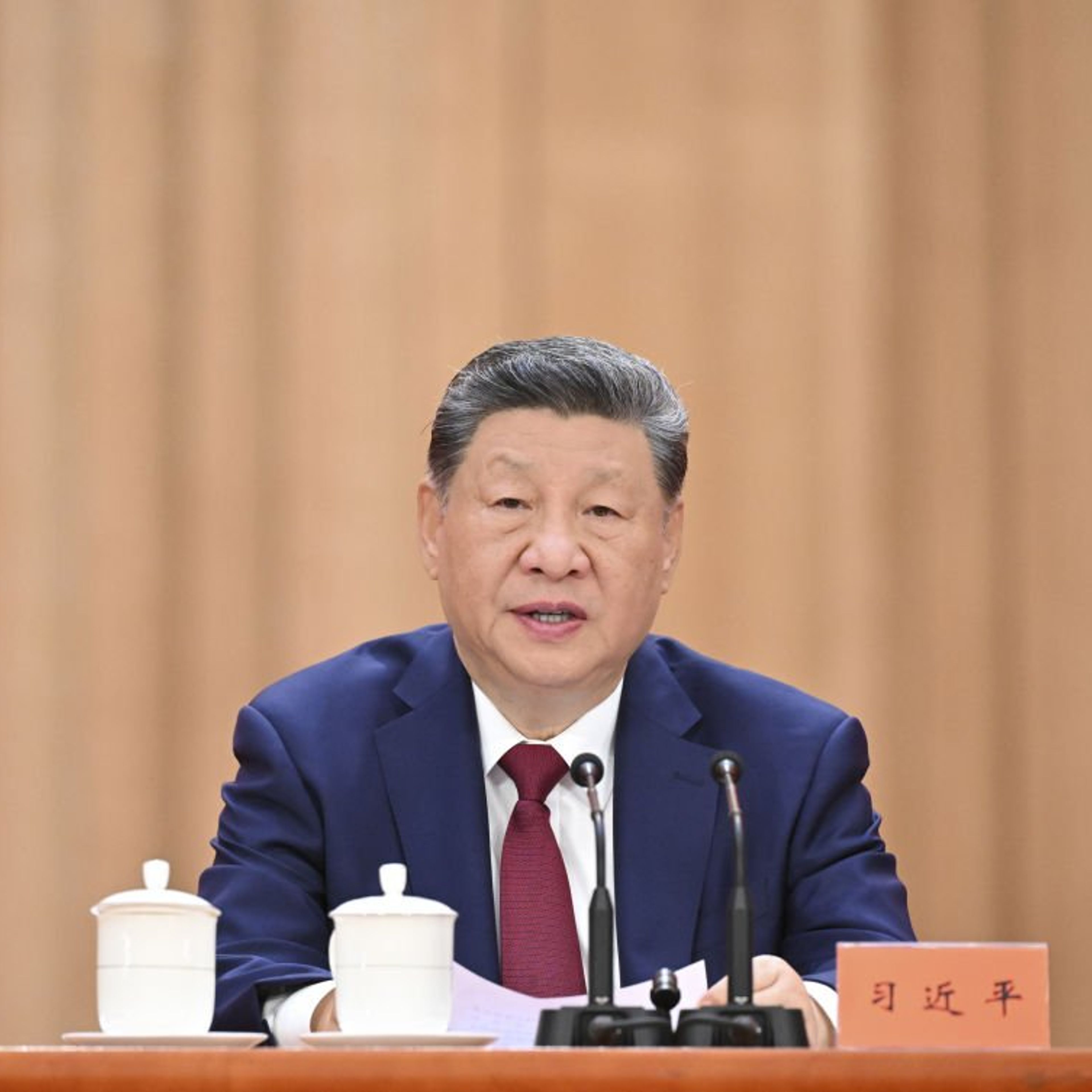
China, Russia, and several Gulf states – including the UAE and Saudi Arabia – did not publicly congratulate Spain. This does not necessarily reflect deliberate political disagreement; it may simply reflect routine diplomatic practice.
Spain’s Gaza record
The diplomatic backdrop is hard to separate from the result. Sánchez's government formally recognised the State of Palestine in 2024 and has, alongside Norway and Ireland, been a vocal critic of Israel's military campaign in Gaza — straining relations with Israel. In May, when Barcelona and Spain forward Lamine Yamal waved a Palestinian flag during Barcelona’s La Liga title celebrations, Israeli officials objected; Sánchez defended the teenager, saying he’d made the country "proud”. That stance has won Spain considerable goodwill across the Arab world.
A contrast with Argentina
Argentina’s own government has taken the opposite position. President Javier Milei, who has called himself “the most Zionist president in the world”, has voted against UN resolutions backing Palestinian statehood and pledged to relocate Argentina’s embassy from Tel Aviv to Jerusalem in 2026 – a move most of the international community avoids given the contested status of the city.
Milei has visited Israel twice since taking office, and Netanyahu has called him “a great friend of the Jewish state”. Netanyahu himself made his allegiance explicit ahead of the final, receiving Argentina’s ambassador to Israel and declaring, “I don't hide that I am a fan of Argentina”, crediting Milei with having “revolutionised” the two countries’ relationship. Members of his own government went further: far-right ministers Bezalel Smotrich and Itamar Ben-Gvir both publicly cheered Argentina’s progress through the tournament, with Smotrich linking his support to Argentina's stance against Palestinian statehood.
Beyond governments, a symbolic divide
The contest was framed in deeply personal terms by public figures on both sides. Pro-Palestinian commentators pitted Lionel Messi’s history of visiting Israel against Lamine Yamal’s Palestinian flag gesture, while in Israel, ministers went further than Netanyahu’s endorsement.
National Security Minister Itamar Ben-Gvir and Finance Minister Bezalel Smotrich both publicly backed Argentina and tied their support explicitly to Israel's opposition to Palestinian statehood. Spanish actor Javier Bardem, meanwhile, carried a Palestinian flag at Spain's semi-final against France, continuing years of advocacy on the issue at platforms including the Oscars and Cannes.
Norway's football federation lent concrete backing to the pattern, donating roughly $420,000 in ticket revenue from a World Cup qualifier against Israel to Gaza medical aid – reinforcing a bloc, alongside Spain and Ireland, whose support has moved beyond statements into action. A record eight Arab nations competed in this year's tournament, with Morocco reaching the quarterfinals, underscoring why Gaza resonated well beyond the final itself.