
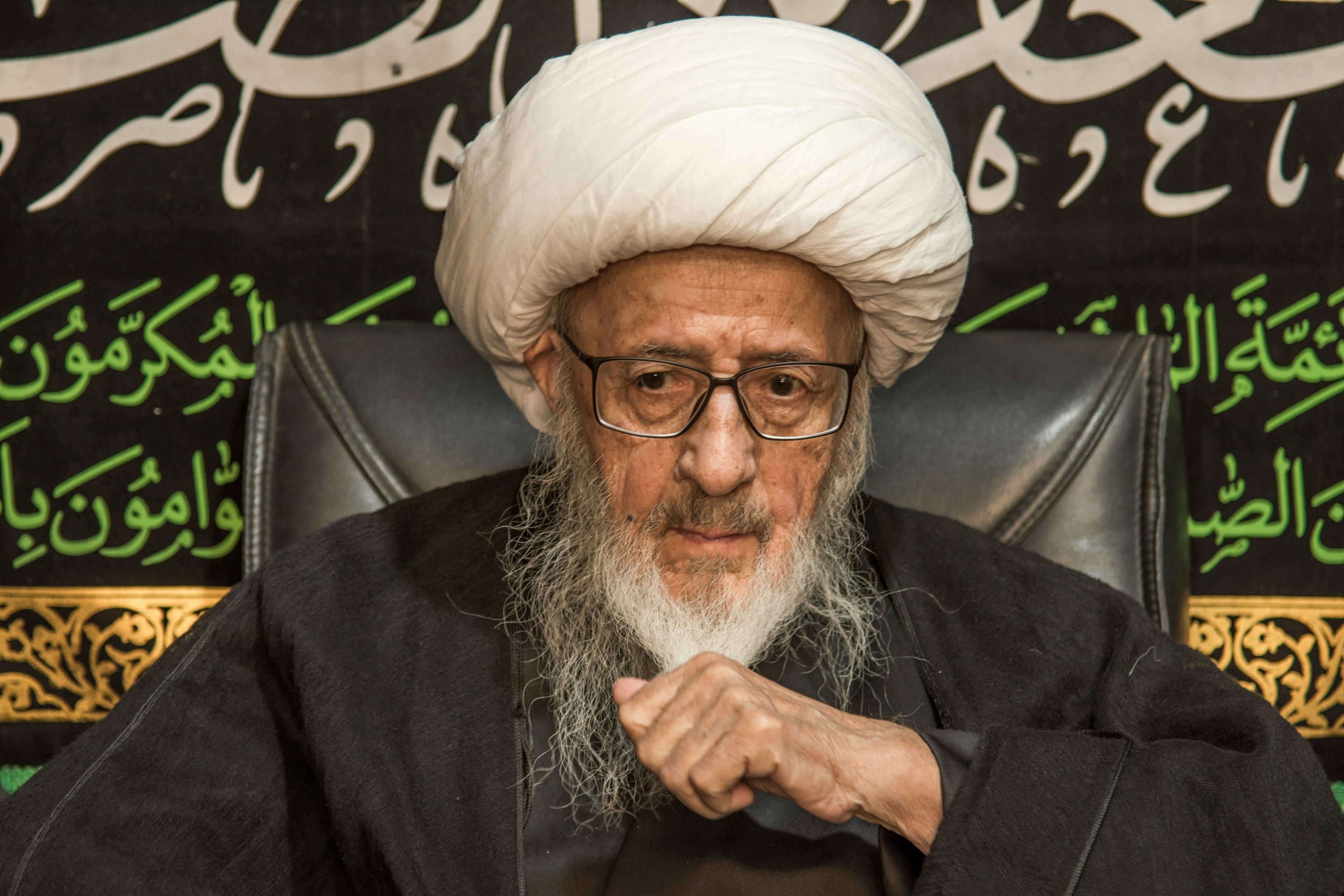
The mortal remains of Iran’s Supreme leader Ayatollah Seyyed Ali Khamenei will be laid to rest tomorrow, July 4. The leader was killed on February 28 when the US and Iran started strikes on Iran, sparking a war in the Middle East. The funeral will have delegations from China, India, Russia and other regional allies including Pakistani Prime Minister Shahbaz Sharif. Western leaders, however, will not be present. These include EU members, the US, UK, Canada and Australia.
Khamenei’s son, Mojtaba Khamenei, the current supreme leader of Iran will not be attending the funeral. Israeli threats and surveillance, makes his presence in the public ‘dangerous’. Khamenei will be buried in hishometown, the holy city of Mashhad, on July 9. Ceremonies preceding the funeral commence in Teheran on July 4. Funeral rituals will also take place in Qom, another holy city close to Teheran on July 7.
Iran’s increasing efforts to boost its nuclear reserves has been a bone of contention for rise in tensions between the US and Iran. Things took a turn for the worse when in 2018, the US, under Donald Trump’s presidency, exited the Joint Comprehensive Plan of Action (JCPOA). The JCPOA stated that Iran would limit nuclear activities in exchange for limited sanctions.
Iran and Israel have been involved in a proxy conflict as Iran has supported Lebanese Shia militias, and Iran has backed Palestinian group Hamas. Israel has made airstrikes against Iranian allies in Syria, and assassinated Iranian nuclear scientists. The tensions between the two over 2024, and 2025, finally culminated in war in 2026.
The other countries that were participants of the JCPOA were China, France, Russia, the UK, the US and Germany. Also, the EU has largely remained neutral in the war between the US-Israel and Iran. Top leadership of these countries not in attendance, therefore, isn’t surprising. There will be some show of neighbourly support, with Taliban in attendance at the funeral.
Leaders of groups like Hamas, Hezbollah, Palestinian Islamic Jihad, and the Houthis will be in attendance. This speaks much of Iran’s stance in world politics too, as in the past, the country has shown support towards these groups. India will be represented by Bihar Governor Syed Ata Hasnain and MoS Pabitra Margherita. Other Indian leaders in attendance will be Congress leader Salman Khurshid and PDP chief Mehbooba Mufti.
The funeral’s turnout, on the whole, is likely to affect Iran’s influence on border global forums. It might force Teheran to seek co-operation from more regional forces to counter the isolation. The funeral's symbolic weight could also impact the ongoing Iran-US talks and its efforts to gain support from other powers for sanctions relief. This, however depends on how the country manages internal dissent and external threats.