
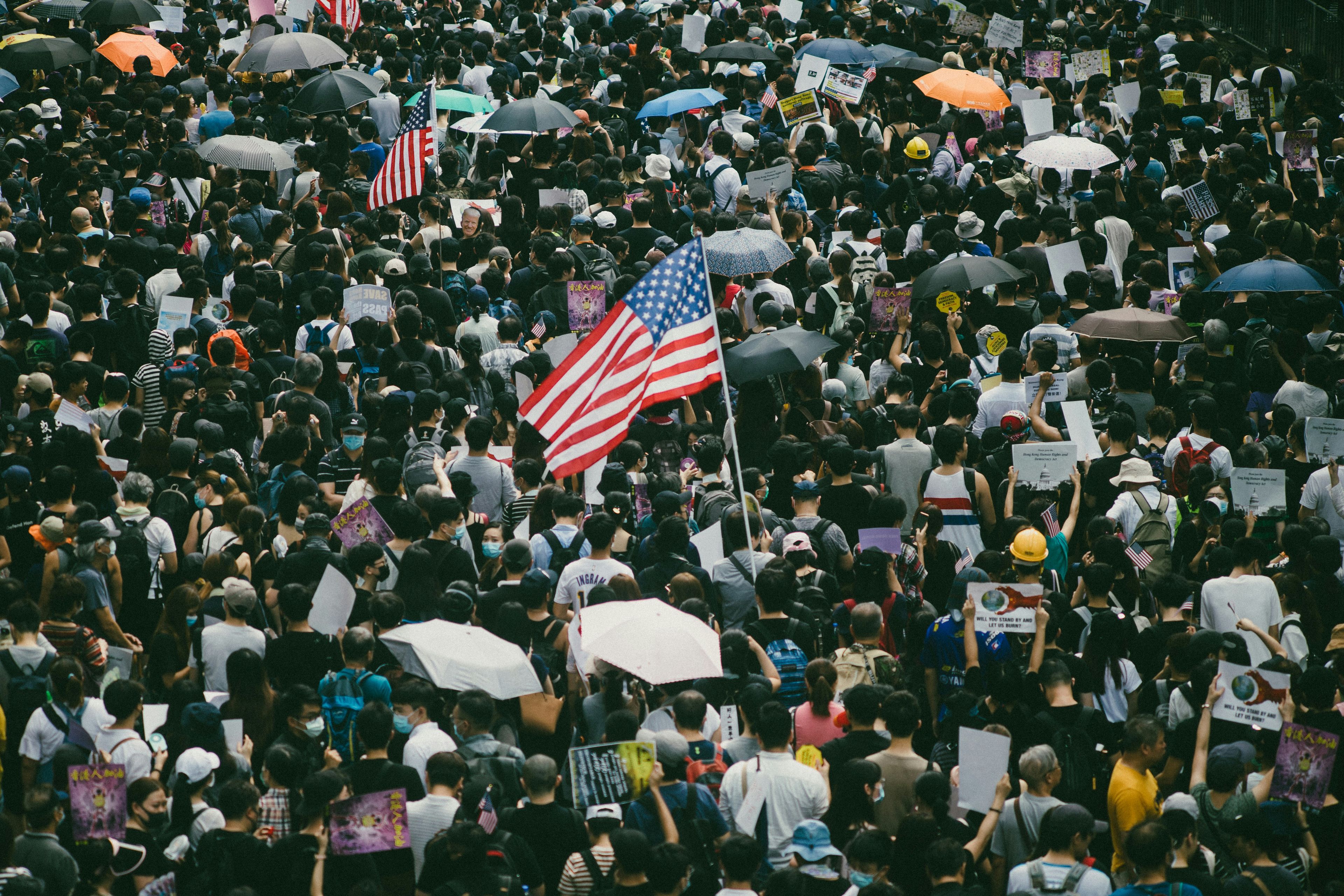
“You're a grand old flag, you're a high flying flag…”
Millions of Americans will sing this song today, July 4. At 250 years of independence, the United States of America stands at a crossroads, wrestling not only with its identity as a global power, but with the uncomfortable truth that, under the Donald Trump Administration, it is betraying its own history of immigration.
The Declaration of Independence, adopted on July 4, 1776, was written by immigrants – people the British Crown had forced to make America their home. Once branded slaves and indentured labourers, they became the ancestors of the students, citizens, and leaders who fill the country today.
On its way to becoming an economic powerhouse, America recast itself into the most immigrant-friendly nation on earth, drawing in skill and manpower from across the globe. It passed laws that made racial profiling and racist violence crimes – turning a new leaf on a history steeped in violence against people of colour.
Now, as its institutions strain and its economy wobbles, its leaders have failed to reverse the country’s financial and social unravelling. They are now reaching for an older script – the very chapter that ancestors once fought to close. Under Trump, immigration policy has curdled into some of the most restrictive legislation the country has seen in generations.
This isn’t new. It’s a recurring American reflex. In 1790, the first Congress restricted citizenship to “free white persons”. Benjamin Franklin worried that German settlers in Pennsylvania would never assimilate. Irish Catholics fleeing famine in the 1840s were accused of owing loyalty to the Pope over the Constitution. Italians, Jews, Chinese, Japanese, and Eastern Europeans each faced their turn in the same suspicion. Every wave of newcomers has been asked, in one form or another, to prove that it wouldn’t change America faster than the US could absorb it.
What Trump changed is the language. Former presidents Calvin Coolidge, Dwight Eisenhower, and Bill Clinton managed the same anxieties through their own anti-immigrant crackdowns – quota laws, mass deportations, restrictive statutes –, but did so without detonating the country’s founding premise.
Trump made immigration the central fault line of American politics – stripping away all euphemisms that lent a balance to the competing political narratives. Even the hawkish Ronald Reagan and George W. Bush attempted to grant legal status to waves of undocumented workers and refugees at home. Legal immigration pathways have since narrowed so severely that most people arriving today are asylum seekers or undocumented by default, not by choice.
Joe Biden’s humanitarian parole programme was one of the few remaining doors: temporary legal status for people fleeing crisis. Trump shut it – and in doing so, instantly rendered millions of legally present people illegal.
The old question resurfaces against such a backdrop. What makes an American, and who decides? Supporters call the crackdown overdue. Critics call it xenophobia with a legislative seal. Both describe the same exposed nerve – a debate that has always been a proxy war over the country’s soul.
The irony is that immigration is precisely what built America worth fighting over. Irish immigrants became senators and generals. Italian families became business dynasties. Jewish immigrants reshaped American science, medicine, and finance. Asian immigrants and their children now form some of the country’s most successful communities. Each generation arrived for its own reasons, and each was certain its cause was the most legitimate one yet.
American identity was never really about bloodline. It was a bet on its constitutional ideals – democracy, rule of law, and opportunity, regardless of origin. The unresolved question is whether that identity needs a fixed core to protect, or whether it was always meant to keep expanding.
Trump didn’t invent “America First”. But he surely stripped the polish off it – swapping “comprehensive immigration reform” for border metrics and enforcement numbers, and forcing the country to look directly at a question it has spent 250 years dodging.
That question didn’t start with him. It won’t end with him either, even as the world is anxiously counting its cost.