
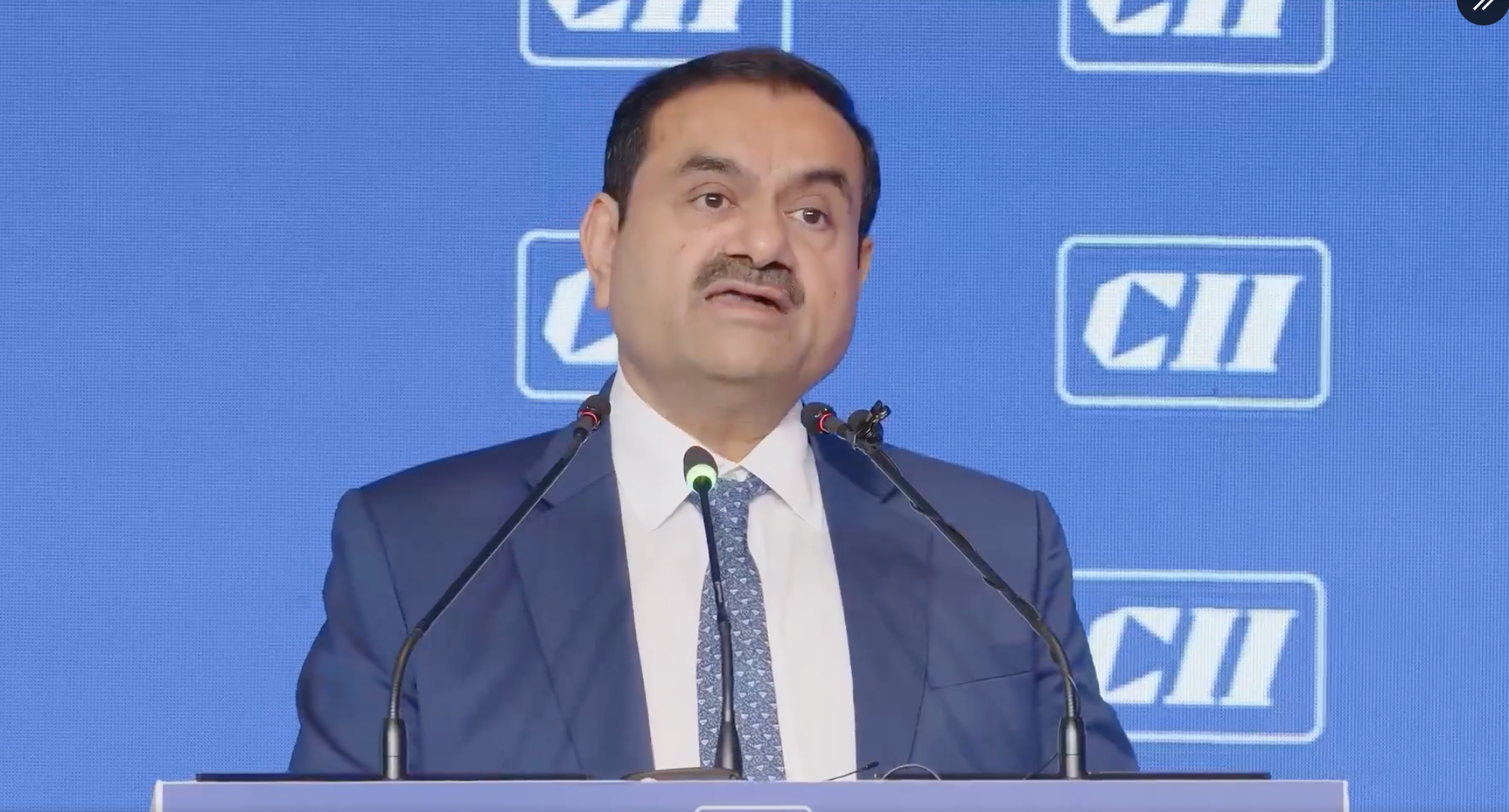
The billionaire Gautam Adani’s Carmichael thermal coal mine in Queensland will pay no company tax for the year, despite generating US $ 963.5 million in revenue in the year to March, Guardian Australia has revealed. The findings have come as Adani’s global operations remain under scrutiny: a US bribery indictment against Gautam Adani was shelved by the Department of Justice in May, and the conglomerate is still working to move past the fallout from Hindenburg Research’s 2023 fraud allegations.
In Australia’s Queensland, meanwhile, the mine has not paid a cent in corporate tax since it opened in 2021 – despite Adani’s early pledges that the project would pour billions into the Australian economy.
Why does the mine pay no tax?
Australian company tax is levied on profits, not revenue. According to company filings, Carmichael’s operator offset its $963.5 million in revenue with substantial costs – including production expenses and related-party logistics charges – leaving the entity with a reported loss of $340.6 million for the year. With no taxable profit, no corporate income tax was payable.
The company said the deductions are lawful: expenses tied to mining operations, transport and commercial arrangements with related Adani entities all reduced its taxable income under Australian tax law. It did, however, pay royalties to the Queensland government for extracting state-owned coal, along with payroll tax, GST and other statutory charges. Is this tax evasion? No. At least not in the legal sense. What Adani is engaged in is tax avoidance, not evasion: using legitimate deductions, including large related-party payments, to minimise taxable profit within the rules.
Tax evasion involves illegally concealing income or falsifying records. The concern raised by critics is structural rather than criminal – that heavy related-party transactions between Adani entities allow the company to report losses indefinitely, even as revenue climbs.Tim Buckley, director of Climate Energy Finance, called it “a perfect example” of why Australia needs tighter rules to ensure multinational resource companies pay a fair share of tax – a call for reform, not an allegation of illegality.
How have Queenslanders and activists responded?
The gap between the tax windfall Adani promised and what it has delivered has long fuelled criticism from campaigners and tax-transparency advocates, who argue the mine’s finances were structured from the outset to minimise its Australian tax exposure. The “Stop Adani” movement, which organised dozens of rallies against the project during its construction phase, framed the mine as a poor bargain for taxpayers even before it began exporting coal. That scepticism has resurfaced with each disclosure showing the mine reporting losses despite rising revenue, reinforcing complaints that the jobs and tax revenue once promised for regional Queensland have not materialised as pledged.
A decade of controversy
Adani acquired the mine in Queensland’s Galilee Basin in 2010, and it quickly became one of Australia’s most contested mining developments. The Queensland government approved the project in 2014, and in 2016 then deputy prime minister Barnaby Joyce backed a loan to help get it built, despite fierce opposition from environmental groups worried about climate impacts and the Great Barrier Reef.
Between 2015 and 2019, court challenges over the threatened Yakka skink, indigenous land rights and reef protections repeatedly delayed the project, forcing Adani to scale it back significantly from its original design. Construction finally began in 2019, and the first coal shipment left in 2021. Global coal prices rose sharply after Russia’s invasion of Ukraine in 2022, boosting revenues – yet even with that windfall, the mine has never returned a taxable profit.
When the project was proposed, then Queensland premier Annastacia Palaszczuk and former prime minister Scott Morrison argued it would create thousands of jobs and generate billions in tax and royalties over its lifetime. The mine that eventually went ahead was considerably smaller than that original vision – and, so far, has generated none of the promised corporate tax revenue.