
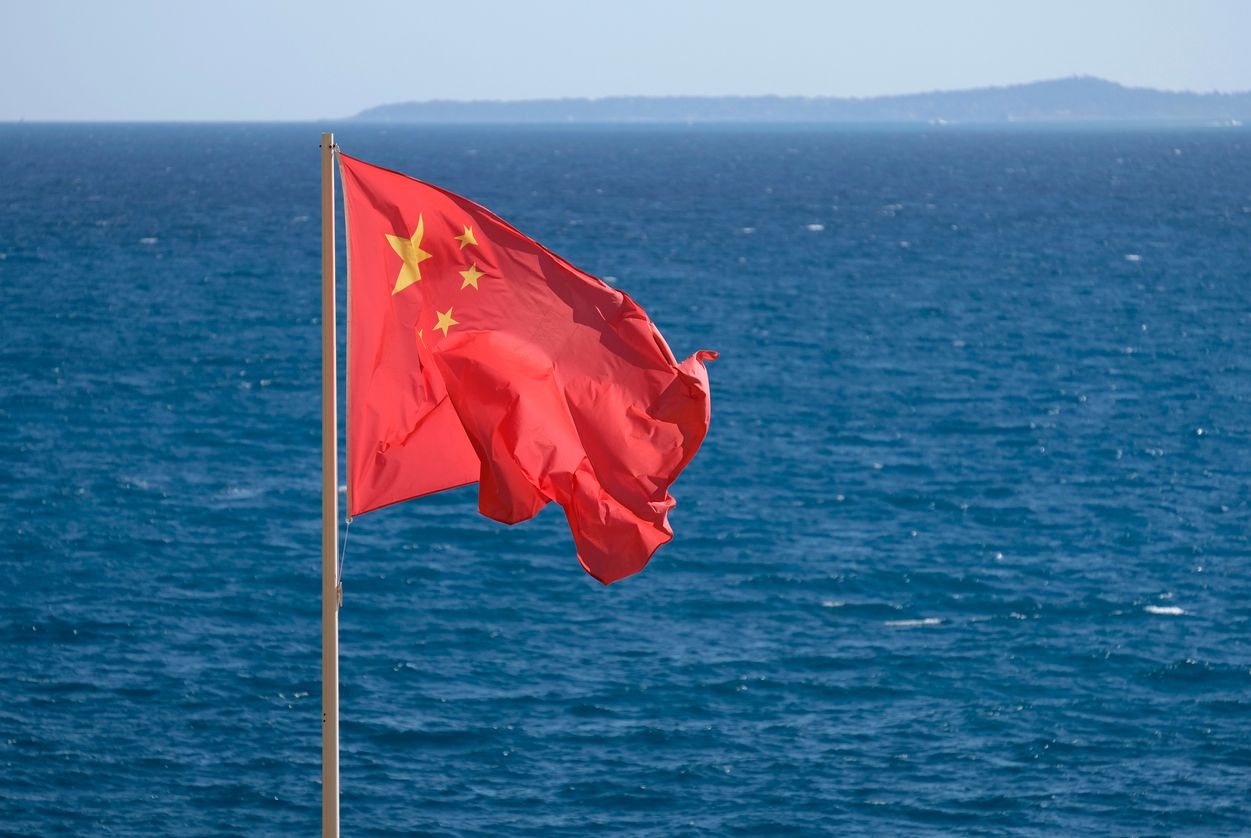
A Philippine Navy sailor was injured in a violent clash with Chinese Coast Guard vessels at the disputed Second Thomas Shoal on Monday (July 20) – prompting a terse response from Washington and overshadowing a gathering of ASEAN foreign ministers in Manila, where maritime security was already set to dominate the agenda. The clash landed alongside a second flashpoint: Japan lodged a formal diplomatic protest after China conducted live-fire drills, involving Russian vessels, inside what Tokyo considers its Exclusive Economic Zone (EEZ) near Okinotori Island – the first such exercise publicly acknowledged by Japan. Together, the two incidents mark one of the most active weeks yet in Beijing’s escalating maritime assertiveness across the Indo-Pacific.
A broader strategic pattern
These incidents are not isolated flare-ups; they point to a wider strategic pattern. Over the past decade, Beijing has come to view the East China Sea, the South China Sea and the waters surrounding Taiwan as a resource of significant military advantage. Under the nine-dash line established by China's Communist government in 1953, Beijing claims sovereignty over roughly 90 per cent of the South China Sea — a position rejected and asserted recently in a joint statement by 14 nations. Over the same period, China has steadily expanded the operational reach of its navy, coast guard and maritime militia across the region, including in waters surrounding Taiwan.
Neighbouring countries and Western powers contend that Beijing is using force to normalise its expansive territorial claims and to override international legal rulings, challenging the security status quo of the Indo-Pacific. Rather than relying on traditional military action, China has largely turned to so-called "grey-zone" tactics – deploying coast guard vessels and maritime militia, conducting sustained naval patrols, using water cannon and staging military exercises around disputed waters. This approach allows Beijing to gradually normalise a more permanent presence across contested maritime spaces without provoking a full-scale military response.
Escalating tensions with the Philippines
The latest clash with the Philippine Navy, in which a naval crew member was injured, is one of a series of similar incidents that have intensified since Ferdinand Marcos Jr assumed office in 2022. Under the Enhanced Defense Cooperation Agreement (EDCA), Marcos Jr revived large-scale joint military exercises with Washington and has become more vocal in challenging Chinese vessels near disputed reefs, particularly Second Thomas Shoal and Scarborough Shoal.
Washington has made clear that, under the US-Philippines Mutual Defense Treaty, any attack on Philippine armed forces, coast guard or public vessels would prompt US support for its ally.
The timing is significant: the clash and China’s live-fire drills inside Japan’s EEZ near Okinotori Island both coincided with ASEAN diplomats meeting in Manila. The clash overshadowed those talks, which came shortly after US Secretary of State Marco Rubio arrived in the Philippines, where ASEAN diplomats are also expected to address Myanmar’s ongoing pariah status amid its continuing civil war.
For more than two decades, ASEAN has sought to prevent South China Sea disputes from escalating into military confrontation while preserving unity among member states despite their differing relationships with China. The bloc has been slow to manage increasingly militarised disputes, creating space for external powers such as the US and Japan to deepen their regional security role.
Japan’s response
Under international law, military activity is not prohibited within EEZs, but Tuesday’s exercise amounts to a politically significant demonstration, and Japan has interpreted it as evidence of Beijing expanding its naval reach. Since 2022, Japan has undertaken its most significant defence policy shift since the Second World War, including committing to defence spending of around 2 per cent of GDP, acquiring counterstrike capabilities, and strengthening military ties with the US and regional allies. That shift followed China’s military modernisation, Russia’s invasion of Ukraine, and North Korea’s missile launches.
What’s at stake
The South China Sea connects North Asia with Europe and the Middle East. It carries roughly one-third of global maritime trade each year, sustains rich fishing grounds, and holds potentially significant oil and natural gas reserves. Military friction in these waters carries serious implications for regional security, global commerce and freedom of navigation – concerns shared well beyond Southeast Asia, which is why the US, the EU, Australia and NATO members have been vocal about preserving order in the region.
These flare-ups underline how maritime disputes have become entangled with broader trade and economic competition between Washington and Beijing. The US has strengthened ties with the Philippines through EDCA, deepened defence cooperation with Japan and Australia, and reinforced the Quad framework with India. Beijing views these developments as part of a wider US effort to contain China’s rise — and regional confrontations of this kind now carry more significant geopolitical consequences than they did a decade ago.