
US president Donald Trump has introduced new tariffs under Section 301 over alleged failures to curb forced-labour imports, a move expected to raise the cost of a vast array of imported goods. While crude oil and some essential commodities are exempt, the tariffs cover an overwhelming majority of US imports. “The United States has had a forced labour import ban for nearly a century, and rigorously enforces it,” US Trade Representative Jamieson Greer said in a statement, adding that trading partners were now expected to follow suit.
The forced-labour import ban targets goods made using coerced, trafficked or otherwise non-consensual labour anywhere in a supply chain. Under Section 307 of the Tariff Act, US Customs can block shipments suspected of using such labour, even without proof for each specific item. The Guardian reported that Trump, who never had a problem with sweat shop production in the developing world earlier, appears to be now utilising such labour rationales as a strategic measure to rebuild its tariff wall after the US Supreme Court struck down his previous emergency power duties. “The new measures effectively replace blanket 10 per cent tariffs that Trump imposed in February. The US supreme court ruled many of those were illegal,” the daily said.
The tariffs primarily affect economies that rely heavily on access to the US market – including China, Vietnam, Bangladesh, India, Mexico, Thailand and several EU countries – and are set to hit consumer goods like clothing and electronics hardest, along with the textile and machinery industries. Australia and Brazil have called the new tariffs unjustified and said they would seek to have them removed, while Norway said there was “no basis” for them.
Canada, hit on Monday with new tariffs on $20 billion worth of goods, issued a muted response. The timing compounds an existing squeeze. Global oil prices have surged past $100 a barrel for the first time in two months, as tensions climb in West Asia, driven by rising hostilities involving the US, Iran and the Iran-backed Houthis.
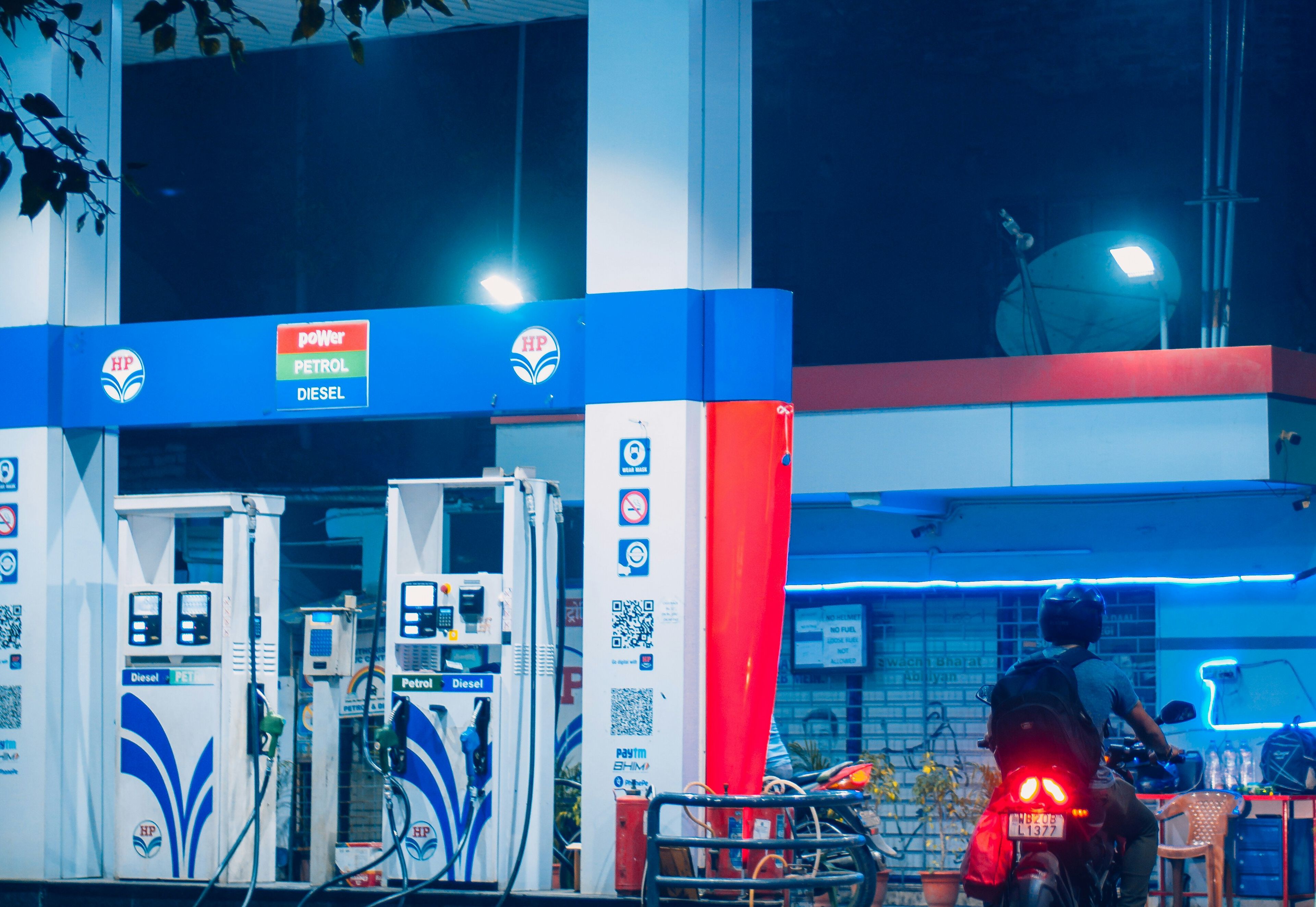
Fears of disruption to shipping through the Strait of Hormuz and the Red Sea – two of the world’s most critical energy corridors – have pushed prices higher, underscoring how geopolitical conflict can translate directly into fuel costs for consumers and businesses. Together, the tariffs and the oil shock could complicate efforts by governments and central banks to keep inflation under control.
Higher fuel prices raise the cost of transporting raw materials and finished goods; layered with new tariffs on imports, the pressure is likely to push businesses toward higher prices. "Stagflation risk has been very much there for each economy since March, in different ways," Alessia Berardi, head of global macroeconomics at Amundi Investment Institute, told Reuters.
Citi’s head of FX quant investor solutions, Kristjan Kasikov, said markets have historically been slow to fully price in swings in agricultural and energy commodities. Analytics firm Kpler estimates roughly a third of the world’s fertilisers pass through the Strait of Hormuz, suggesting food prices could stay elevated for longer – a particular risk for vulnerable emerging markets. India, which imports more than 85 per cent of its crude oil needs, is especially exposed to sustained rises in global prices.
That could push up domestic fuel costs and weigh on the rupee-dollar exchange rate. If state-owned oil companies and the government cannot absorb a prolonged price rise, the effect would trickle down through freight costs to grains, vegetables and other goods. The new US tariffs could also make it costlier for Indian exporters to sell into the American market, particularly those embedded in global supply chains – while pricier aviation fuel would push up flight costs, and fertilisers, chemicals and plastics grow more expensive too.Europe, still reliant on West Asian energy, faces its own squeeze.
Escalating conflict in the Red Sea and the Strait of Hormuz is pushing up war-risk insurance premiums on shipping, raising costs further and prompting some firms to reroute vessels around the Cape of Good Hope – adding yet more fuel expense. Layered with Trump’s tariffs, the combined effect is likely to ripple through global prices, hitting Europe, Japan, South Korea and developing economies across South Asia and Africa hardest. “Since everything relies on petroleum in our economy, for good or ill, if the cost of petroleum goes up, then everything else goes up as well,” Joe Adamski, managing director at ProcureAbility, told AP – a warning that extends to everyday essentials like food and clothing. Oil shocks have reshaped the global economy before.
The 1973 Arab oil embargo, imposed by OPAEC and targeted at the US, quadrupled prices and exposed the world’s dependence on West Asian energy. The 1990 Gulf War triggered another sharp spike as markets feared supply disruptions. Russia’s full-scale invasion of Ukraine in 2022 was the most recent shock to send the West scrambling for alternatives to Russian energy. Today’s combination of tariffs and conflict-driven oil prices may prove no less consequential.