
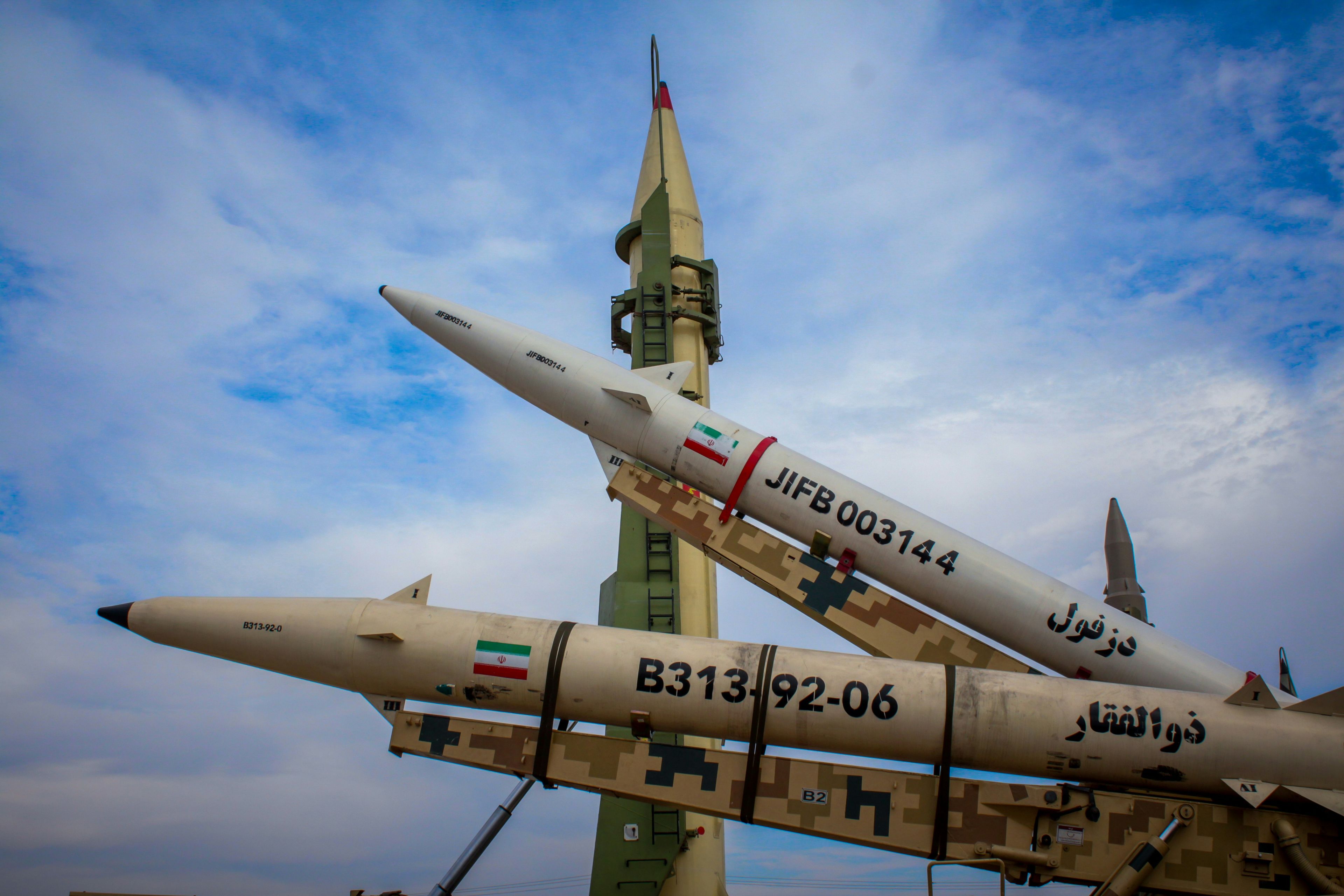
The United States has revoked the waiver it granted on Iranian oil exports, days after Iran attacked three commercial tankers in the Strait of Hormuz. The waiver, issued on June 22, 2026, had temporarily lifted sanctions on the production, delivery and sale of Iranian oil for 60 days — the first such relief since Washington first imposed sanctions on Iran's oil sector in 2018 under President Donald Trump. Its reversal, less than three weeks in, marks a sharp shift from economic leverage back to direct confrontation.
Iran's attack on the tankers prompted a US response of dozens of strikes, hitting air defence systems, command and control networks, coastal radar sites, and more than 60 Islamic Revolutionary Guard Corps (IRGC) positions. Iran retaliated with strikes on Kuwait and Bahrain. Speaking to reporters in Ankara, Trump said the interim agreement with Iran was over, though talks could continue.
The events coincide with the funeral of Iran's late Supreme Leader Ayatollah Ali Khamenei, attended without representation from Western governments.
The move by the US is notable as relief for Iran was believed to be a long-term diplomatic instrument. The memorandum of understanding tied to the waiver had also required Iran to reduce its uranium stockpile under IAEA supervision; that condition no longer carries the same incentive structure now that the relief has been withdrawn.
The sanctions had been intended to ease pressure on Iran's economy and reduce domestic unrest. With relief withdrawn, Iran may lean back to its existing channels for grey-market oil trade, including exports to China.
The tanker attacks, on the other hand, have renewed questions around maritime security and freedom of navigation in the Strait of Hormuz. Iran has directed shipping toward a designated "safe route" along its coastline and marked a section of Omani territorial waters as a restricted zone.
The reversal is also likely to have a cascading effect on oil-importing countries. India, for instance, may again turn to discounted Russian crude as Iranian supply options narrow.