
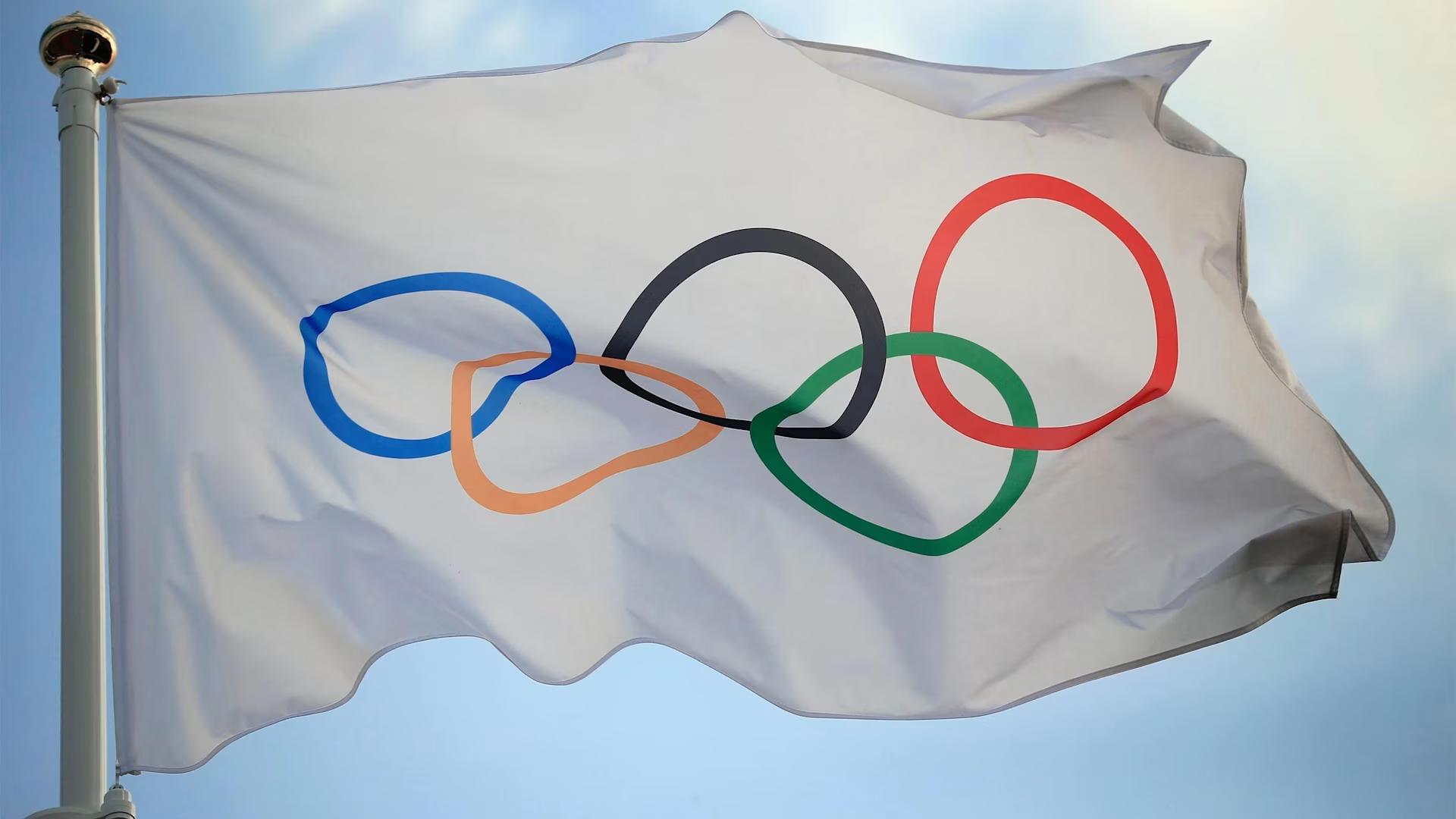
The International Olympic Committee (IOC), in a bureaucratic pivot, on July 7, announced it was provisionally lifting its suspension of the Russian Olympic Committee (ROC). The suspension was placed late in 2023. This was a direct result of Russian strikes on Ukraine in February 2022, resulting in a war that still remains ongoing. The IOC lifting suspension it placed on Russia, will give it a chance to qualify for the 2028 Summer Olympics, which will be held in Los Angeles. This could be a beginning to ending a long diplomatic isolation in sports history.
But, Russia still continues to get the cold shoulder, the IOC has not yet announced if Russia will be allowed to display its colours, flag, or have its anthem played at the games. Also, no Russian government officials will be invited to the Games and Russia cannot host any IOC-sanctioned events. The IOC backed its decision and noted that they didn’t want athletes to pay a price for the actions of their government.
The IOC, on its website, stated that they haven't changed its view on the Russian invasion of Ukraine. 'The IOC took a very clear stance against the invasion, strongly condemning it. This position remains unchanged. More broadly, the IOC condemns wars, armed conflicts and violence that cause human suffering wherever they occur. At a time of growing instability and division around the world, the IOC remains committed to promoting peace through sport among people and nations,' it read.
The IOC’s decision signals that long-term political, diplomatic and economic isolation of Russia might not be sustainable. The announcement also comes at the onset of the NATO Summit currently taking place in Ankara, where a major challenge is the possibility of the US pulling out of the alliance. And this gives fuel to speculation of whether the alliance is strong enough to stand up to Russia, without backing of the US.
The Ukrainian World Congress (UWC) has condemned the IOC’s decision and stated that the decision is an insult not only to Ukraine, but to humanity itself. After the IOC suspended Russia, the ROC severed ties with the sports councils in the regions it had occupied in Ukraine like Luhansk and Donetsk.
This isn’t the first time Russia has faced a ban from the Olympics. In 2016, Russia was partially banned–— some individual athletes were allowed to compete. In the 2018 Pyeongchang Winter Olympics, athletes who were cleared could compete under the banner of ‘Olympic Athletes from Russia’ (OAR). And in the 2022 Tokyo Olympics and 2022 Beijing Summer Olympics, athletes were banned from competing under its name and flag, owing to doping sanctions.
The end of Russian suspension is likely to grab more eyeballs from humanitarian groups as the war in Ukraine hasn’t ended. And while the Olympics might be the first domino in ending, or softening Russia’s isolation, it doesn’t mean Russia has been absolved.
This of course means something completely different for athletes. Generations of Russian athletes— swimmers, gymnasts, and wrestlers have remained in limbo due to varied political reasons that prevented them from competing. At this point, it would be interesting to note that while Western powers were all for isolating Russia, Asian nations and South American countries and Africa, never really cast Russia aside. While India continued to buy discounted Russian oil, African nations hosted Russian delegations, and the Middle East more or less, managed to strike a balance with relations on both sides.
What’s next— is FIFA and UEFA likely to lift their indefinite ban? Will this give way to Russian participation in business, environment and science summits and congregations? All this will definitely take time.
What’s to be noted is, global governance is turning multipolar. But, the West isn’t likely to ease its pressure on Russia yet. From Cold War boycotts to post-apartheid reconciliations, the Olympics has, set the tone for how international politics is shaped. For now, this may be viewed as a quiet crack in the wall that separates Russia from the rest of the world.