
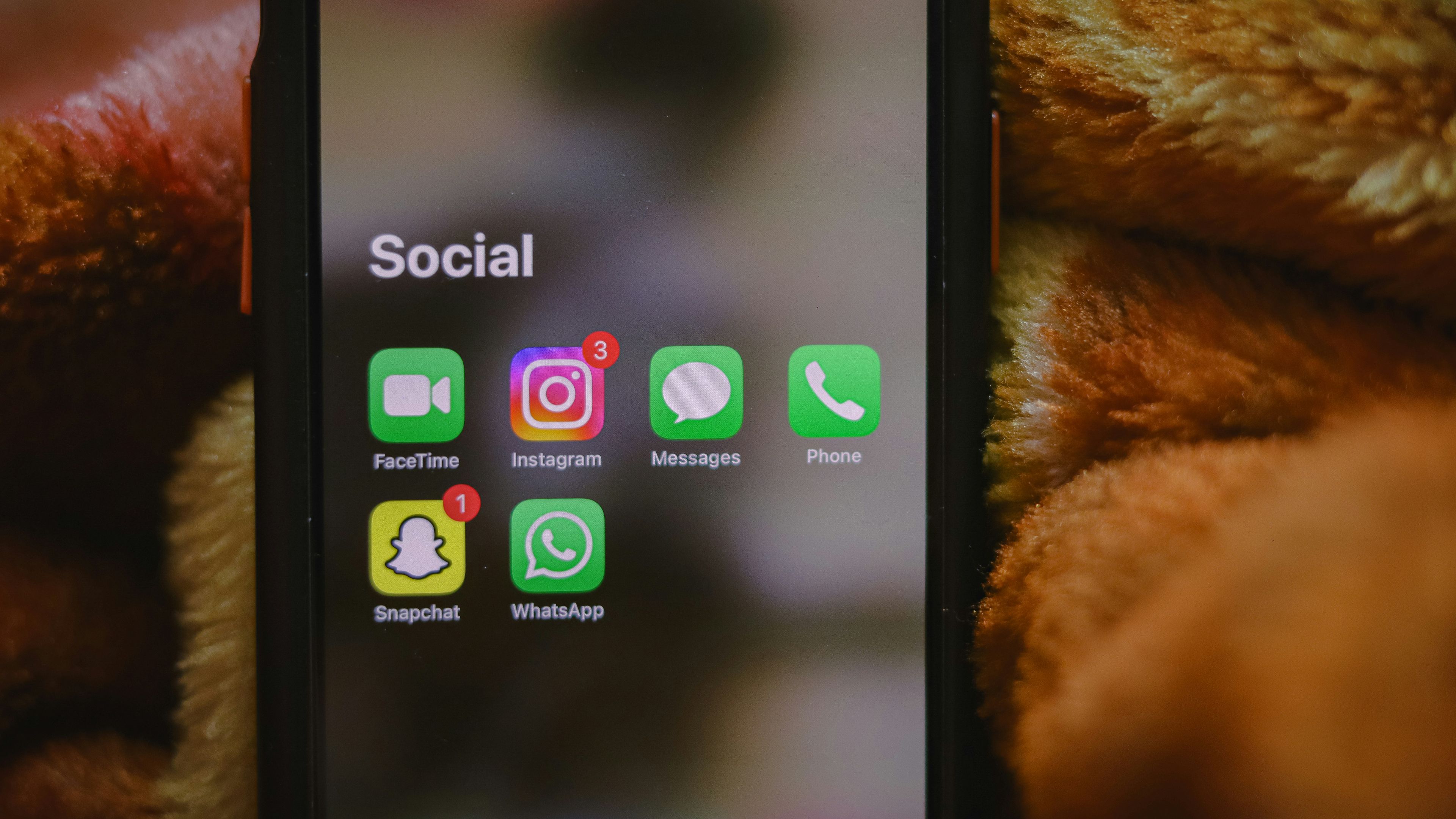
In what clearly signals deepening ties with China, the Pakistan army on Wednesday, August 5, adopted WeChat, the Chinese messaging app, and prohibited WhatsApp for official use. The move comes just months after Operation Sindoor, when Pakistan leaned on Chinese-supplied air defence, radar and satellite systems for support.The army has issued a diktat ordering officers to stop using WhatsApp, citing surveillance, data-leak and hacking risks tied to Western-owned platforms.
It echoes concerns that first surfaced in 2019, when Pakistani officials’ phones were reportedly compromised through a WhatsApp vulnerability exploited by an Israeli spyware – an episode that pushed Islamabad to look for alternatives for sensitive government communication. Personnel have now been told to move official conversations onto WeChat instead.
The decision reflects Pakistan’s growing focus on securing military communications amidst rising cyber threats, and on deepening China-Pakistan defence and cyber cooperation. Over the past two decades, Beijing has become Islamabad’s largest arms supplier, and Pakistan is China’s biggest arms client, taking 61 per cent of all Chinese weapons exports, as per SIPRI data. That includes fighter jets, air defence systems, frigates, submarines and armed drones. Indian military officials estimate Chinese equipment makes up 81 per cent of the hardware in Pakistan’s fleet.
Operation Sindoor showed just how deep that dependence runs. Beijing has since acknowledged, through a state broadcaster interview with engineers from the Aviation Industry Corporation of China, that its personnel provided on-site technical support to the Pakistan Air Force during the conflict – though it has not confirmed the specific equipment failures Indian officials have described. The two militaries also run joint exercises – the “Warrior” counterterrorism drills and “Sea Guardians” naval exercises – alongside periodic air force drills, intelligence-sharing and cybersecurity cooperation, under their “all-weather strategic cooperative partnership”.
Super App
WeChat itself is no ordinary messaging app – it is China’s “super app”, and arguably Tencent’s most consequential export. Beyond messaging, voice and video calls, it houses “mini-programmes” – lightweight apps-within-the-app that let users hail a taxi, order food, book a doctor’s appointment or shop online without ever leaving WeChat, functioning, in effect, as an operating system layered over daily life.
Its 1.4 billion monthly users make it the default digital environment in China, folding social identity, commerce and public services into one platform.That reach is matched by its role in China’s money supply. WeChat Pay, alongside rival Alipay, processes the overwhelming majority of the country’s mobile transactions and has all but replaced cash in Chinese cities – from splitting a restaurant bill to paying utility bills and public transport fares. Both platforms are now wired directly into the state financial system: China’s central bank has integrated its digital yuan, or e-CNY, into WeChat Pay, letting users spend the sovereign digital currency through the same wallet, while Tencent’s payment arm works alongside state-backed lenders such as the Industrial and Commercial Bank of China and the Bank of China.
WeChat, in other words, isn’t just a communications platform sitting outside China’s financial architecture – it is one of its principal rails, giving Beijing and its banking system a direct channel into how ordinary transactions move. For the Pakistani army, that scale is precisely the appeal: one platform that folds messaging, payments and administrative functions into a single, tightly controlled ecosystem, run by a state that it now considers a more trusted technology partner than the West.
That logic sits in sharp contrast to India’s own approach: ban rather than adopt. India banned WeChat, TikTok and 57 other Chinese apps in 2020 after troops clashed at Galwan, citing threats to sovereignty and security, and went on to block more than 300 Chinese-linked apps over the following two years on data-privacy grounds.
A regional pattern
Pakistan’s pivot isn’t an isolated episode – it fits a wider regional pattern. Nepal has drawn closer to Beijing through Belt and Road infrastructure and deepening political engagement, unsettling India along its Himalayan border. Bangladesh, under its post-Hasina administration, has elevated ties with China, agreeing to expand defence cooperation and establish a structured diplomatic and defence dialogue, including Chinese involvement in infrastructure projects near India’s sensitive Siliguri Corridor.
Together, Pakistan, Nepal and Bangladesh’s growing alignment with Beijing is steadily reshaping the regional balance around India. Countries, in short, are shaping their digital ecosystems around strategic partnerships and national-security interests. India, even as it presses Beijing to address trade imbalances, has deepened its own technology partnerships with Japan and the US on semiconductors, AI and supply-chain resilience – a parallel track that underscores how differently the region’s players are hedging against the same rising power.