
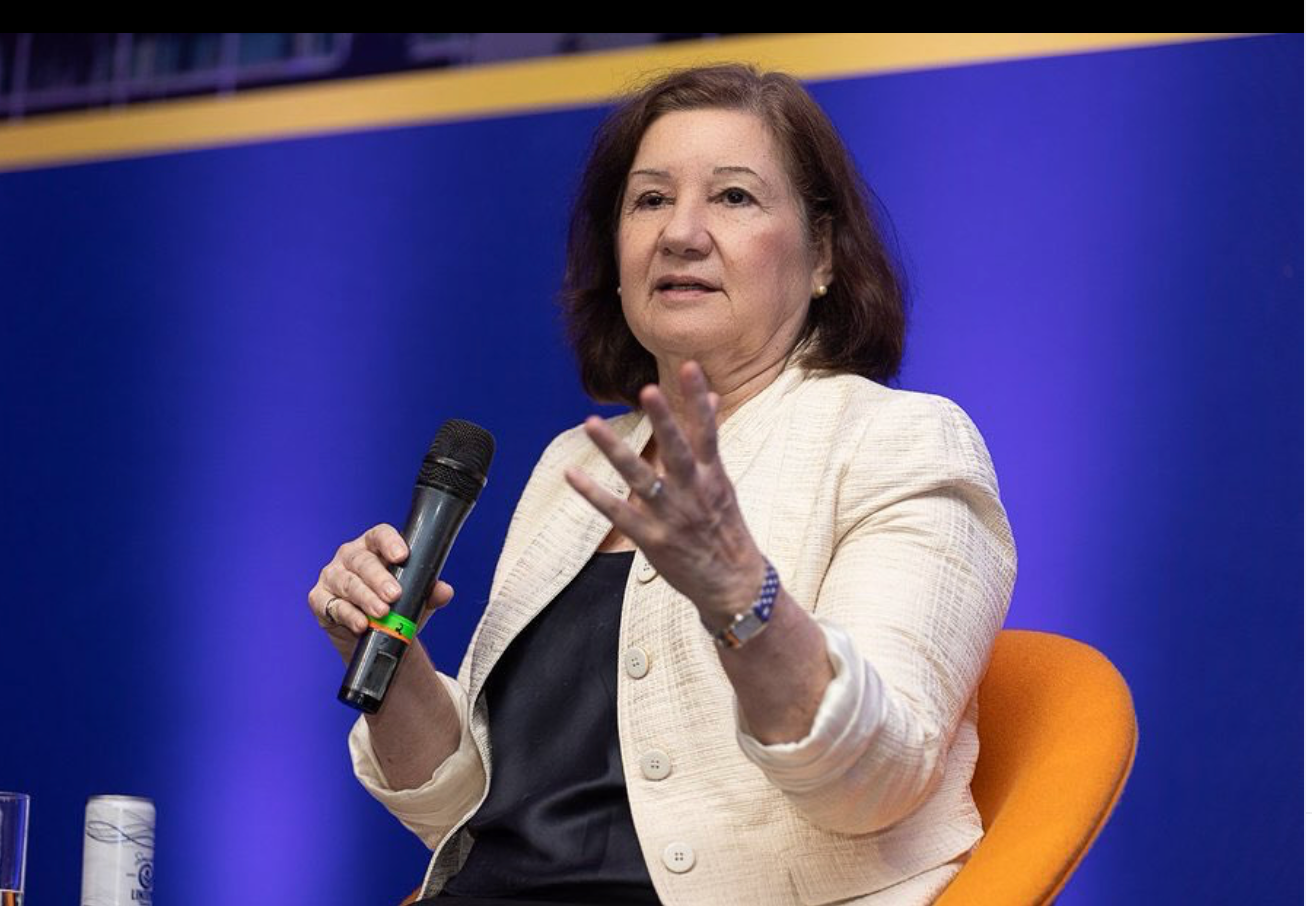
The Trump administration has revoked the US visa of Brazil’s ambassador to Washington, Maria Luiza Ribeiro Viotti, marking the sharpest escalation yet in a months-long diplomatic rift between the two countries. A senior State Department official told reporters the move was taken in reciprocation for Brasília’s delay in approving President Donald Trump’s nominee for ambassador to Brazil, Daniel Perez, the Florida House Speaker.
Washington was, however, cautious to draw a distinction: officials said Ribeiro Viotti had not been declared “persona non grata”, and that cancelling her visa “is not the same thing as kicking the person out of the country”. The official added that Brazil had signalled its approval of Perez’s appointment would likely be delayed until after October’s election, and accused Brasília of having “continually delayed and obfuscated” despite weeks of engagement.
Brasília responded within hours. The Brazilian presidency repudiated the decision outright, dismissing Washington’s justifications as “false” and calling it “hostile escalation”. It said the move reflects a deliberate pattern of hostile measures driven by ideological motives incompatible with a bilateral relationship built on mutual respect. The government also turned the interference accusation back on Washington, arguing the move betrayed an “unwarranted interest” in the upcoming election.
On the Perez nomination, Brazil disputed the US account of events, noting that the agreement process is confidential by convention and that Washington had publicly named its nominee before formally submitting the request through proper channels. It separately stood by its decision to deny visas to the two American officials in July, maintaining they had intended to question the integrity of Brazil’s electoral system.
The Foreign Ministry confirmed the visa move to domestic broadcaster Globonews, while Lula, who had earlier condemned a similar visa revocation involving his justice minister Ricardo Lewandowski as “irresponsible”, has cast the episode as part of a broader refusal by Washington to treat Brazil as an equal.The dispute traces back to late July, when Brazil denied visas to two US officials from the State Department’s Bureau of Democracy, Human Rights and Labor, who had sought to visit ahead of the elections.
Brasília had said then that the decision rested on “evidence pointing to renewed attempts to politically exploit the situation”. Brazil has consistently maintained that matters relating to its elections should be handled solely by its own democratic institutions, without outside involvement. Under Trump’s second term, Washington has also imposed tariffs on a range of Brazilian exports, claimed as necessary to protect American industry and address trade imbalances.
The president has openly backed Senator Flávio Bolsonaro, son of jailed former President Jair Bolsonaro, fuelling concern within President Luiz Inácio Lula da Silva’s government that Washington is taking sides ahead of the vote. Washington has also clashed with Brazil’s judiciary over free speech and the treatment of right-wing figures, particularly the criminal investigation and subsequent 27-year sentence handed to Jair Bolsonaro over an alleged 2022 coup plot.
Brazil regards this criticism as interference in its domestic affairs.The row comes months before Brazil’s presidential election in October 2026, in which Lula is seeking a fourth term against Flávio Bolsonaro, who has emerged as the leading conservative candidate since his father’s imprisonment. The contest has largely centred on democratic institutions, sovereignty, the economy and Brazil’s place in global affairs, and Lula’s government has pointed to US criticism of its electoral system as evidence of unwarranted foreign involvement.
Washington has a long history of intervening in Latin American politics. In 1954, the CIA backed a coup that overthrew Guatemala’s democratically elected president, Jacobo Árbenz. Nearly two decades later, in 1973, the US supported the coup in Chile that saw General Augusto Pinochet overthrow socialist President Salvador Allende. Through the 1980s, Washington also armed the Contra rebels fighting Nicaragua’s Sandinista government and backed El Salvador’s government in its civil war against left-wing guerrillas.
Washington insists the latest visa revocation is simply reciprocal. But it illustrates how relations between the Trump and Lula administrations have shifted from disputes over trade and foreign policy to a broader contest over elections, diplomacy and national sovereignty.