Gisèle Pelicot thought she was developing Alzheimer’s. She was living with her husband in a French village. They had three children, 47 years of marriage, and from the looks of it, a peaceful retirement together.
But the blackouts with no memory, severe weight loss, and profound fatigue, she discovered, were because her husband was drugging her, raping her, and had recruited 72 men to do the same.
He had documented the abuse in a folder titled ‘Abuse’. Over 20,000 images and videos, alongside a folder titled ‘My Naked Daughter’, were discovered by police when he was arrested at a supermarket for secretly filming women’s skirts.
When Gisèle looked at these images and videos, she did something most women in her situation do not: she waived her right to anonymity – a legal norm globally meant to protect rape victims from stigma. She claimed that shame needed to change sides. It was not hers to carry, but her husband’s, and the men he had recruited to rape her.
Whose shame was it? The French media called the bearer of this shame “Monsieur Tout-le-Monde”, or ‘Mr. Everyman’. These men, aged 26 to 74, were truck drivers, nurses, a prison guard, a banker, soldiers, a local journalist, IT workers, carpenters, a fireman. The women who demonstrated on the streets of France saw themselves in Gisèle. They held signs reading “Toutes Gisèle” – We are all Gisèle. It could have happened to any of them, and it could be happening to some of them right now, in varying degrees.
As far as the perpetrators were concerned, they had connected on an adult chatroom platform called “A son insu”, or “Without her knowledge”, where Dominique, Gisèle’s husband, shared videos of his wife being raped while unconscious, advertised that she was ‘deaf as a post’ and would not wake up. He then invited other men to their home to have sex with her after crushing sleeping pills into her food and drinks, while filming the sexual assaults. Gisèle was unaware for years that her husband was drugging her and subjecting her to sexual assault. She only realised she was a victim after police showed her images and videos recovered from her husband’s laptop.
The platform, Coco.fr, received over 500,000 visits a month. It hosted multiple chatrooms, some glorifying sexual violence, until it was shut down – but resurfaced as Cocoland in April. There are many Gisèles and Dominiques, and other such websites and groups that get tens of millions of views every month, as CNN reported earlier this year in an exposé called Rape Academy.
Research suggests that three out of four pornography users are men, but the ratio among those with compulsive use could be as high as 5:1, male to female. Dominique himself spent significant time consuming pornography, called himself an addict, and frequented predominantly male-dominated platforms like Coco.fr. Pelicot’s case, the Rape Academy exposé, and anecdotal evidence on the gendered nature of pornography consumption among adults, teenagers, and kids point to two facts: online and offline adult entertainment is now a nearly US$100 billion industry – for perspective, larger than the global music industry and film box office combined, both under US$40 billion each – and the growing normalisation of pornography consumption is becoming a cause of abuse, violence, and crimes against women.
A new violent sexual script has emerged
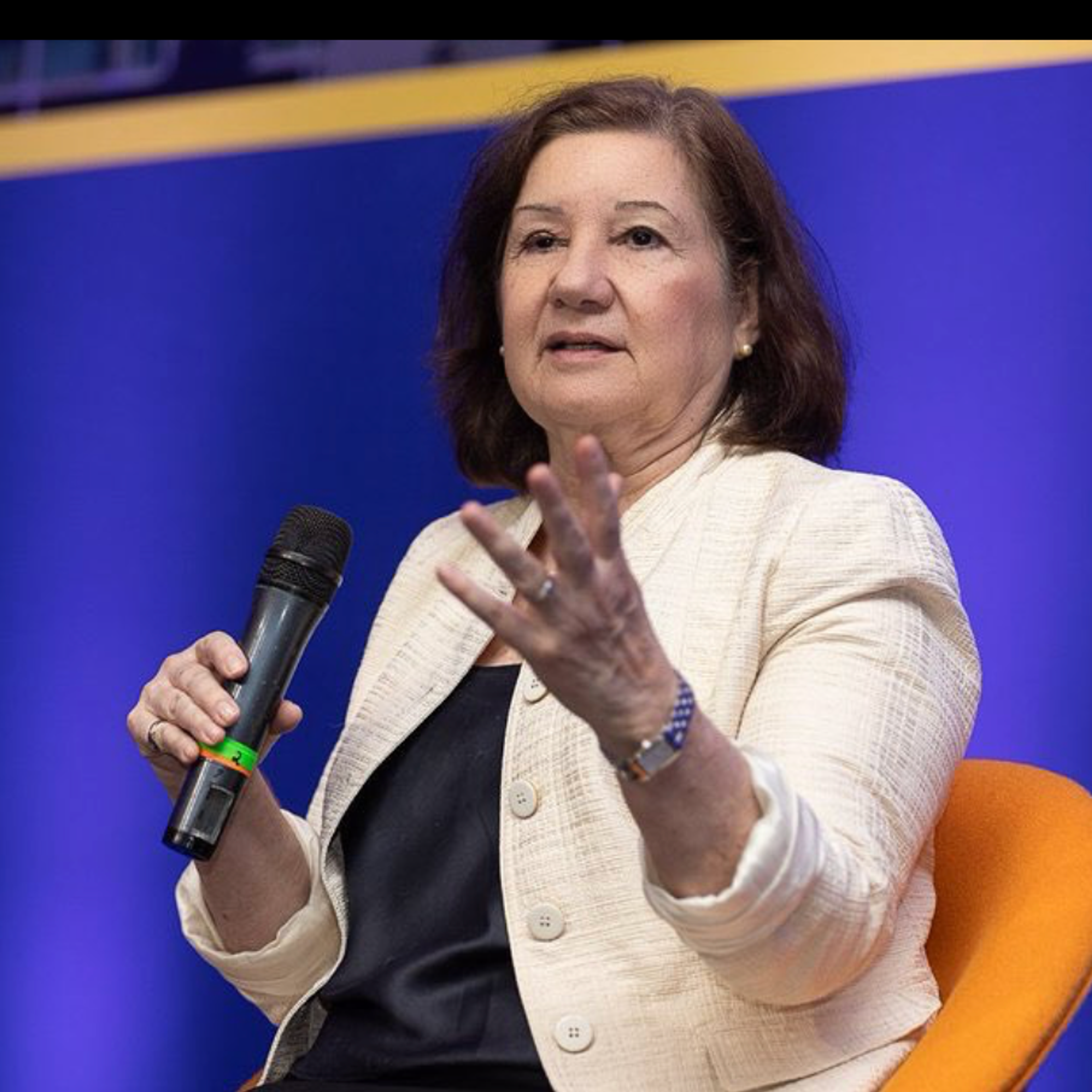
Sexual violence is now normal, on screen and off. And it disproportionately harms girls, women, and children, said Maree Crabbe, an Australian educator and researcher who created It's Time We Talked, a resource programme used in Australian schools to help young people critically engage with pornography’s influence on their understanding of sex, relationships, and consent.
Crabbe, who has spent decades studying content that leads to violent practices like choking or strangulation, said what young people are exposed to is deliberately degrading or humiliating, non-consensual, and highly gendered in its aggression – mostly directed at women.
Some studies now suggest over a third of teenagers in the UK either strangled their sexual partners or have been strangled themselves – an act that can cause loss of consciousness, even death. Effects range from short-term issues like neck pain and dizziness to major health issues including difficulty swallowing, seizures, anxiety, incontinence, and miscarriage. Strangulation can even cause stroke in women under 40, since it restricts blood and airflow to the brain; practised regularly, it can cause long-term damage to developing brains, impairing cognitive processing. Most adolescents are unaware of the harm they are doing or tolerating, having witnessed only an on-screen version of the act.
“This aggression in pornography is met with the woman either being neutral or positive. The message that the viewer gets is that girls and women like it when men gag them, choke them, spank them. This is normalising violence in sexual relationships among young people,” Crabbe told NWS.
The overall pornographic content, shaped by algorithms designed to capture and maintain attention, is also getting more extreme.
“What captures people’s attention is not respectful, safe, consenting, negotiated, and mutually pleasurable sex – it’s the outrageous things. The popular themes include gender aggression, incest, child abuse, strangulation, racism. All these shocking social taboos are just a normal part of the porn stream,” she added.
This is affecting children who are exposed to pornography. After working extensively with teachers, parents, and youth workers, Crabbe has seen an increase in children aged 10 or under engaging in penetrative offences against other children after watching porn videos.
Children at Risk Ireland (CARI), a specialist charity providing therapy to sexually abused children, has observed a similar link between children’s exposure to pornography and the sexual abuse of other children.

Finally, what’s termed ‘rough sex’ in pornography – including unsafe anal sex – is showing up in the real world. “I’ve interviewed pelvic floor physiotherapists who talk about an increase in faecal incontinence among young women, because their partners are having aggressive anal sex with them, and leaving them unable to manage their bowel movements,” Crabbe said.
Unlike Gisèle, these cases rarely reach police and courts. But social workers like Crabbe, researchers, and civil society are increasingly witnessing a rise in sexual violence traceable to pornography content that adolescents consumed without any knowledge of the consequences.
When demonstrators in France said “We are all Gisèle”, they weren't only referring to the lived experience of sexual violence, but to a rise in image-based violence too.
Trauma occurs once, but the images live forever
The crime, usually committed by a former sexual partner who shares intimate images online without consent to cause psychological, financial, or reputational damage, is commonly known as revenge porn. The UK started a Revenge Porn Helpline in 2015; calls have grown 40-fold since. The sharing of non-consensual intimate images is overwhelmingly (97 per cent) an offence committed against women. Among victims, studies report considerable emotional, social, and work-related stress; nearly half contemplate suicide, and more than a third say it has negatively impacted their career.
It isn’t only former partners who are at risk when a relationship breaks down. A particularly violent manifestation of image-based violence targets sex workers. Pornography, in fact, has now become “prostitution with a camera”, said Melissa Farley, clinical psychologist and founding director of Prostitution Research & Education in San Francisco, who has researched prostitution, trafficking, and pornography across dozens of countries.
She shared with NWS her 2023 study, Pornography Production Harm in Sweden: Filmed Prostitution is Inseparable from Non-Filmed Prostitution, which quotes a pimp who filmed a session between a sex worker and a buyer: “If you film, you are not buying a whore, you are producing a movie.” Pornography, the study argues, now carries the same exploitative dangers as prostitution.
Based on over 100 interviews, 89 per cent with women, the study found pimps had one primary motivation – maximising profit – and filmed rapes and abuse that fetched higher prices online. Sixty-four per cent of participants had been filmed or photographed without consent; 71 per cent were coerced into performing acts they didn’t want to. Most suffered PTSD, dissociation, injuries, and self-harm.
Many believed pornography could cause more harm than prostitution itself – a record that stays with them forever, even after leaving. One woman quoted in the study said the films could resurface years later and destroy everything: relationships, jobs. Fifty-four percent of interviewees had been threatened via text, and 39 per cent had been doxed – a term porn users use for finding someone’s personal information and releasing it to family or employers.
Overall, the perpetrators of these crimes are ordinary boys and men who often don’t realise they’re committing one – that creating AI-based images or sharing sexual images and videos online without consent is itself a criminal act. UNICEF has recognised an alarming rise in AI-generated sexualised images of children, now affecting an estimated 1 in 25 children, according to a joint UNICEF, ECPAT, and INTERPOL study across 11 countries. UNICEF has called on governments to expand the definition of child sexual abuse material (CSAM) to include AI-generated content and criminalise its creation, procurement, possession, and distribution; on AI developers to prevent misuse of their models; and on digital companies to prevent circulation.

Even in Gisèle's case, several perpetrators said they believed they were re-enacting a scenario popular on porn sites: the ‘sleeping woman’. The youngest maintained his innocence, telling the court he didn’t intend to rape her. The court psychiatrist noted he had been addicted to pornography from a young age, which likely blurred the line between reality and fantasy.
“These are young people who are constantly subjected to scenarios where women are reduced to objects…Dominique Pelicot suggests a sleeping princess 30 minutes away, and Charly A. was able to go from screens to an inert body. But that is in no way an excuse,” the court psychiatrist told the French Court. Many of the young perpetrators of the sexual assault represent a generation losing the distinction between reality, fantasy, informed consent, abuse, and crime.
Girls and women are paying the price.
The circle of porn, to abuse, to images, to porn
It would take decades of research to establish whether compulsive consumption of violent pornography by boys and men directly increases violence against girls and women – that would require analysing the variables, circumstances, and conditions involved. But on the surface, a correlation seems clear. Dominique spent much of his post-retirement time consuming pornography before the drugging, raping, recruiting, and filming began.
Recent research shows exposure to pornography is starting earlier, that boys consume more of it than girls, and that this consumption may be exacerbating violence. Last year, UNICEF published a report collating several surveys of adolescents in Europe. One found the average age of first exposure to sexually explicit content was 13.8 years. Though the study stopped short of calling pornography a direct cause of increased violence, it found that pornography reinforces “harmful stereotypes” about how girls and boys are expected to behave and “may exacerbate violence”.
Another study in the same report, of more than 4,500 teenagers aged 14-17, found boys were far more likely than girls to watch online pornography – and that boys who did so regularly were more likely to have perpetrated sexual coercion and abuse, sent unsolicited sexual images or messages, and hold negative gender attitudes.

In Japan, voyeurism cases involving minors – known as upskirting, using a smartphone to photograph up a girl’s skirt in public, with images often shared online – surged nearly six-fold in 2024 and have continued to grow since.
Speaking with NWS, Ronald Weitzer, Professor Emeritus at George Washington University and an expert on the sex industry, with a particular focus on US policy and law enforcement around prostitution and trafficking, acknowledges that websites and groups exist online where violent, abusive content – including child sexual abuse material – circulates. But he believes pornography itself, too broad a category to be labelled “the problem”, isn’t the real issue; it has existed and been regulated for a long time, and its effects on the population at large shouldn’t be generalised.
Weitzer instead blames the rise of misogyny within incel culture for growing sexual violence, both online and offline. Websites catering to incels let similarly minded men articulate grievances about women to each other, he said – a subculture that has become a powerful force indoctrinating boys and men who have had little luck with women.
The deeper problem, he concluded, is a basic gap in access to scientifically backed sex education that prioritises consent, mutual respect, and knowledge of consequences – largely absent or superficial in most high schools, and insufficient to counter what young people are already exposed to on social media.
Gisèle herself said in her closing court statement that it was time for a “macho, patriarchal society that trivialises rape” to change. In her memoir, published earlier this year, A Hymn to Life: Shame Has to Change Sides, she reiterates that it is time to shame those committing sexual violence, violating consent, and causing harm – not the girls and women they are trying to shame.
Governments, too, are acting to protect girls and women, punish perpetrators more proactively, and prevent sexual abuse in any form.
The authorities are reacting, but slowly
Weitzer, however, believes governments have reacted too late. The social media bans for teenagers enacted in Australia and the UK, he says, came a decade too late: “15-year-olds, 12-year-olds should never have been watching the kind of content they did, and normalised that as an appropriate way to have sex with another person.”
The bans may still prevent adolescents from accessing pornography, and even prevent porn-influenced violence, going forward. In the meantime, police charging for image-based violence has stayed low in most countries, even as laws have been enacted in recent years. The US, for instance, passed the Take It Down Act last year to curb image-based sexual abuse (IBSA) – also known as revenge porn or digital sextortion.
Refuge, the UK’s largest specialist domestic abuse organisation, studied over 20,000 recorded intimate image abuse offences over five years. It found the victim was female in 76.2 per cent of cases, with numbers rising – yet concluded the police charging rate was around 4.8 per cent.
Crime agencies have begun coordinating more actively to find men who drug and abuse their partners as Dominique Pelicot did. Britain’s National Crime Agency, alongside several other law enforcement bodies, last week uncovered an international network of hundreds of men drugging and raping women and exchanging footage of the abuse. The investigation is ongoing.
Enforcement of laws meant to prevent and punish violence against women has, overall, been abysmal. Pornography, groups sharing violent content, and specialist websites on various taboo subjects remain largely unregulated – as, until recently, did incel subculture.
Last year, following extensive coverage of Gisèle’s case, a French think tank examined the socio-cultural layers of the misogynistic worldview that such pornography represents, acknowledging that digital attacks have become one of the main vectors of gender-based violence worldwide – increasingly extreme, sexualised, and coordinated. The Gender in Geopolitics Institute, an independent Paris-based think tank, described the tens of thousands of men sharing real or fake pornographic images of women – sometimes their own family members – on Facebook groups, WhatsApp, or Telegram as part of a systemic violence against women representing an explosion of masculinist discourse.
Earlier this year, the French government acknowledged it was falling worryingly behind in identifying and tackling masculinism, warning that hatred of women can lead to violence and even terrorism – and that 17 per cent of the French population adheres to “hostile” sexism, which devalues women and justifies discrimination and violence.
Governments globally are coming to terms with a worldview that is growing in popularity and political influence, as girls and women increasingly see themselves in Gisèle's story.