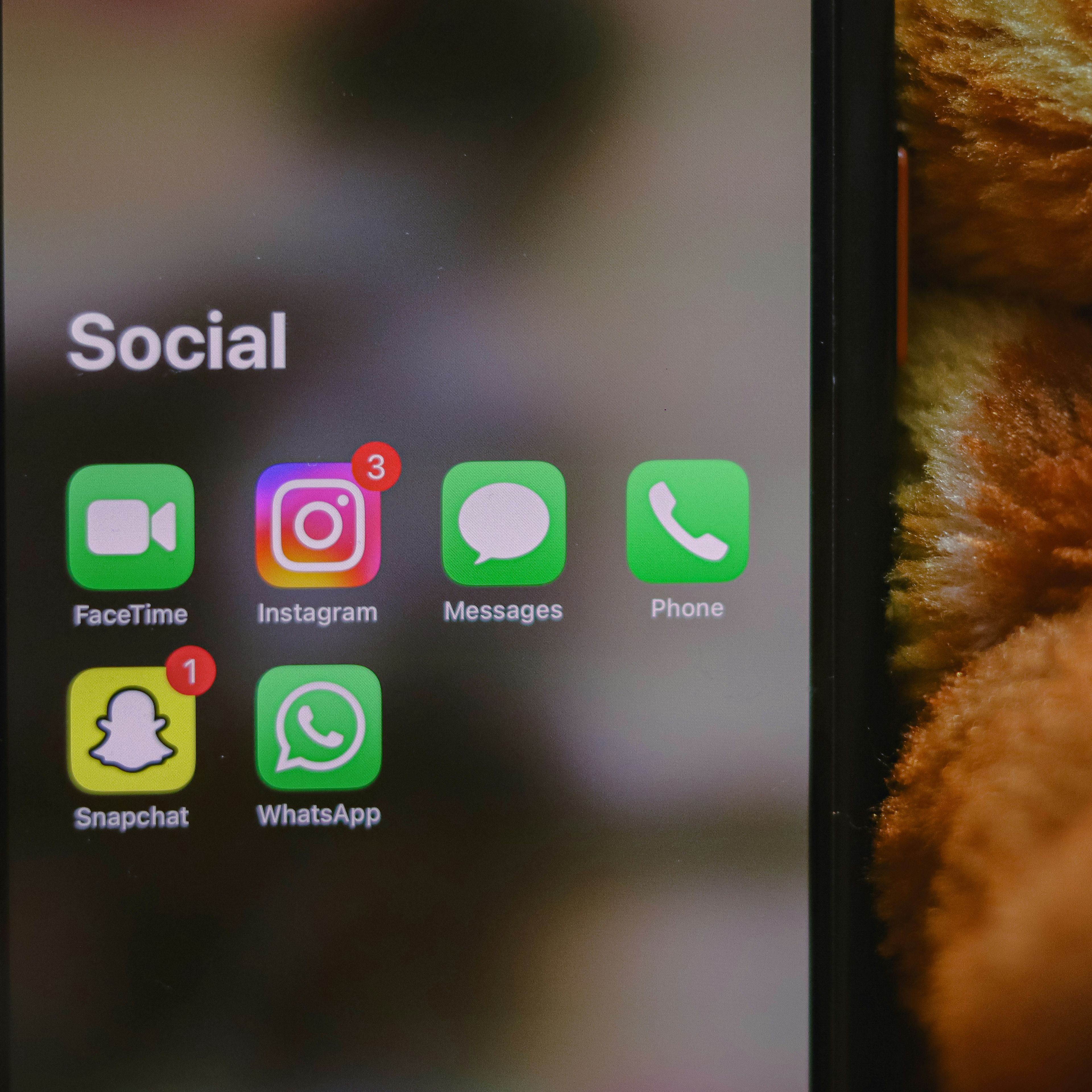

A New Mexico court ordered Meta to pay US$567 million for “public nuisance” and “child harm”, a ruling that came weeks after separate investigations accused the company of failing to stop child sexual abuse material from circulating on Instagram in India. Meta says that it will appeal against the ruling.“We disagree with the ruling and will appeal,” the company said in a statement, adding that it works “hard to keep people safe” and has “been transparent about the challenges of identifying and removing bad actors and harmful content”.
Thursday’s (August 6) judgment follows a March ruling in which a jury found Meta liable for endangering children by making them vulnerable to predators on its platforms, fining the company US$375 million for violating New Mexico’s Unfair Practices Act after finding it misled consumers about child safety. The two rulings bring Meta’s liability in the state to US$942 million. New Mexico Attorney General Raul Torrez sued Meta – parent company of Facebook, Instagram, and WhatsApp – in 2023.
At trial, prosecutor Linda Singer told jurors that Meta’s algorithms directed adults toward content posted by teenagers and children, and that the company concealed internal findings about the risks to young people. The state argued that features like infinite scrolling, autoplay, algorithmic recommendations, and push notifications pushed young users into excessive use. Evidence included testimony from former Meta employees, law enforcement officials, child safety experts, and educators.
“This case has always been about protecting children, standing up for families, and making sure that one of the world’s largest technology companies cannot profit from practices that endanger young people without consequence,” Torrez said. “Today’s decision is a victory for every parent who has worried about what social media is doing to their child and every child who deserves to grow up safer online.”Judge Bryan Biedscheid’s order directs US$567 million into a fund for the mental health effects of social media on young people, with most going towards direct treatment and the rest split between screening and assessment, prevention campaigns, and referral and coordination programmes. He also ordered Meta to enforce stronger age-verification measures, restrict interactions between adults and minors, add controls on notifications, delete personal data collected from users under 13, and provide regular compliance reports.
The India findings
The ruling comes weeks after a BBC-led investigation found paid ads on Instagram that promoted child sexual abuse material in India. The ads used terms like “rape video” and “child video” and linked users to the Telegram messaging app, where the material could reportedly be bought for as little as INR 99, or about US$1. After the investigation was published, the Indian government summoned Meta representatives. On August 4, India’s National Commission for Protection of Child Rights (NCPCR) opened an inquiry into allegations related to the advertisements, which contained Child Sexual Exploitative and Abuse Material (CSEAM).
India’s Ministry of Electronics and Information Technology ordered Meta to disable the ads and explain how they had passed its review systems – a particularly damning detail, since these were paid ads that moved through Meta’s advertising infrastructure. Brian Boland, a former Facebook vice president who worked at the company from 2009 to 2020, said that he left the organisation because he believed that “they didn’t care about users anywhere”. He said Instagram’s algorithm was designed to keep users on the platform by showing them “something more extreme, more tantalising”. “It’s not like an algorithm that says ‘let’s make people paedophiles’”, Boland said, “but because they’re not responsibly guiding and controlling it – and it’s just pursuing the goals of revenue and clicks – it will create these outcomes if people aren’t being truly, aggressively protective over these systems.”
A separate Wired report uncovered dozens of ads featuring AI-generated child sexual abuse material that reached thousands of users via Threads, Facebook, and Instagram before being removed. The developments in New Mexico and India show how financial penalties can reshape how social media platforms operate – and how judicial institutions are increasingly willing to supervise these advertising systems directly.