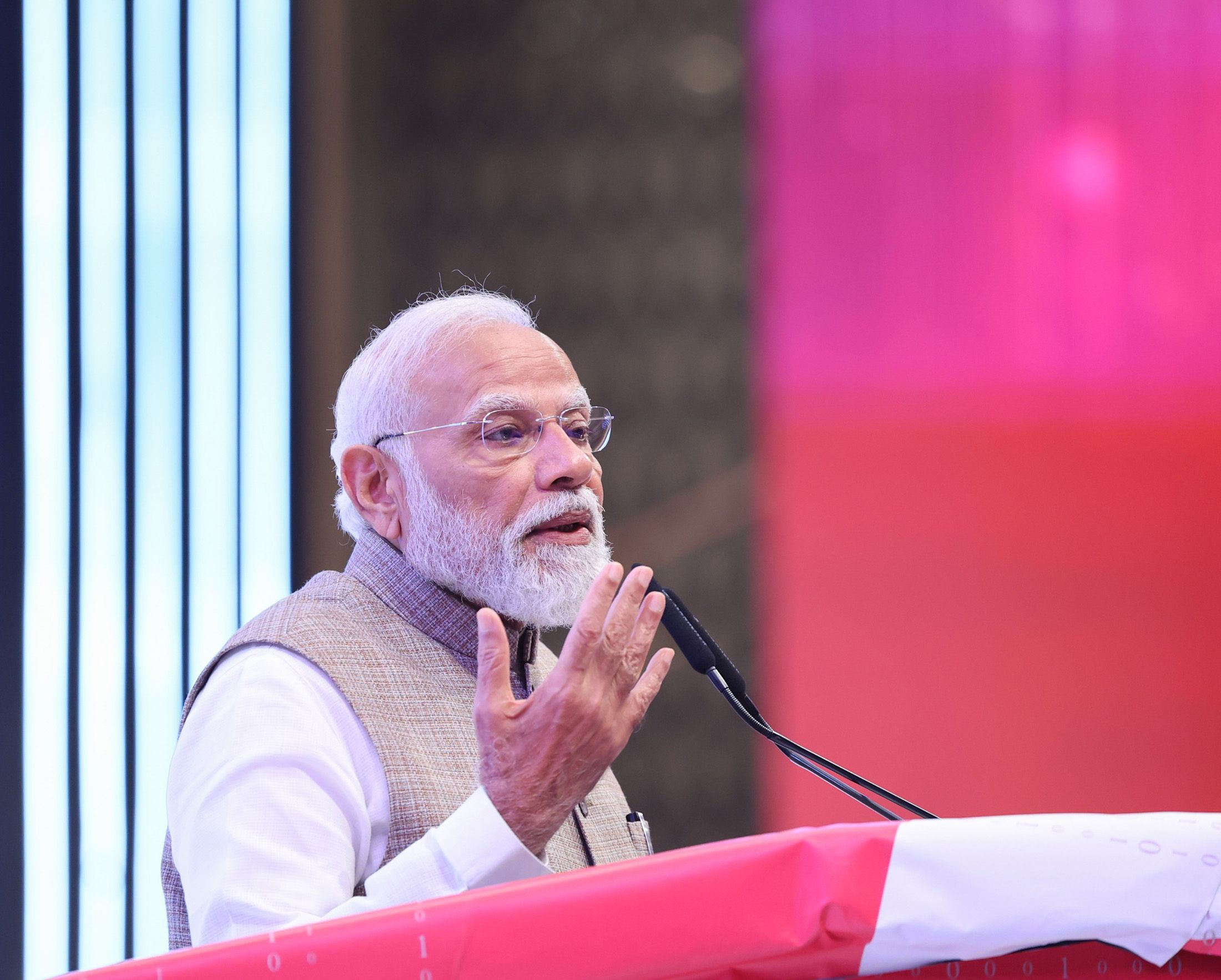
Twelve years after promising "acchhe din”, Indian prime minister Narendra Modi is now cautioning Indians to brace for hardship. With inflation surging, foreign investors fleeing from stock markets, and the rupee at its weakest in years, India's much-celebrated growth story is showing deep and troubling cracks.
To say that the economic conditions in India would worsen in the coming months would be an understatement. The economy may not shrink as it did between April and September, 2020 owing to the harsh lockdown that was imposed after the Covid outbreak. That was an unprecedented “technical recession” defined by Western economists as “negative growth” (what an oxymoron!) for two consecutive quarters. Nor would there be a government-inflicted shock of the kind the country went through because of the November 2016 demonetisation. But the situation is pretty bleak.
This time round, prime minister Narendra Modi’s announcement of “austerity” measures – including him urging Indians to not buy gold, not travel abroad and save on fuel – have spooked many, especially large sections of his dogged supporters who belong to the upper and middle classes. The poor, in any case, do not travel outside the country for leisure nor buy gold in significant quantities. Unlike 2016 and 2020, the prime minister has himself signalled tough times ahead, and even compared the months ahead with what happened six years ago during the pandemic.
Barely two days after Modi visited Tel Aviv to receive, among other things, a state medal, the war on Iran commenced. The timing could not have been worse. The Strait of Hormuz, through which a fifth of the world’s crude oil and petroleum products are transported, was blocked by Iran. This had dire consequences for India, which imports close to 90% of the country’s total consumption of crude oil, gas, and petroleum products. It was only because of elections to the recently-concluded state legislative assemblies that the Union government resisted hiking retail prices of petrol and diesel.
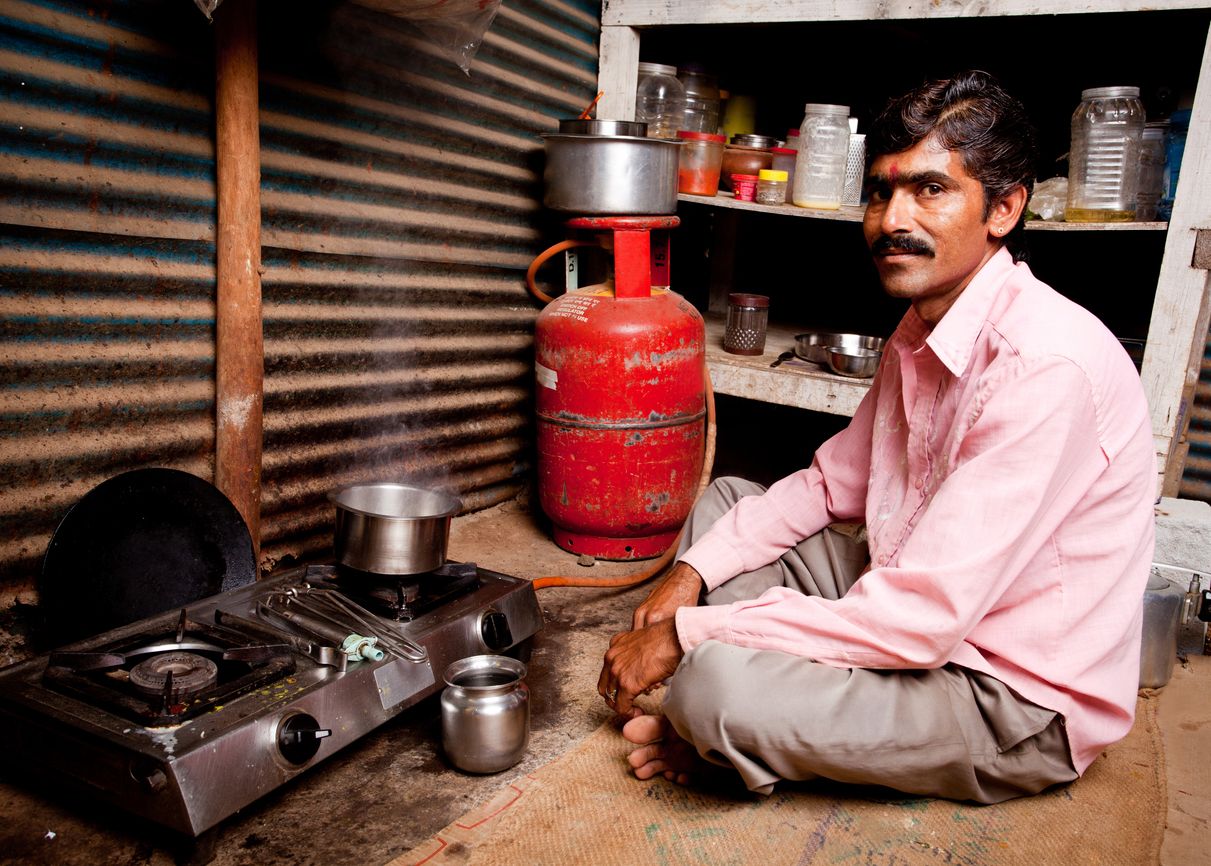
It thought it was trying to be smart by first increasing the prices of liquified petroleum gas (LPG) for commercial use, including those that are paid by small eating joints and carts catering to the poor and the working classes. Then, it increased the prices of diesel and petrol in bits and spurts. Every man and his brother knows the consequences of the ripple effect of higher transportation costs on just about every commodity. Work from home cannot mitigate the impact of inflation.
In April, the wholesale price index stood at 8.3%, its highest in 42 months, and food inflation (4.2% year-on-year) in the consumer price index was higher than the average (3.5%). This is before the brunt of inflation batters the economy in the months ahead. Rural inflation is slightly higher than urban inflation. Fertiliser prices across the country are up by proportions varying between 22% and 33%.
After the Mukesh Ambani-led Reliance Industries’ Jamnagar refinery, the world’s largest, made a killing by buying crude oil from Russia at half the prevailing rates, the Trump administration stepped in and accused India of providing dollars for Russia’s war against Ukraine. New Delhi yielded to Washington. Then, the US “allowed” India to resume oil purchases from Russia in view of the war in West Asia.
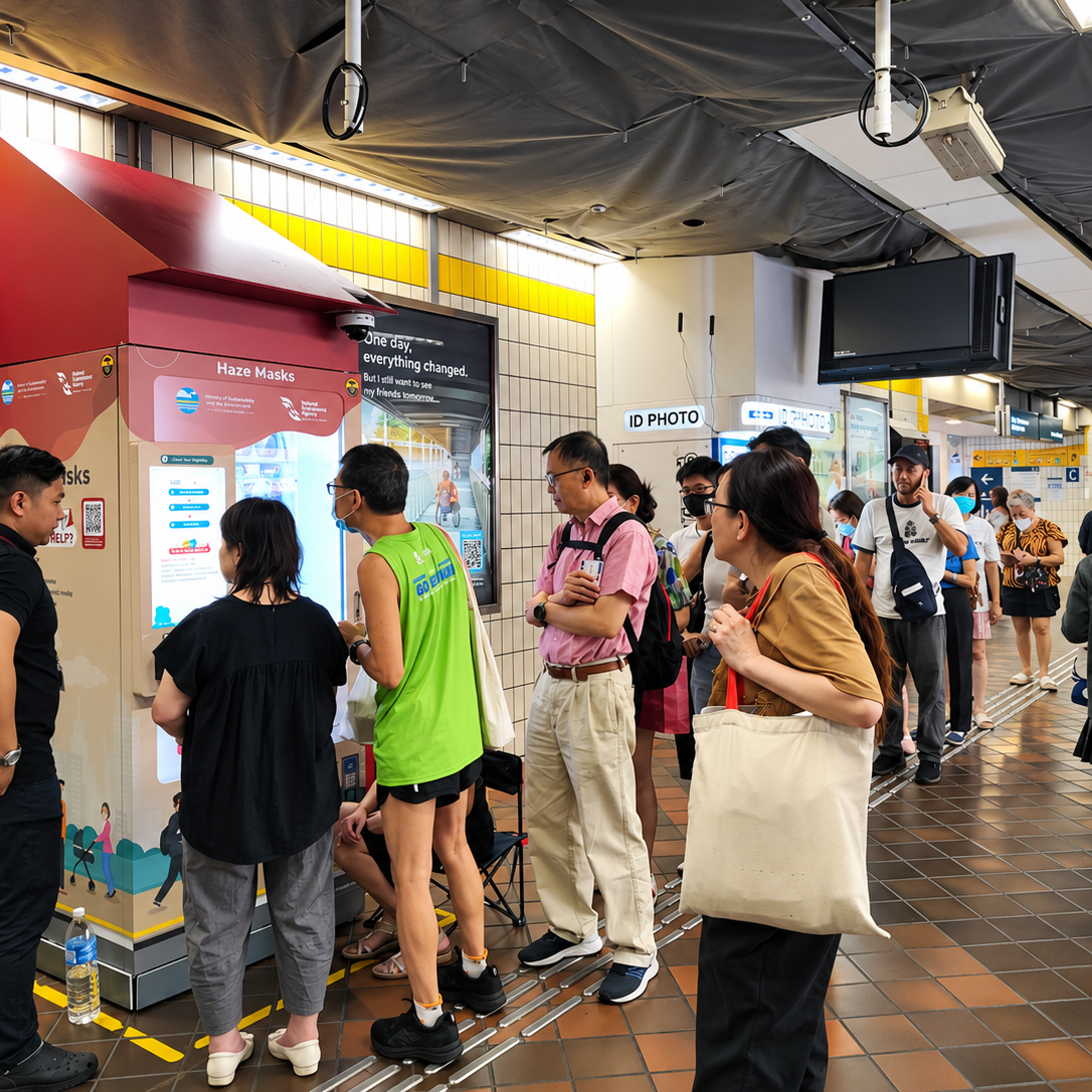
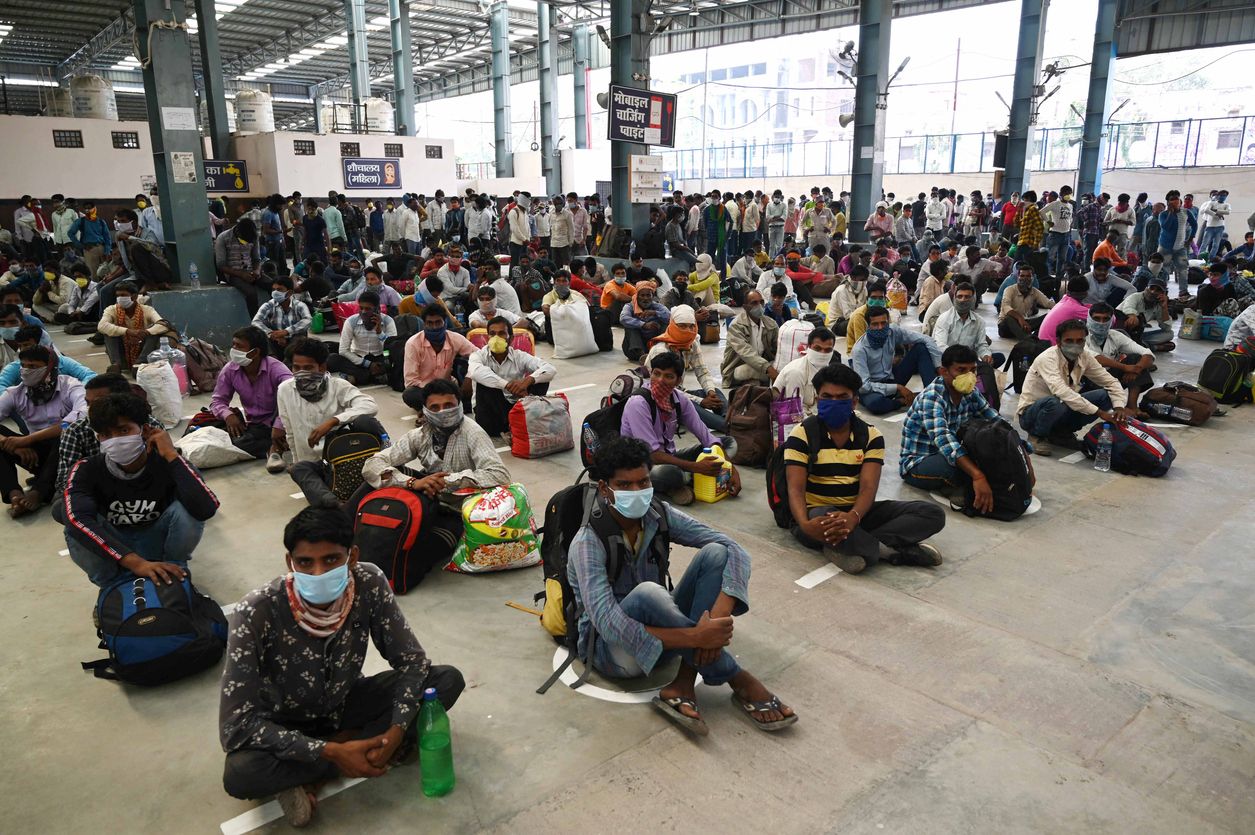
Supplies of liquified natural gas (LNG) were disrupted resulting in hundreds of ceramic factories shutting down in Modi’s own province Gujarat, throwing thousands out of their jobs. There were long queues in different parts of India for buying LPG, petrol and diesel – the spectre of reverse migration from cities to villages appeared to be returning.
Eminent economist Kaushik Basu observed that the net foreign direct investment (FDI) to India has been zero for 22 months. As far as investment trends are concerned, India is a laggard in the world. As Abhishek Vishnoi noted in Bloomberg: “India’s stock market is on the verge of dropping out of the world’s five biggest for the first time in three years due to the artificial intelligence trade reshaping global investment flows…India stands out as one of the biggest losers…”
He warned that without the AI-led market rallies that have benefitted Taiwan and South Korea, India risks “falling further behind rather than regaining lost ground.”
Foreign portfolio investors (FPIs) have withdrawn from Indian markets. FPIs pulled out Rs 27,000 crore in the first half of May and Rs 2,20,000 crore in the current calendar year. Stock exchange indices have plummeted and are likely to continue to fluctuate as uncertainty about the war on Iran continues.
The Indian currency has been steadily depreciating. It touched a record low of Rs 96.32 against the US dollar on 18 May, having fallen nearly 7% in 2026, making it one of Asia's weakest currencies. The rupee has weakened against the Thai baht, the Sri Lankan rupee, the Pakistani rupee, and the Bangladeshi taka.
The Reserve Bank of India (RBI), the country’s central bank and apex monetary authority, has drawn down foreign exchange reserves to shore up the international value of the rupee over the last few years but can no longer stop the inexorable slide. Similarly, by not reducing the retail prices of petroleum products when global prices were low, government-owned oil marketing companies boosted their bottom-lines – such a short-sighted strategy is now a thing of the past as these firms lose between Rs 7,500 million and Rs 10,000 million a day.
If economists and financial analysts apprehend that the world’s most populous country stands to miss the AI bus, the fear at home is about denial of employment opportunities. While the government’s statisticians claim that mathematically the overall unemployment may appear stable, unemployment among the youth, and especially among graduates, is disproportionately high. Even an uptick in economic growth has not had the desired effect in generating enough well-paying, non-agricultural jobs. The demographic dream has become a nightmare.
The Union government’s Ministry of Statistics and Programme Implementation claims that in the financial year that ended on 31 March 2026, India’s gross domestic product (GDP) would have grown by 7.4%. For the calendar year 2026, the International Monetary Fund estimates that this number will be 6.5%, while the private firm Moody’s Ratings places this figure at 6%.
It is common knowledge that GDP does not reflect the reality of the economy for many reasons. The impressive rise in the income and wealth of oligarchs like Mukesh Ambani and Gautam Adani (a close confidante of Modi) would boost the country’s GDP without making a whit of a difference to the lives of the underprivileged.
We don’t have accurate statistics for a variety of reasons. One is that for the first time since 1881, the decennial census is taking place six years behind schedule for reasons that are far from convincing; the Indian government cites the pandemic but its effects petered out at least a few years ago.
Many analysts in India and elsewhere, in fact, believe official statistics have been manipulated repeatedly. Former Chief Economic Adviser to the government of India in the Ministry of Finance Arvind Subramanian has said that between 2011 and 2017, the “real” annual rate of growth of the country’s GDP was closer to 4.5% against the officially claimed 7%. An important reason for the glaring anomaly is the manner in which estimates relating to India’s “informal” or “unorganised” sector (including agriculture) are calculated. This sector accounts for close to half the country’s GDP and around 90% of employment.
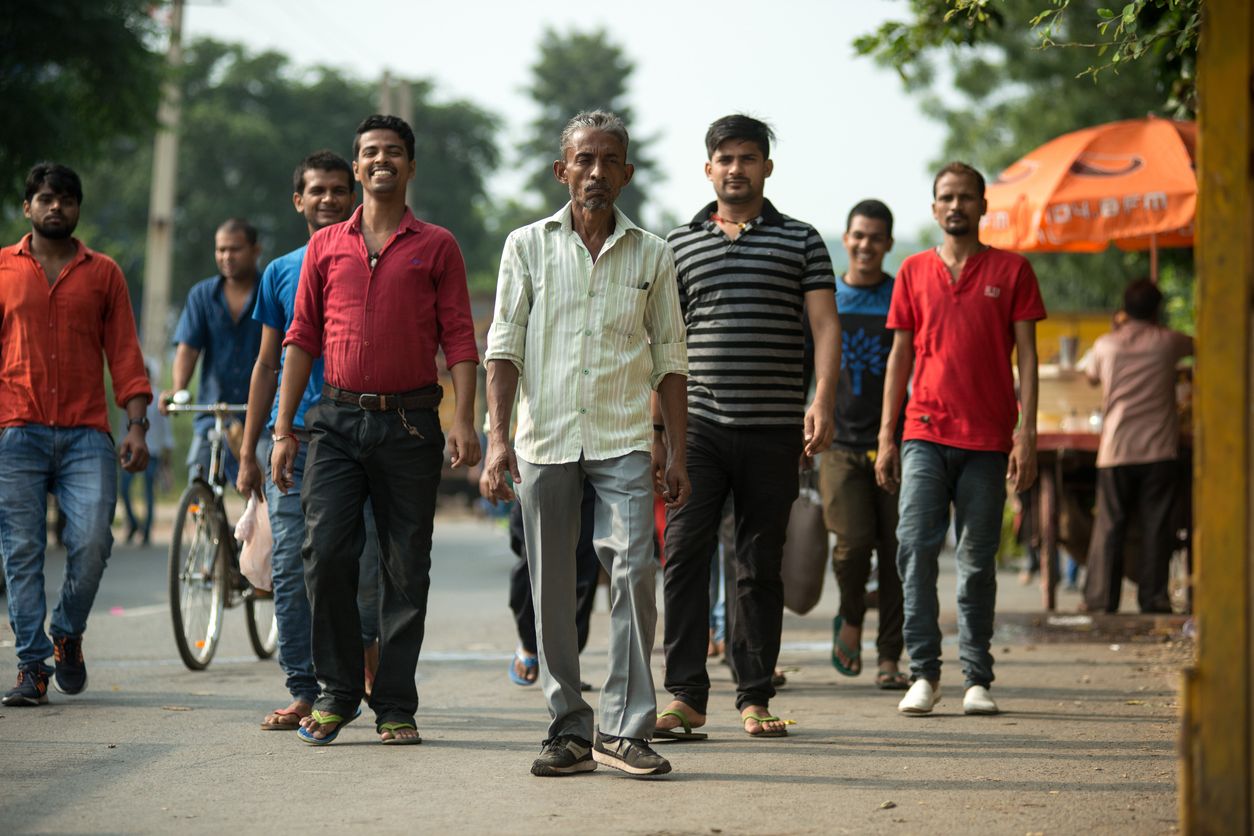
The fact is that those in the working age group (15-64) comprise over two-thirds of the Indian population and this proportion is expected to grow till 2041. The median age in this country is 29 against 39 in China. India is currently the most unequal nation on the planet. This has been established by several research studies, including one co-authored by the French economist Thomas Piketty. The top 1% of the population owns 40% of India’s wealth and the top 10% owns around two-thirds of the wealth. Inequality in India is currently higher than what it was when British colonisers were ruling the subcontinent.
Many analysts have argued that disparities in income and wealth do not translate into political issues. That India was always a land of the very rich and the extremely poor. This situation could be changing. There have been spontaneous agitations across the National Capital Region and elsewhere by industrial labourers, domestic helps, and gig workers. The war in the Persian Gulf is no longer an abstraction; it has reached kitchens.
The Indian Prime Minister who had won the 2014 parliamentary elections with a promise of “acchhe din” (good times) has found himself acknowledging, 12 years later, that the “bure din” (bad times) will not be going away in a hurry. But whether his so-called austerity measures would curb inflation, reduce inequalities and create jobs, remains to be seen. He has often flaunted that some 800 million individuals out of the country’s total population of more than 1.4 billion are receiving free food (rice or wheat and chickpeas) from the federal government.
Modi has diligently masked his right-of-centre economic policies with a few welfarist measures. However, after nearly half of his third term, he is more willing to acknowledge the country's reality than at any point since May 2014 when he became Prime Minister of India.