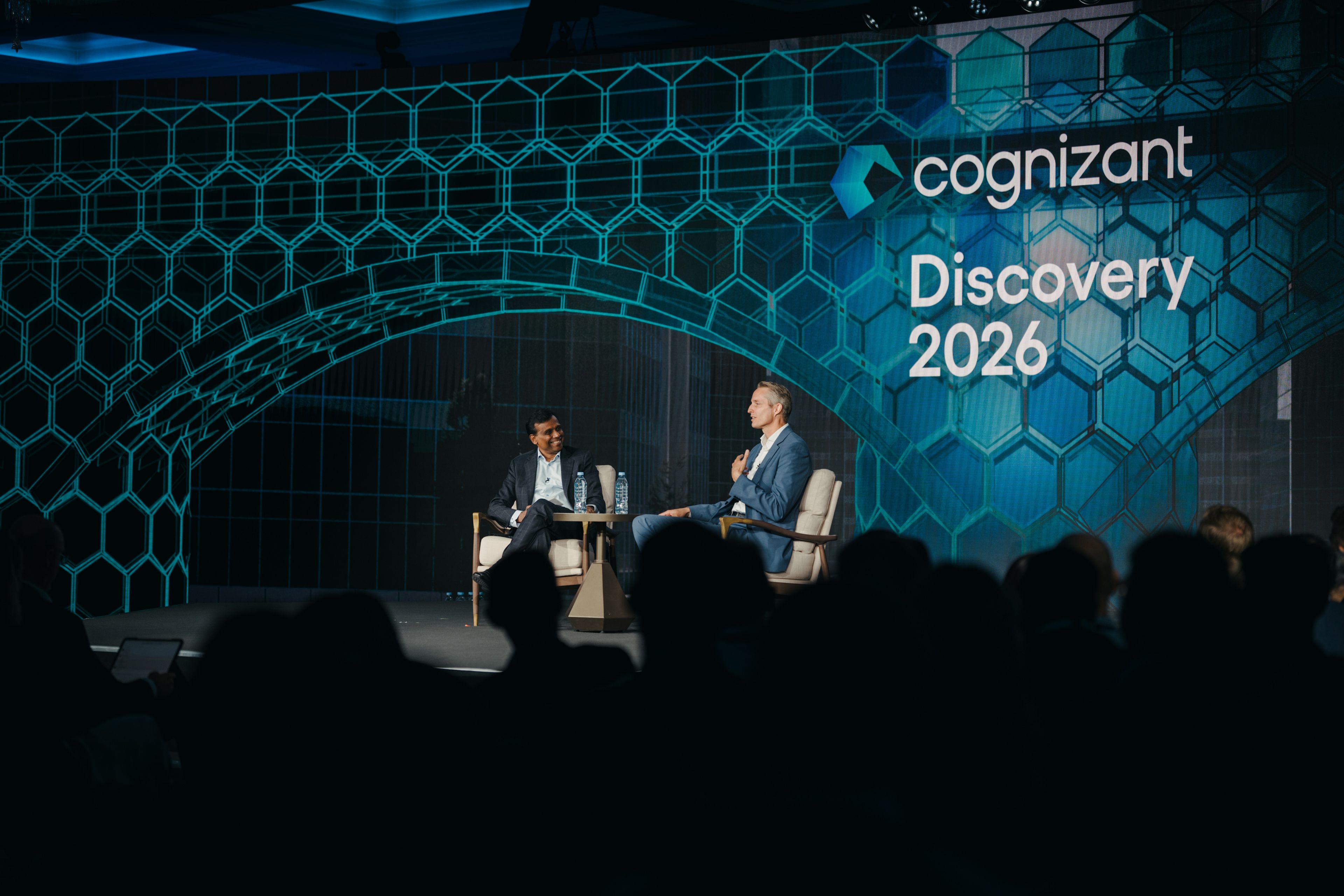
Cognizant, the Indian IT technology consulting and outsourcing company, is among several companies under scrutiny from the US Department of Labor for possible visa issuance fraud. The investigation is being led by the Department’s Office of the Inspector General (OIG) and backed by Vice President JD Vance's Task Force to Eliminate Fraud. The OIG said that suspected schemes have been uncovered in which employers and labour brokers filed fraudulent visa applications and coerced foreign workers into wage kickback arrangements.
“We've already started to issue dozens of subpoenas; we are going to make sure that we track down every lead. We have whistleblowers talking about some of the biggest companies like Cognizant, who have been sort of, you know, in the chatter of issues with PERM and H-1B visas,” Labour Department Inspector General Anthony D'Esposito told Fox Business on July 8, 2026.
“These abuses undermine the integrity of Department of Labor programs designed to address genuine labour shortages - not to line the pockets of bad actors at the expense of American jobs,” the OIG statement said.
Pursuing the American dream has long been an aspiration for Indian professionals. Over the decades, under successive presidents, the path to this dream has thrown up multiple obstacles. None, however, has matched the scale of the $100,000 H-1B visa fee announced by US President Donald Trump in September 2025. Now, the visa issuance process itself is under scrutiny, with allegations of fraudulent applications threatening to complicate the journey further.
The probe, which aligns with the Trump administration's 'America First' hiring policy, could signal a shift in how the US regulates the global movement of skilled workers, observers believe.
For over two decades, the H-1B visa has been the backbone of the global IT services industry, allowing multinational businesses to access specialised talent. Thanks to this system, highly skilled engineers, coding experts and other software professionals have been able to move from developing countries such as India and Philippines to client locations across the US.
These workers have become a crucial part of the US workforce, contributing to chip development, AI interfaces, cloud infrastructure and more. In many ways, this has formed the basis of America's dominance in the world of technology.
Thousands of such small to mid-size labour consultancies operate in the US, specifically to facilitate the hiring of skilled foreign workers by tech giants. However, the COVID-19 pandemic and the resulting shift to hybrid workspaces have significantly altered work culture, contributing to a 26.9 per cent drop in H-1B visa filings.
The investigations could curb the movement of talent across borders, prompting companies to build distributed teams across the globe instead. Firms are likely to become more cautious in filing H-1B petitions and take a closer look at their workforce. This could mean job losses and growing cracks in the global skilled worker's American dream.