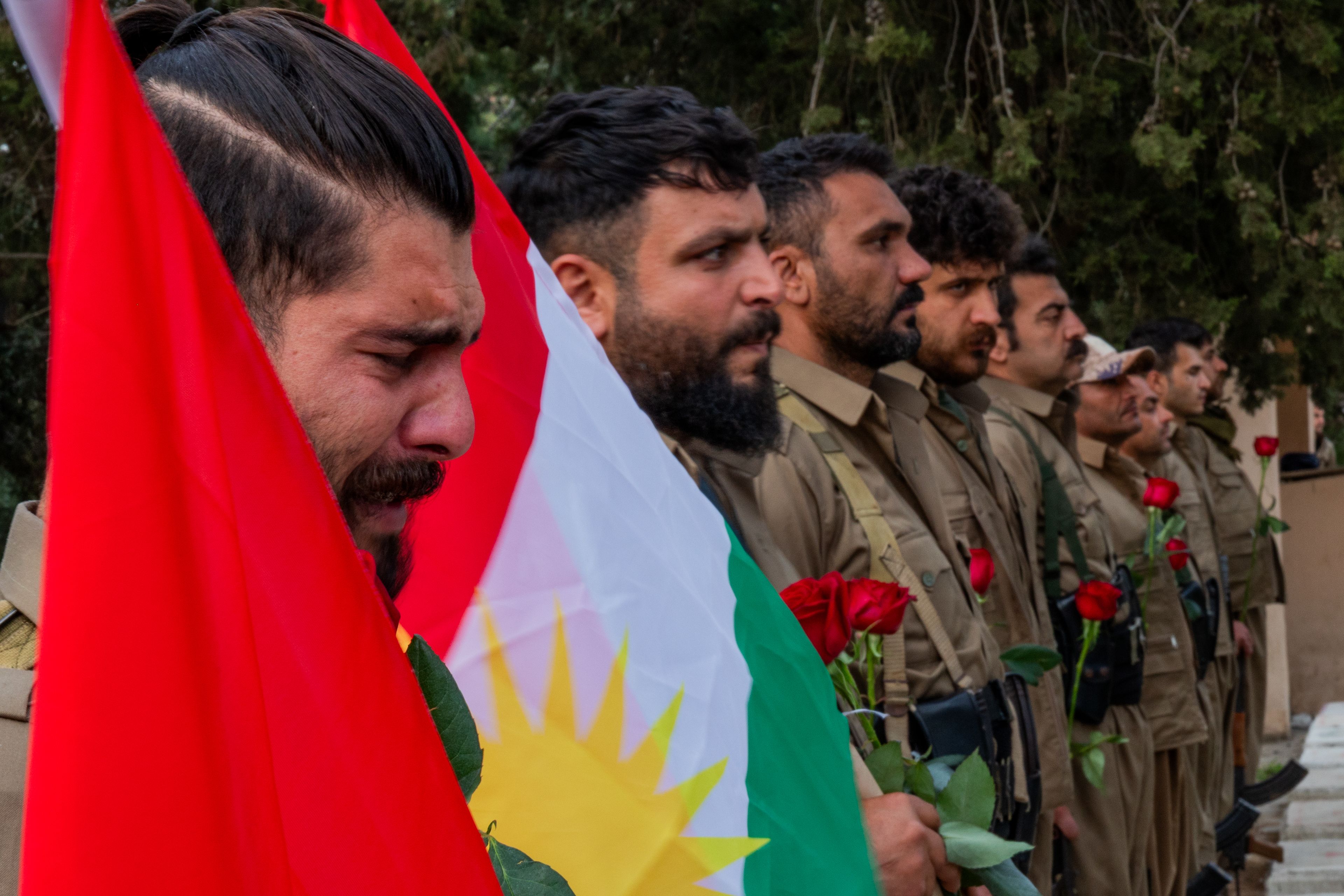
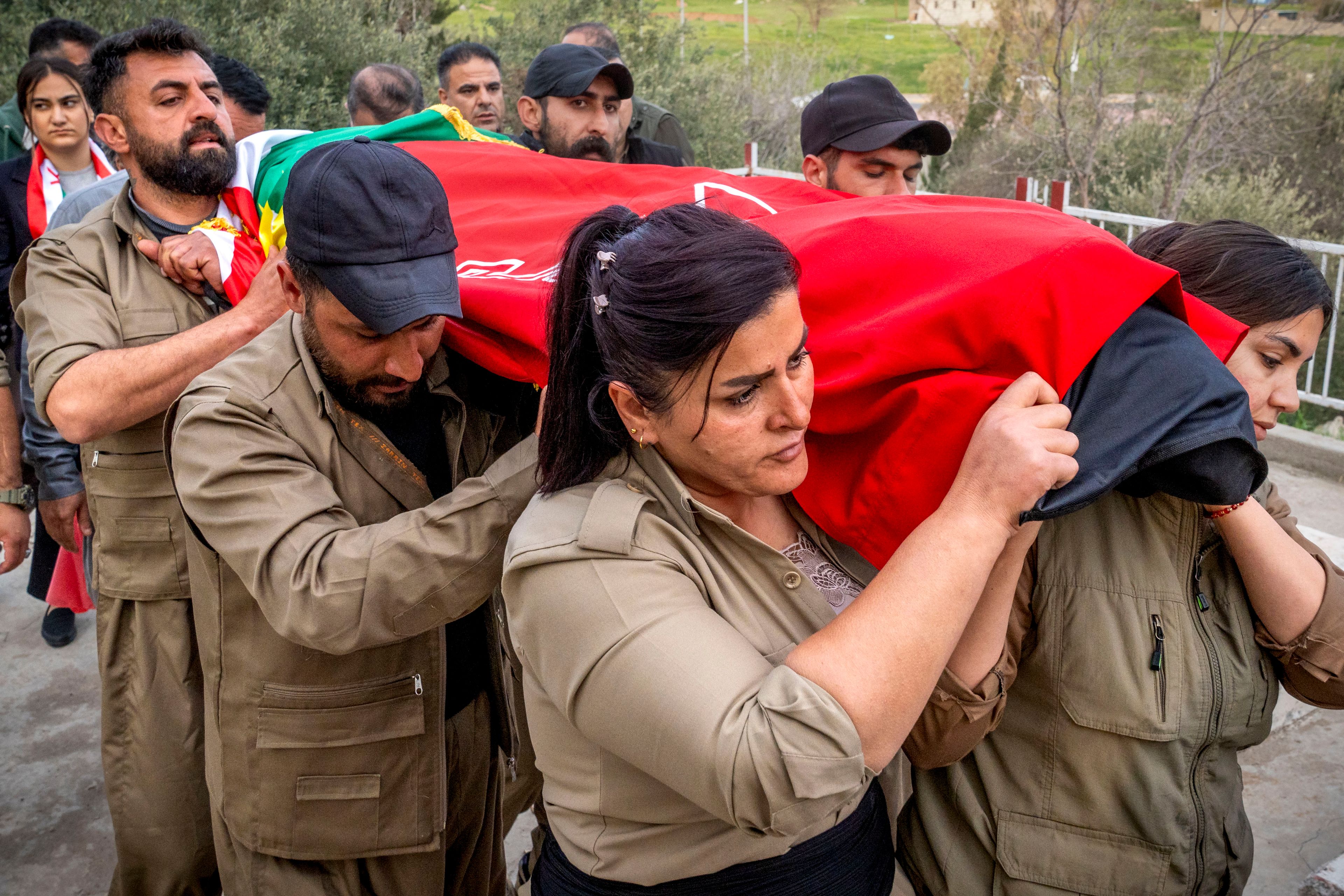
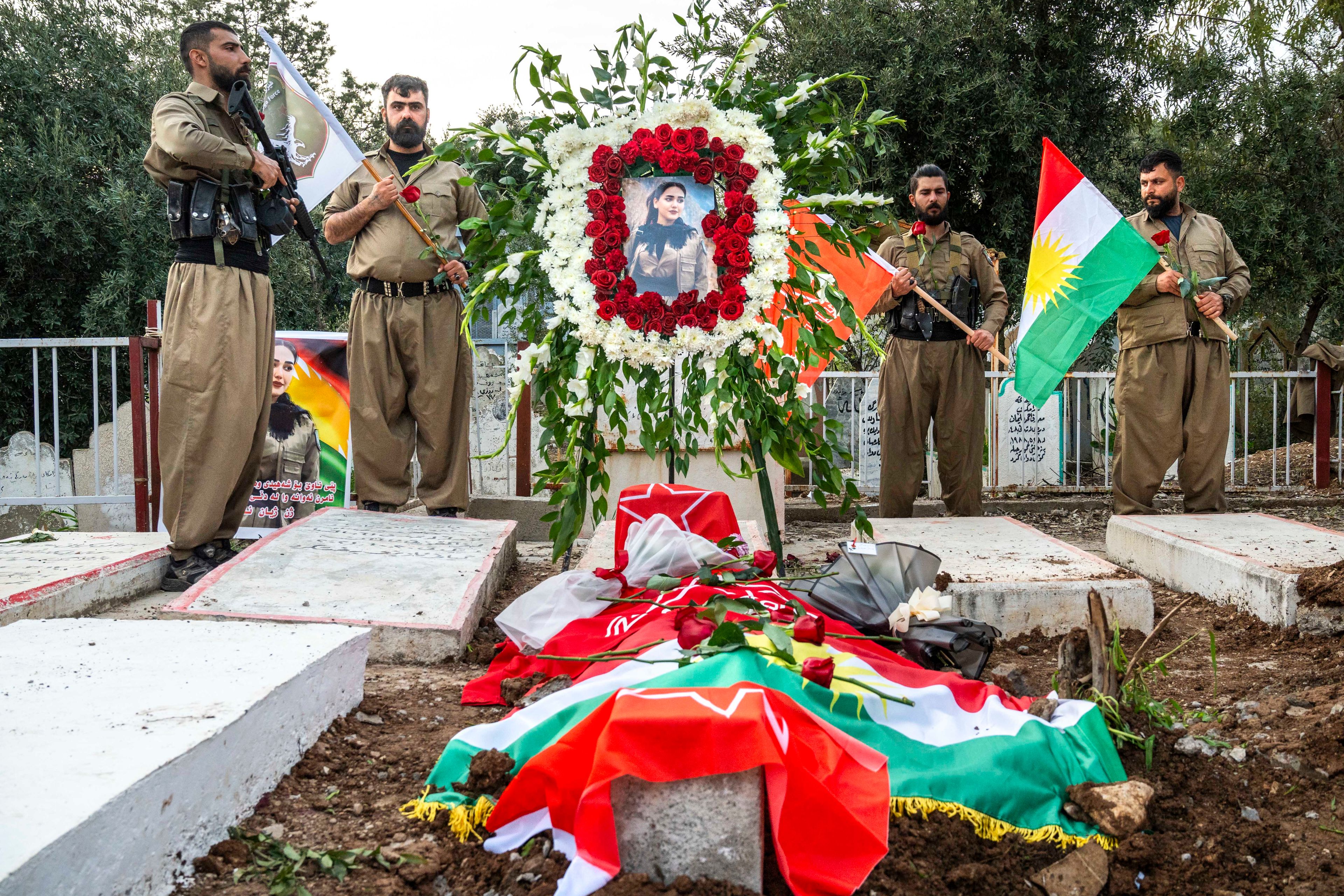
Erbil (Iraq): The sound of metal scraping against soil punctuates the sombre air as fighters pack the freshly-dug grave of Ghazal Molan, a 19-year-old Kurdish guerilla fighter, in Suliyaminiyah, Iraq. The turnout is unusually large for people who spend their days listening for drones. Molan's fellow fighters, commanders, her family and the press have all gathered, standing close, watching the sky.
As Molan’s corpse is gently lowered into the earth, grief competes with vigilance. Hours earlier, a drone threat had sent everyone scrambling for cover. The mourners cannot afford, even now, to fully surrender to their sorrow.
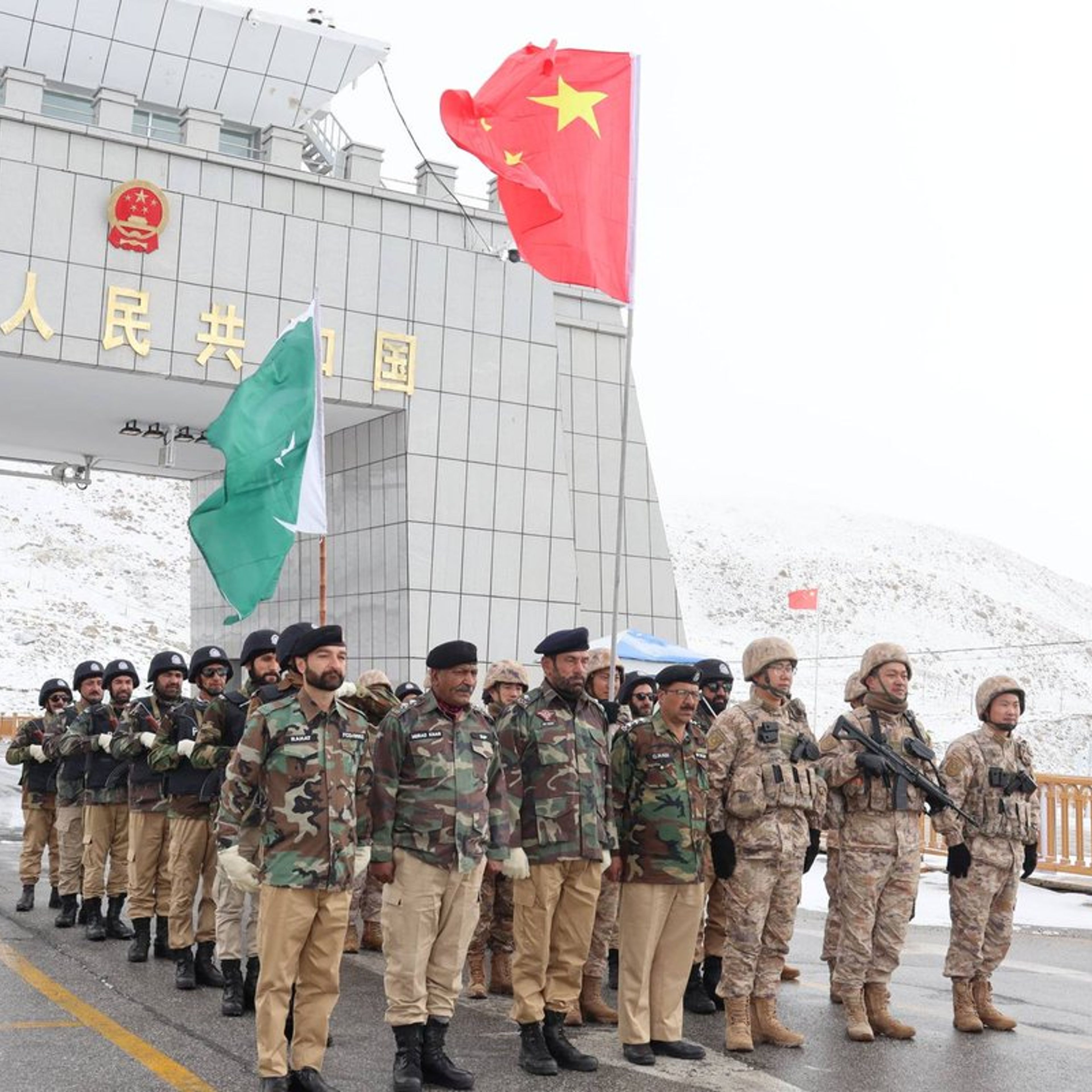
The ceasefire in West Asia, brokered by Pakistan between Iran, Israel and the United States of America has brought a measure of relief to much of the region. For the Kurdish people of the semi-autonomous region of Iraqi Kurdistan, it has brought almost none.
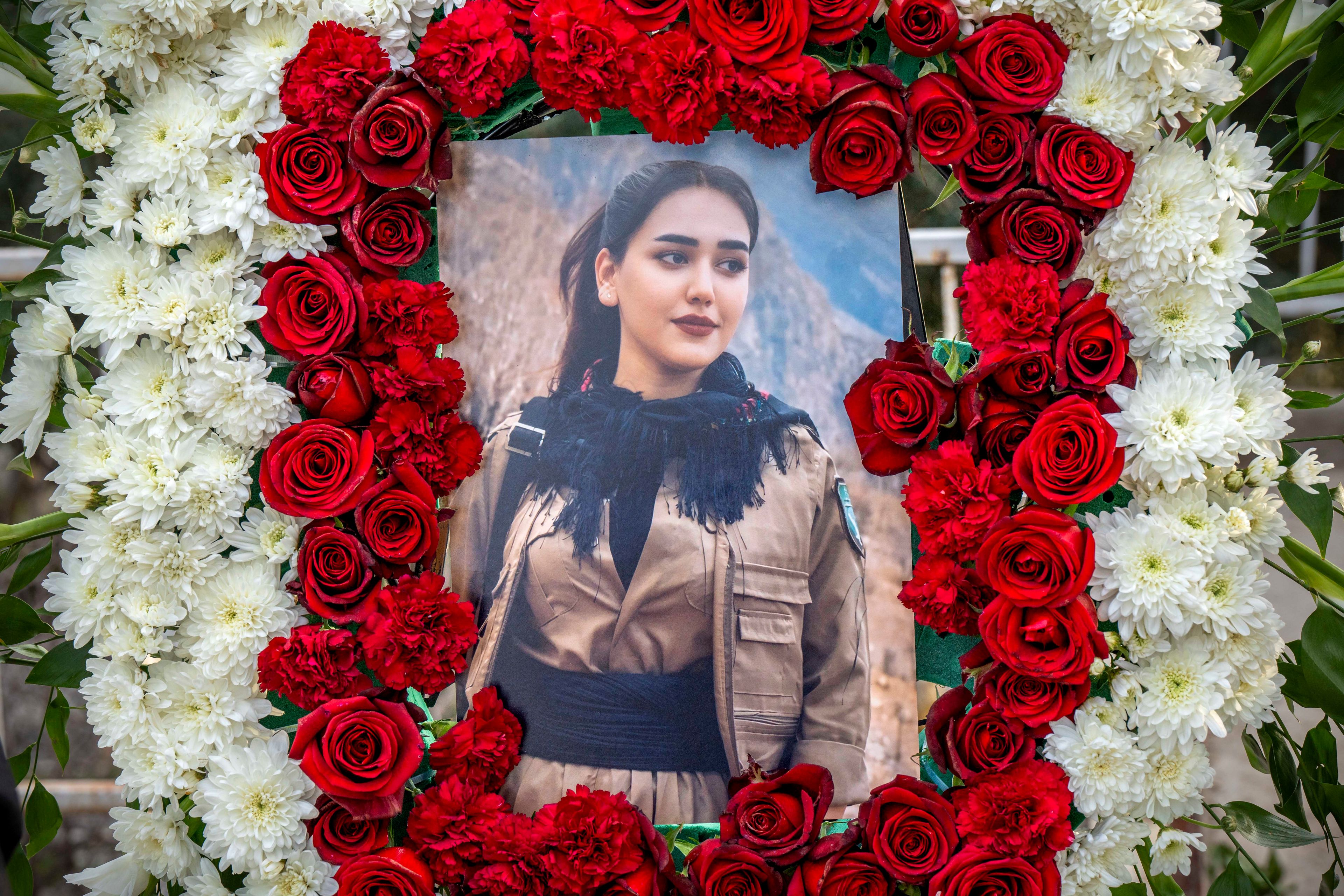
Molan was Kurdish Iranian. She fled Iran at 17, and that same year sought to join the Komala Toilers, one of the several Iranian opposition groups sheltering in the region. She was told to come back when she turned 18. She later did that.
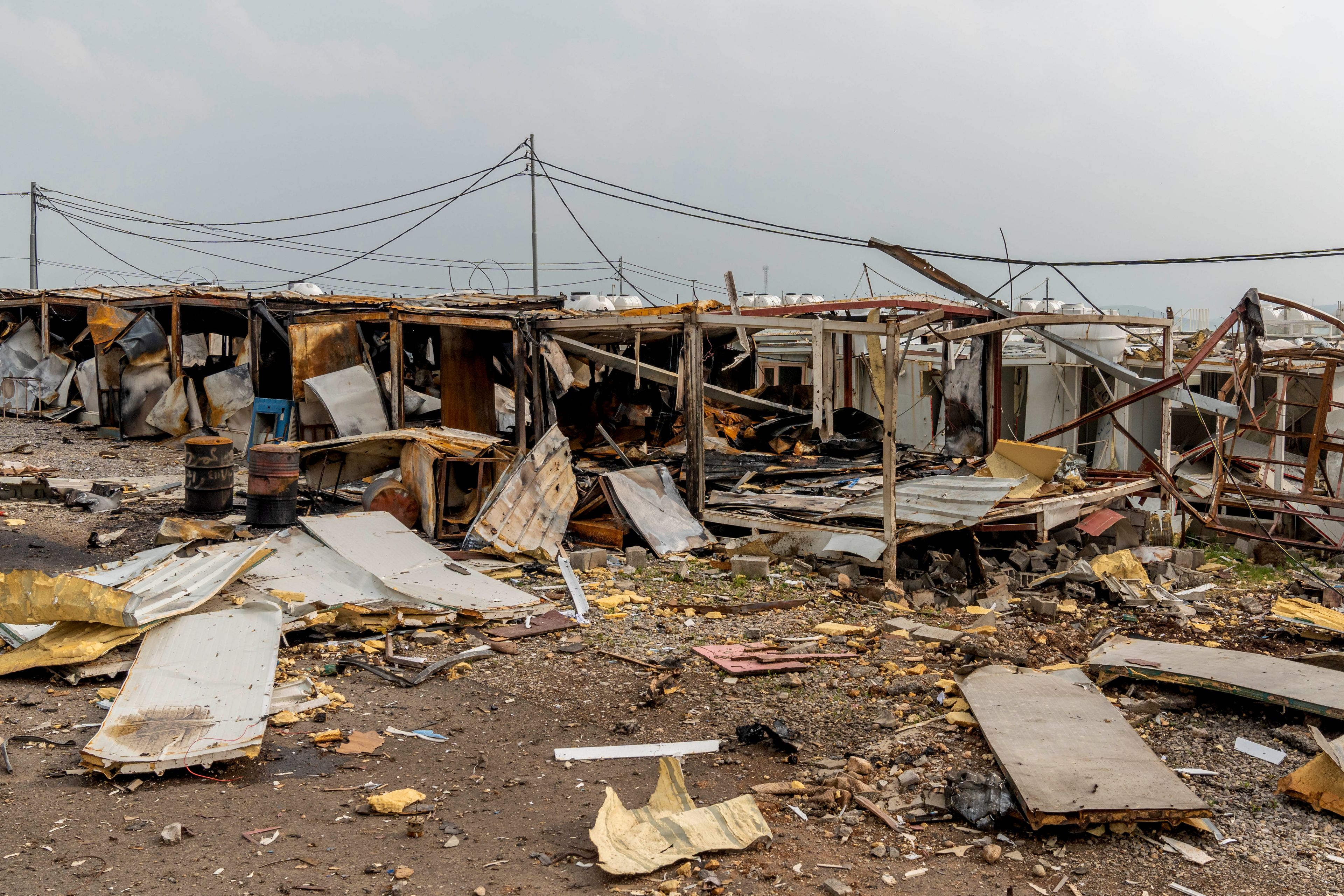
Over the following year, she built a life inside the Komala, training and fighting alongside her fellow guerrilla fighters, and even getting married to one. Then, on April 14th, 2026, during the two-week ceasefire, an Iranian Shahed suicide drone struck the living quarters of the Komala base in Surdash, northern Iraq. Molan was critically wounded.
“When a drone comes above you, you only have approximately 10 to 12 seconds to escape,” said Shirwan, a fellow Komala soldier. “I heard the sound of explosions, and all the stilts of the house collapsed.”
What followed was a second ordeal. A friend of Molan told us that while Molan was initially provided treatment, she was later denied care at Shorsh Hospital. No space, they were told. Three other hospitals, each overwhelmed with critical patients, also turned her away.
“I don’t know why some hospitals didn’t accept her,” said Ramyar Rahimy, a fellow Komala Toiler expressing his anguish. “They refused to take Ghazal in, and because of that she passed away.”
By the time she was admitted to Faruk Medical Centre, she had already lost too much blood. She died of her injuries.
Human Rights Organisations view her death as an indictment of how conflict-affected people are denied care. “Any attack on a hospital or clinic, regardless of who they are treating, would be a war crime under the Geneva Convention,” said Peter Bouckaert, Senior Director at Fortify Rights. “They (hospitals) have an obligation to treat anyone in their care.”
Even threats against civilian facilities, he notes, constitute war crimes under international law.
The climate of intimidation is not incidental. In early March 2026, the Iranian Defence Council (IDC) issued a statement, warning that “If these groups infiltrated Iran’s borders, all facilities in the region would be targeted. We remind our friends and brothers that, thus far, we have only targeted bases belonging to the United States, Israel, and separatist groups.”
The message to Iraqi Kurdistan was clear. The region occupies a unique and precarious position as the only remaining semi-autonomous Kurdish entity in the region. Kurdish militant groups from both Iran and Turkey have long sought refuge there, drawing cross-border strikes from both governments. Yet, Bouckaert said the denial of care to wounded Iranian Kurdish fighters is unforeseen in his experience.
“This is the first time that we’re hearing of widespread denial of medical care of Iranian Kurdish militants who’ve been wounded in attacks by Iran,” Bouckaert said. “Obviously this is associated with the American government’s proposal to use Iranian Kurdish fighters to destabilize the regime in Iran. Iran does see the Kurdish fighters as a direct threat to their control of Iran.”
After her death, Molan was hailed as a martyr. Her story spread across the region, becoming a rallying point against the Iranian regime. But even in death, she was not left in peace. Her body was turned away from the local mosque; her husband was forced to find another location to perform the Islamic purification rituals before burial.
Some of her comrades believe that the hospitals or even the mosque which refused to admit Molan were driven by fear of Iranian reprisal. Her presence anywhere could mark it as a target.
That fear isn’t off the mark. Earlier on the day of her funeral, an Iranian drone struck a different cemetery, possibly the one where Iranian intelligence believed the burial would take place.
Since the start of the war with Iran began on February 28, 2026, Iraqi Kurdistan has absorbed over 700 hundred missile and drone strikes. Erbil, the capital of the Kurdish semi-autonomous region, has borne the worst of it. Approximately, 3,500 people have died across Iraq and Iran. In Iraqi Kurdistan alone, an estimated 118 people - civilians, peshmerga (internal security forces of the Kurdistan Region), Iranian Kurdish militants, and a French soldier - have been killed.
The history of Iran’s conflict with the Kurdish people runs deep, soaked in violence across the better part of a century. The early 20th century saw multiple Kurd uprisings against the Iranian government. Mass graves of peshmerga fighters, Yazidis and civilians were recently discovered in Mosul, following decades of search.
Since 2004, Iranian opposition groups have clashed continuously with the Islamic Republic. These opposition groups include the Kurdistan Democratic Party of Iran (KDPI/PDKI), the four branches of the Komala (Toilers, KPIK, CPI and Shorshger) and the Kurdistan Free Life Party (PJAK), to name a few.
The three groups, the KDPI, Komala and PJAK, differ substantively along ideological lines but have recently made an effort to come together.
The KDPI, for instance, is a conservative ethno-nationalist group aligned with European social democracy. The Komala emerged from Marxist-Leninist and Maoist roots, and has since evolved into a blend of social democracy and Kurdish nationalism, still bearing the red star. The PJAK, founded by Abdullah Öcalan, champions radical feminism, eco-socialism and direct democracy.
On February 22, 2026, they formally joined the “Coalition of Political Forces of Iranian Kurdistan”. Since the war began, these six tribes, with a combined strength of nearly 30,000 militants, have unified behind the hope of an eventual ground incursion into Iran. Without American air support, however, that remains a distant prospect.
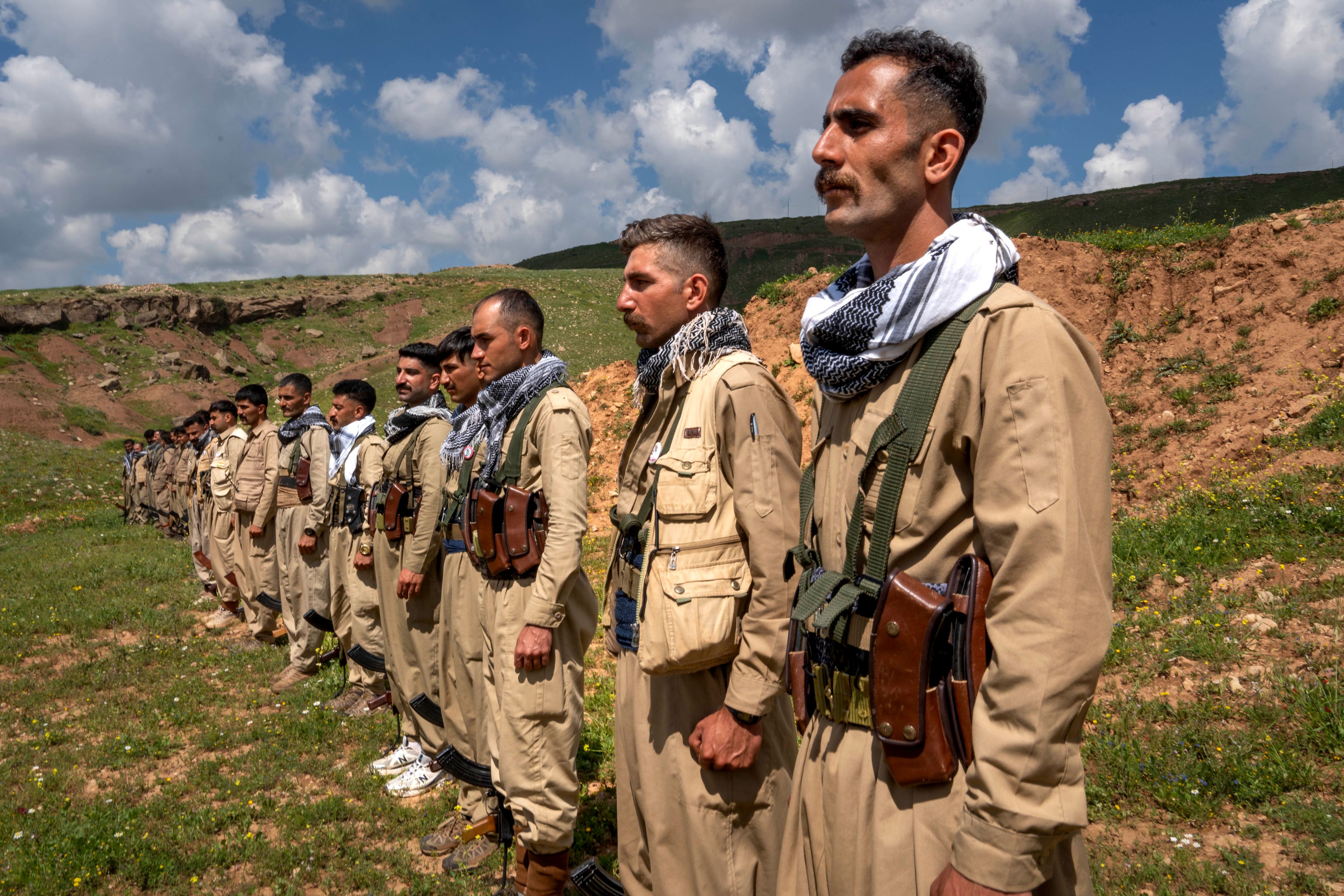
No one understands the cost of that dream more viscerally than Ramyar Rahimy, one of Molan's fellow Komala Toilers. Imprisoned and tortured in Iran, he carries his past on his hands - tattoos made by a fellow Komala inmate in prison and uprooted nails that he shows without flinching.
For the Komala, a missile or drone strike may not be the worst possible fate. Rahimy described to us what Kurdish prisoners were told by the Iranian security personnel: "If you do not confess we will tear you to pieces. Your heart, your liver… to go to the Basij and Supa (IRGC). If anyone gets sick and they need a kidney or they need a heart - if they need anything we will take it from you."
To avoid that fate, Komala fighters carry what they call "the final bullet" - one round held in reserve, for themselves.
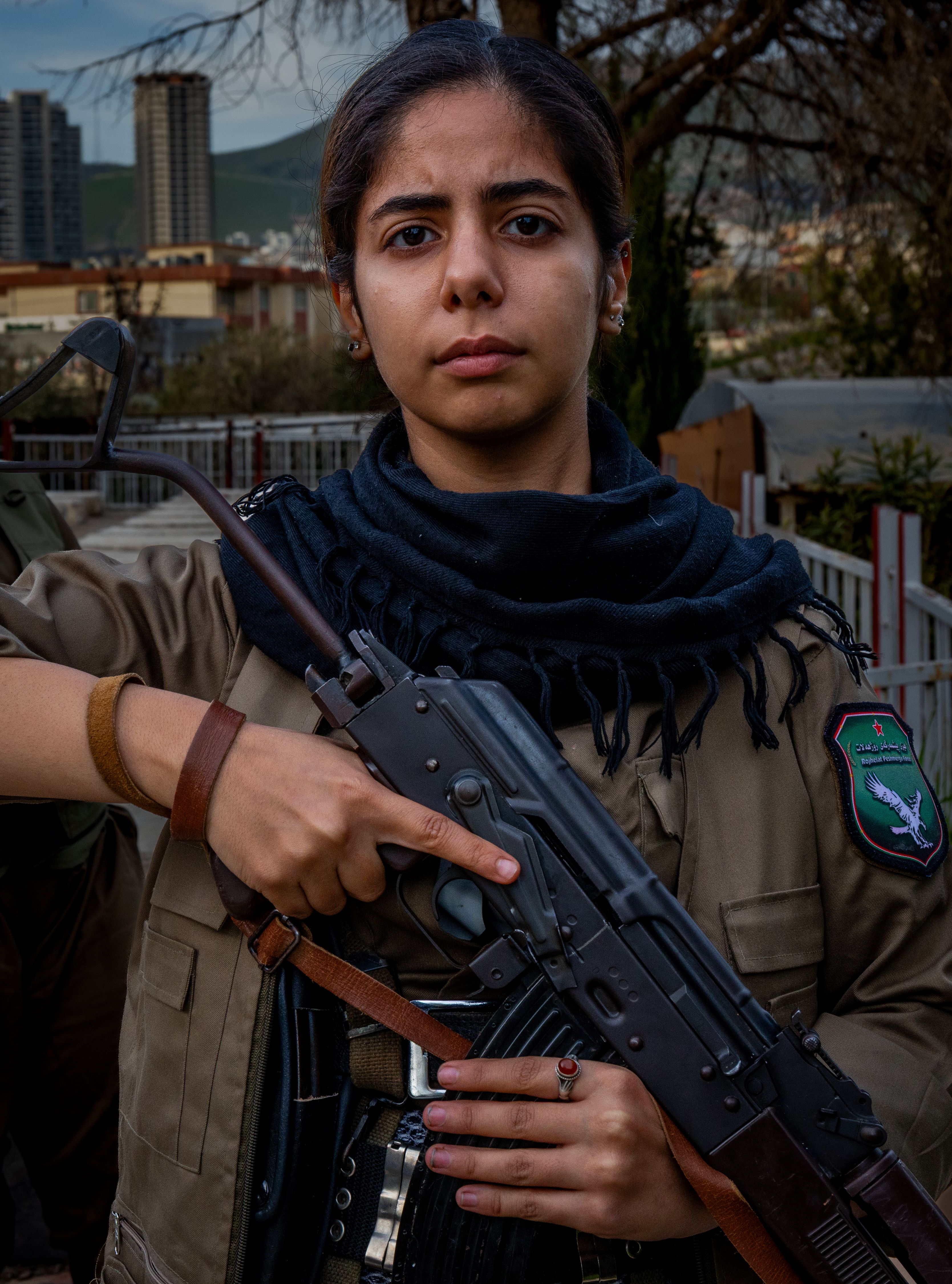
On the day Molan died, Shirwan thought that they were safe. "We didn't think the Iranian regime would attack because there was a ceasefire," he said. "They said we won't attack the region and their neighbours, but they broke their promise again."
As President Trump extended the ceasefire, multiple drone strikes and missile attacks attributed to Iran by the Kurdish government hit the region within 24 hours. The Kurdish semi-autonomous government wasn't included in Pakistani negotiations, excluded, as Lebanon was, from both the table and its protections.
General Kawa Bahrami of the KDPI wasn't surprised. "A ceasefire has never been done with Kurdistan," he said. "Before the fight between Iran, Israel and America before all that, the Islamic Republic of Iran attacked us with the same drones and missiles."
For Mustafa Mauladi, the KDPI's Vice President, the exclusion is a familiar frustration. "The policies of the United States don't merely affect Americans," he said. "The government of America, and the way it rules the world, doesn't just have an impact on its own country, but all around the world."
Shirwan, for his part, wants the war to continue. "If America doesn't continue the war in this situation," he said, " it will lead all Asian countries favouring the US to believe that the Islamic Republic can take them down."
On April 17, 2026, Molan was laid to rest beside her fallen Komala comrades. Teary-eyed fighters placed bouquets on her tomb. Those who knew her best delivered eulogies for a woman who had chosen this life with clear eyes and kept choosing it until the end.
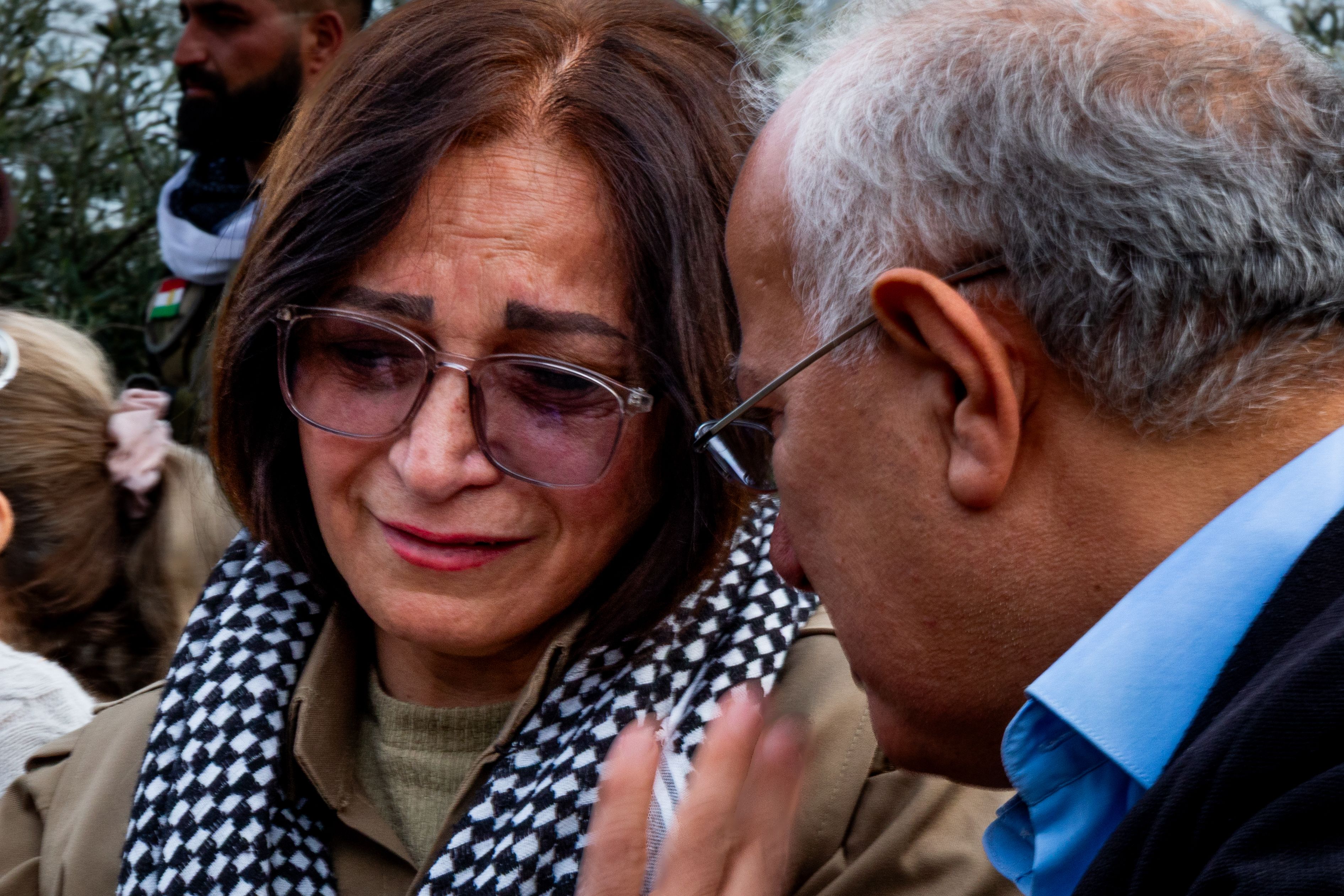
Iraqi Kurdistan lives on under the shadow of drones and missiles. But for the commanders who have survived Iran’s prisons, buried their dead, and kept fighting, the wounds are too deep, and the cause too old, to step back now.