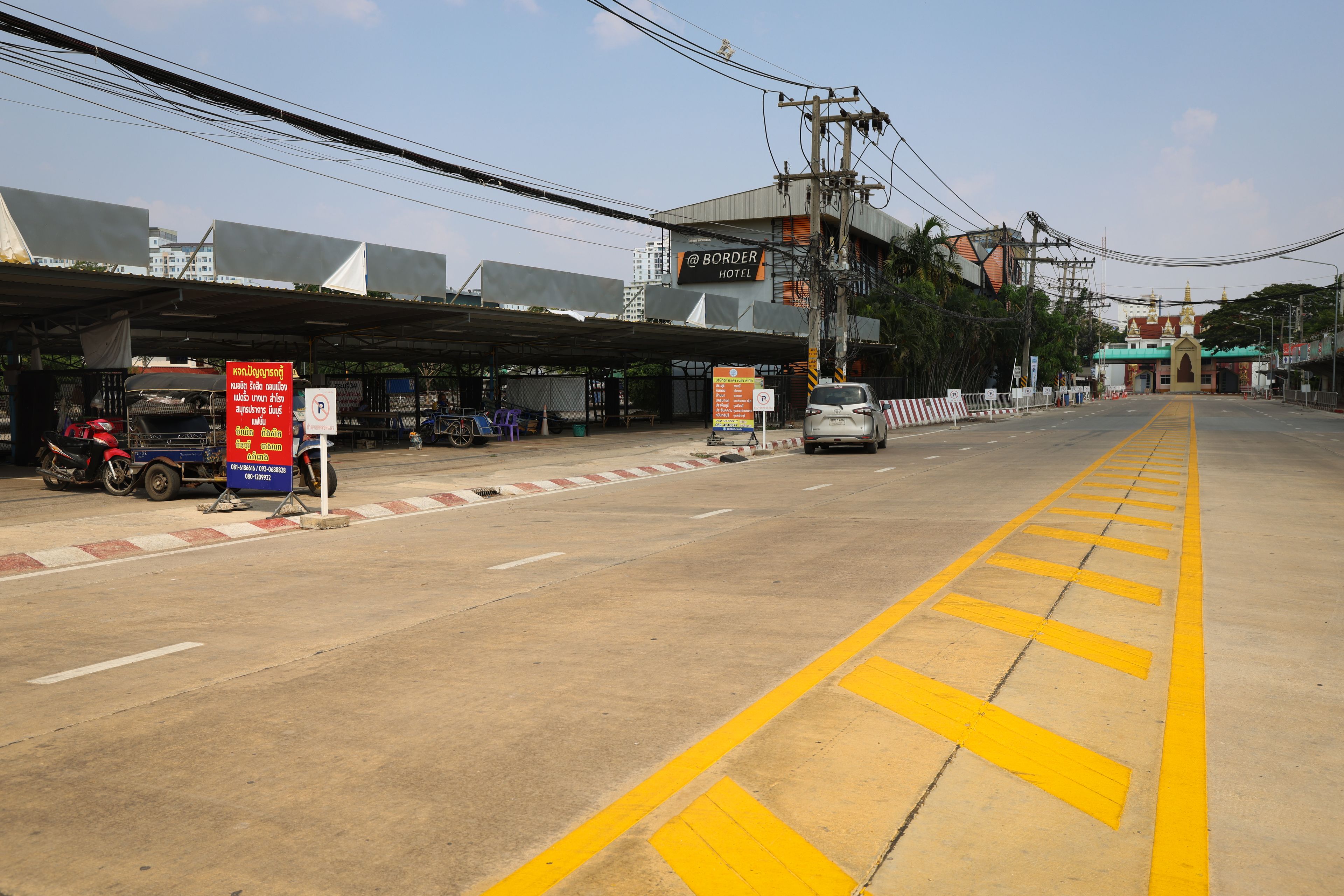
Sa Kaeo, Thailand: Sa Kaeo means ‘crystal pond’ in Thai language. It is the name of a small border town and the province it anchors. In Thailand, it is a custom to name provinces after the major towns and cities. This eastern Thai province shares a border with Cambodia’s Banteay Meanchey province. Until a few months ago, Sa Kaeo town was known for commerce. It is a crossing point where Thai and Cambodian traders, workers, and tourists moved freely back and forth, sustaining a border economy on which both sides depended.
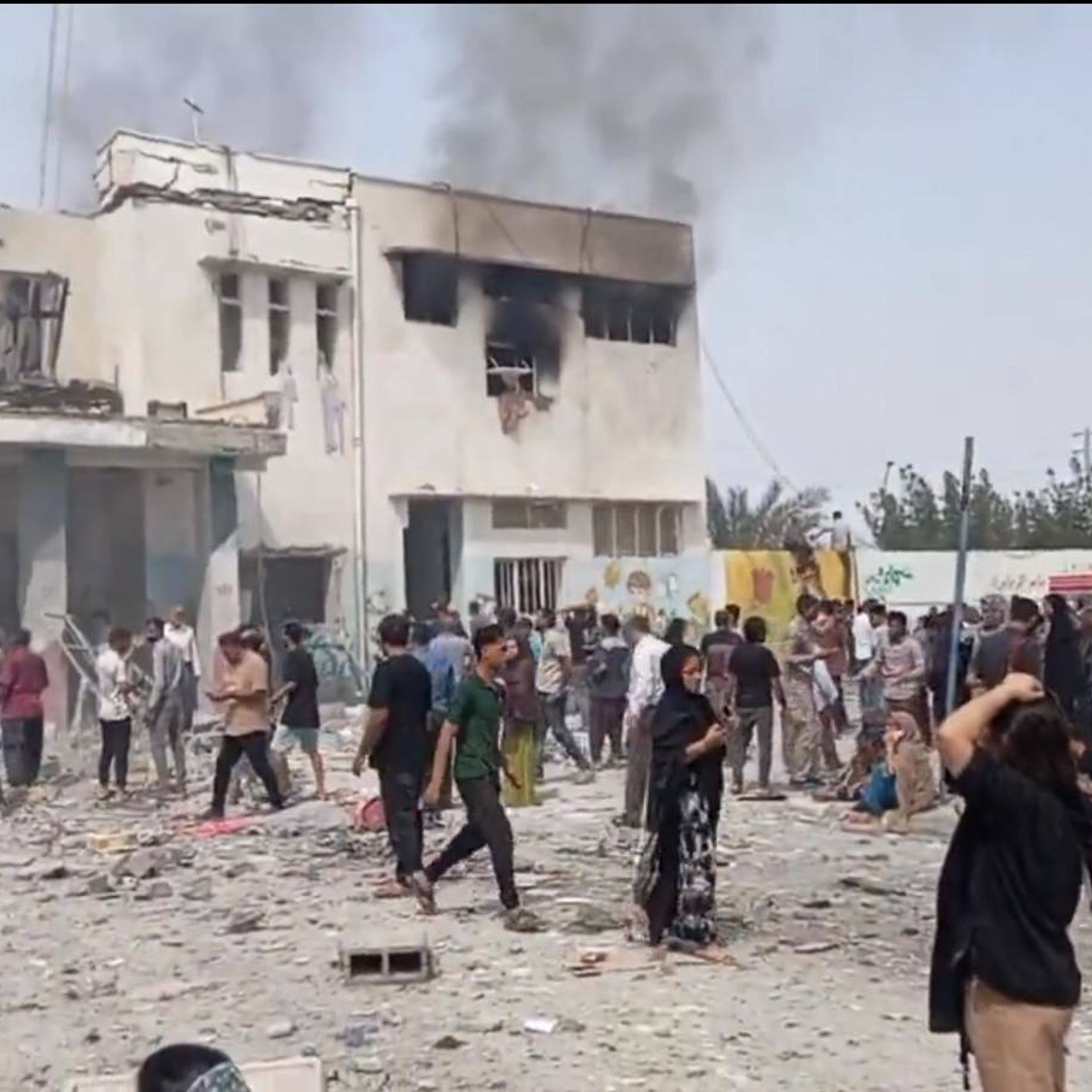
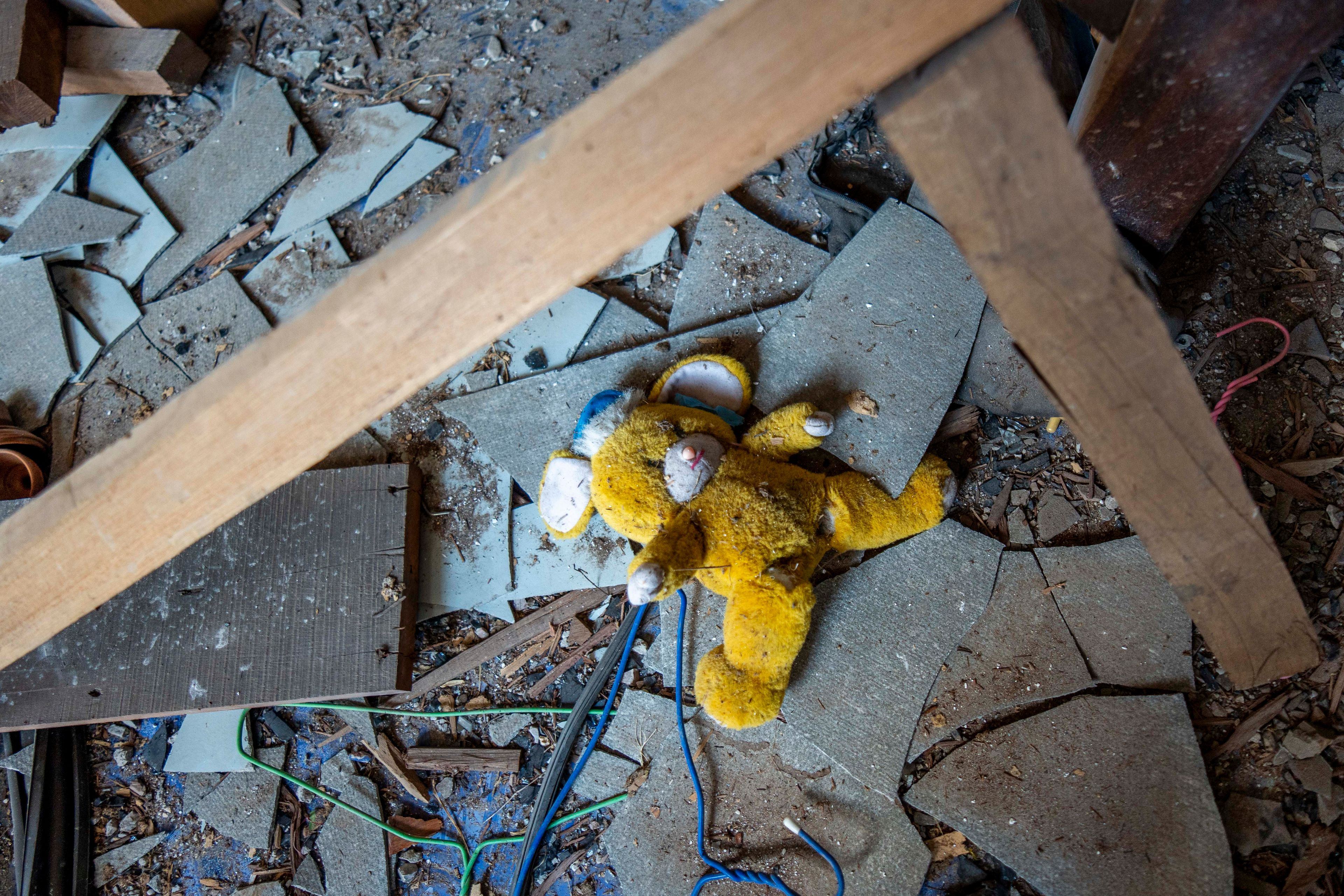
However, the 2025 clashes between the countries have changed that for the foreseeable future. Now, remnants of the conflict can be seen everywhere in the town. In the quiet streets, in the concrete bunkers that now dot the roadside, topped with soil, filled with the things people left behind when they fled, like baby blankets, discarded food containers, the ordinary debris of interrupted lives.
From here, I can see a looming skyline on the Cambodian side of the border. Those tall buildings once housed the scam centres. Many of those centres are empty now. During the recent clashes, the Thai military targeted multiple scam compounds, casinos and hotels in the Cambodian border towns of Poipet and O’Smach. These towns sit directly across from Sa Kaeo’s crossings. They are casino towns built in part to attract Thai visitors, since gambling is illegal in Thailand but legal across the border in Cambodia. The Thai military seized the O’Smach resort, which once doubled as a scam compound, after hitting it with more than 10 mortar shells, killing a security guard and wounding five others.
According to Amnesty International, Cambodia houses over 50 such centres, generating an estimated $12.5 billion annually. These are no ordinary call centres. They are criminal compounds and many of them are physically fortified. Here, trafficked workers from across Southeast Asia, China and beyond are forced to run online fraud operations: romance scams, cryptocurrency frauds and fake investment schemes targeting victims around the world. Workers who resist or try to escape are frequently beaten, tortured or sold to other compounds. In a report titled I Was Someone Else’s Property, Amnesty International documented the testimony of 423 victims, providing evidence of human trafficking, torture, forced labour, and slavery carried out at an industrial scale.
The strikes could not shut down the illicit industry. The Center for Strategic and International Studies (CSIS), a Washington D.C.-based think tank, in its report From Fraud to the Frontlines: Scam Centers Caught in the Thai Conflict, concluded that the criminal networks behind these centres are sophisticated enough to relocate rapidly and rebuild elsewhere. You can destroy the building, but you can’t easily destroy what runs inside it. Reportedly, the scam centres are quickly regrouping.
While illicit activities are hardly affected by the border clash, what was genuine is now suffering the most. The border trade and the movement of people came to a complete halt.
Thailand and Cambodia share an 817-kilometre border that has never been fully settled to either nation’s satisfaction. The two countries have historical disputes rooted in colonial-era boundary demarcations following the decline of the Khmer Empire. In 1907, the French exacerbated the conflict by producing a map which divided up the region, giving Cambodia control over the Buddhist sites that are culturally important to both countries. This map was later recognized by the International Court of Justice in 1962.
However, Thailand did not fully accept the French map, and both countries ended up laying claims to territories and religious sites along the shared frontier. France’s role in this dispute is particularly significant. As the colonial power over Cambodia, France negotiated borders that served its administrative interests rather than reflecting the ethnic, religious or historical claims of the people living there.
In the summer of 2025, a clash erupted between Thailand and Cambodia along their disputed border, following a chain of escalating incidents beginning with the killing of a Cambodian soldier in a skirmish near the Preah Vihear region on May 28. Tensions intensified in the following weeks and sharply escalated after a Thai soldier was seriously injured by a landmine in July, an incident Bangkok blamed on Cambodian forces.
As both sides moved troops forward amid accusations of encroachment and construction activity in contested zones, a tense standoff spiraled into full-scale exchanges of fire by July 24, involving artillery and other heavy weapons. The confrontation resulted in casualties and large-scale civilian displacement.
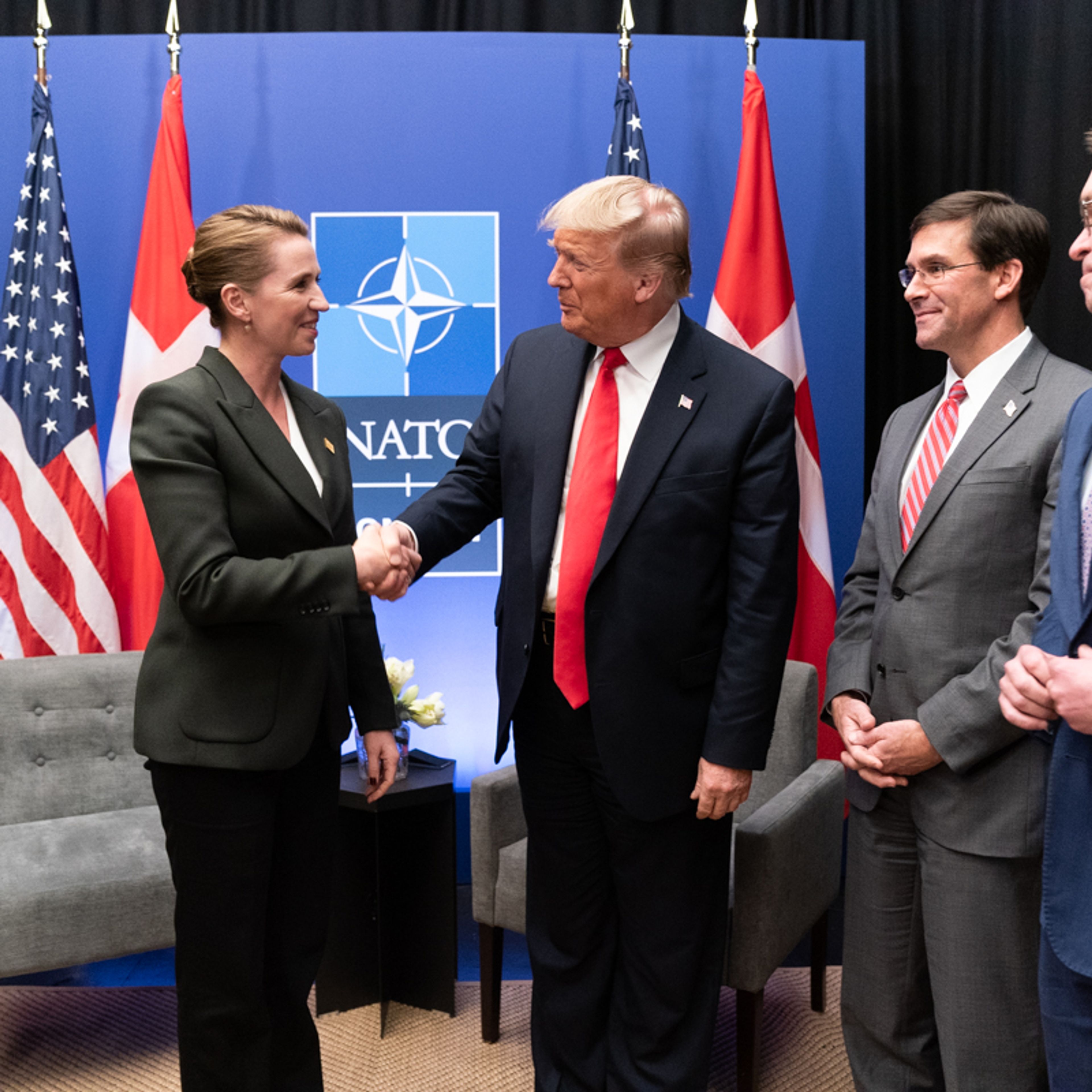
A brief ceasefire brokered by U.S. President Donald Trump in October collapsed within a few weeks. Again, in December, the two countries clashed. Rockets fell on civilian homes. Mass evacuations emptied towns that were once full of life, and the borders were shut.
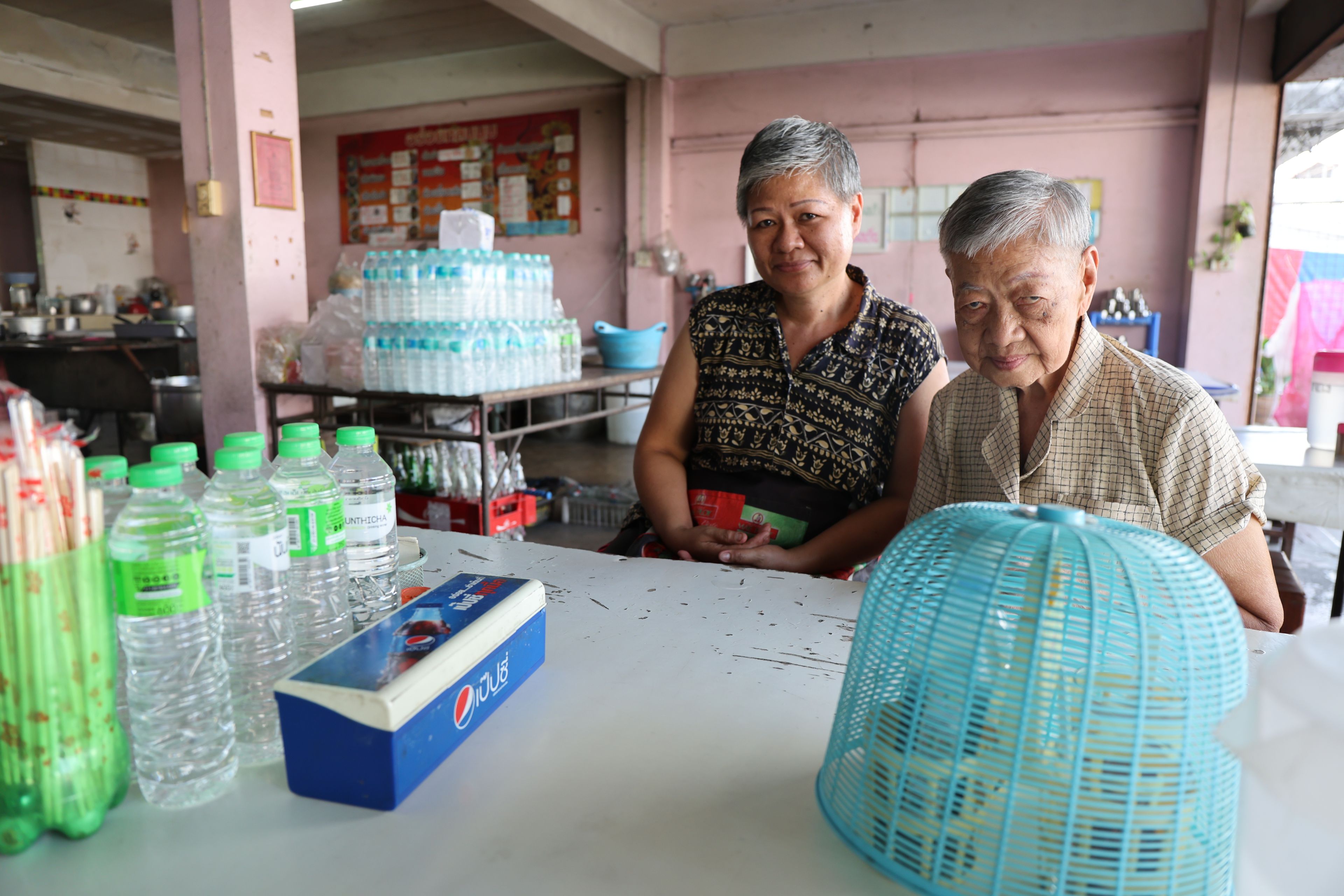
Not far from the empty crossing in Sa Kaeo, a noodle shop refuses to close. Jeeranporn Anandechsak runs it along with her mother, keeping the stoves on in a town where most other businesses have pulled their shutters down. The 7-Eleven, the American convenience store chain that has become ubiquitous across Thailand, often serving as an informal marker of economic activity in a neighbourhood, remains shuttered here. The closure of the 7-Eleven indicates that business is not as usual.
Before the conflict, people crossed the border constantly for work, for Cambodia’s casinos, and for daily trade. That flow has stopped, and 40 per cent of Anandechsak’s revenue has gone with it.
Besides the loss of livelihood, she saw the fear of death up close. She can never forget the night the rockets came. “I felt the rumbling,” she said. “I heard about the news, and it was happening not so far away. My legs were shivering and I couldn’t go anywhere.” The fear has since settled into something more grinding. “Eighty per cent of the Thai people in the area ran out of their savings,” Anandechsak said. “All because of the incident that made us leave our homes, leave our jobs—just to stay at the evacuation centre,” she explained.
The Thai baht, Thailand’s currency, trades at roughly 33 to the U.S. dollar. For context, the daily wages being lost here—300 to 400 baht—amount to roughly $9 to $12, a figure that reflects how marginal these border livelihoods were even before the conflict began.
Despite the income hit, Anandechsak does not expect relief from the government. Thailand’s government, led by Prime Minister Paetongtarn Shinawatra, has faced criticism for its handling of the border crisis, with affected communities saying official aid has been slow, inadequate and unevenly distributed. “They haven’t been doing anything in terms of communication, help or anything. They were just helping themselves,” Anandechsak said.
What she believes in is her neighbours and community. “If we ran out of money, if we ran out of food—if each one of us managed to grow some crops, we would share with one another to make sure everyone had food to eat.” But she cannot stop asking the harder question—who is profiting from all this?
Supatra, a middle school teacher, lives about a 15-minute drive away. She knows exactly what that escalation cost. During the second wave of fighting in December, a BM-21 rocket struck her home, destroying the house and a family truck. The BM-21, a Soviet-designed multiple rocket launcher that has spread widely across the world’s conflict zones, was among the weapons used during the border exchanges.
The rocket killed her chickens, her cat and her dog—Whang, whose name means hope in Thai. Whang was so badly burnt by the blast that Supatra could not recognise her. Had Supatra been home that day, she says she would not have survived either. The government gave her some money to rebuild. Not enough for the roof. Not enough for the truck.
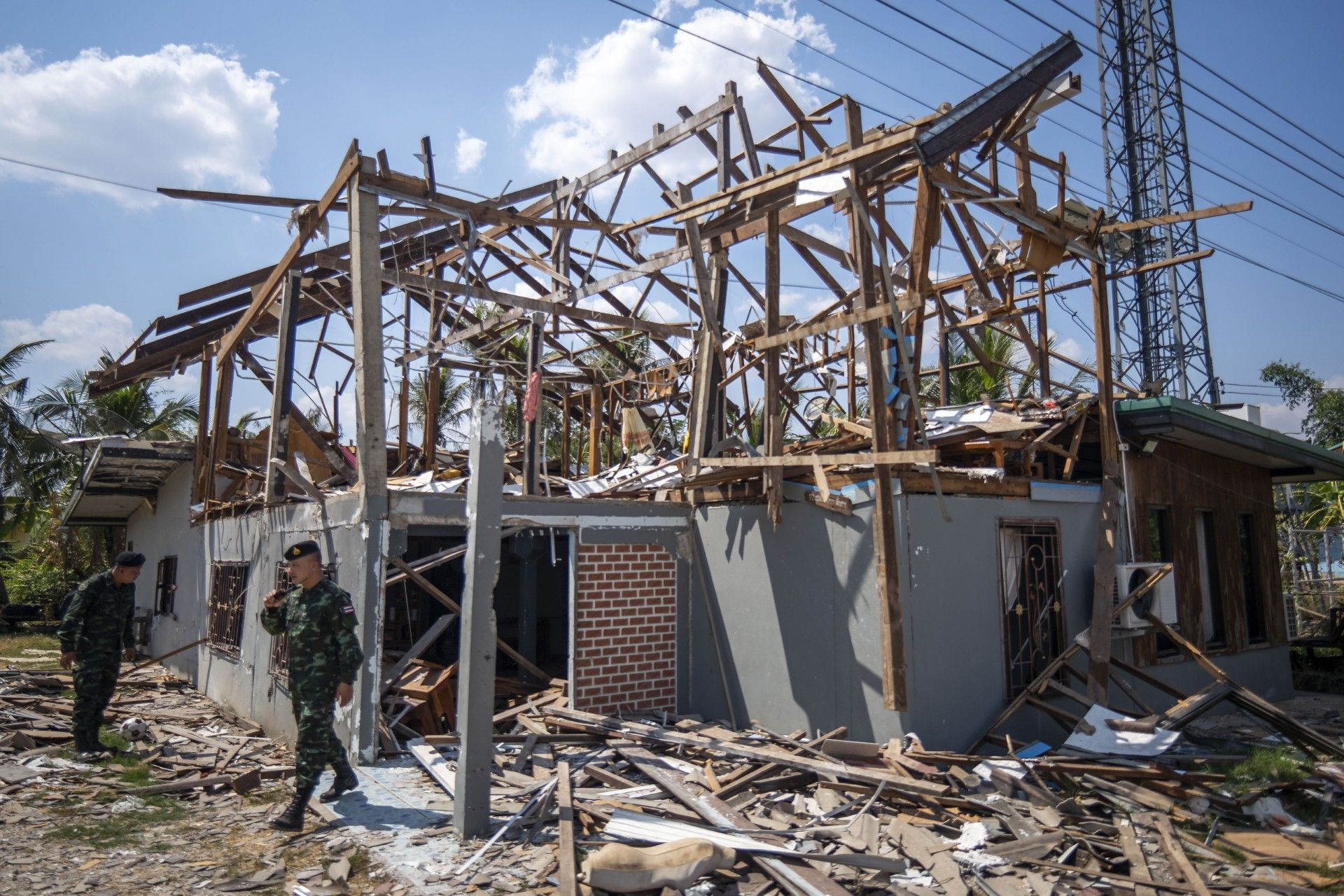
She teaches Cambodian students alongside Thai ones, a common arrangement in Sa Kaeo’s border schools, where Cambodian children have historically crossed to attend Thai schools, drawn by the quality of education and the proximity of the schools to their homes. According to a Bangkok Post report, about 3,000 Cambodian students every day cross the border to study in Thai schools, with most of them, about 1,135, enrolled in Sa Kaeo schools.
After losing her home, the transportation that provides for her family and the death of her dog, Supatra struggles with her feelings for Cambodia and her Cambodian students. Supatra said she used to treat them the same. “I used to care for the Cambodian students just like my own children,” she said. Now for Supatra, that trust is broken. “But ever since the incident, you can only trust Cambodians during the day and watch your back during the night. I don’t give out my snacks to them anymore. I have learned my lesson,” she rued.
Besides trust, the border businesses have taken the major hit. For instance, Autsadawut Sodsee’s construction equipment shop lost a good chunk of business due to the border closure. Sodsee’s family owns the Jar Jaroensub Construction Equipment Shop and used to get 30 per cent of their business from Cambodia. The only solace he had was the military contracts he secured to build bunkers. These contracts have helped absorb some of that loss.
He built many of the bunkers now lining the roadsides. His military background was put to use to keep civilians alive when the rockets came. He does not expect the Cambodian business to return. “December was the breaking point between the two nations,” Sodsee said. “I think it’s going to be like this from now on. Maybe in two or five years, things could change. However, for now, I am prepared to forego 30 per cent of business.”
He is clear about where the fault lies. It is not with the people on either side of the wire. “The villages on the border area, they didn’t have anything against one another,” Sodsee observed. “It has been escalated to this point and it’s beyond. What can the villagers do,” he questioned.
Another trader, Phen, sells fertilizer and agricultural equipment. Her sales plummeted almost 40 per cent after the border clash as she used to have several Cambodian customers. Cambodia’s agricultural inputs are mostly imported. For instance, the country imports approximately 98 per cent of its fertilizer, much of it flowing through border trade with Thailand and Vietnam. For small traders like Phen, that cross-border demand was the foundation of her business. Now, any sale must travel the long way through Laos, adding hundreds of kilometres and significant transport costs. This distance made the goods more expensive for Cambodian buyers and eroded Phen’s margins.
Phen remembers bustling streets flooded with people crossing back and forth over the border to trade. She wants that flow to be revived. However, she was not sure about the intentions of the governments. “I hope the two countries will be able to recognize that this is not what we should be doing,” Phen remarked. “But if they were able to acknowledge that what they have done is wrong, they would have stopped long ago,” she pointed out.
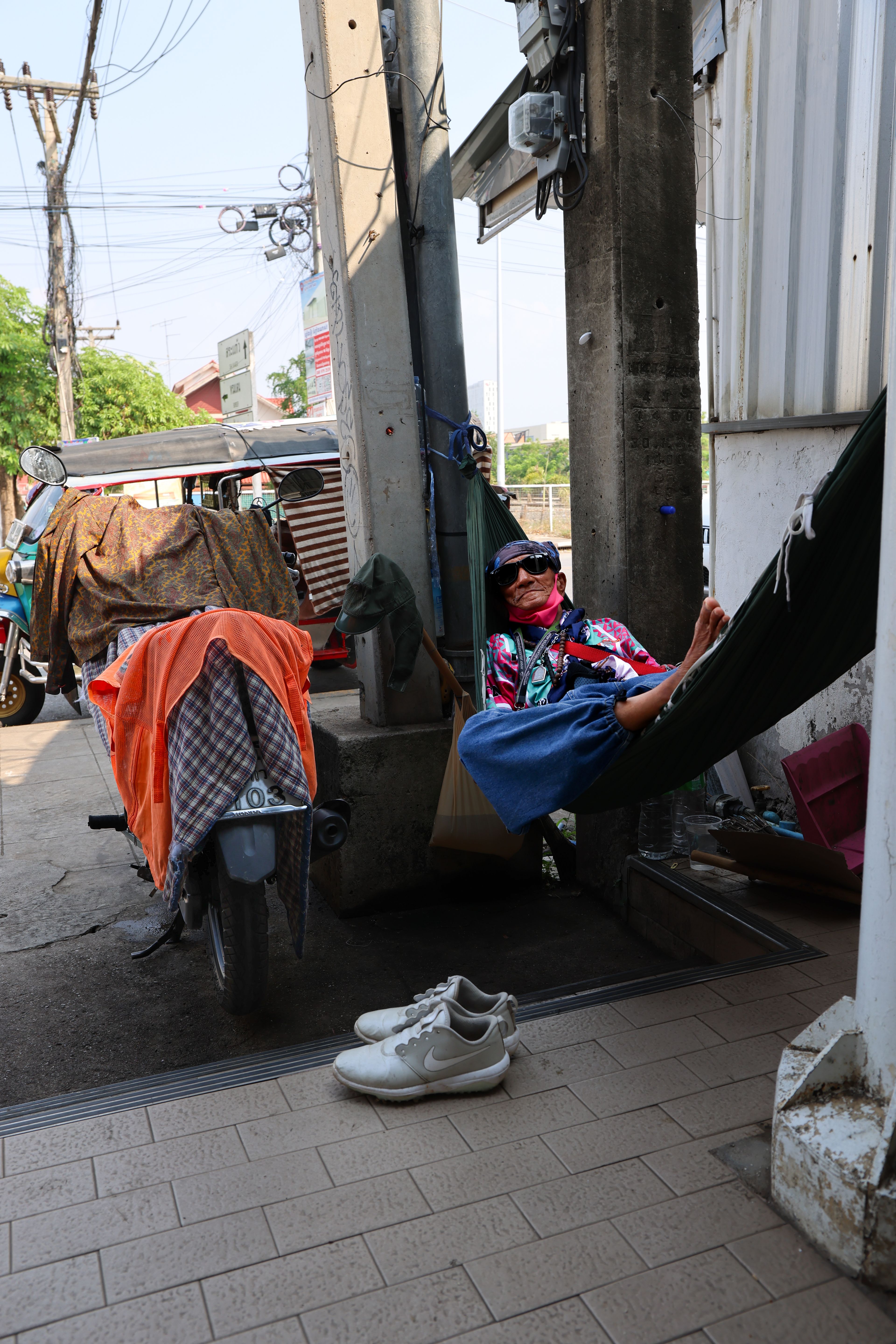
On the side of a once-busy street, in a hammock, wearing the jewellery and beads that tourists used to press into his hands, Wai Pakkard waits. He is in his 70s. He calls his accumulated trinkets fashion, “better late than never,” he said.
Before the border closed, he made 300 to 400 baht a day, roughly $9 to $12, a modest income that nonetheless kept him going in a low-cost rural economy. Now, he makes 30 baht, less than a dollar, on a good day.
“I wait for the last train to come,” Pakkard said. “If no one comes, I give up and go home. There’s no one else.” Pakkard waits too. He has less to work with. Most days, no one comes. Still, he waits.