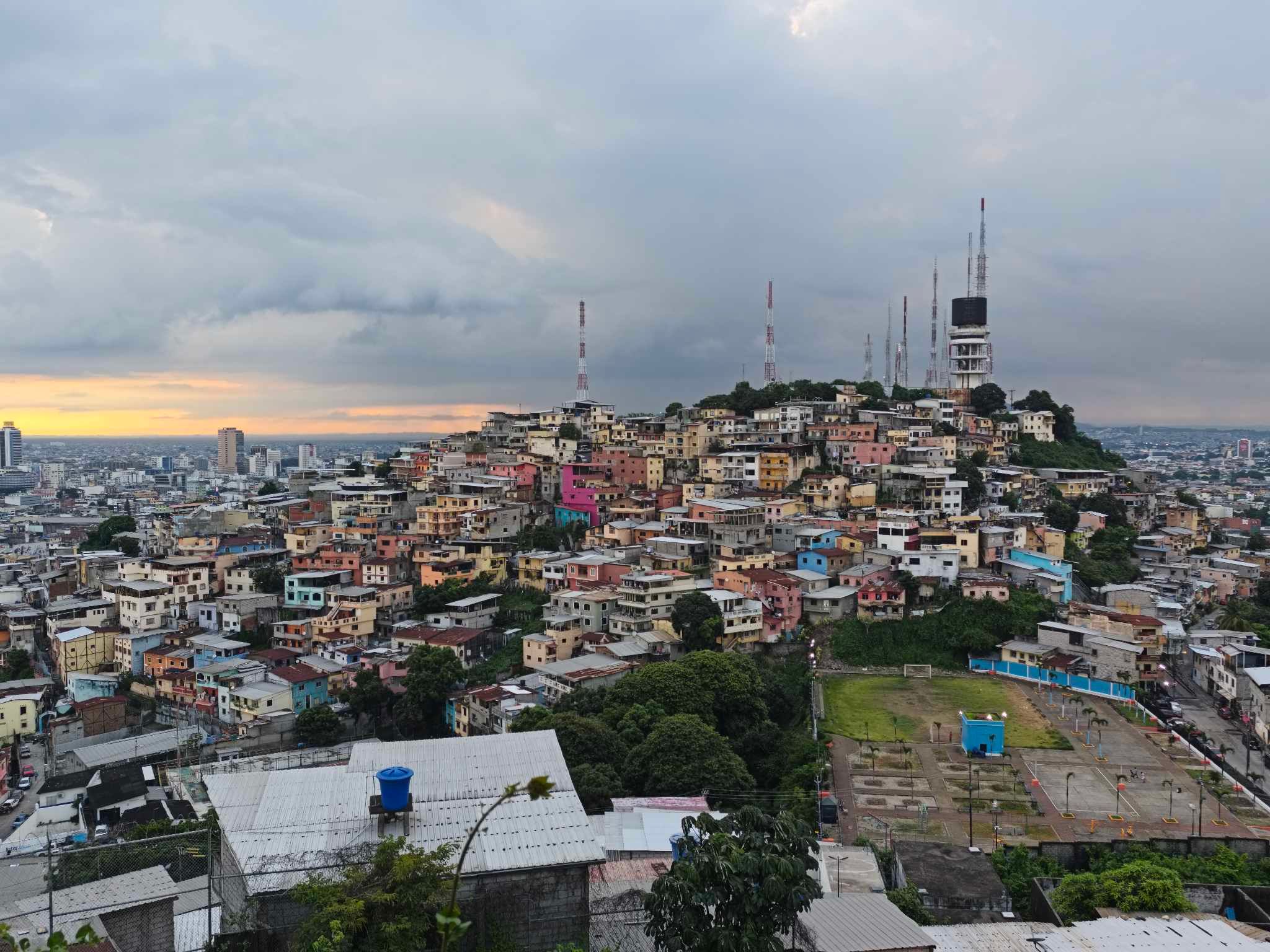
It was a midweek afternoon in March in Guayaquil, Ecuador’s largest city, major port, and economic capital. I could see a group of children and teenagers stepping out of the Nia Kali Foundation office in Isla Trinitaria, southern Guayaquil. They were cheerfully banging an assortment of drums on a street lined with grey, rundown brick buildings; a moment of joy in what otherwise felt like a bleak concrete jungle.
“Although we don’t have much, we try to care for these children and provide them with psychological support. Most of them have come from strife-ridden families and their stories touched us,” said Inés Santos, Nia Kali’s founder and community leader. Nia Kali means “intense purpose” in the East African language of Swahili. Santos told me that they work to help keep kids out of trouble through the percussion band, art and other activities. “Around here, the parents are busy working and they don't have time to look after the kids, who end up playing on the streets. That's where they sometimes end up joining gangs,” she observed.
Guayaquil, the capital city of Guayas province, gets its name from the legend of Guayas and Quil, the brave native chief and his loyal wife, who threw themselves in the river rather than surrender to Spanish conquistadors. But, in recent years, the city has earned a far darker name: GuayaKill. The city has registered the largest number of violent killings in the country, with more than 3,000 people being killed in the city in 2025.
“It’s always been rough in this area,” Santos said, “but the last two years especially it has gotten a lot worse.” Not just the city, but the entire south-western Ecuador has recently been rocked by drug-related crime inflicted by the organised criminal gangs. Two weeks ago, President Daniel Noboa deployed more than 75,000 troops to four of Ecuador’s restive provinces - El Oro, Guayas, Los Ríos, and Santo Domingo de los Tsáchilas. Including Guayaquil, these provinces were placed under night curfew for 15 days between March 15 and 30. During this period, the residents were not allowed to leave their homes between 11 pm and 5 am, but for a few exceptions.
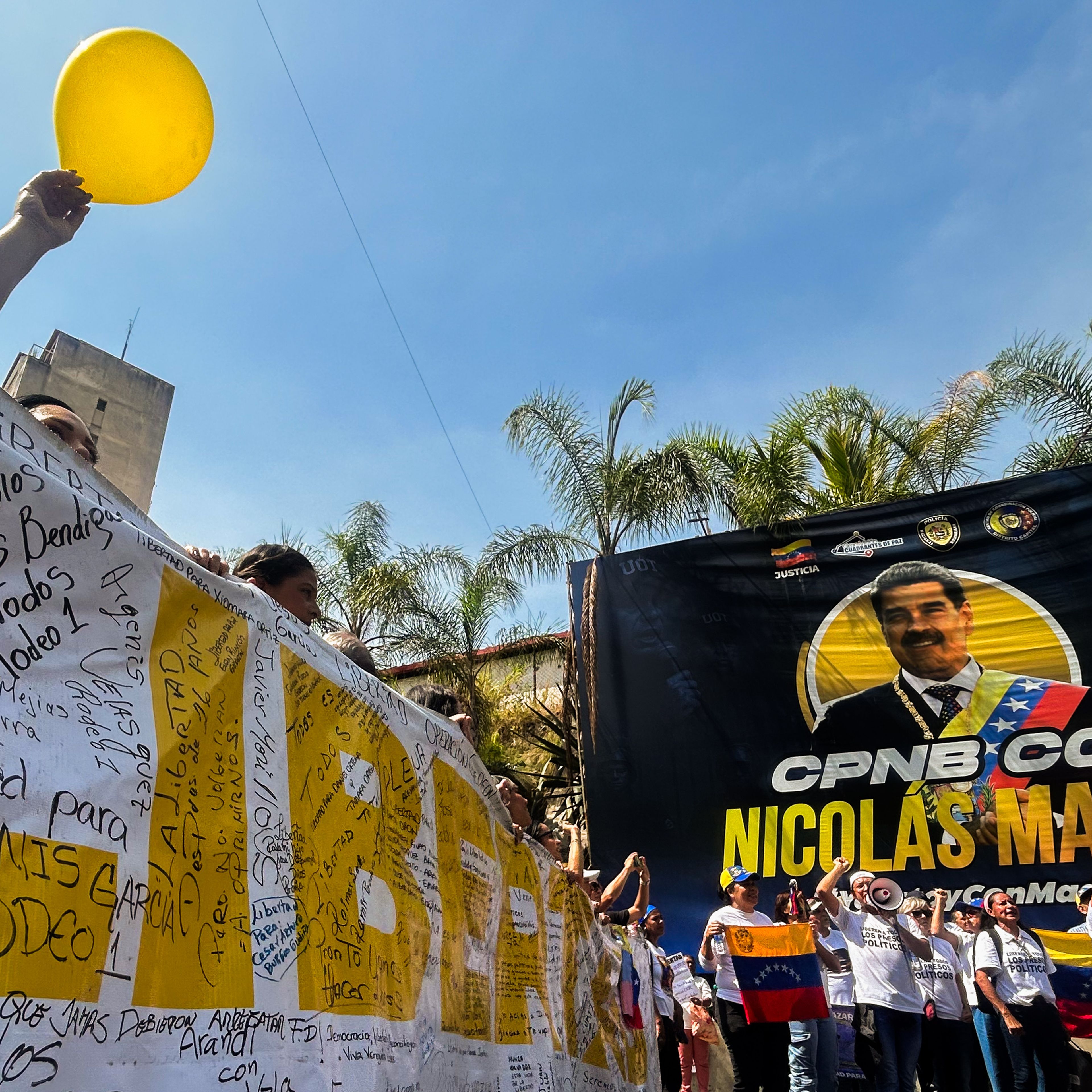
A quick US military intervention followed, as the current government maintains friendly relations with the Donald Trump administration. Under this deepening alliance, U.S. special forces launched “Operation Absolute Resolve” in early 2026 to assist their Ecuadorian colleagues. It is not clear exactly what role they’re playing, but under President Donald Trump, the US is aggressively asserting itself in the Western Hemisphere under the guise of the “war on drugs”: in January, Delta Force commandos snatched Venezuela’s president Nicolás Maduro, who has been indicted for drug trafficking, from his home in Caracas.
Once one of Latin America’s most peaceful countries, gang warfare in Ecuador escalated dramatically in the early 2020s due to the turf war among the underworld factions. These factions have been warring for control of the nacro business and the brute power that comes with it. Last year was Ecuador’s bloodiest yet, with 9,216 violent deaths, falling behind only Haiti and the Turks and Caicos Islands as the most murderous nation in the Americas. This is more than 35 per cent increase in the murders from the previous year, with a rate of over 50 deaths per 100,000 residents.
Today, Ecuador is considered the deadliest country in South America. The homicide numbers of Ecuador cannot truly be compared with those of Haiti, a failed state, and the Islands, whose small population of 45,000 shows a few murders statistically massive. What struck me most was how concentrated the violence has become. While half of the deaths occurred in Guayas province, a third of those murders took place in or around Guayaquil, ground zero for the security crisis.
Narco violence anywhere in the country reaches Guayaquil in no time. For instance, in January 2024, a powerful kingpin nicknamed ‘Fito’ escaped from a city prison, prompting President Noboa to declare a nationwide state of emergency. The mafia fought back car bombs exploded, prison riots erupted, and even a TV crew was held hostage live on air in their own studio. Even after two years, the ongoing onslaught is most acutely felt in Guayaquil’s poorest neighborhoods. “We see a huge problem that the mafia and gangs are recruiting underage kids,” explained Billy Navarrete of the Permanent Committee for the Defense of Human Rights (CDH), a non-government organisation based in Guayaquil. He explained how these gangs embedded themselves in the communities and recruited the youngest kids for a certain type of work. This allows the children to earn an income and feel a sense of power in the really poor conditions in which they live.
As we continued our conversation, it became clear how systemic this recruitment has become. Children are naïve and easily manipulated. What works in favour of the gangs is that children face lighter punishment than adults if they’re caught breaking the law. Until recently, the maximum penalty that could be imposed on adolescents between 12 and 18 was eight years’ imprisonment. The government has raised this to 15 years in 2025. According to a report by Ecuadorian researcher Katherine Herrera Aguilar, the kids are promised a quarterly salary of up to $4,000, in addition to being allowed to stay in the gangs’ safe houses.
These kids are mostly used as campanas [“bells”, meaning lookouts], and their job is to report everything: who’s going in and out of the neighbourhood, the police, a stranger, or something. Or they're used to transport drugs from place to place, because the police don’t usually check children. Official estimates now indicate that over 3,000 Ecuadorian children are directly linked to criminal gangs, frequently prepared for combat roles by groups like Los Lobos and Los Choneros.
“Here, we try to keep the kids distracted so they can stay away from the illegal stuff. We try to create a safe space here – if the kid has been in trouble, we try to incorporate the lessons from their mistakes into our activities,” explained Santos.
However, in Guayaquil, narco gangs are not the only problem. I have soon realised that the danger could also come from the law protectors. “We don't have any problems from gangs [at the Foundation] because they know our work and they don't generally mess with me,” said Santos. But, apparently, the kids are also facing problems from the people who are supposed to protect the law.
“Once police arrived on motorcycles to the Foundation and started beating up a boy from another neighbourhood. They had no excuse for what they were doing, so we have started shooting everything on our phones. We saw an officer going to his motorcycle to take a package of drugs so he could plant it in the kid’s clothes. But when they realised we were filming them, they just stopped and drove away.” In some cases, the police officers are accused of working with the cartels and even have trained kids how to use weapons.
The boy was indeed lucky that day, unlike several hundred other boys who were tortured and killed. On December 8, 2024, four boys aged between 11 and 15 were walking home from football practise in the impoverished neighbourhood of Malvinas in Guayaquil. They were stopped by an army patrol, stripped naked, beaten and left in a desolate area. A few days later, their charred, dismembered corpses were discovered near a military base. As the human rights organisations fought for justice for the “Guayaquil Four”, a court ordered a sentence of more than 34 years of imprisonment for 11 soldiers. However, the specific responsibility of murder is yet to be fixed.
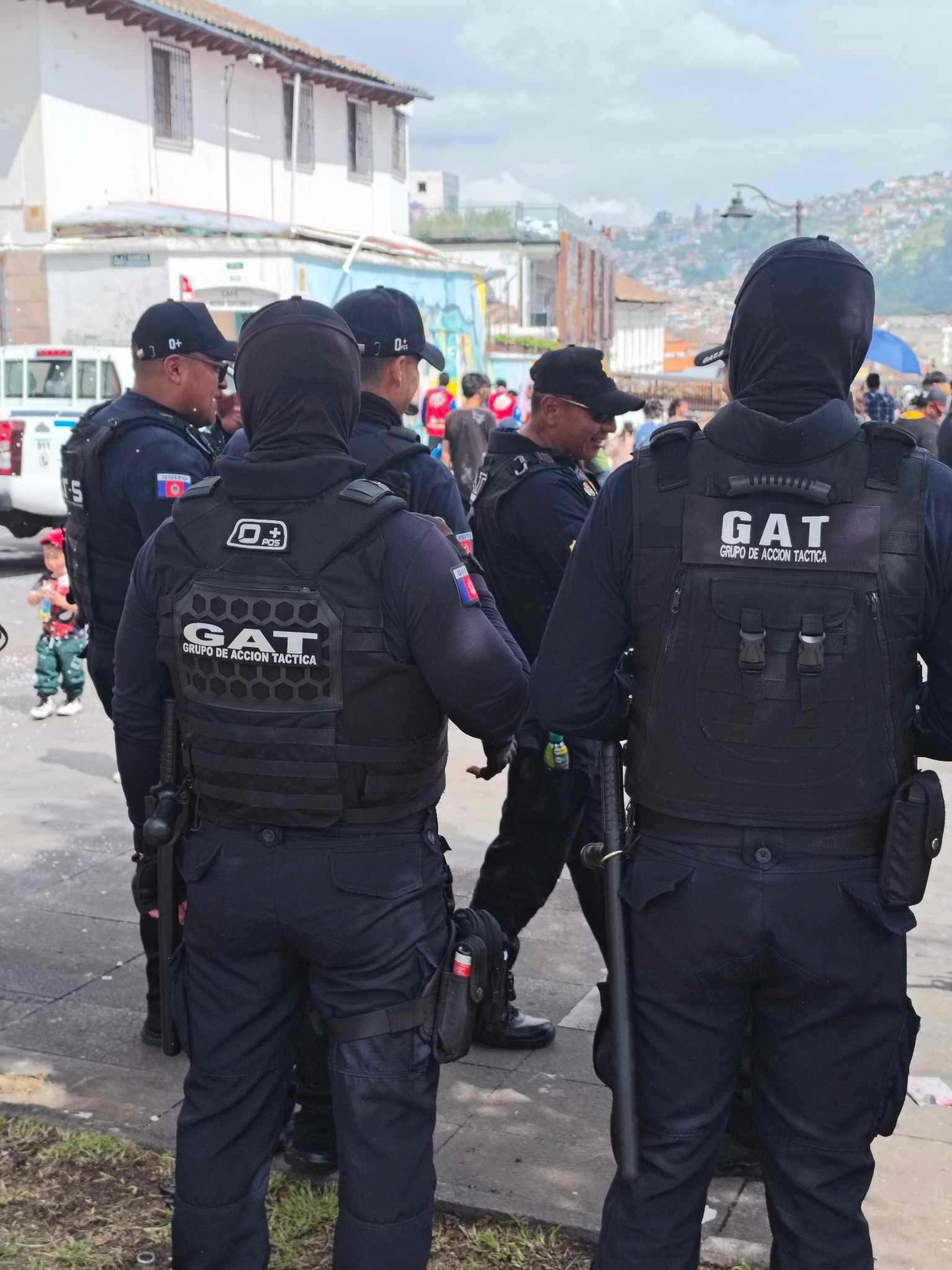
It is clear that narco violence and government “countermeasures” are hitting the children and youth of the poorest sections of society hard. In this landscape where Ecuador turns into a narco state, children are cannon fodder for both the cartels and the state. “[The war on drugs] is an instrument of terror against the poorest sectors of the country,” remarked academic and political commentator Marcelo Larrea. “Among the 9,216 killed last year, most of them were imprisoned by the Noboa’s government; they are teenagers and very young people who are at the very lowest reaches of the distribution chain.”
Ecuador sits on the Pacific coast of South America, right between Peru and Colombia – the two top producers of an illicit drug hugely in demand across richer countries: cocaine. Via the Pacific, smugglers can access markets in Asia, Australia, and the western seaboard of the United States.
Isla Trinitaria locality occupies a strategic place in this supply chain, being home to the Port of Guayaquil, the largest and busiest port in the country. This is not a seaport; it is a riverine port built on the banks of the Guayas River, about 57 km away from the Pacific Ocean. It connects Ecuador’s agricultural heartland to global markets in North America, Europe and Asia. This geographical marvel plays a major role in the country’s economy.
However, this port has been getting attention for the wrong reasons. This privately-held port is reportedly responsible for nearly a third of the cocaine discovered leaving Ecuador last year. For this reason, this port attracted the attention of drug cartels. As Ecuador’s main port, the bulk of maritime traffic passes through Guayaquil, and the sheer volume of shipping containers makes it impossible to thoroughly check them for contraband.
International crime syndicates, including Mexican narcos and the Albanian mafia, have brokered alliances with local mobs. The Sinaloa Cartel, based in the Mexican state of the same name, was the first to infiltrate Ecuador in the 2010s, partnering with the Los Choneros gang to handle logistics and transport. Meanwhile, their chief rivals, the Jalisco New Generation Cartel (CJNG), allied with another outfit, Los Lobos (the Wolves). In February, the CJNG’s godfather, Nemesio Oseguera Cervantes, aka ‘El Mencho,’ was shot dead during a gun battle with Mexican troops, sparking major unrest as his henchmen rampaged through Mexico.
To understand the mechanics, I interacted with a cartel insider over encrypted chat. “This is how it works,” explained a veteran member of Mexico’s Sinaloa Cartel over encrypted chat. “You place an order let’s say 200 kilos of coke – and from Ecuador, we can ship it anywhere in the world. We already have the system set up. Ecuador exports a lot of fruit, and we put it inside one of those big metal shipping containers that go on a ship. You don’t have to worry about getting it through customs – we already have companies we work with, and the [fruit] shipment is legit. But once it reaches your port, you’ve got to collect it yourself.”
This is known as the "rip-on/rip-off" method, where either corrupt dock workers or local criminals are hired to retrieve the goods from shipping containers before customs inspectors are any the wiser. Fruit shipments are the perfect cover, since there’s only so long they can be held up before they start to rot.
Last year, a scandal erupted when it transpired that banana shipments dispatched by Noboa Trading Company, the president’s family business, had been used to conceal hundreds of kilos of white powder bound for Croatia. While smugglers often “piggyback” their goods by hiding them alongside legitimate cargo without the original owners’ consent, it’s likely that someone with intimate knowledge of the complex shipping process was involved. When the issue was raised during an election debate, Noboa denied any connections between his family and the narcotics business. No one from the Noboa family business has been indicted.
“We accept payment through cryptocurrency half now, and half on delivery,” the Mexican narco continued. But now, they need someone to stay behind with them as a guarantee until the shipment reaches the destination. This arrangement was introduced after they had a “bad experience” in Australia, where the Chinese mafia took the merchandise, but they didn’t pay. The narco did not elaborate whether the Chinese recipients suffered any consequences.
Stepping back, the broader pattern becomes difficult to ignore. Under Trump, the war on drugs now resembles a military campaign, regarding drug traffickers as enemy combatants. But though this is certainly a new element, the overall strategy of attacking the supply chain is not. For over half a century, the US has backed counternarcotics efforts in Latin America. Since the 1970s, it provided Colombian security forces with billions of dollars’ worth of training, hardware, helicopters and intelligence for their struggle against narcos and guerrillas.
It didn’t work. Wall Street types still wanted to powder their noses, and by 2024, Bloomberg reported that cocaine was only behind oil as Colombia’s most valuable export. Meanwhile, the price of coke across Europe is dropping, suggesting not only that demand is being met, but also there is oversupply.
Can more of the same war truly yield different results? While failing to stop or even slow the avalanche of cocaine, the war on drugs has had unwanted repercussions on Ecuador. Fito, the boss of the Los Choneros cartel, was caught hiding in a secret bunker beneath a three-story mansion in his hometown of Manta in June last year, after a year-and-a-half on the run. But instead of making the streets safer by locking away a dangerous outlaw, the opposite happened: Manta was swept by a massive wave of murders as Los Lobos, the competing group to Los Choneros, took advantage of the situation to move in on his territory. Today, Los Lobos is considered one of the most violent and powerful criminal organizations; designated as a Foreign Terrorist Organization by Ecuador and the USA. The same pattern – the fall of a criminal leader sparking chaos – can be seen in Mexico and even Europe.
But this is indeed beneficial to certain parties and good for the illicit drug business. “Counter-intuitively, the violence helps keep the price [of cocaine] up. It's part of the business to keep them fighting each other.” Larrea explained. For instance, one kilogram of cocaine costs only approximately $2,000 in Colombia, where it’s produced. By the time it reaches the United States, the price rises tenfold. This difference cannot be explained by taxes, tariffs or other fees, as with legitimate goods. Instead, as studies by economists have shown, the prices are inflated to compensate all parties in the supply chain – smugglers, distributors and so on – for the possibility of being arrested or killed. High risk, high reward. No one is going to aim a gun at you for selling lollipops. Therefore, conflict keeps the business profitable.
Most of the time, profiteers don’t get killed in this process. I understood that most of the casualties in Ecuador’s drug war are minor league dealers and teenage foot soldiers: nearly half of the murder victims last year were younger than 29-years-old, including almost 600 children. But no matter how many are killed or otherwise incapacitated, there’s no shortage of young men and women from the slums of Guayaquil eager to take their place.
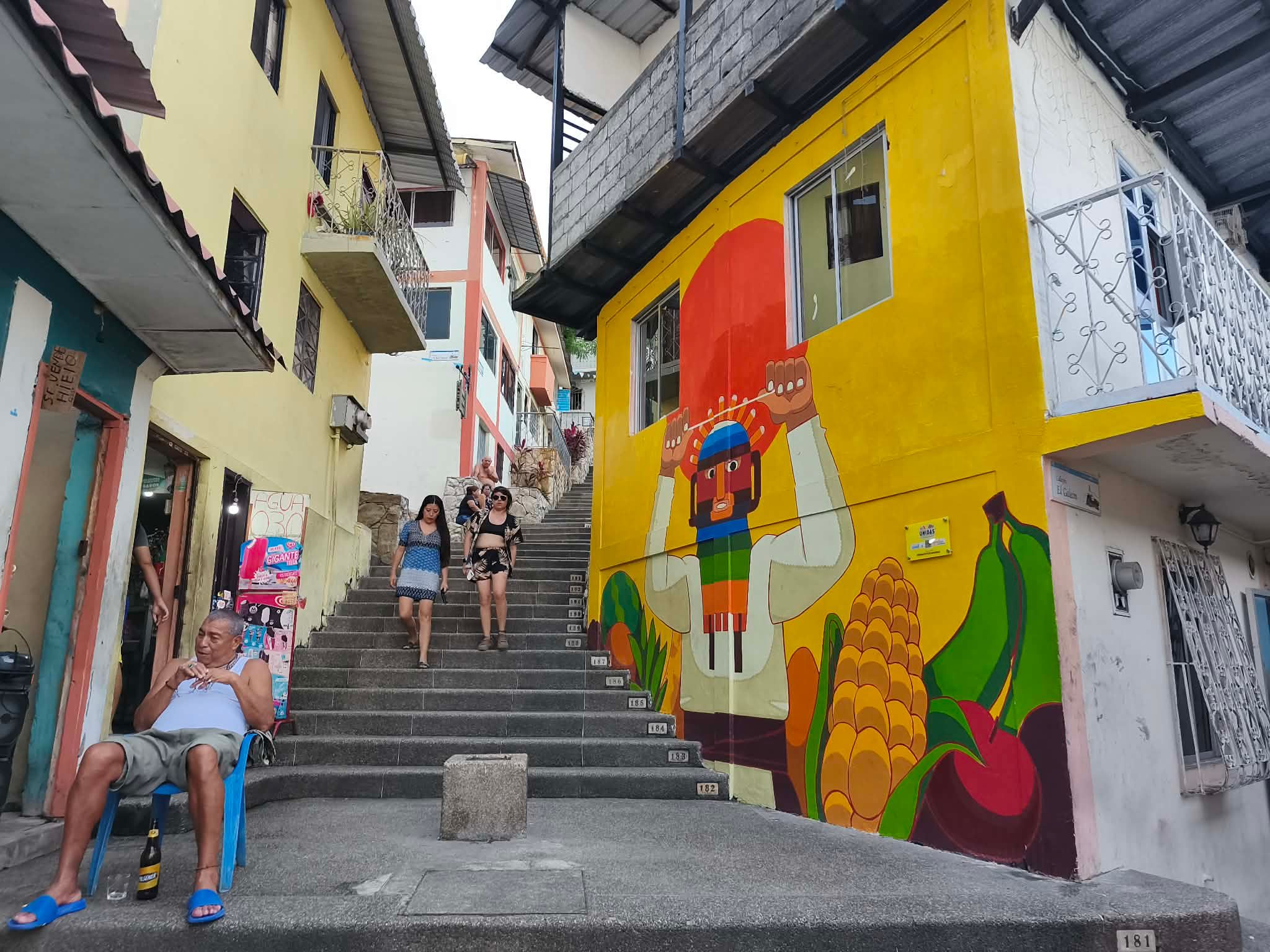
“The government has abandoned this area,” Santos said of Isla Trinitaria. “There is no security, education, no anything. And each year it’s getting worse and worse. And if the government are not doing their job, then the parents cannot do their job, and the kids are out on the streets. The women are doing the job of the government.”
Navarrete believes that merely flooding the streets with soldiers and law enforcement to round up suspected gang members, as the government has done in Guayaquil, does not address the root causes of the problem. “There is nothing to complement the military presence in these communities. There are no healthcare or education services in the communities. The military actions have only caused a terrible humanitarian situation in the prisons; forced displacement, without any attention to the families [forced to flee]; the recruitment of minors by criminal gangs, without any kind of plan for mitigation,” he explained.
Ecuador’s drug cartels are not just street gangs of juvenile delinquents. They are mafias deeply embedded within the country’s political and business structures. For example, last year, prosecutors charged former interior minister José Serrano with facilitating the assassination of presidential candidate Fernando Villavicencio at a campaign rally in 2023. Villavicencio had been outspoken against organised crime and received threats from narcotraffickers.
“The mafia has always used the state structures, but now the business is much bigger,” stated Navarrete. According to him, much of the drug traffic is being done with the consent of [corrupt elements in] the national government and the armed forces. “The presence of the US military is much greater now, even more than Plan Colombia in the 2000s. So now they are using [the state of emergency] to manage their business,” he alleged.
Ecuador's former chief prosecutor, Diana Salazar, made battling corruption a priority, and indeed many crooked officials were locked away before the end of her tenure last year. But neither this nor rounding up troublesome teens tackles the critical issue of supply and demand. Cocaine costs ten times more in Los Angeles than in Bogotá, not only because of the risk, but because customers are willing to pay that amount for a euphoric sensation. And until they stop shovelling white powder up their noses, it's hard to see how narcotrafficking will ever be defeated. The problem lies with customers in developed countries. The US government, which wages “wars on drugs,” should look for solutions elsewhere.