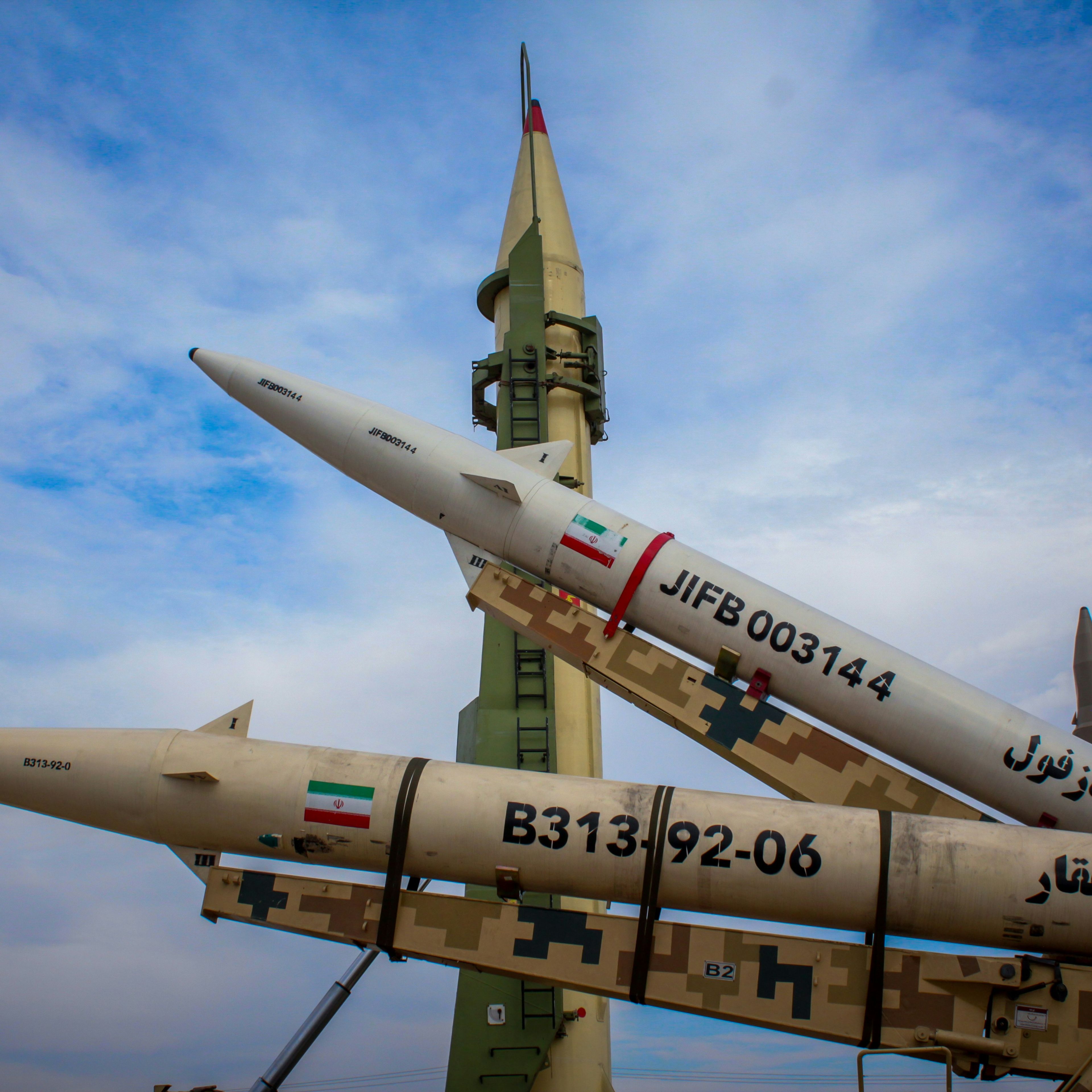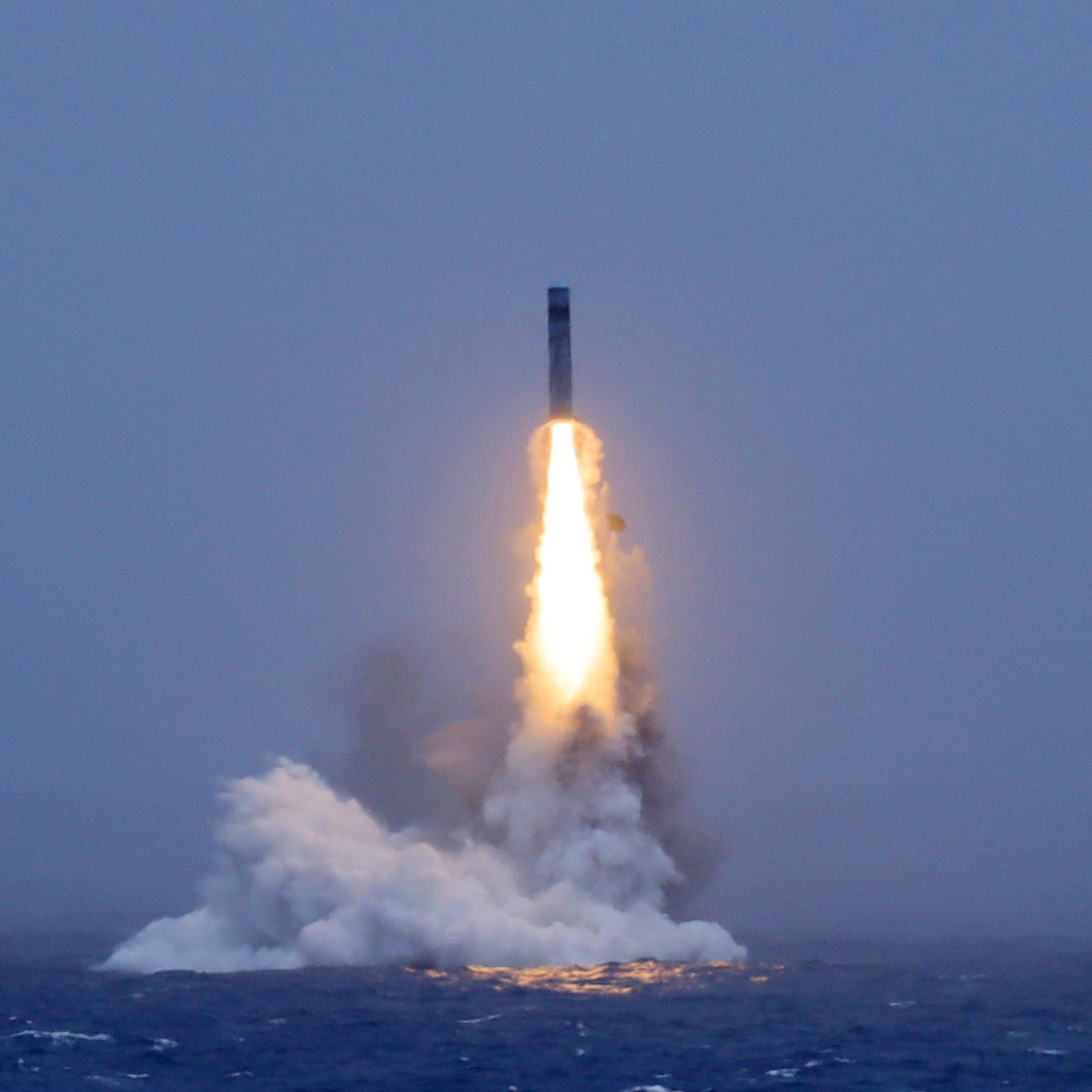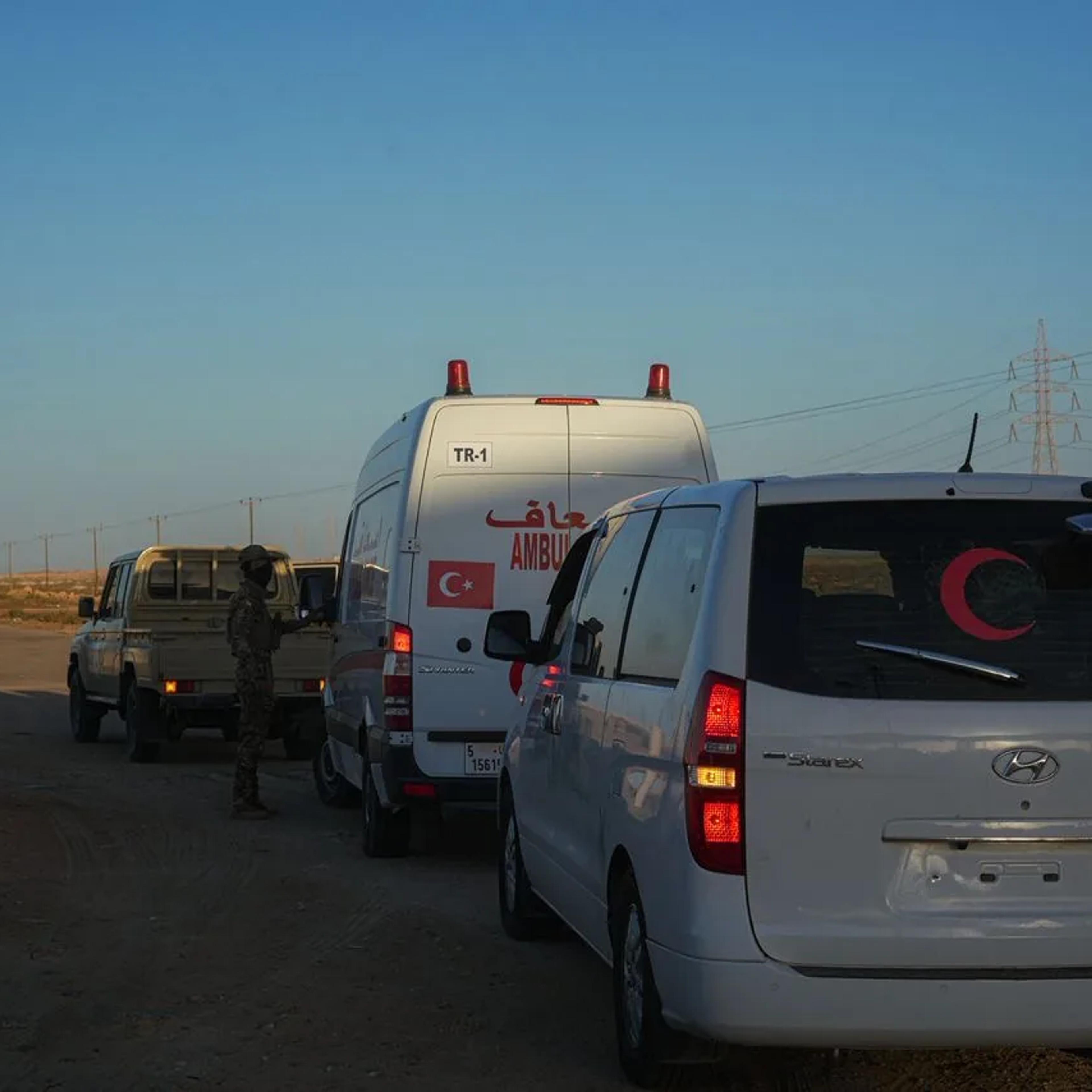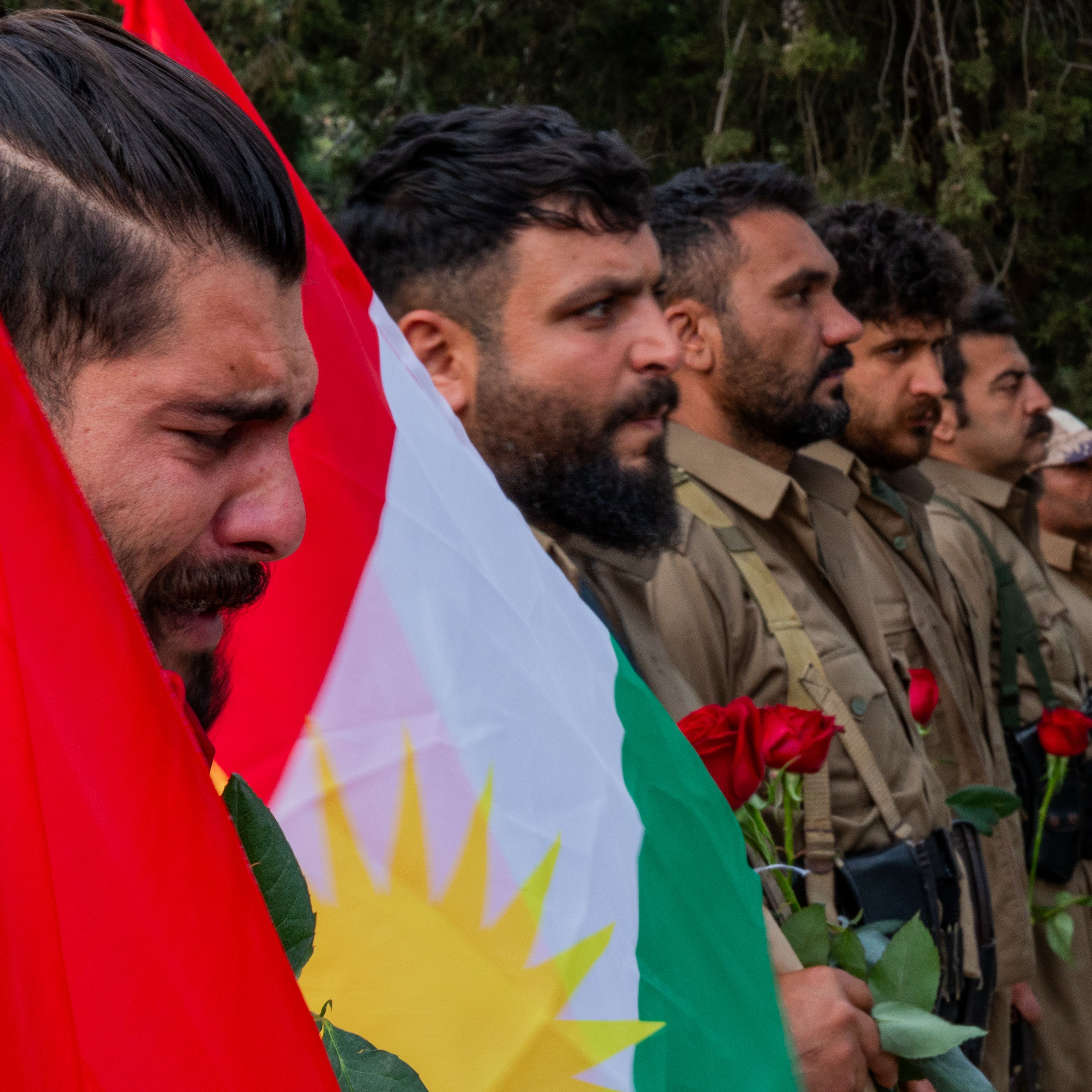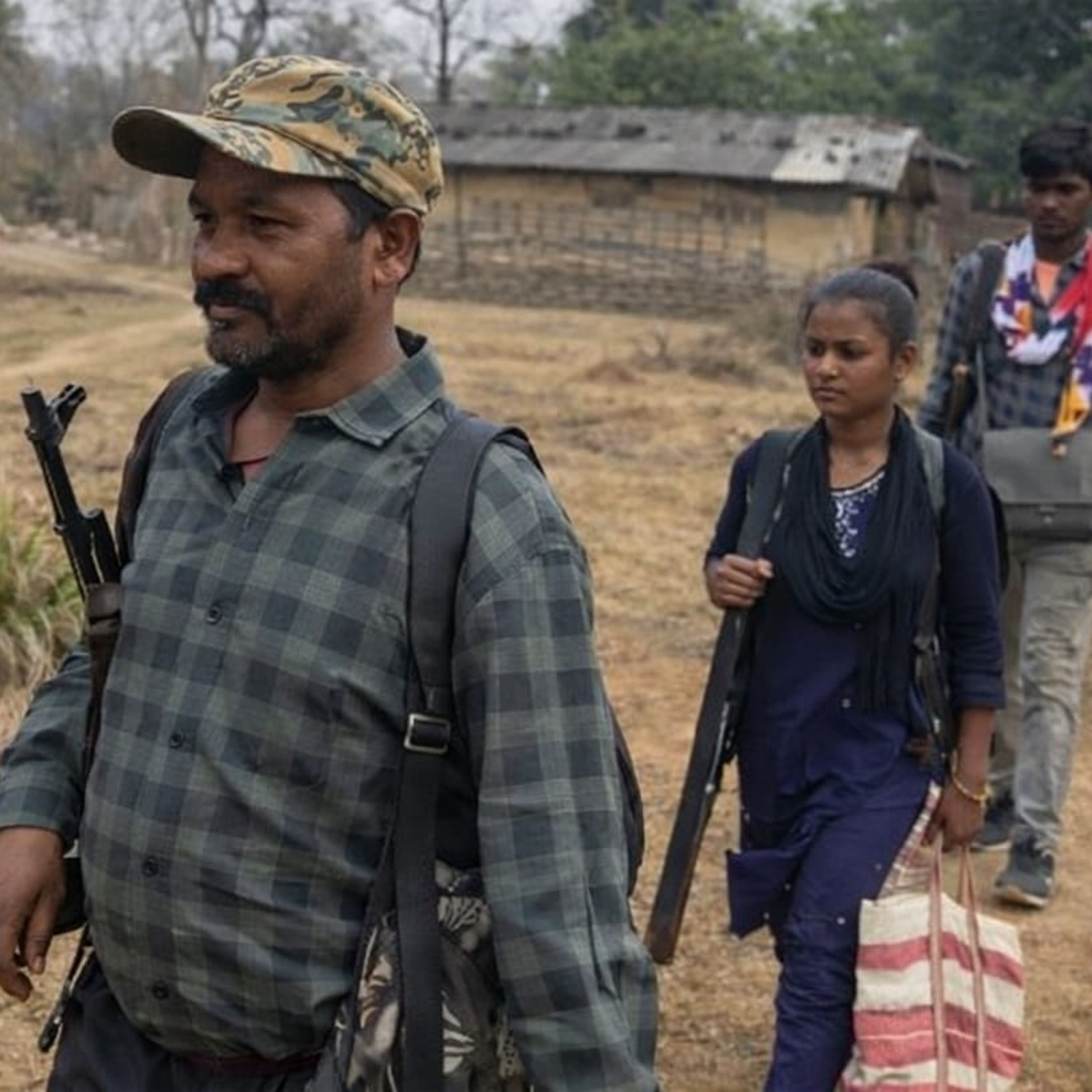
A day after reversing its earlier decision to lift sanctions on Iranian oil, the US hit the port city of Chabahar on Thursday (July 9, 2026). The India-backed port is an important geopolitical landmark. It helps connect India to Afghanistan and Central Asia. On Wednesday,the US hit Iran with dozens of strikes, which hit its air defence systems among several other key military infrastructure including more than 60 Islamic Revolutionary Guard Corps’ (IRGC) small boats. Iran retaliated with strikes on Kuwait and Bahrain.
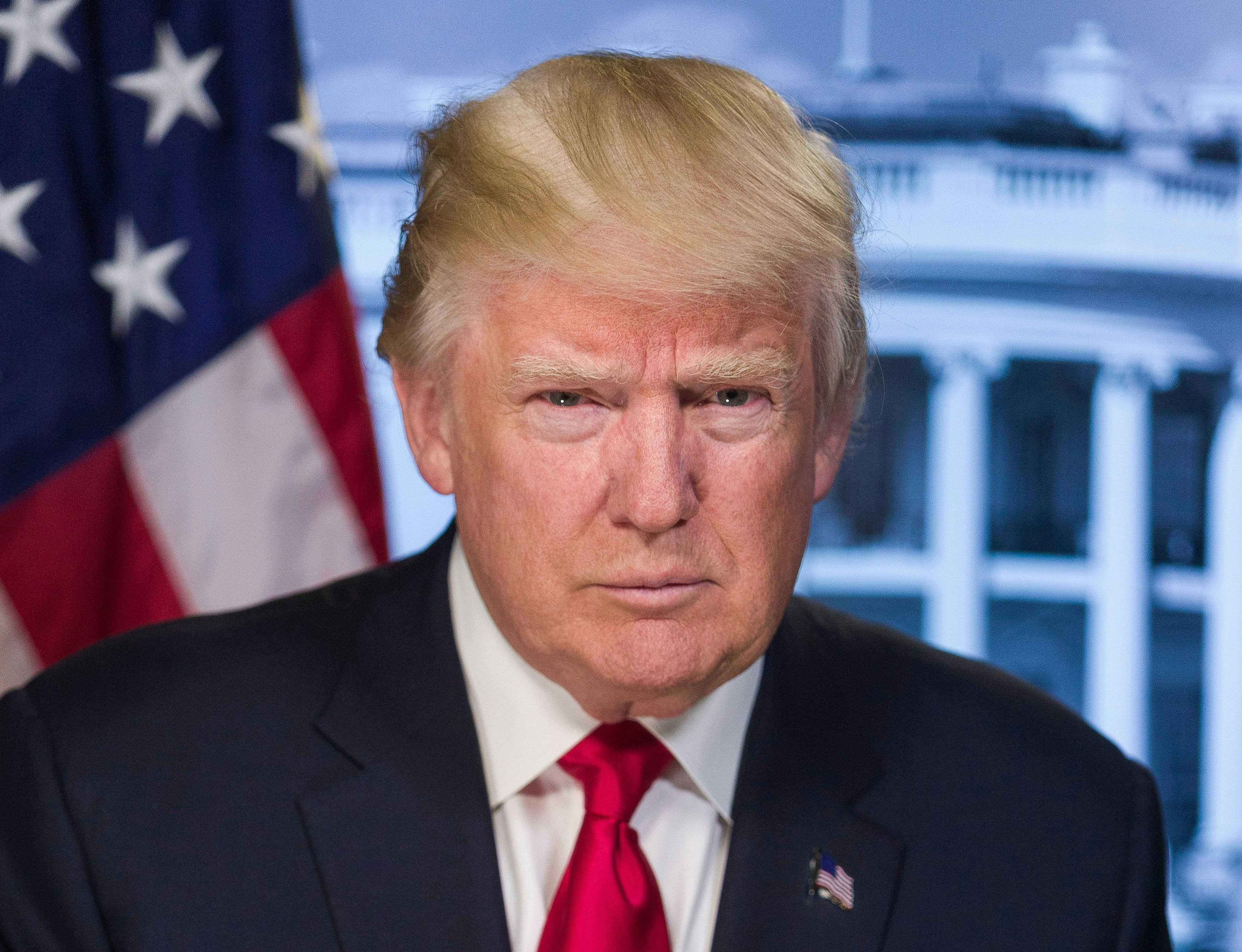
Following the military developments, the signing of the Islamabad MoU appears to be a pause button on the war in the Middle East instead of a permanent ceasefire. US President Donald Trump had, on July 8, indicated that the US would continue talks with Iran.
Even as the US imposed sanctions on Iran, the Chabahar Port remained an exception – it enjoyed tacit geopolitical acceptance in Washington’s eyes. The attacks indicate that things may now take a turn for the worse. Notably, while speaking to reporters at Ankara in Turkiye, Trump said that the ceasefire with Iran was ‘over’.
Chabahar held a larger geopolitical significance for India — it was a long-term investment for India’s connectivity ambitions. It is also located in Iran’s southeastern coastline, just outside the much contested Strait of Hormuz. Iran has time and again attempted to dictate rules regarding passage of international vessels along the strait. One of the main casualties of the war between Iran and the US has been the control of this very significant trade route, causing a shortage of crude oil in India, Pakistan, Philippines and Kenya among other nations, and leading to high fuel costs.
With the strikes on Chabahar, has the possibility of peace between the US and Iran reached a point of no return? Chabahar was crucial as it supported Iran’s economic growth and it was an instance of how American sanctions accommodated Indian interests. Once again the US had underscored how relief from sanctions is conditional to Iran’s ‘good behaviour’.
The strike, just off the port, also demonstrates how strategic centres often become vulnerable when tensions escalate. Another example of this is the Red Sea caught in the fray of the Ukraine-Russia war.
India has been juggling between viable suppliers of oil against such a backdrop. When in 2022, war broke out in Ukraine, Russia offered deep discounts. In 2024, political shifts implied mounting pressure against trade with Russia, leading India to turn towards West Asia for its crude oil needs. When tensions erupted in the West Asia, it had to seek US’s approval to buy oil from Russia — the US issued selective sanction waivers later. When there was temporary peace, India again looked to diversify its oil supplies. Now once again, it will have to rely on Russia.
The situation also reinforces the relevance of China’s Belt and Road Initiative. China building infrastructure in the form of transport routes across Central Asia signals the need for resilience in times of geopolitical uncertainty and military escalation. The last few months have been witness to the short-lived nature of peace treaties in current times, with stakeholders using them as temporary tools of leverage.