
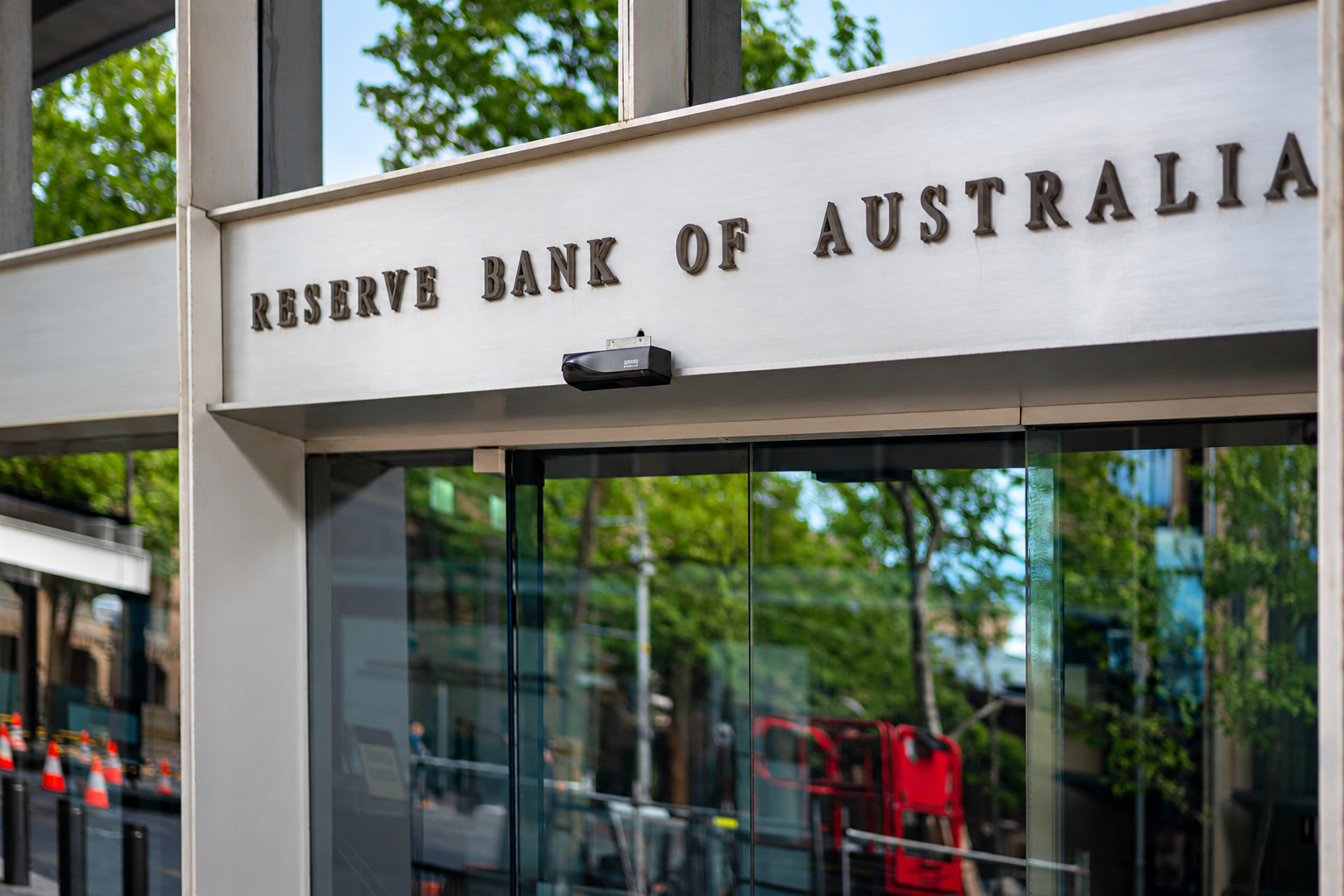
Borrowing is getting more expensive around the world, and Australia is not escaping it. But the country has far less debt than most rich nations, and its central bank has already raised interest rates four times this year, making it resilient enough to cope better than the US or Europe, Bloomberg reported.
What is happening?
Governments borrow by selling bonds. A bond is simply an IOU: the government promises to repay the money in full on a set date, which could be two, ten or 30 years away, and to pay interest in the meantime. Buyers include banks, pension funds and ordinary savers.
When investors turn nervous, they sell those IOUs, driving up the interest rate that the government has to offer to borrow. That rate is known as the yield. That is what has happened since the West Asian conflict began. After US and Israeli strikes on Iran on February 28, and the closure of the Strait of Hormuz, investors began dumping government bonds. They feared that costlier oil would push up prices everywhere and force central banks to raise rates. The selling has come in waves, most recently in the third quarter, as hopes of a deal faded and Brent crude jumped 42 per cent to above $100 a barrel.
Each time, bond prices fell and the yield rose.Yields have surged around the world as stubborn inflation, heavy government spending and the artificial intelligence investment boom force investors to rethink how high interest rates may need to stay. An oil-price surge linked to the West Asian conflict has added to the pressure.
The US ten-year yield hit its highest since 2002 this week, and Germany’s topped 3.6 per cent, a level last seen in 2008. Japan’s has crossed three per cent for the first time since 1996. US yields fell overnight, offering some respite, but the broader trend is clear.
The effects reach well beyond government budgets. Higher yields can mean dearer mortgages and business loans, and a bigger bill for servicing government debt, which leaves less money for everything else.
Australia’s ten-year yield jumped last month to its highest since 2011, and has climbed to about 5.4 per cent from 4.6 per cent in early July. Yet its bond market is holding up better than most. Local bonds lost less than half as much as US and global debt, which is a sign of how differently investors see the country.
Why is Australia faring better?
It owes less than most other developed countries. Lenders worry most about governments that owe a lot, because the more a country borrows, the more it must pay in interest and the greater the risk it struggles to repay. Australian federal debt stands at about 34 per cent of the economy in the May budget forecasts, with an annual deficit of about 1 per cent. France’s debt is around 117 per cent of its annual economic output, and Japan’s is more than double. Japan’s debt payments are estimated to take more than a quarter of government spending this financial year.
Australia’s interest bill is far lighter. Across all levels of government it is forecast at 1.8 per cent of national income in 2026-27. Its AAA credit rating, relatively low debt and improving budget position give investors extra comfort. In a global bond rout, being boring may not be such a bad thing.
Its central bank moved early. The Reserve Bank of Australia lifted its cash rate to 4.60 per cent on September 29, its fourth rise this year and the highest in about 15 years. Inflation is what bond investors fear most, because it erodes the value of the fixed payments that their IOUs promise. A central bank that acts early signals it will not let prices run away.
Investors now think the Reserve Bank of Australia (RBA) may be nearing the end of its rate rises, because the economy is losing momentum. Unemployment is near a five-year high, house prices are falling and August inflation came in softer than expected. Governor Michele Bullock hopes four rises this year will be enough.
In contrast, the US is heading the other way. A resilient American economy and elevated oil prices have prompted the Federal Reserve to resume raising rates, and traders are betting on three more over the coming year, against just one from the RBA. The gap between Australian and US ten-year yields has narrowed to about 0.12 percentage points, and Australia’s could dip below America's for the first time in more than a year.
What it means for households
If local yields can resist the global surge, that should help contain some of the upward pressure on borrowing costs. That matters at a time when mortgage holders are already absorbing the steepest cash rate in about 15 years. Inflation accelerated to 4.0 per cent in August, well above the RBA’s two to three per cent target, driven by fuel costs and the end of fuel-tax relief, although the underlying measure the bank prefers was slightly softer than forecast. Bullock has not ruled out more increases, and a weakening economy cuts both ways: it eases pressure on the RBA but strains households and firms.
Australia may be better sheltered than most, but it is still caught in the same storm.