Imagine a city of 900,000 people in which 12,000 are living with the Human Immunodeficiency Virus (HIV), and many more may be infected without knowing it. This is the crisis Fiji is facing. Across the world, HIV medicines are available and the disease has become manageable, much like blood pressure or sugar. The Fijian government is also ensuring supplies. Yet the Pacific island nation is in the grip of an HIV epidemic.
Fiji's outbreak was first driven largely by drug use and the sharing of needles. Health officials now tell 1News it has become a "generalised epidemic," meaning it is no longer confined to specific groups and is spreading mainly through sex into the wider population. The government has now declared a national health emergency and is speeding up measures to contain the spread.
The endemic
To put it in perspective, one in 60 adults in Fiji was living with HIV last year, Dr Jason Mitchell, who heads the national HIV taskforce, told 1News. Five years ago, the figure was one in 167. New diagnoses reached 2,016 in 2025, 16 times the number recorded in 2019. Dr Mitchell expects this year's figures to be significantly worse, and says "the epidemic is outpacing our interventions."
Among cases with a known mode of transmission, more than 42 per cent were linked to injecting drug use. Legislation to allow legal needle and syringe distribution has yet to pass, so equipment is still being shared. Misinformation is also fuelling the spread. False claims on social media and in closed messaging groups include that Covid vaccines caused the crisis and that prayer or traditional medicine can cure HIV.
Babies infected
The clearest proof that HIV has moved beyond drug users is in Fiji's hospitals. In the paediatric intensive care unit of Colonial War Memorial Hospital in Suva, the country's largest city and capital, three babies with HIV are fighting for their lives. They are among the youngest victims of an epidemic that has pushed the government to declare a national emergency. Fiji recorded 118 deaths among people with HIV last year, and 18 of them were babies.
Of the 59 babies infected with HIV last year, only one had a mother who used drugs, Dr Priya Kaur, who leads Fiji's work on preventing mother-to-child transmission, told 1News. She said the country had never seen this before and called it very frightening for any public health system. Some of the women she has treated had no known risk factors. They learned of their own infection only after their husbands died, when the diagnosis appeared on the husbands' death certificates, she said. They then tested positive, and so did their children.
In most countries today, mother-to-infant infection has been largely stopped by giving antiretroviral treatment from the start of pregnancy. The medicine suppresses the virus in the blood and makes transmission very unlikely. In Fiji, where an estimated one in 50 pregnant women is living with HIV, the challenge is reaching mothers early enough and getting them to stay on treatment. That is why, Dr Kaur said, her programme focuses on identifying infected mothers early.
Why so many cases
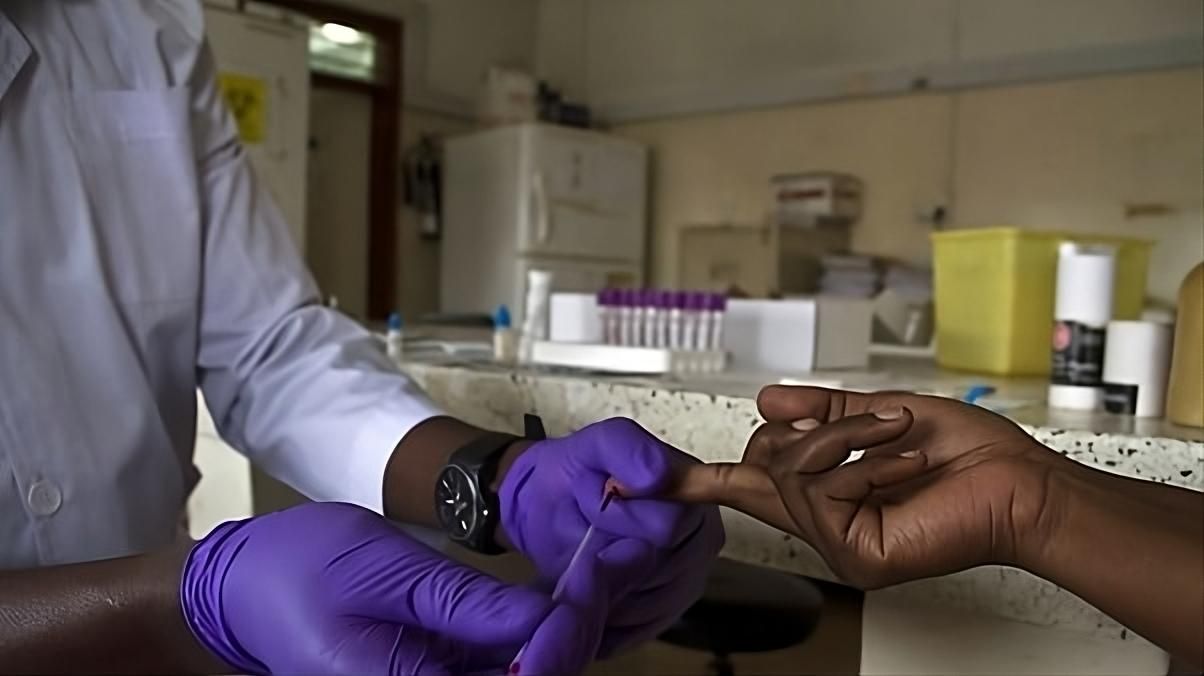
There are two major reasons for the spread of HIV in Fiji. The first is that most people don't know they are infected. Only 39 per cent of people with HIV in Fiji know their status, and only 22 per cent are on antiretroviral treatment. Many women, in particular, learn of their infection only after a husband falls ill or dies. Every undiagnosed person can pass the virus on without knowing it.
The second is that many patients avoid medicine for fear of being identified. In Fiji, people live in extended families, and taking daily medicine could expose them to relatives. That could lead to ostracism and eventual boycott by the family.
Dr Kaur told 1News that families break apart when someone is diagnosed, and that some people would rather die than be tested, because a positive result means telling someone. Mark Shaheel Lal, founder of Living Positive Fiji and himself living with HIV, said some people who contact him struggle to hide their medication from relatives, and others have spoken of suicide. As a result, treatment uptake remains at just 22 per cent.
Government's response
The emergency declaration by the government has fast-tracked several measures. A five-minister cabinet subcommittee has been set up to cut bureaucratic delays. Legislation is expected to allow legal needle and syringe distribution so that people who inject drugs do not share equipment. Dr Mitchell said that such programmes operate in up to 92 countries and Fiji's introduction has been slow. Fiji also plans to introduce the lenacapavir injection before the end of the year. Given once every six months rather than as daily tablets, it is what Dr Mitchell called a "gamechanger" for people who struggle with daily adherence or must hide their medication.
Churches, chiefs and hope
Authorities are enlisting institutions with reach into communities. The Methodist church, the largest denomination among Fiji's more than 1,700 local churches, plans to bring specialists to its monthly rallies. Reverend Mosese Salusalu, who heads its social services division, told 1News that clergy have long avoided speaking about sexually transmitted infections while being quick to judge. The church still promotes abstinence, he said, but accepts condoms as the best option for those who cannot abstain.
The Great Council of Chiefs, reinstated by the current government three years ago after being suspended in 2007 and disbanded in 2012, plans to begin outreach among indigenous iTaukei communities in October. Chairman Ratu Viliami Seruvakula told 1News that messages would pass from chiefs to tribal leaders to clans, and that traditional leaders would also speak to their people in urban centres. He said the country had not understood the gravity of the situation.
Dr Mitchell expects cases to keep rising before they plateau and then, hopefully, decline. In the meantime, he said, many more babies will die.