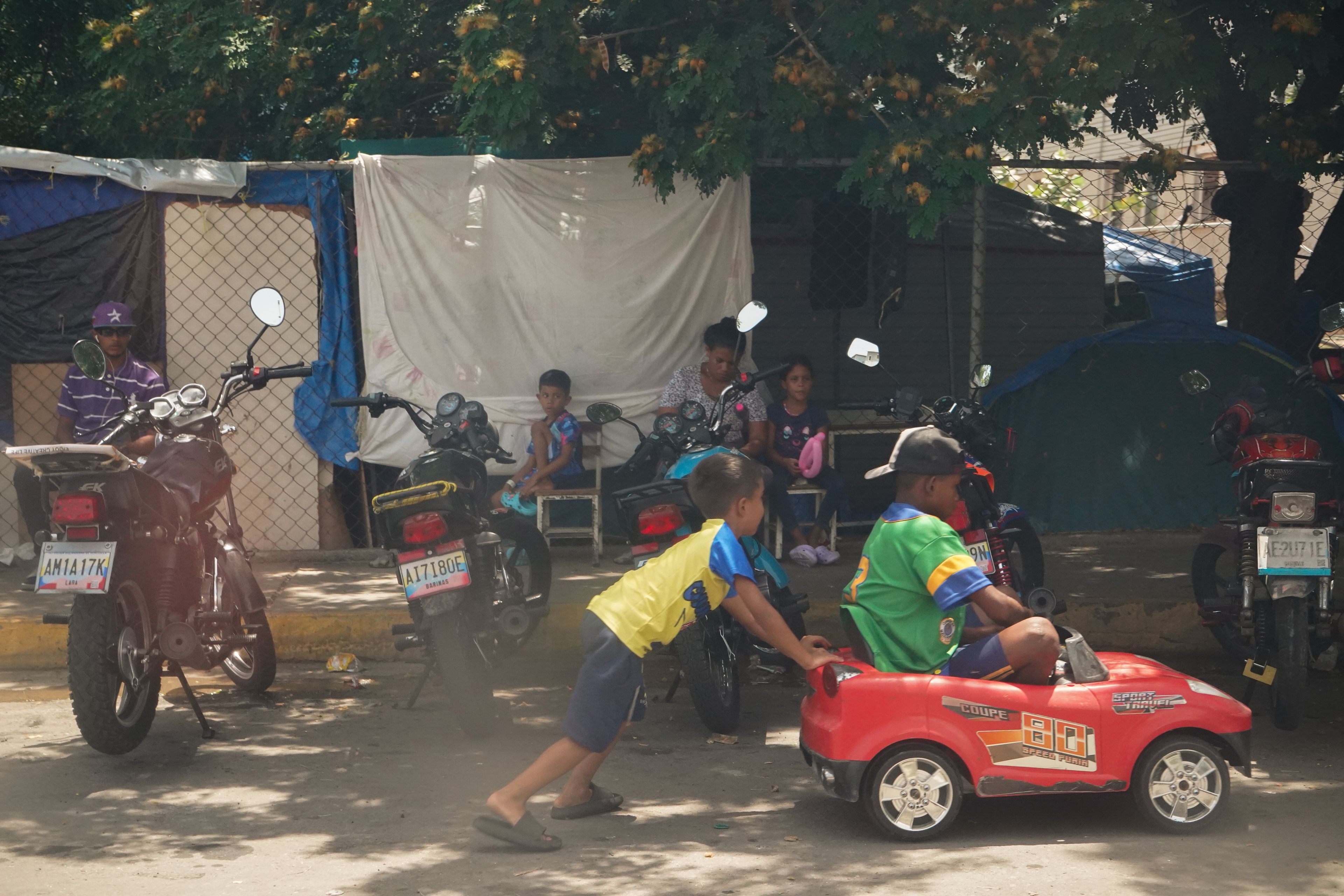
Caracas: In San Blas, a working-class neighbourhood in Petare, eastern Caracas, Katiusca Camargo has spent 14 years organising her community. For years, residents could go long periods without running water. Since January 3, the service has begun arriving more regularly.
“But that is the only thing I can say has changed,” she says.
The improvement has not solved her other problems. Two of her siblings need surgeries that could cost up to $1,500. Venezuela’s legal minimum wage remains at 130 bolivars per month, about $0.15 at the official exchange rate in September this year, although public-sector workers also receive bonuses that raise the minimum comprehensive income announced by the government. Katiusca continues to look for resources to help them.
“The money doesn’t go far,” she says.
A few kilometres away, 65-year-old Clara Rosa Hernández Torres sees the situation from a small vehicle maintenance business that she has run for 11 years.
“Before 2018, I could receive between 25 and 30 vehicles a day, but now I usually get between 10 and 15, and some days I barely get two. Customers have less ability to pay and spare parts cost more,” she explains.
Their experiences illustrate the uneven pace of change in Venezuela since Nicolás Maduro was captured by US forces on January 3. The country has undergone some changes, while much of the state apparatus remains intact. Delcy Rodríguez’s interim government is negotiating with Washington on oil, investment and financing, promising elections, while hundreds of political prisoners have been released and political and social activity has become less restricted.
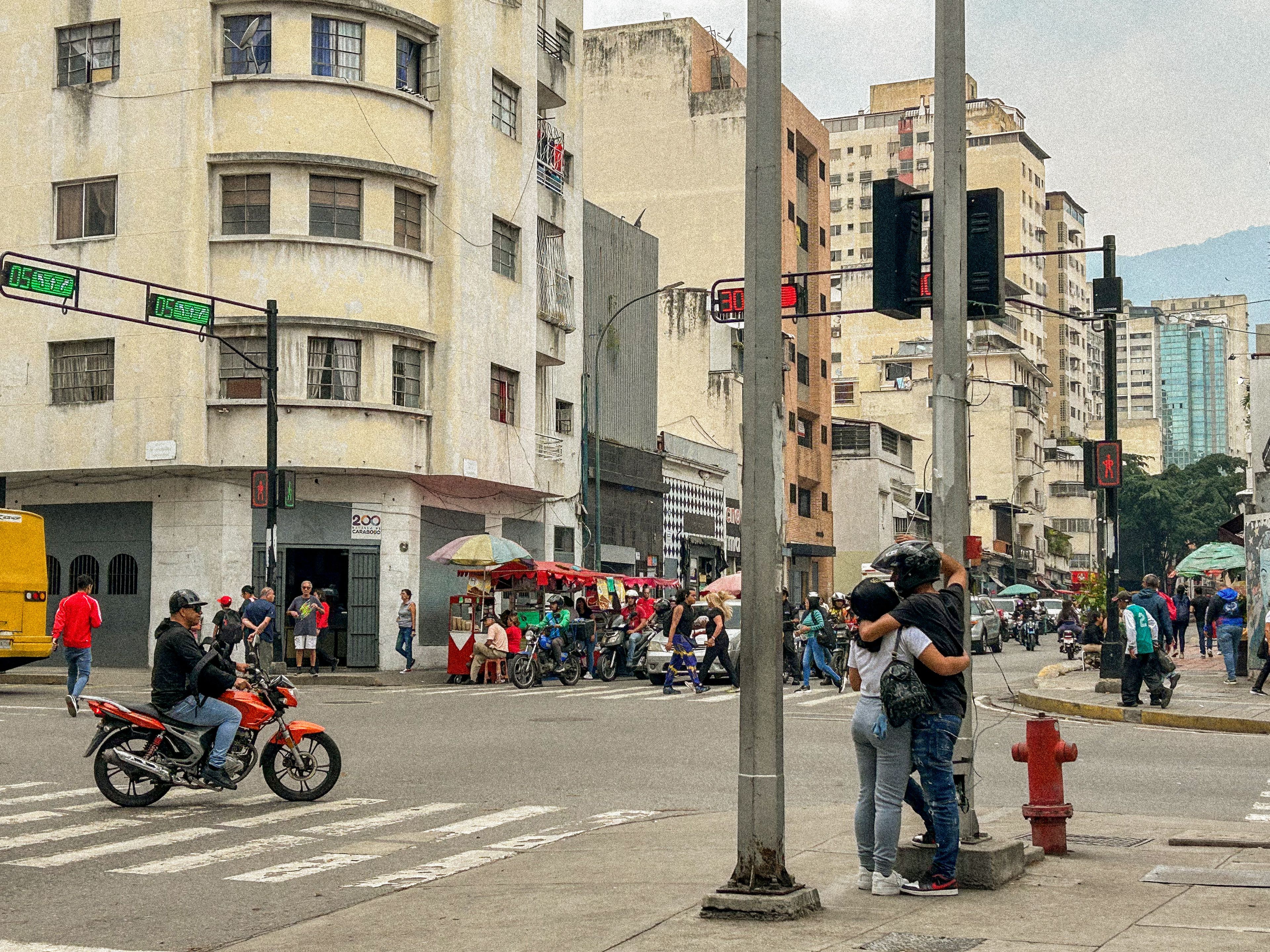
However, the pace of change is not the same across the country. In Caracas, economic opening and new international agreements coexist with neighbourhoods where public services remain irregular and incomes are not enough to cover basic needs.
The Venezuelan economy had already undergone a prolonged contraction before January 3. The World Bank estimates that GDP fell by more than 75 per cent between 2013 and 2021, amidst poverty, hyperinflation, loss of human capital and a sharp decline in private investment.
Washington began sanctioning Venezuelan officials in 2017 and sanctioned PDVSA, the state-owned national oil and gas company, in January 2019. But Venezuela’s economic crisis was already deepening: falling oil prices and production, declining investment, shortages, rising inflation and corruption at PDVSA had weakened the economy. The role of subsequent US sanctions in worsening the crisis remains debated alongside these domestic factors.
The context helps explain the expectations generated by new investments, but also their limits. For Ronald Balza, an economist and professor at the Universidad Católica Andrés Bello, the key question is not simply whether Venezuela can attract investment, but what happens with the revenues it generates.
“It is too early,” he says, referring to the possibility of speaking of a consolidated recovery.
For Balza, the volume of oil produced or exported is only part of the equation. Venezuela needs to determine how to use new revenues, finance services and infrastructure, and ensure that oil activity generates opportunities in sectors that have contracted for years.
“It is not only about exporting the resource,” he tells NWS. “It is not enough for there to be oil and oil investment and a lot of money. We have to ask how it is going to be distributed, how that is going to generate other activities.”
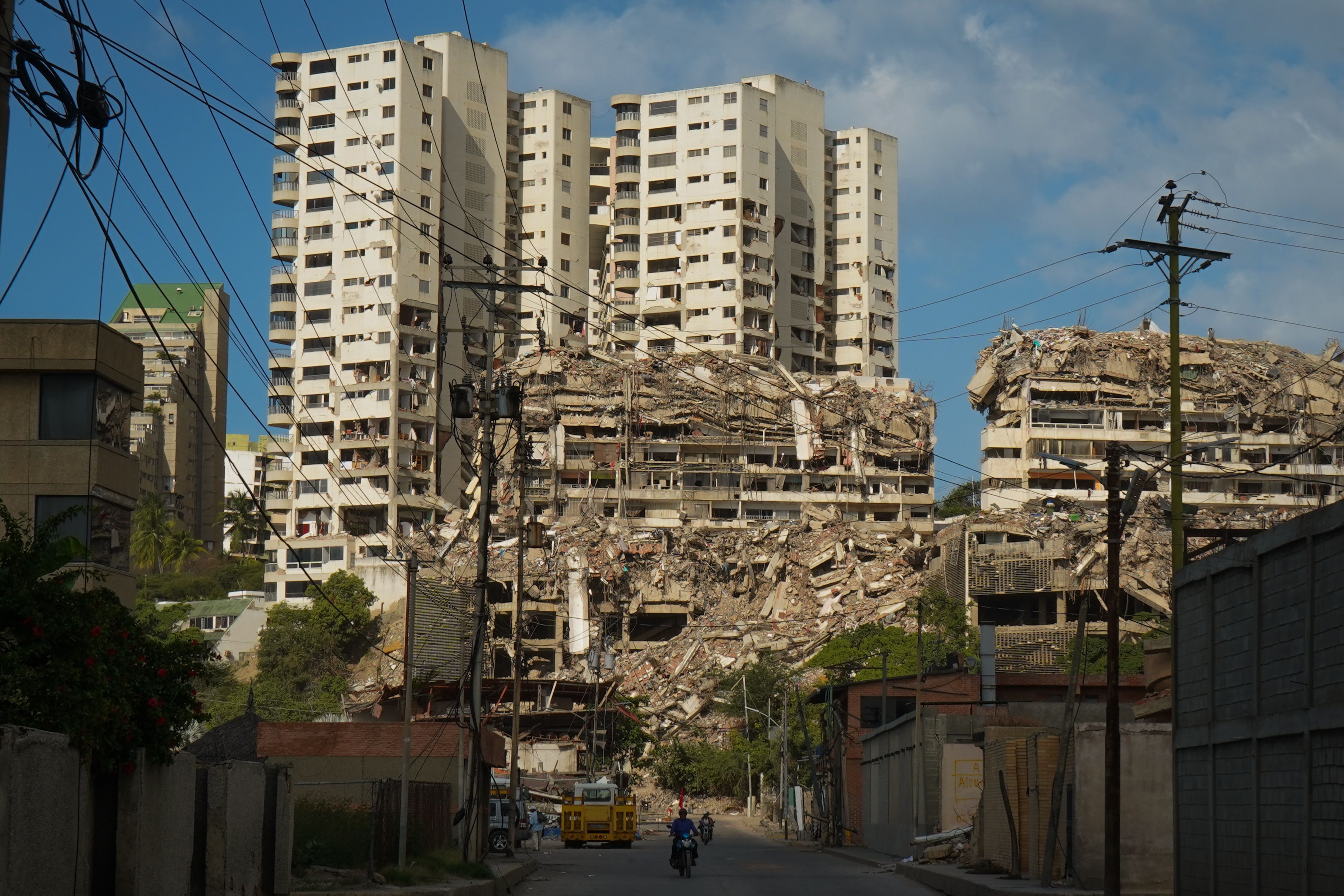
Alberto Kabbabe, a chemical engineer and director of humanitarian response at Alimenta la Solidaridad, an NGO that manages more than 240 community kitchens in vulnerable communities facing difficulties accessing food, says he does not see many changes.
“Food security does not depend solely on products being available. It also depends on whether households can afford them, maintain a varied diet and sustain basic needs such as health and education,” he tells NWS.
Why Chávez Built Support
What Venezuelans now expect from the state is also linked to what they received during Hugo Chávez’s years in power. During his first years in office, Chávez expanded social programmes and created mechanisms for community organisation that brought the state closer to neighbourhoods and communities that had long had limited access to public services and educational opportunities.
Yubirys Soledad, 67, lives in the Venezuelan Andes, in the country’s mountainous west. She works as a cleaner at a school and completed secondary education through Misión Ribas, one of the programmes created under Chávez. Her son later studied through Misión Sucre and received technical training.
“I am grateful that Commander Chávez helped me and my family study, of course, that was years ago in the early 2000s, today I don’t know how those missions are doing, because I no longer hear about many people studying through them,” she says.
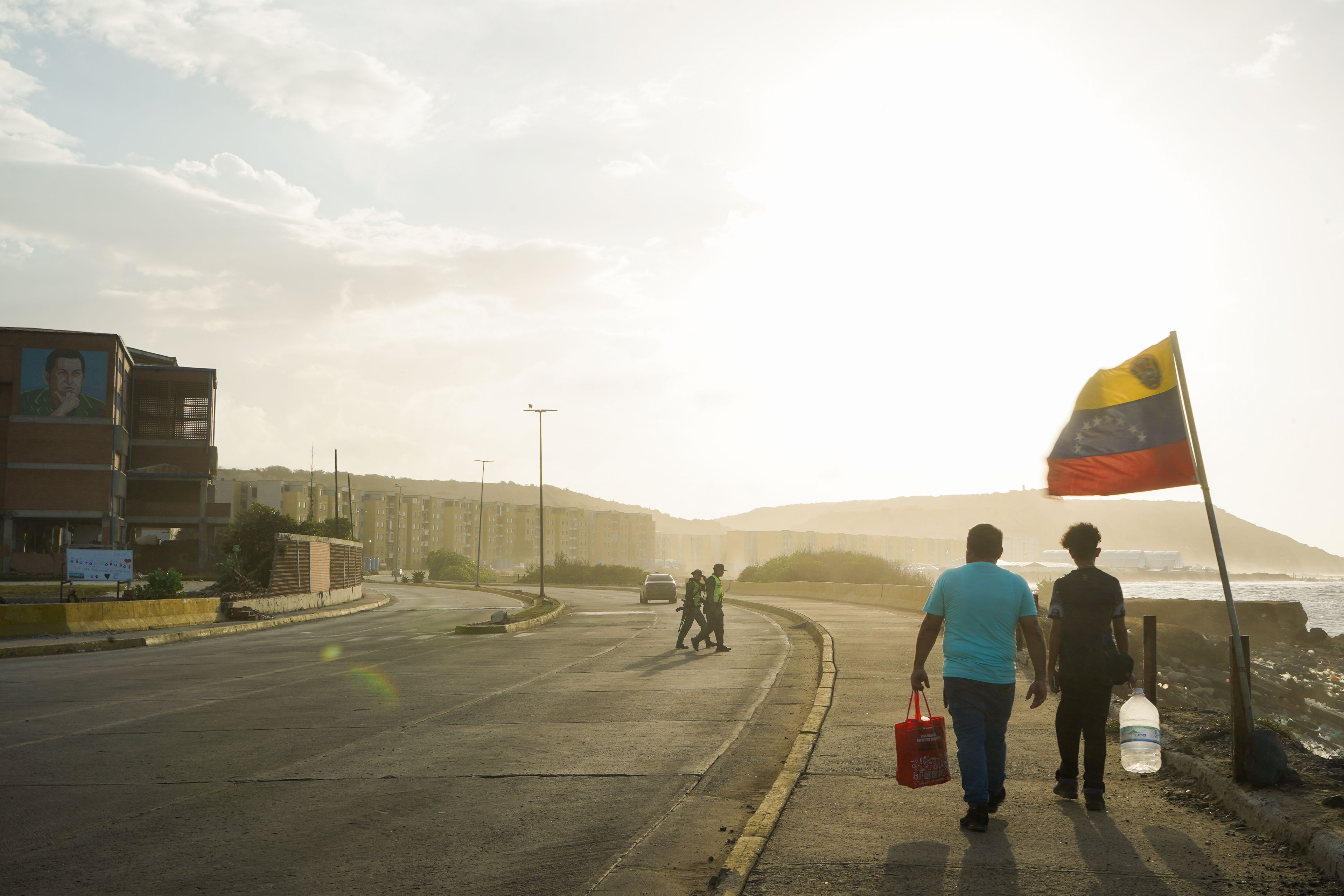
Yubirys still participates in her community council. These organisations developed under Chávez as mechanisms for participation and management of community projects and resources. In her community, she still receives some benefits through that structure, including food packages distributed by the Local Committees for Supply and Production, known as CLAP.
A study published in August 2026 found that up to 40 per cent of Venezuelans had participated in community councils at some point. The researchers found that, in their early years, the councils allowed communities to manage local resources and projects and were also associated with higher electoral support for Chávez. After 2014, amidst the economic crisis and greater concentration of political power, their economic function lost importance and they took on a more political role.
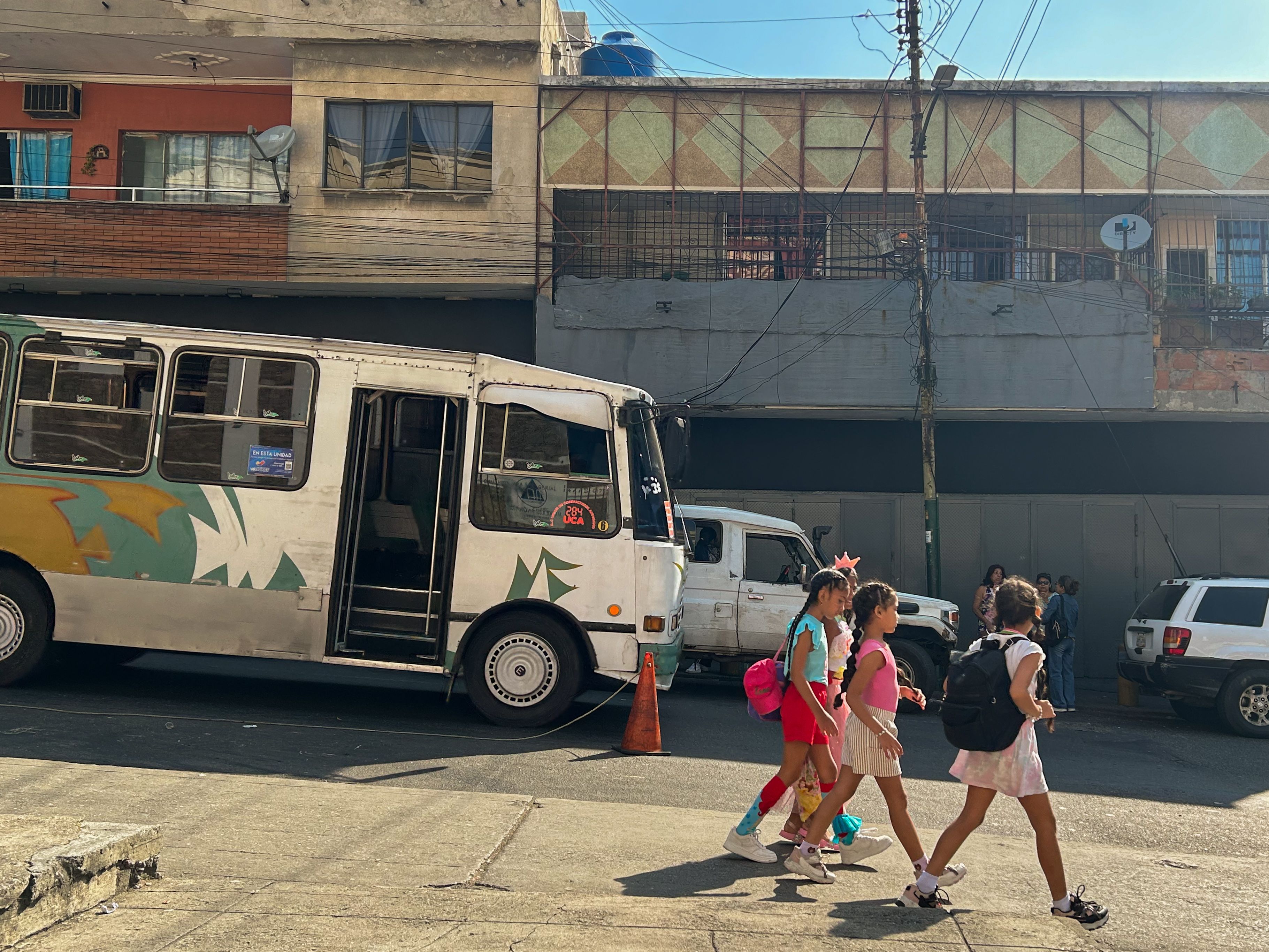
Antonio Rojas, Soledad’s husband, is a farmer and has been active in the labour movement. He identifies as a socialist, but says the system in place today does not represent the socialism he expected. For him, changing that reality requires both institutional renewal – including a new National Electoral Council and new public authorities – and a different way of understanding politics and the state.
“I don’t think this is about colours anymore (referring to political flags), for me, years ago we stopped talking about politics the way we used to, now we’re talking about the fact that I don’t have electricity for almost five hours a day and that at the public hospital they ask for so many things that it’s better not to get sick,” he says.
An Incomplete Political Opening
The transition has also changed the environment in which Venezuela’s opposition operates. Jesús Armas, a member of Vente Venezuela, the opposition party led by María Corina Machado, and president of Ciudadanía Sin Límites, was detained for 14 months. After his release, he returned to political activity and now works on community reorganisation in Caracas and monitoring public services and the energy sector.
For Armas, January 3 brought greater space for political and social activity and for the media, but not the deeper political transformation.
“Without a doubt, I feel that January 3 was a before and after for the country and probably for the region, more freedom. But on the other hand, we fought all this time for a transition that would be deep-rooted and much faster. The truth is that events are forcing us into a reformist transition that first goes through a negotiating table,” he tells NWS.
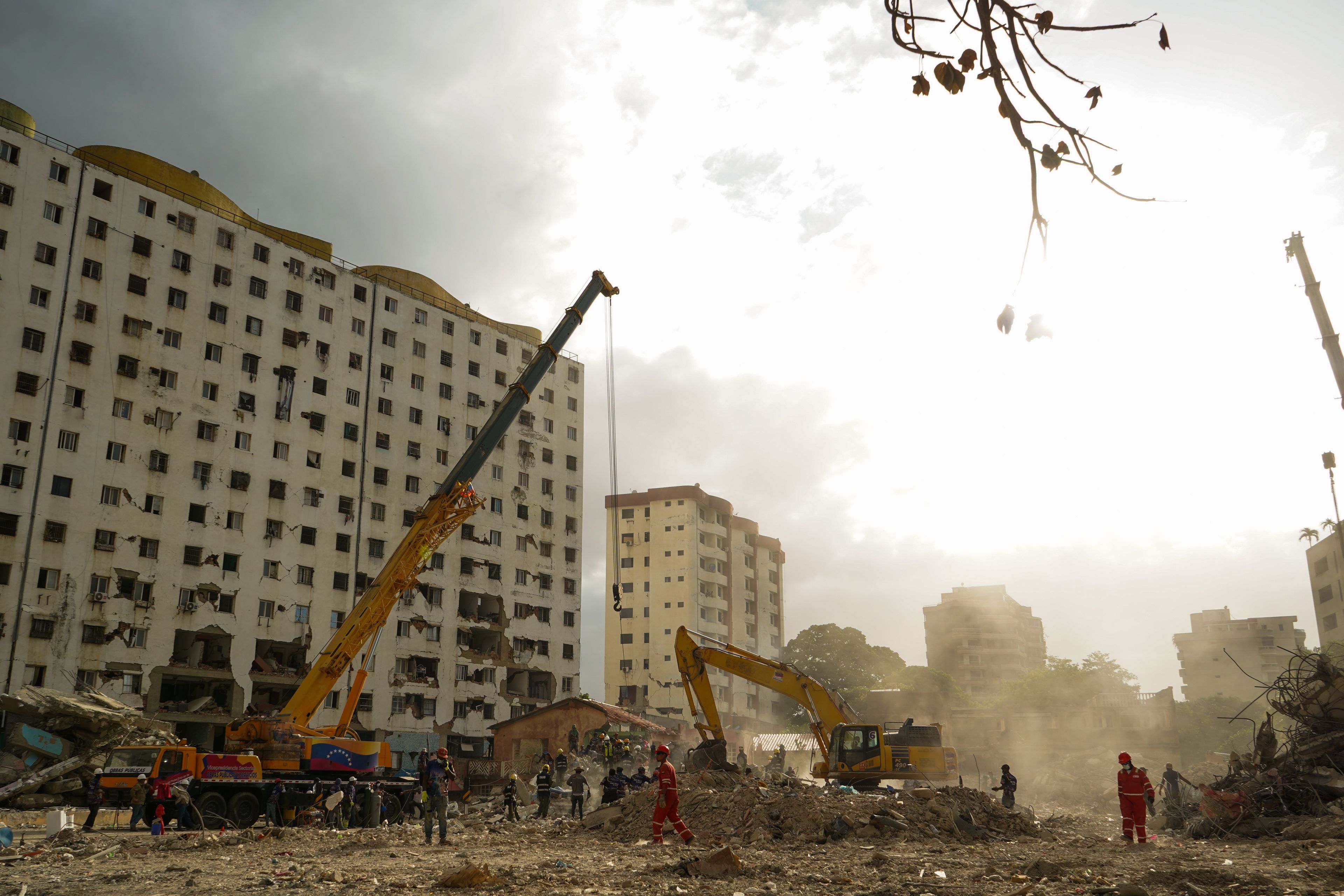
The interim government and a sector of the opposition began negotiations in Caracas in August, with US support. According to information made public by the parties, the talks have addressed the renewal of the Supreme Court and the recovery of Venezuelan assets abroad, while the second round has focused on political and civil guarantees, freedom of expression and the right to information.
Pedro Contreras Tirado, a constitutional lawyer and professor at the Universidad Central de Venezuela, focuses on institutions. He believes a transition requires more than negotiations between political actors and must include rules, objectives and institutional mechanisms capable of leading the country towards competitive elections.
“We still have political parties that have been seized and do not have their ballot to be able to compete, we still have disqualified politicians and we still have politicians in exile. There is still no plurality or political participation. It seems that in Venezuela we are still only in the construction of an institutional agenda that could lead us toward a real transition.” he tells NWS.
Armas says that measuring this reorganisation also means looking at everyday indicators. His economic proposal leans towards a liberal model, with greater space for private initiative and a reduced role for the state in economic activity, alongside a recovery of public services and incomes.
“That water reaches homes, that electricity reaches them and that people can have a decent income that allows them to cover the basic food basket and the most typical things of a normal life.”
Political Prisoners
The situation of political prisoners offers one of the most concrete measures of the changes following January 3.
Diego Casanova, a member of the Committee for the Freedom of Political Prisoners (CLIPPVE), knows the process from within his own family. His brother was detained after the July 28, 2024 presidential election and remained in prison for around seven months, including time in Tocorón, in Aragua state. He was later released through an amnesty.
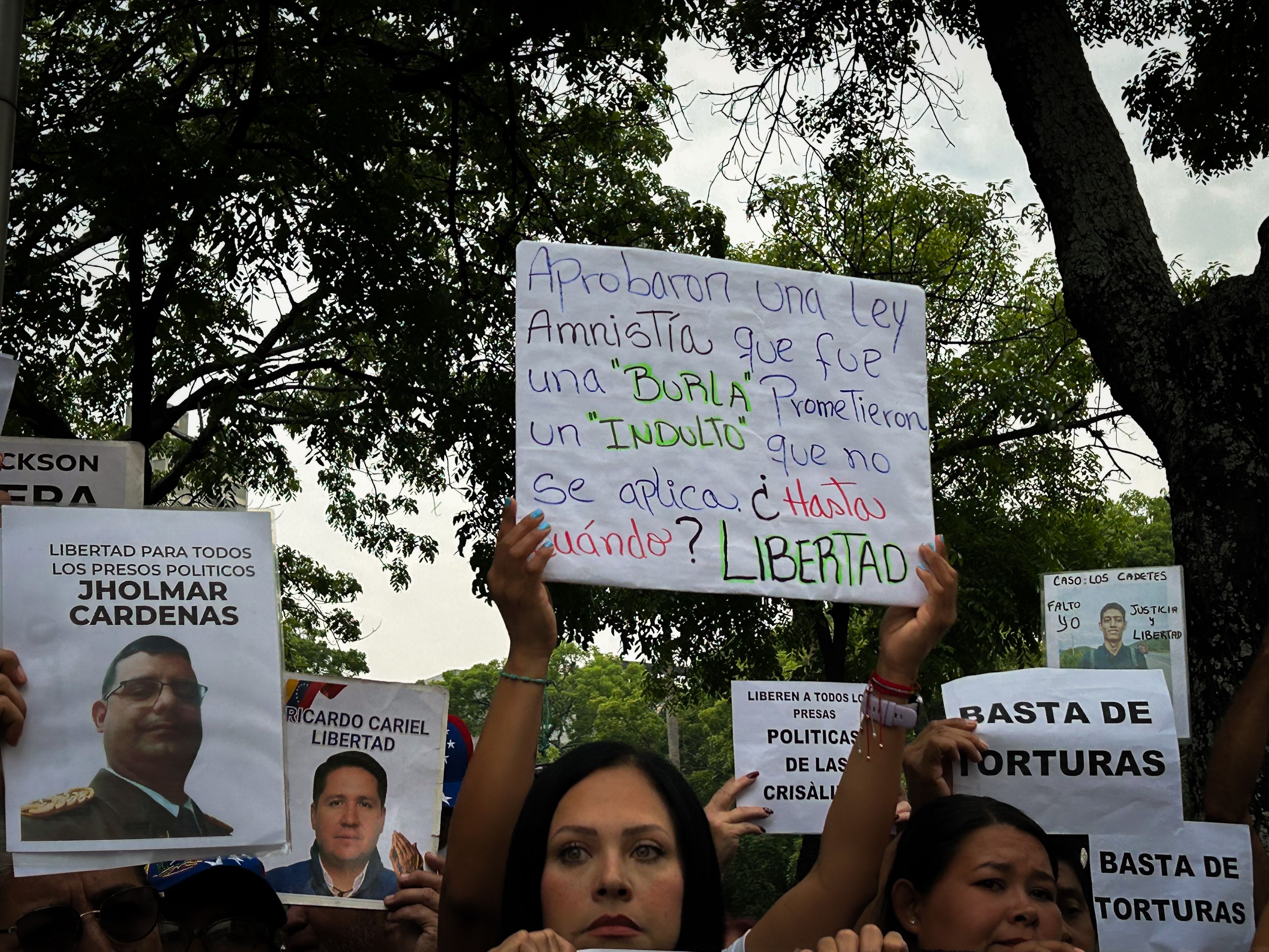
Casanova expects the new government to lead to broader releases but describes a gradual process.
“There was an expectation that releases would take place and, although some were carried out at that time, as the days went by this became a very slow process. And that is where we are right now. Since then it has been very selective and also the result of pressure,” he tells NWS.
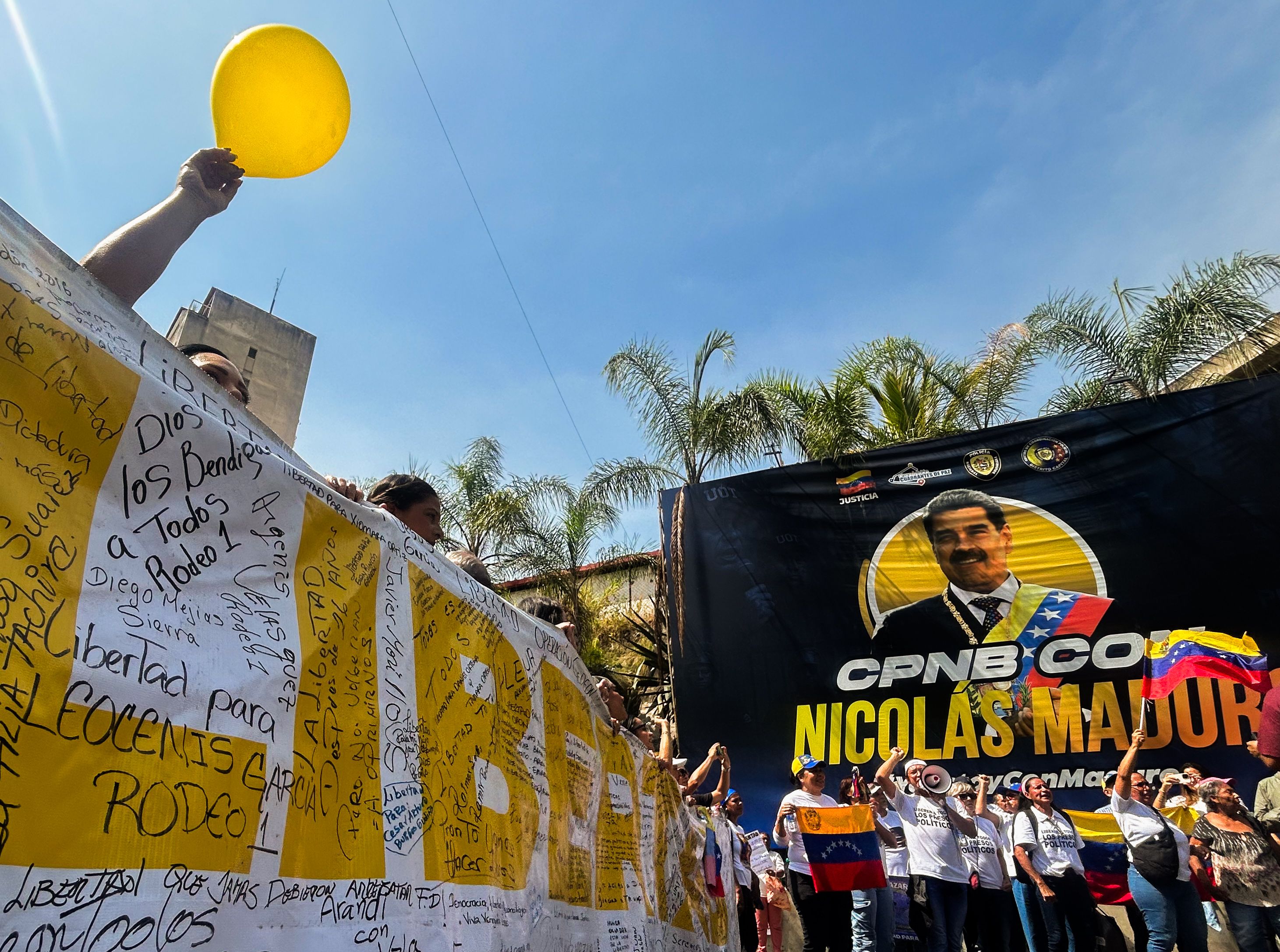
Data from Foro Penal, a Venezuelan human rights organisation, show a significant reduction, although not an end to the problem. As of January 28, after 302 releases verified since January 8, the organisation counted 711 political prisoners. By September 14, it recorded 344. The September report also recorded no new incarcerations, seven releases and 23 people newly reported as political prisoners, while more than 11,000 people remained subject to other restrictive measures on their freedom.
From within the government’s orbit, Alexis Sosa offers a different view of the pace of change. An adviser linked to the prison system, he says political freedoms have expanded progressively and argues that the process should continue at that pace. He also sees substantial continuity in the public administration, with many of the programmes and mechanisms established before January 3 still in place.
“I don’t think there is a difference in the functioning of the state. Most of the management plans are the same ones established by President Maduro. What changes is the new relationship with the United States and the possibility of lifting the sanctions. If that helps improve living conditions and respect Venezuela’s sovereignty, so be it.” he tells NWS.
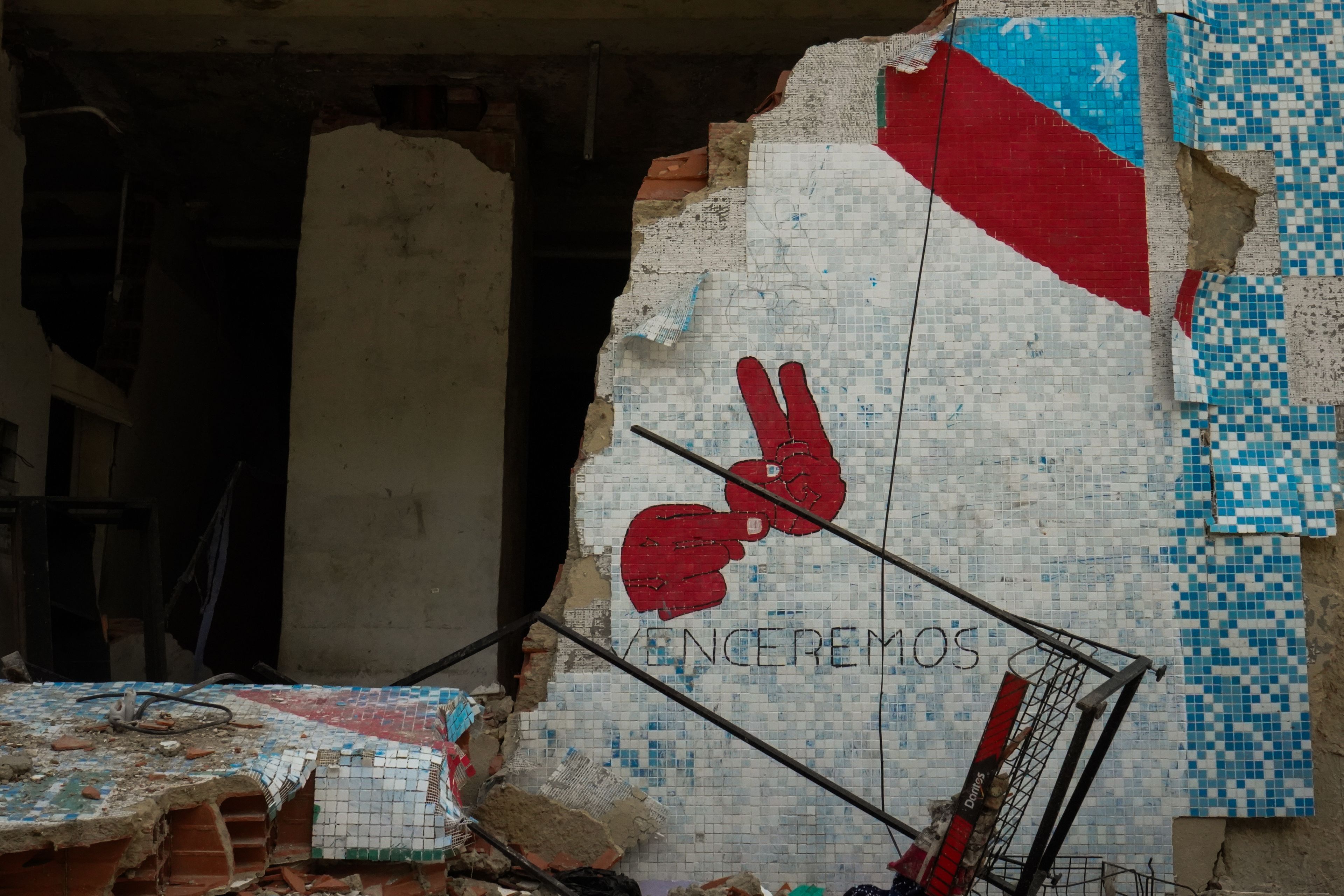
For now, the signals point in different directions. On September 23, at the United Nations, Donald Trump spoke of a new stage for Venezuela, while Delcy Rodríguez said the country would move towards “full democracy”, without announcing a date for elections. On the ground, however, the transition is unfolding unevenly.