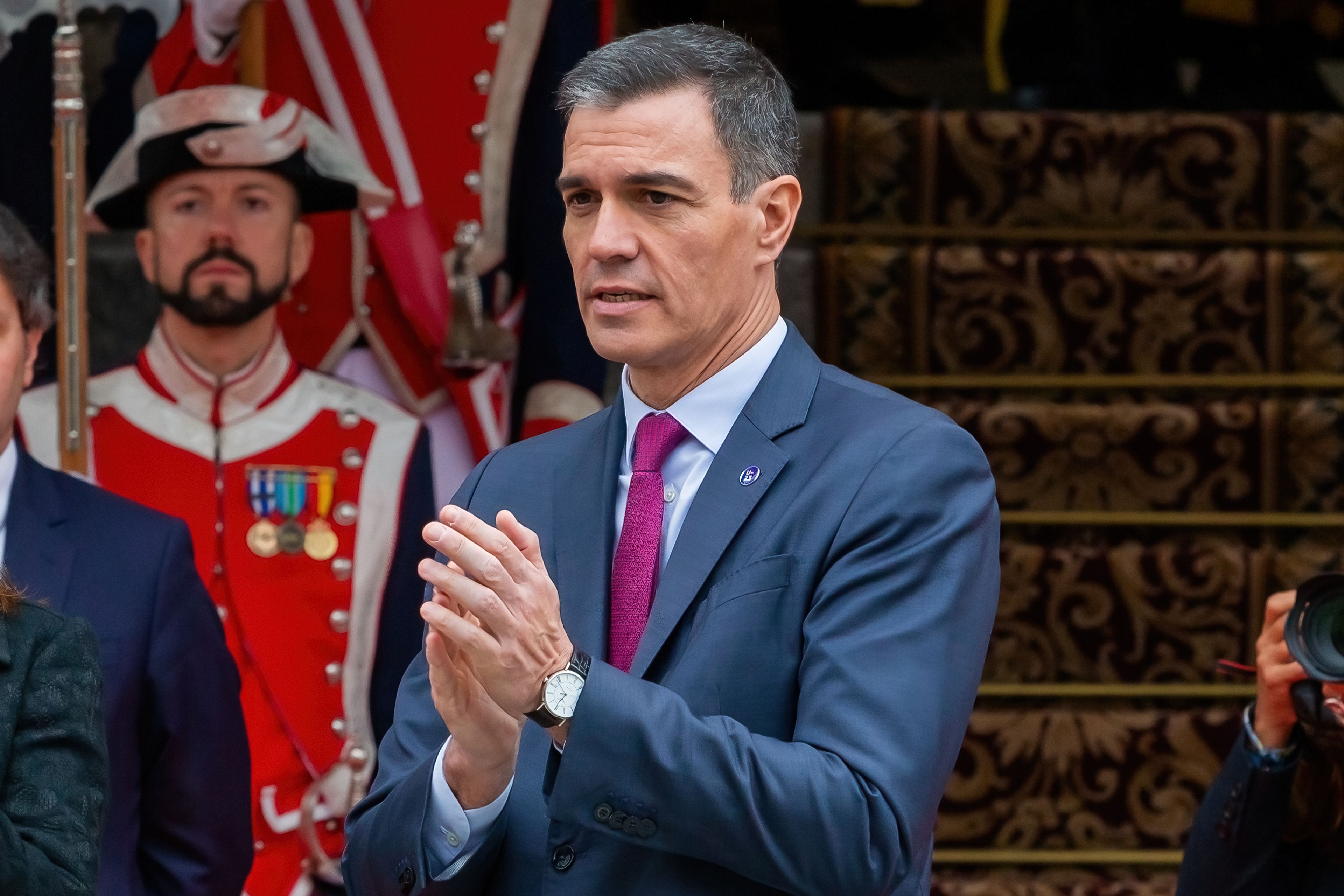
Spain’s Prime Minister Pedro Sánchez has renewed his argument that dialogue with Beijing, not confrontation, is the way to narrow Europe’s yawning trade deficit with China – a position that continues to set the Spanish prime minister apart from a bloc that is steadily hardening its tone towards the Asian superpower. Notably, his proposal reveals the EU’s increasingly shaky financial foundations, just as Germany – the union’s paymaster for two decades – faces a domestic backlash against footing the bill.
Sánchez has made the case before, most pointedly during an April visit to Beijing, where he told students at Tsinghua University that Europe “need[s] China... to open up so that Europe does not have to close itself off.” He called on Beijing to help correct a deficit that he described as “unsustainable for our societies in the medium and long term.” At June’s European Council summit in Brussels, as fellow leaders pushed for a tougher line on Beijing, Sánchez instead viewed China as a “potential ally,” telling reporters that “Europe needs friends.”
Sánchez has previously broken ranks with Brussels over Israel, resisted NATO’s rearmament targets, and taken a softer line on migration than most of his peers. His China outreach now appears to be an extension of the same instinct: that as Washington’s reliability wanes under Donald Trump – whose tariff threats and abrupt foreign-policy shifts have already unsettled leaders in Britain, Canada and Germany, all of whom have made their own pilgrimages to Beijing this year – Madrid would rather diversify its friendships than wait on Washington. Critics in Brussels and Berlin see it as naïve outsourcing of Europe’s leverage, while allies call it pragmatic realism about a transatlantic relationship in flux.
Who pays for Europe?
The China question cannot be separated from a more basic one troubling the EU this autumn: who bankrolls it. Germany has long shouldered the largest share of the EU budget, contributing a net 13.1 billion euros in 2024 alone – more than France and Italy combined – according to the German economic institute IW Köln. Even as that contribution shrank by roughly four billion euros amid domestic stagnation, Berlin remained the bloc’s most significant funder, even on a per-capita basis.
That role is now under sustained political attack at home. The far-right Alternative for Germany (AfD) has long demanded that Berlin curb its EU liabilities, and party co-leader Alice Weidel has been declaring that Germany is “simply no longer going to co-finance all this fun for our neighbouring countries,” often saying: “We want our money back.” Independent fact-checkers have found Weidel's underlying claim about Germany’s outsized net contribution broadly accurate, while also noting that AfD messaging often omits the economic benefits Germany derives from EU membership.
Those demands carry new weight after the AfD’s landslide win in Saxony-Anhalt’s regional election earlier this month, in which the party took 43.8 percent of the vote. The result so alarmed Brussels that the European Commission warned the state could face a freeze of EU funding, echoing disputes previously waged with Hungary and Poland. Media outlet Semafor’s Flagship newsletter noted that the AfD is markedly more sceptical of the EU than its French or Italian far-right counterparts – “a worry for the bloc given Germany is the biggest contributor to its budget.”
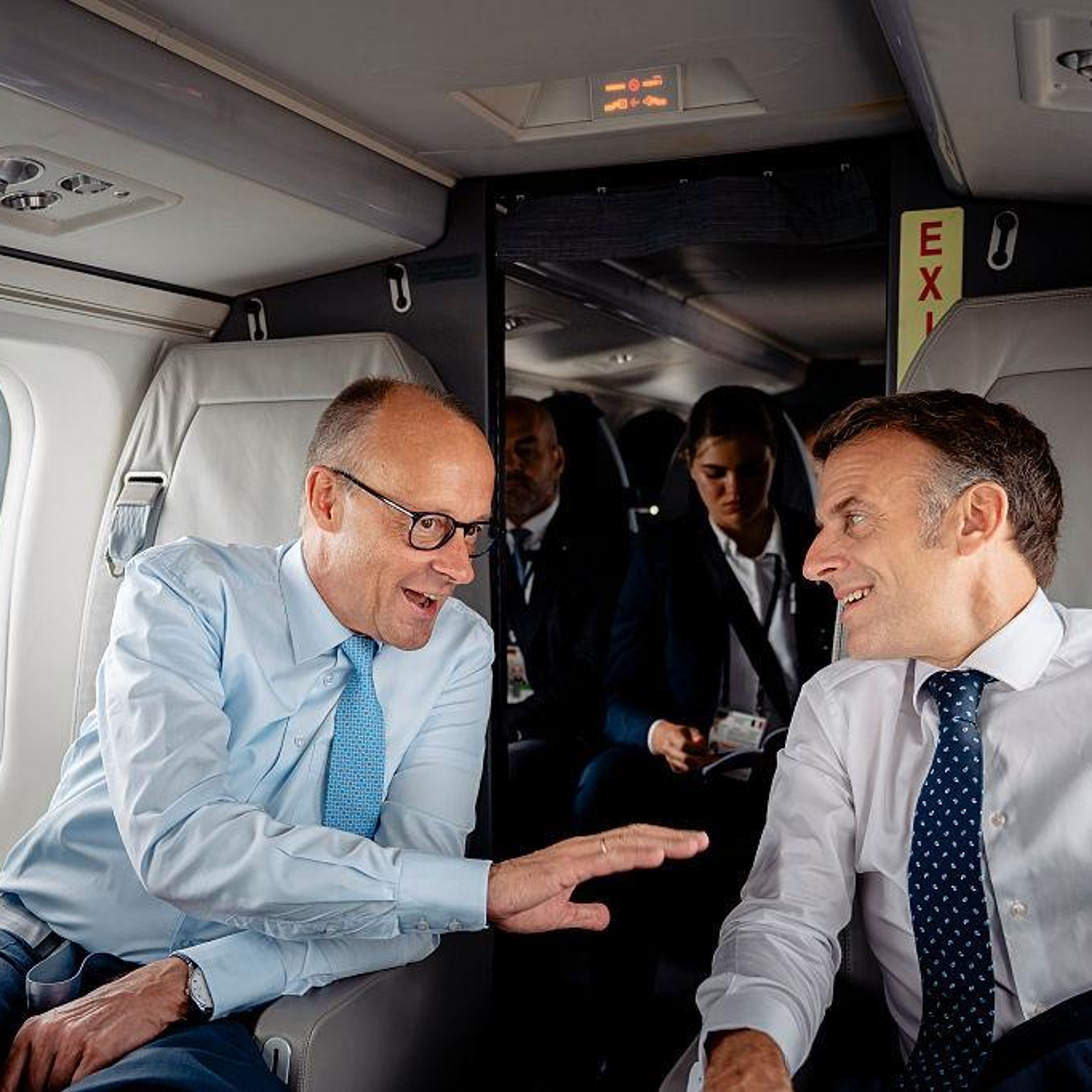
However, not everyone in Germany’s establishment agrees the answer is retrenchment, including Manfred Weber, leader of the European People’s Party, and Chancellor Friedrich Merz.
Diverging lines on China
It is against this backdrop that Sánchez’s China diplomacy looks most exposed. Merz himself has swung between conciliation and confrontation: in February he travelled to Beijing with 30 German executives seeking to reset trade ties, yet in his first major Bundestag address he had already warned that relations with China were “shaped by systemic rivalry and power politics” and pledged “strategic de-risking.” Ahead of June’s summit he told lawmakers that Europe “cannot and will not stand idly by” while trading partners flout shared rules – something that Brussels read as support for a tougher EU trade toolkit against Beijing, even if he stopped short of naming China outright.
That leaves Sánchez increasingly isolated on substance, even as his underlying complaint about the trade imbalance – Spain alone ran a 42.3 billion euro deficit with China last year, growing 18 percent annually – is one of the few in the Brussels dispute. The disagreement is tactical: Sánchez believes negotiation and market access can close the gap; Merz and the Commission increasingly favour tariffs and “de-risking.” Both camps, notably, still rely on German money to fund whichever trade defences the EU chooses to deploy.
The result is a union asking two uncomfortable questions simultaneously: how far Europe should lean towards Beijing as Washington grows less predictable, and how much longer Germany’s taxpayers – under mounting pressure from a resurgent nativist right – will underwrite whatever answer Brussels settles on. Sánchez may be betting that friendship with China buys Europe room to manoeuvre. Whether Germany’s electorate is prepared to keep paying for that room is, for now, very much an open question.