Houthi attacks on Riyadh and Abha airports killed three civilians and wounded 36 in two days, the latest escalation in a Yemeni war that is now threatening Saudi Arabia’s cities, its oil facilities and one of the world’s busiest shipping lanes. The strikes came just after Saudi Arabia, Turkey and Pakistan, under the Mecca pact, agreed to rapidly deploy troops to the kingdom, a step that could pull two more armies into the conflict.
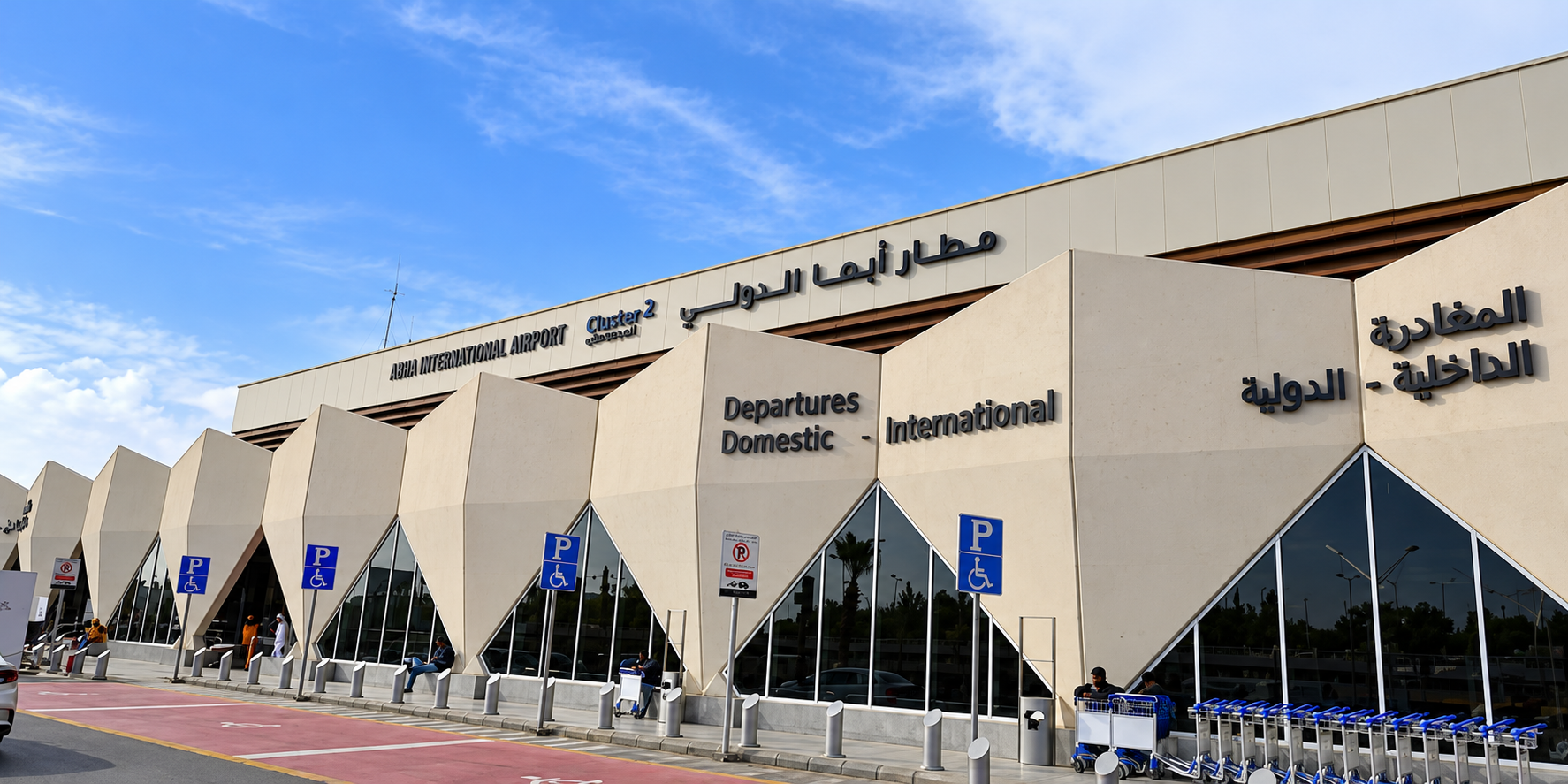
Saudi Arabia’s General Authority of Civil Aviation (GACA) said that the Houthis struck Abha International Airport in Asir province and King Khalid International Airport in Riyadh on October 6 and 7. The authority said that it was assessing the damage, even as the Houthis claimed responsibility.
The Abha attack killed two women, a Moroccan and an Algerian, and injured 28 people. At King Khalid, a Sudanese national was killed and eight residents were injured, including five Saudi citizens. The injured also included residents from Bangladesh, the Philippines, Egypt and Pakistan, with injuries ranging from minor to critical. The Saudi-led coalition said on October 8 that it had destroyed 82 Houthi military targets in response, vowing the attacks would not go unpunished.
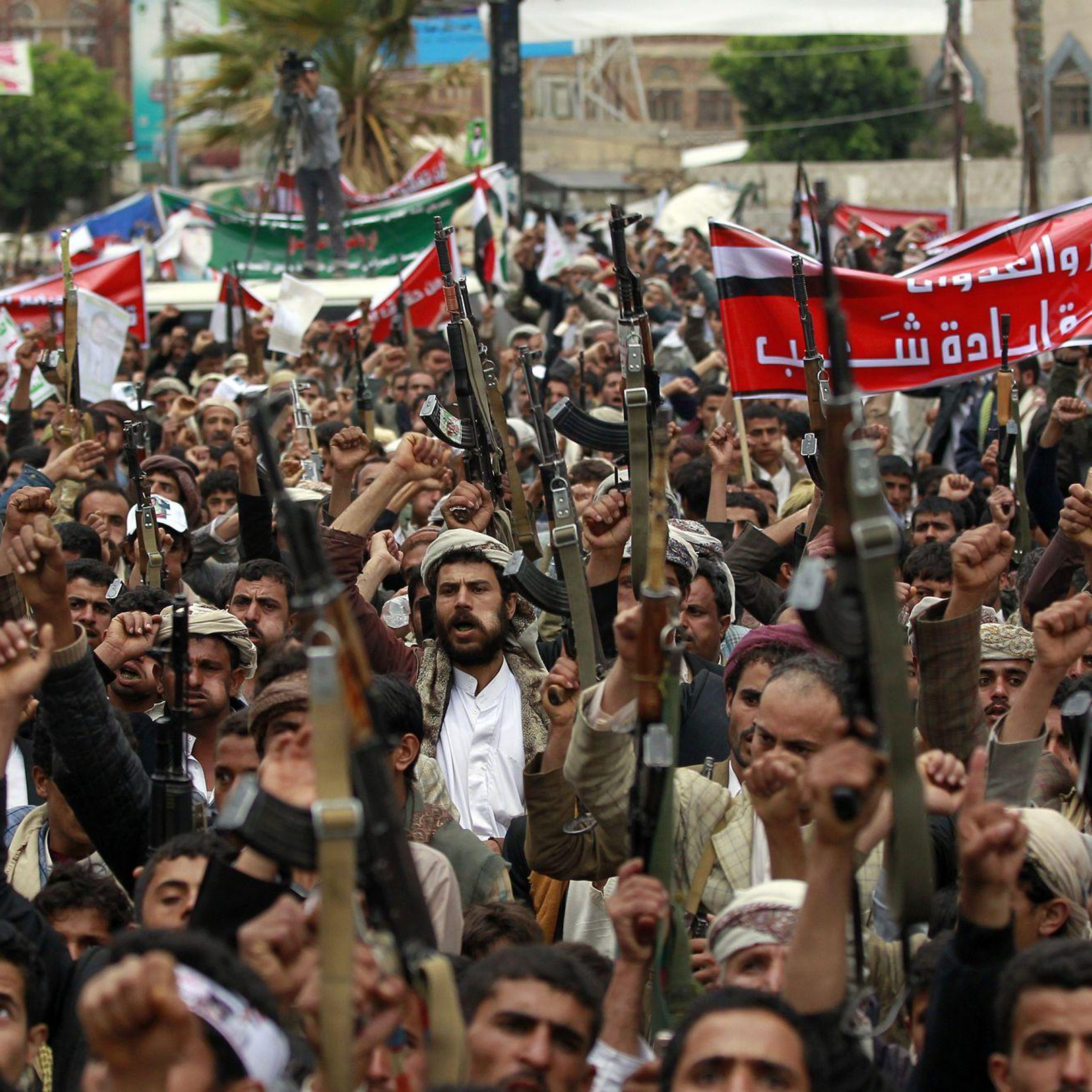
The Houthis are seen as an Iran-aligned movement that has held the Yemeni capital, Sanaa, since 2014. They control about a third of Yemen, including its most densely populated parts. A UN-brokered truce, in place since April 2022, had largely held until this July. The renewed fighting is entangled with the wider US-Iran war, and it endangers a vital oil route. Saudi Arabia ships around four to five million barrels a day through Red Sea ports, and the Bab el-Mandeb Strait carries about 12 per cent of global trade.
Continuous attacks
The strikes follow weeks of threats to the kingdom’s air infrastructure. On September 18, coalition forces said that they destroyed a suspected Houthi ballistic missile fired at Riyadh airport. The next day, an explosion was heard near the airport and black smoke rose from a fuel storage area. Fences have since gone up around fuel tanks belonging to Aramco, the state oil giant, near the airport.
The Arab Coalition spokesman Maj. Gen. Turki al-Maliki said that forces intercepted a ballistic missile north of Riyadh and destroyed a platform in Sanaa used to launch attacks on the capital. The strikes drew swift condemnation. Jassim al-Budaiwi, secretary-general of the Gulf Cooperation Council (GCC), called them “systematic crimes” against civilians, and Kuwait denounced what it called “brazen attacks”. The UN said it was “deeply concerned” about the escalation.
How the war restarted
The trouble began on July 3, when the Houthis said that Saudi warplanes tried to stop an Iranian civilian aircraft from landing at Sanaa airport. They said it carried more than 200 stranded, wounded and sick citizens. Saudi Arabia did not confirm the claim. Local media reported that the plane landed and flew back to Tehran with a Houthi delegation bound for the funeral of Ayatollah Ali Khamenei, Iran's late supreme leader. The Houthis warned Riyadh against any repeat.
The break came on July 13, when forces of Yemen’s Saudi-backed government struck the Sanaa runway to stop a second flight by Iran’s Mahan Air, meant to bring the delegation home. The plane diverted to Hodeidah International Airport on the Red Sea coast. The government said its own forces carried out the strike, but the Houthis blamed Riyadh and fired missiles and drones at Abha airport. They later declared a blockade on Saudi shipping in the Red Sea. Since then they have attacked Saudi Arabia and government forces with missiles and drones, and have hit several Saudi-linked vessels.
From skirmishes to regional crisis
The fighting escalated sharply in September. On September 8, the Houthis struck Abha, Khamis Mushait, Jizan and Najran. Riyadh said at least 73 people were wounded and fires broke out at oil installations across the south, and Brent crude rose to about $98 a barrel.
Days later, the Houthis swept down the Red Sea coast in their biggest land grab in years. They captured the city of Mokha on September 10 and several islands, including Perim, the next day. That gave them control of the Yemeni side of the strait. The Red Sea matters more than usual: Iran’s restrictions on the Strait of Hormuz have forced Saudi Arabia to lean heavily on this export route.
The Saudi-backed government, which had already announced counteroffensives, then pressed its campaign. On October 5, forces under the operation “Yemen Dawn” claimed to have retaken Dhubab, near the strait, with air cover from what the coalition said were 100 fighter jets. The coalition said the jets destroyed 324 “high-value” targets. Rashad al-Alimi, head of Yemen’s Presidential Leadership Council, said the aim was to retake Sanaa.
Mecca pact steps in
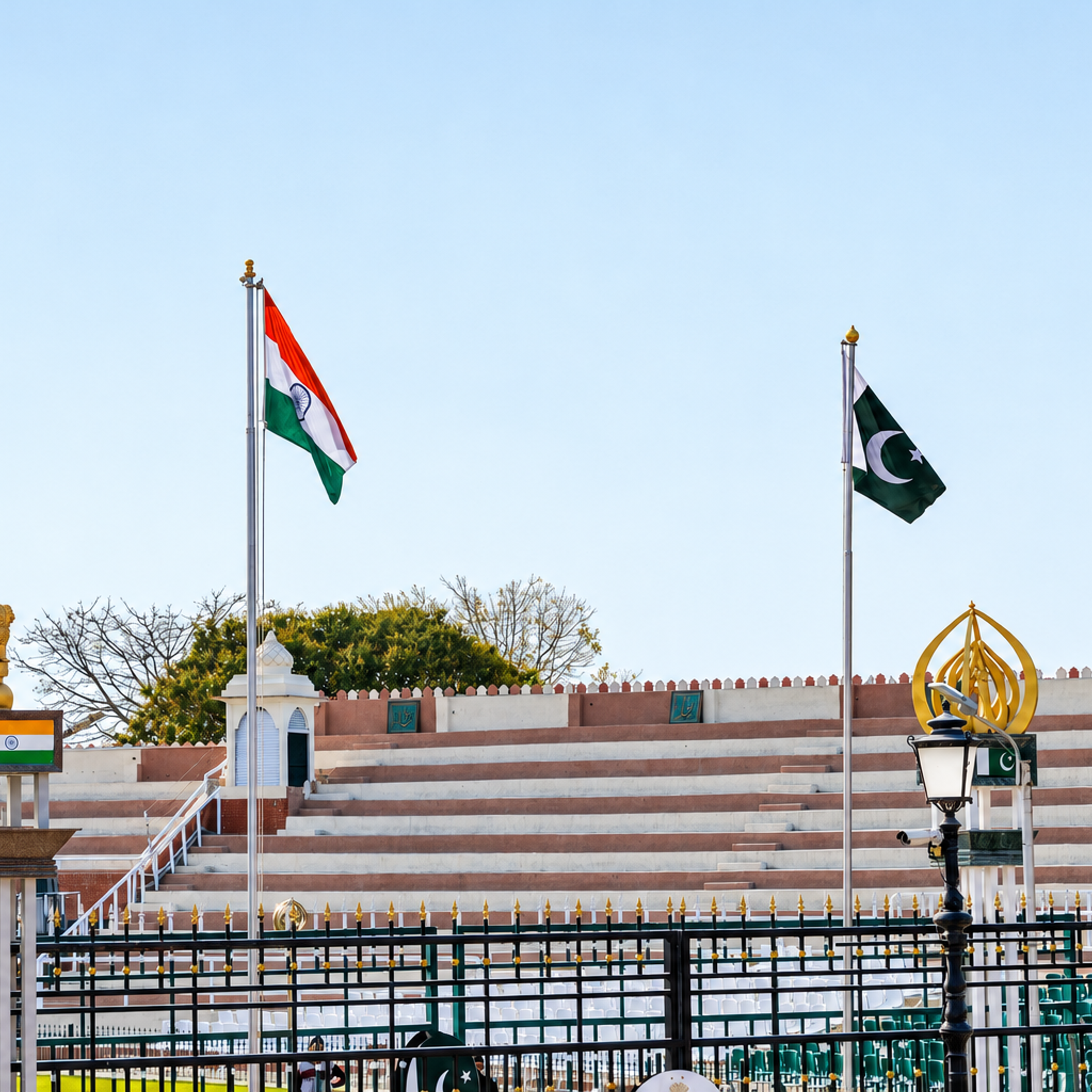
As the war widened, Saudi Arabia’s partners in the Mecca defence pact, Turkey and Pakistan, had not publicly joined the campaign despite weeks of clashes. The pact, signed in August, links Saudi Arabia with Turkey, which fields NATO’s second-largest army, and Pakistan, the Islamic world’s only nuclear-armed state. An emergency meeting in Riyadh on October 5 changed that. The three countries activated collective deterrence measures and agreed to rapidly deploy forces to the kingdom, the first time the pact has been invoked.
Pakistan already has forces in Saudi Arabia, as its military confirmed after the meeting. Reuters, citing a Pakistani official, put the number at 30,000 to 40,000, though Pakistan’s Information Ministry called the report speculative. Defence Minister Khawaja Asif said Turkish and Pakistani forces were in a supporting role, including reconnaissance, while Saudi forces did the fighting. The US has also backed the offensive. Two officials said Washington provided intelligence sharing, target identification and planning support.
Human cost
The human cost has climbed rapidly in this new phase of the war. The World Health Organization (WHO) said this week that nearly 1,000 people have been killed and more than 4,200 injured since the latest escalation, calling it a “devastating toll”. Cholera and measles outbreaks are adding to the strain. The International Organisation for Migration (IOM) reports that 201,217 people have been displaced across 10 governorates, up from 76,000 in mid-September.
Taiz, in southern Yemen, has been hit hardest, with 114,708 displaced, or 57 per cent of the total. Hunger is spreading with the fighting. The World Food Programme (WFP) says 74 per cent of households in the accessible government-held areas it monitors cannot meet basic food needs, the highest level in 2026. Combat has cut off about 350,000 people in parts of Taiz and Hodeidah. Yemen imports about 90 per cent of its food. Acute food insecurity already affects 18.3 million Yemenis, including 2.2 million acutely malnourished children under five, 500,000 of them severely.