The much-touted Mumbai-Ahmedabad bullet train project has run into an open dispute between India and Japan over costs, technical standards and the roles of the two sides, the Financial Times reported. At the heart of the friction is a widening gap between what Japan expected when it committed cheap financing and Shinkansen technology to the project and what India has been willing to accept in practice. Japanese officials and contractors, according to the FT, have grown increasingly frustrated with delays, changes in specifications and what they regard as inadequate respect for the technical requirements associated with Shinkansen trains.
Indian authorities, however, have rejected the characterisation of a rift, saying bilateral discussions are progressing well. Indian officials, for their part, have pushed back against what some in New Delhi view as inflexibility from their Japanese counterparts, as well as rising costs that have complicated the project’s financial case. Japan’s financial commitment was central to the project’s original appeal. The project was initially estimated to cost around US$10.4 billion, with about $8.4 billion to come through Japanese financing. The loan carried exceptionally favourable terms, helping make Japanese technology financially attractive to India. The official project estimate was later put at $11.2 billion; the FT now reports an estimated cost of $19.4 billion.
The dispute is a setback for a project meant to showcase the growing India-Japan partnership. More than 10 years after India chose Japan as its partner, the 508-km line has yet to carry a single passenger. The disagreements have now spilled into the open, raising questions over the future of one of Asia’s most closely watched infrastructure projects.
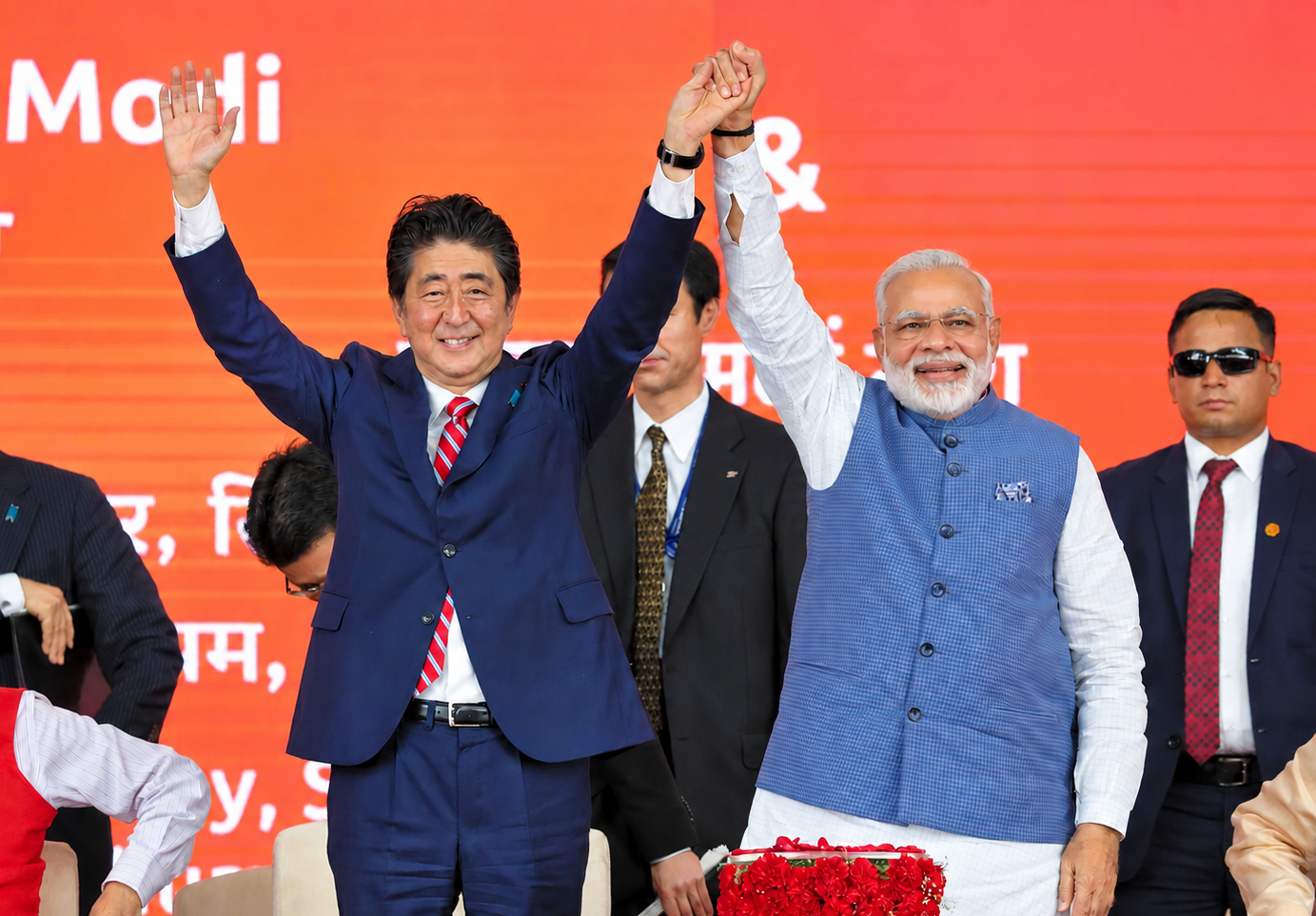
The Mumbai-Ahmedabad bullet train was promoted by Indian Prime Minister Narendra Modi and then Japanese Prime Minister Shinzo Abe as a symbol of the deepening strategic relationship between New Delhi and Tokyo. Japan brought its Shinkansen technology and highly concessional financing, making it the natural choice when India decided to enter the high-speed rail era. The two countries signed an agreement on the project in 2015, with Japan offering financing at 0.1 per cent interest over 50 years.
Troubled project
The tensions, however, are not entirely new. Land acquisition emerged as a major obstacle almost from the beginning. In 2018, The Indian Express reported that the project required about 1,400 hectares in Maharashtra and Gujarat, but only 0.9 hectares had been acquired at Mumbai’s Bandra-Kurla Complex. Villagers in Palghar and Dahanu were opposing the acquisition. Japan was already pressing India to resolve the problem, and Japanese officials urged faster negotiations with families affected by the acquisition, with more than 10,000 people expected to be affected. The original target was to complete land acquisition by December 2018.
The delays soon began to affect the project’s broader timetable. In September 2020, low participation by Japanese companies and tenders were cancelled because steep bids had contributed to an expected five-year delay. The projected commissioning date had slipped from December 2023 to October 2028. The land problem persisted for years. In 2021, more than 80 per cent of the required private land had been acquired after ₹7,027 crore (roughly US$7.29 billion) was paid in compensation, but acquisition in Maharashtra stood at only 31 per cent. The original land-acquisition deadline had already passed nearly three years earlier.
The scale of the delay became clear in 2023. Almost five years after the original December 2018 deadline, 99.95 per cent of land acquisition had finally been completed. Gujarat had achieved 100 per cent acquisition of 951.14 hectares, while Maharashtra had reached 99.83 per cent. The difficulties have now moved beyond land acquisition to the more sensitive questions of cost, technology and control.
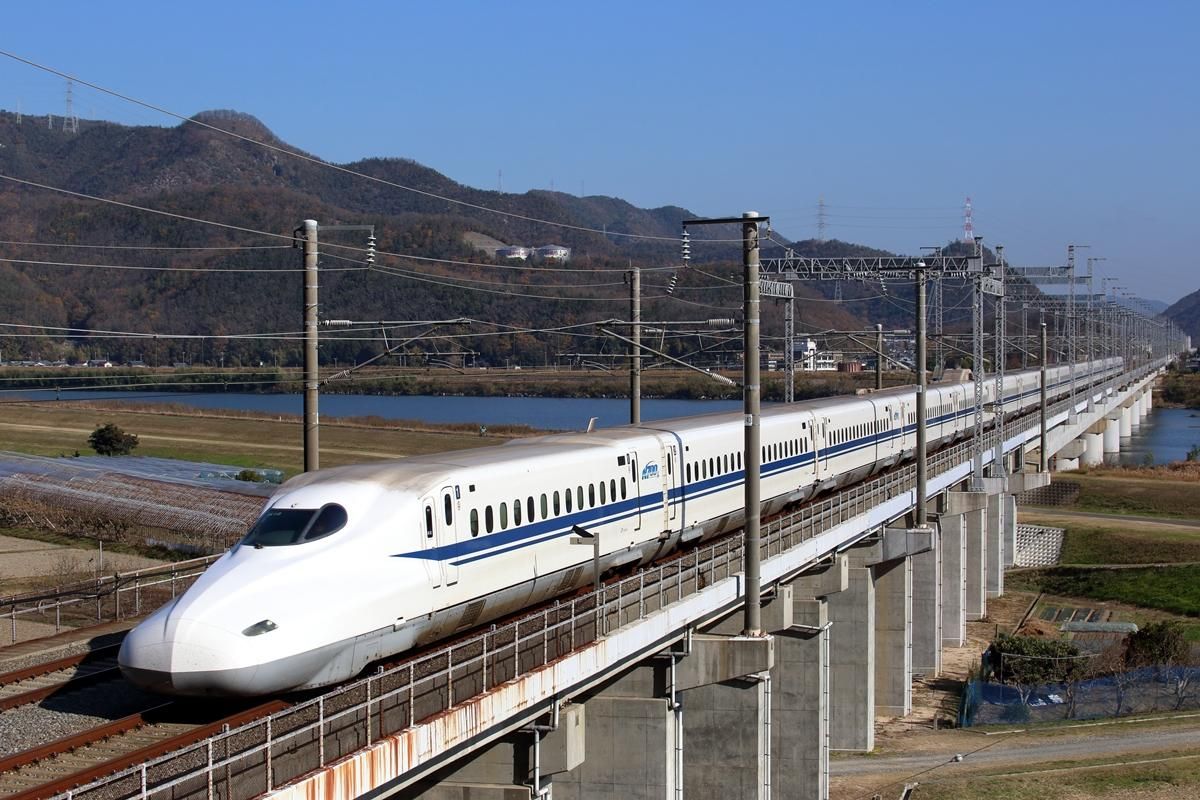
Additionally, Japan’s offer was never simply about financing. Tokyo expected its companies and technology to play a central role in the project. India, meanwhile, has increasingly sought to use the bullet train project to develop domestic engineering and manufacturing capabilities. That shift is becoming increasingly visible. In July 2026, India Today reported that India had moved towards greater technological independence, including the use of European rather than Japanese signalling technology and Indian-built trains for the first operational section. The report said the project had become substantially different from the one unveiled in 2017.
India has said the first operational section will use an Indian-built high-speed train, while Japan’s E10 Shinkansen is expected to be introduced later. The Indian government has also said talks with Japan are progressing well.
Test for India-Japan ties
For Japan, the stakes extend well beyond this single project. Tokyo has long used infrastructure financing, particularly through its network of low-interest official development assistance loans, as an instrument of economic statecraft and diplomatic influence across Asia.
A visible failure or prolonged dispute over the Mumbai-Ahmedabad corridor would therefore be an embarrassment for Japan’s reputation as a reliable partner for precisely the kind of transformative infrastructure projects it wants to promote across the Indo-Pacific. For India, the complications come at a time when Modi’s government remains deeply invested in the bullet train as a symbol of national modernisation. The project launched with considerable fanfare in 2017, when Modi and Abe jointly laid its foundation stone.
Abe’s death in 2022 removed one of the project’s most high-profile champions on the Japanese side. Meanwhile, the financial burden has increased as delays and construction costs have accumulated. The public nature of the current dispute is particularly striking given the political importance both countries have attached to their relationship. Differences over procurement rules, technology, local manufacturing and the extent to which Indian requirements can be reconciled with Japanese standards have all contributed to the impasse.
Can it be saved?
For Japan, the Shinkansen brand represents more than a commercial product. It is closely associated with safety, reliability and technological prestige. Any departure from the technological architecture on which that reputation rests is therefore likely to be viewed with considerable unease. For India, however, the project has increasingly become a test of whether foreign technology and financing can coexist with its broader push for domestic manufacturing and technological self-reliance.
The central question is therefore no longer simply when the first bullet train will run between Mumbai and Ahmedabad. It is whether India and Japan can reconcile two increasingly different visions of what the project should become. With completion pushed well beyond the original 2023 target, both governments face pressure to find a formula that preserves political face while resolving the underlying technical and financial disagreements. Diplomatic efforts continue, but no breakthrough has been announced.