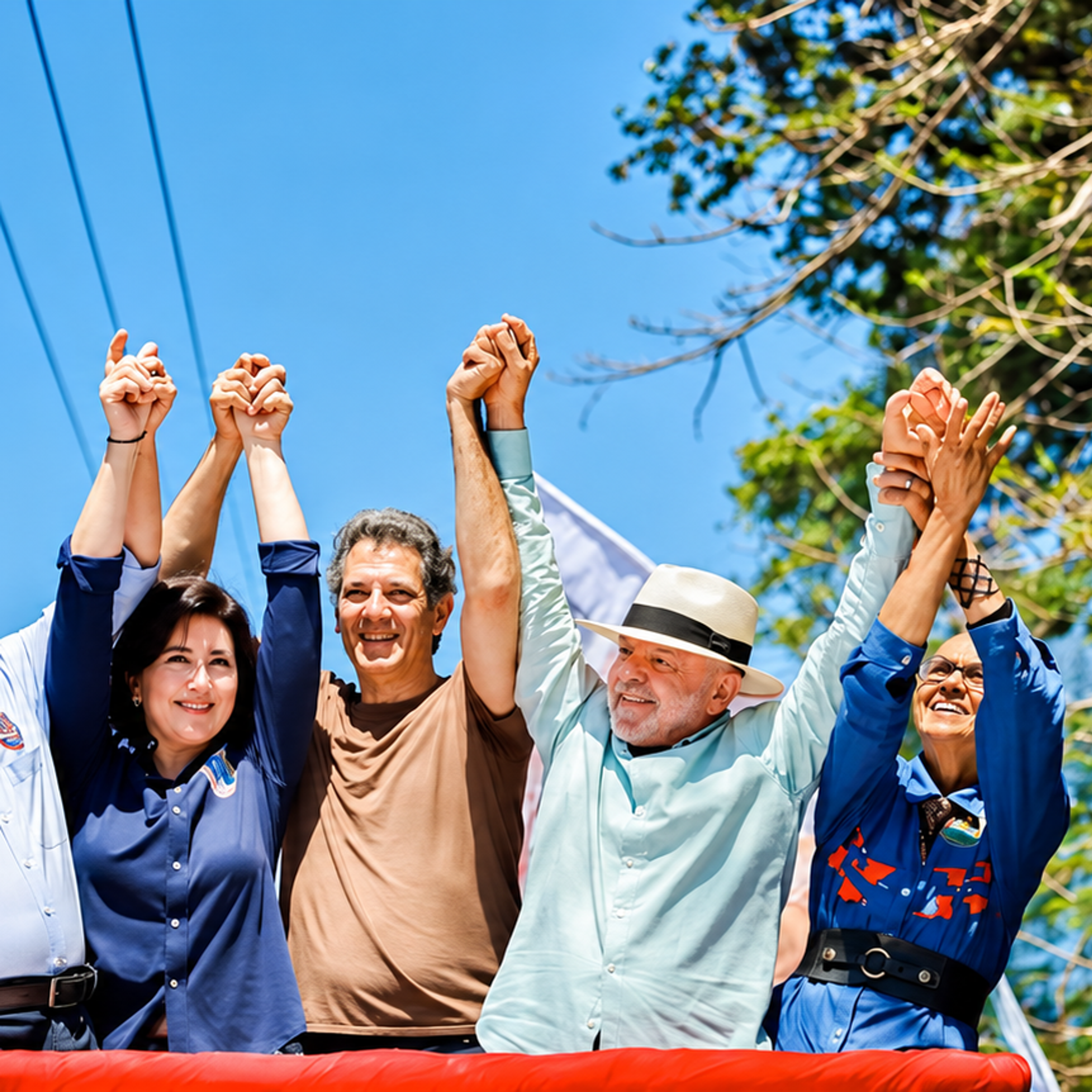
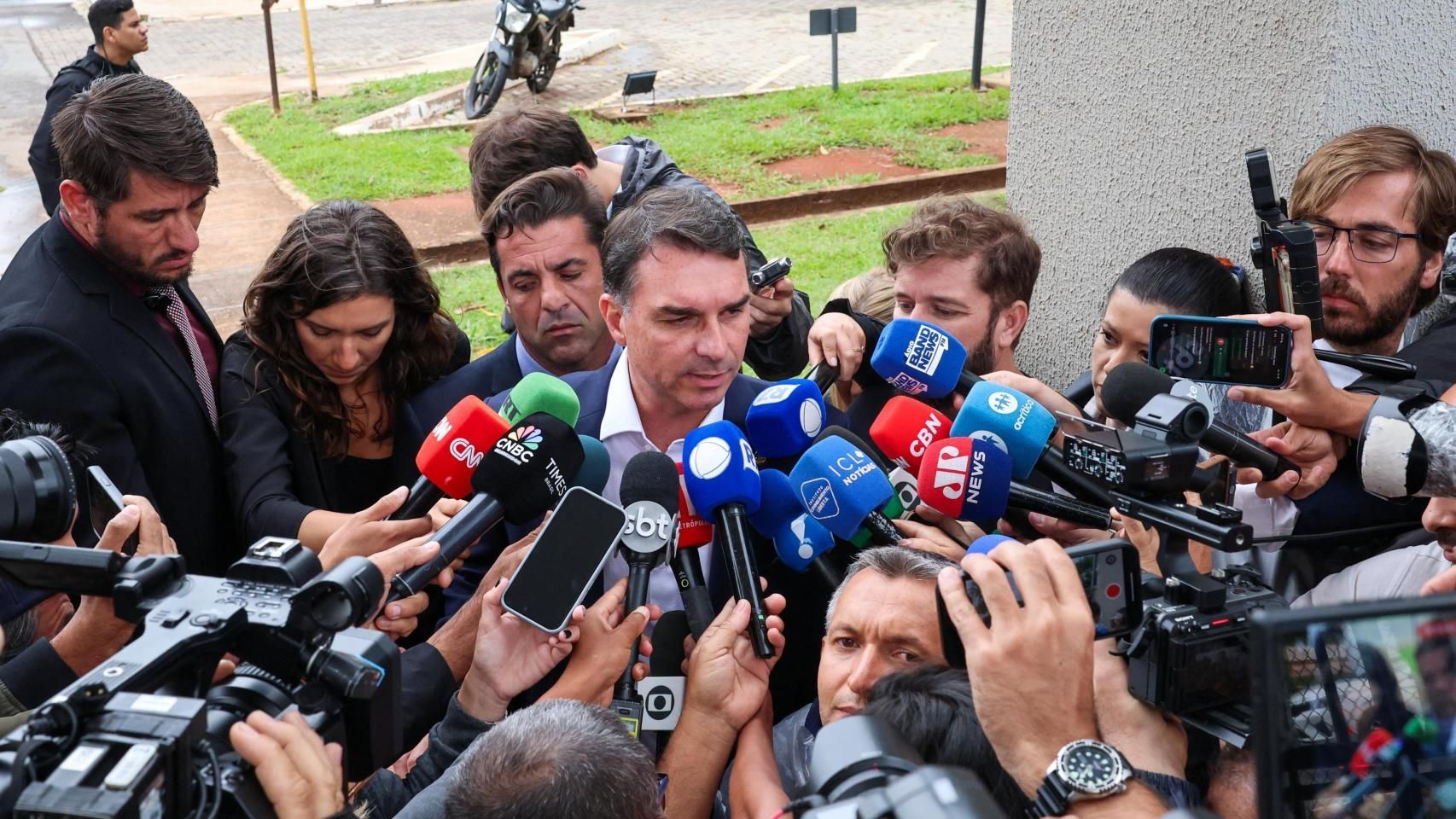
Brazil’s presidential election will be decided in a runoff after Flávio Bolsonaro, a senator from the family of a jailed former president Jair Bolsonaro finished ahead of the sitting head of state Luiz Inácio Lula da Silva on Sunday (October 4), but fell short of the majority needed to win outright, in a vote watched across a region that has been turning rightward.
Flávio Bolsonaro, of the right-wing Liberal Party (PL), took 47.04 per cent of valid votes against 45.15 per cent for the leftist President Lula da Silva, with 99.96 per cent of polling stations counted. Neither could pass 50 per cent, so, as per rules, the two meet again on October 25.
A narrow lead, and a surprise
Bolsonaro secured 56,098,129 votes to Lula’s 53,845,563, a gap of 1.89 percentage points. The result defied most private surveys, which had put Lula about three points ahead. The final Datafolha poll had Lula on 45 per cent and Mr Bolsonaro on 42%. Bolsonaro’s early lead narrowed through the night as north-eastern states, which favoured Lula, reported late. Lula won Bahia, Ceará and Pernambuco comfortably; Bolsonaro won São Paulo, Rio de Janeiro and Minas Gerais. He led in 15 states to Lula’s 12.
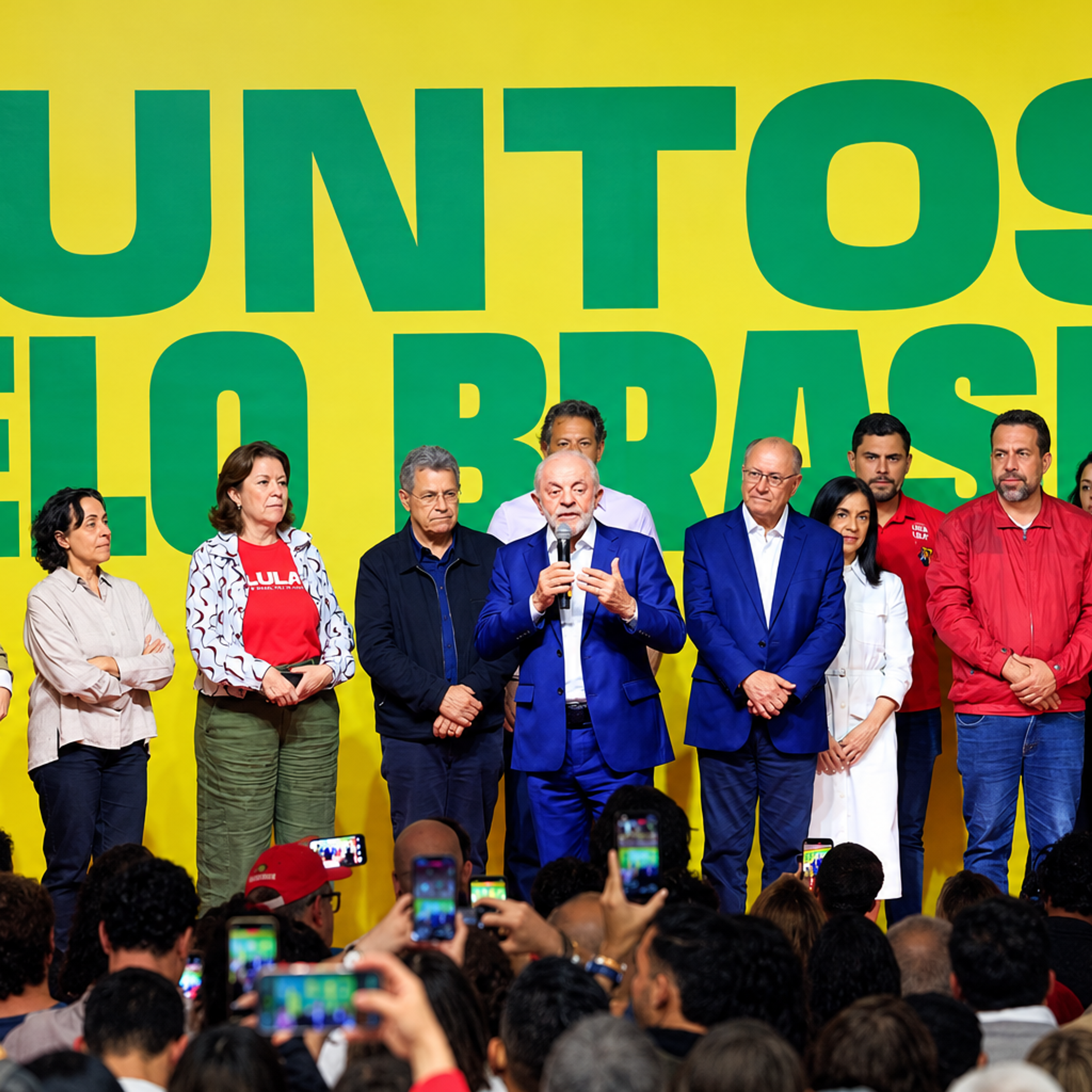
Lula, 80, acknowledged the outcome was unexpected, saying he had believed he would win in the first round. He said that his new campaign will begin on Monday.
The other candidates were eliminated: Augusto Cury took 2.89 per cent, Renan Santos 2.24 per cent, Ronaldo Caiado 2.18 per cent and Romeu Zema 0.27 per cent. NPR noted that the third, fourth and fifth-placed candidates were all right-wing, giving Bolsonaro a natural pool of voters.
A rematch of sorts
The contest echoes 2022, when Lula beat Flávio's father, Jair Bolsonaro, by the narrowest margin in Brazil’s democratic history. Jair Bolsonaro refused to accept defeat, and his supporters stormed the presidential palace, Congress and the Supreme Court. He is now serving a 27-year sentence for plotting a coup and was barred from running.
Flávio Bolsonaro, 45, has pledged to continue his father’s legacy, campaigning on conservative social policies, tax cuts and tougher action on crime. Lula is running on his economic and social record, including welfare programmes. Datafolha found Bolsonaro leading among evangelical voters by 47 per cent to 27 per cent, while Lula led among Catholics by 45 per cent to 33 per cent.
Conservatives also performed strongly in state races. The PL won at least five governorships outright, and the allied Republicanos took three more, including São Paulo and Minas Gerais. NPR reported early signs of right-wing gains in Congress, particularly the Senate.
A campaign shaped by scandal and Washington
Corruption dominated the race. A sweeping investigation into the collapsed lender Banco Master reached across the establishment, including the Supreme Federal Court. The court opened an inquiry in July into Bolsonaro over alleged corruption and money laundering linked to the bank’s financing of a film about his father. However, the scandal also hurt Lula indirectly as claims that Justice Alexandre de Moraes, his ally, advised the bank’s former owner, while his wife’s law firm held a R$131 million contract with it, gave Bolsonaro an attack line. Moraes denies acting on the banker’s behalf.
US president Donald Trump also loomed over the race. He announced 50 per cent tariffs on Brazilian imports in July 2025, calling the case against Jair Bolsonaro a “witch hunt”. They were rolled back in November but reimposed this July, letting Lula accuse Washington of interference. Flávio Bolsonaro met Trump in the Oval Office in May and promised to join the US president’s “Shield of the Americas” initiative if elected.
A region swinging right
The result fits a wider pattern. By one tally, 12 Latin American countries now have right-wing, Trump-friendly governments, against nine led by the left. Chile elected the far-right José Antonio Kast in December, following Bolivia's Rodrigo Paz, while this year’s votes brought Abelardo de la Espriella to power in Colombia and Keiko Fujimori in Peru. They join Argentina’s Javier Milei, Ecuador’s Daniel Noboa and El Salvador’s Nayib Bukele. Trump backed several allie directly, including a $20bn bailout for Mr Milei before his midterms.
However, some analysts indicate that the trend may be a shift against incumbents more than towards the right, with voters punishing governments over insecurity, inflation and corruption. Brazil and Mexico, the region’s two largest economies, remain under left-wing governments, making Brazil the decisive test.
Ahead of the runoff on October 25, both camps in Brazil will court supporters of the eliminated candidates, who together took about 7.6 per cent. It is not yet known whether any will endorse a finalist.