Elon Musk spent hundreds of millions of dollars trying to keep Donald Trump’s Republicans in power. He has now disowned the movement they fought under. “I'm not MAGA,” Musk told the New York Times on Wednesday (November 18), two weeks after Democrats took control of Congress by a wide margin despite his money. The man who coined the label “Dark MAGA” now calls himself moderate and says he regrets the spending.
Trump’s reply, given by telephone to NBC News on Thursday, mixed warmth with a warning. He called Musk a friend with “very good intentions” but said MAGA “means something very specific” and that people who stray from it “don't do very well”.
What Musk said
Musk spoke by video link from China at the DealBook Summit, a business conference run by the New York Times, in an interview with the columnist Andrew Ross Sorkin. He said he was not sure what MAGA meant, and that if it meant blind adherence to Republican policy, he did not have it. He described his politics as “quite moderate”.
He argued that “Politics is very tribal”, with people backing a party as they would a hometown sports team. He predicted that the incoming Democratic governor of Texas, Gina Hinojosa, would prove moderate, and said it was healthy for at least one of the presidency, the House or the Senate to be held by the other party.
His aim had been a Republican Senate majority, and he conceded it had failed. “If I could rewind the clock I would’ve spent less money,” he said. He added that things might have been worse without his money, but that the result showed American elections are not only about cash.
Trump’s response
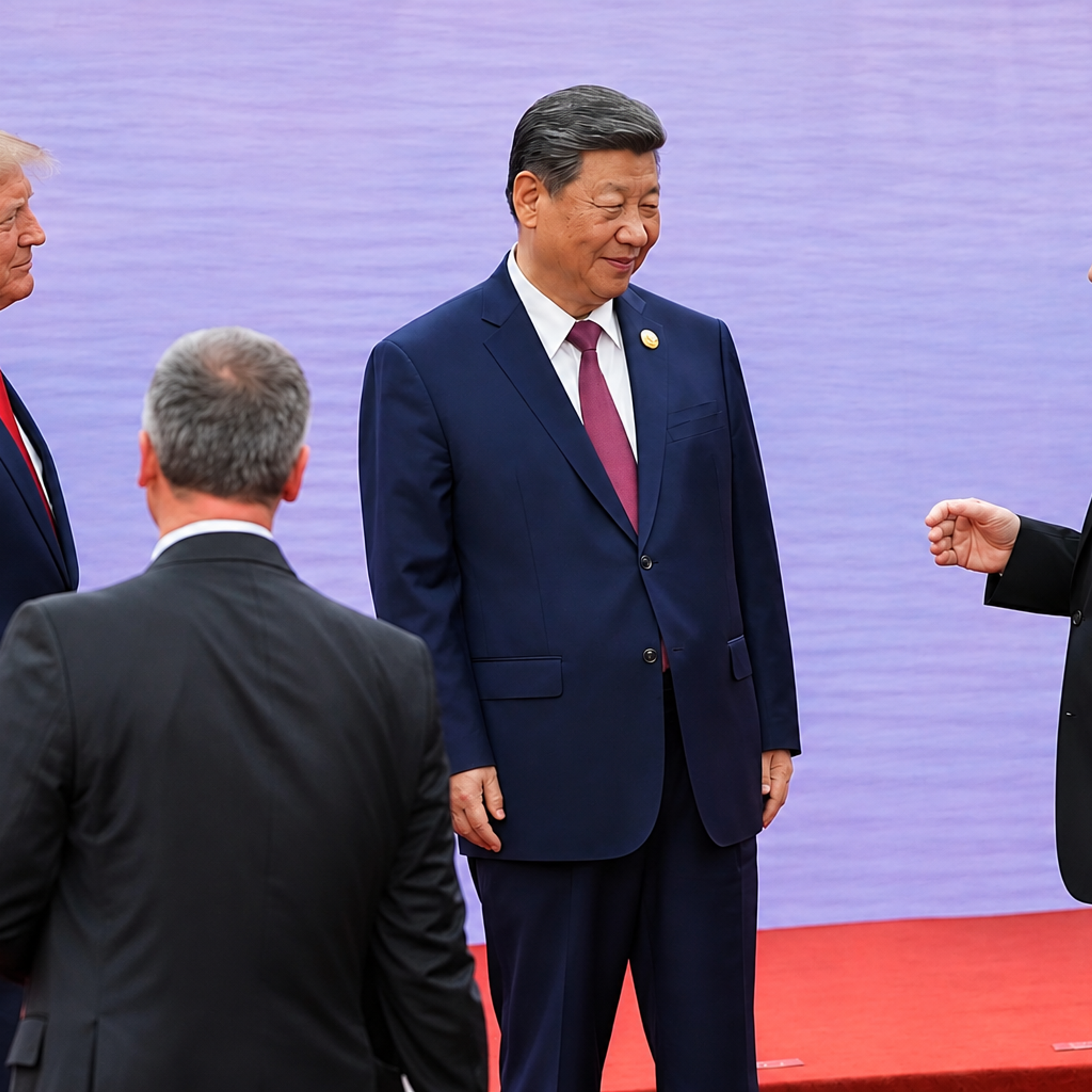
Trump was in the Chinese city of Shenzhen at the end of an Asia trip. Earlier that day he had met Vladimir Putin. He did not rebuke Musk, and pointed out that Musk had travelled with him. Musk joined the business delegation, although a White House official had said he would not take part in the meeting with Xi Jinping and Putin. The president’s warning came without elaboration. Trump has been less conciliatory about the election itself. He has insisted that had he been on the ballot, “we would have won IN A LANDSLIDE!”
What is MAGA?
“Make America Great Again” was the slogan of Trump’s 2016 campaign, adapted from Ronald Reagan’s 1980 pitch. It has since grown into a political movement built around personal loyalty to Trump. It has no membership list or formal manifesto, but its central themes are tighter immigration controls, tariffs and economic nationalism, an “America First” wariness of foreign commitments, hostility to the political and media establishment, and cultural conservatism. Its coalition is broad and sometimes uneasy, and takes in working-class populists, religious conservatives, libertarian-leaning donors and the “tech right” that Musk came to represent.
That looseness explains the exchange this week. Musk says he cannot define MAGA, while Trump says that it has a precise meaning. In practice, Trump usually decides who counts as part of it.
How Musk became its most visible booster
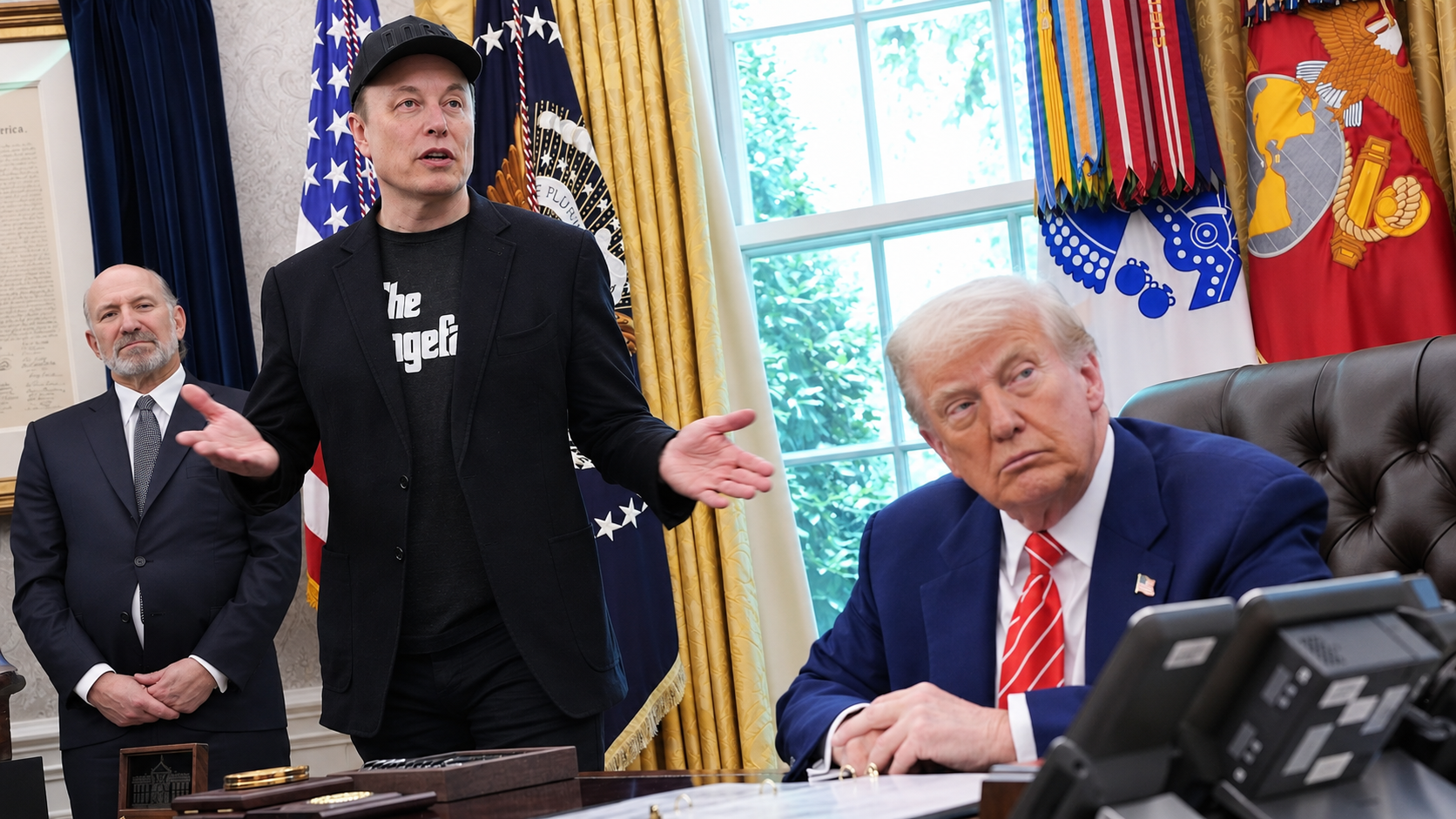
Musk backed Trump in 2024 and spent roughly $277 million to elect Trump and Republican lawmakers that year. In early October he told a Pennsylvania rally: “I’m not just MAGA, I’m dark MAGA.” Later that month he unveiled a black, gothic-lettered cap at Madison Square Garden.
After the election he sat in the front row at Trump’s second inauguration and, hours later, appeared at a Washington rally to embrace the president’s agenda. He then led the Department of Government Efficiency, a role that for months made him the most high-profile figure in the administration after Trump. He left in the spring of 2025, and the agency was shut down in November.
The first break
Their alliance had already cracked once. In June 2025 Musk attacked Trump’s tax-and-spending bill as a “disgusting abomination” and urged his followers to “kill the bill”. He floated a new “America Party” and claimed without evidence that Trump appeared in the Epstein files, a post he later deleted. Trump said he was “very disappointed in Elon”. Within days Musk conceded that some of his posts “went too far”. The two later reconciled, and Musk flew to China with Trump in May this year.
This week’s shift is different in kind. In 2025 Musk objected to a specific piece of legislation. Now he is distancing himself from the movement as a whole.
Why an U-Turn?
The most obvious reason is the election result. Musk spent more than $400 million on Trump-aligned Republicans, including around $200 million for Texas Senate nominee Ken Paxton, who lost to the Democrat James Talarico. The Talarico victory was the first Democratic statewide win in Texas in more than 30 years. Before the vote Musk had warned his followers that a Democratic victory would be a disaster for the country.
Musk also became a campaign issue. Talarico ran directly against him. “He is trying to buy Texas,” he told a rally, and in his victory speech he sent “a message to every billionaire megadonor, every trillionaire megadonor.”
Meanwhile, Democrats plan congressional investigations into tech firms’ dealings with the Trump administration. In 2025, House Republicans blocked a Democratic motion to subpoena Musk. That protection ends when Democrats take control in January.
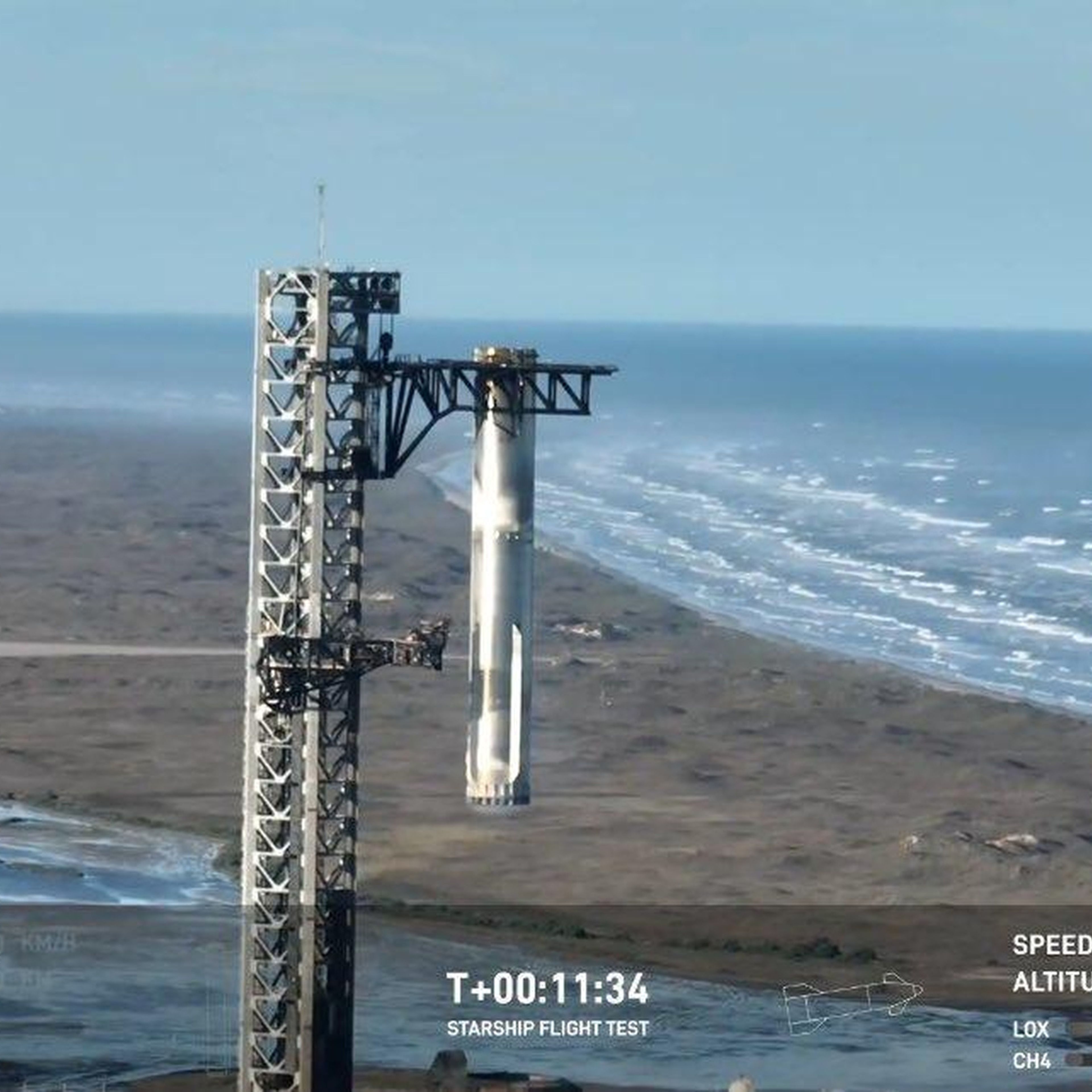
Musk’s businesses are also exposed. Tesla, SpaceX and Starlink all depend to some degree on government contracts, grants and regulation. In Texas, Starlink won about $110 million in state grants, which triggered an audit. Democrats also made artificial intelligence and data-centre expansion a campaign theme, which matters to a man whose empire includes an AI company.
His shift appears to be the latest example of billionaire tech executives changing their stance as Democrats prepare to take power. The chief executive of Palantir, Alex Karp, recently said “I’ve been a Democrat my whole life.” Commentators such as Gizmodo’s writers suggest the industry is pivoting to protect itself.
Democrats, however, remain unimpressed. Senator Ruben Gallego replied on X: “You are still getting a subpoena.” Representative Yassamin Ansari, who sits on the House Oversight Committee, said that Democrats were still investigating Musk. Critics argue that a man who spent so heavily and so publicly for one side cannot simply step away from it.
Musk’s interests are global, as the Shenzhen trip showed. Tesla has operations in China, and officials cited Musk’s business interests there when explaining his place on the trip. How he positions himself in Washington therefore affects how his companies are treated in other capitals. It is also a signal of how far other leaders of Silicon Valley may distance themselves from the administration before the new Congress sits.
The immediate questions are whether Democrats follow through on subpoenas in the new year, and whether Trump’s friendly words survive contact with Musk’s new politics. The two men have fallen out before and made up before. Whether Musk’s money returns to politics in 2028, and on which side, remains unknown.