Surakitti Plengsanguan sells sugarcane and lime juice from a stall in one of central Bangkok’s busiest districts. For months, a construction site a few hundred metres away puzzled the neighbourhood, which is packed with a market, apartment buildings and family homes. No one knew what was being built. The noise and dust were irritating enough, but the breaking point came when he began to smell diesel, day and night, and suspected the site was the source.
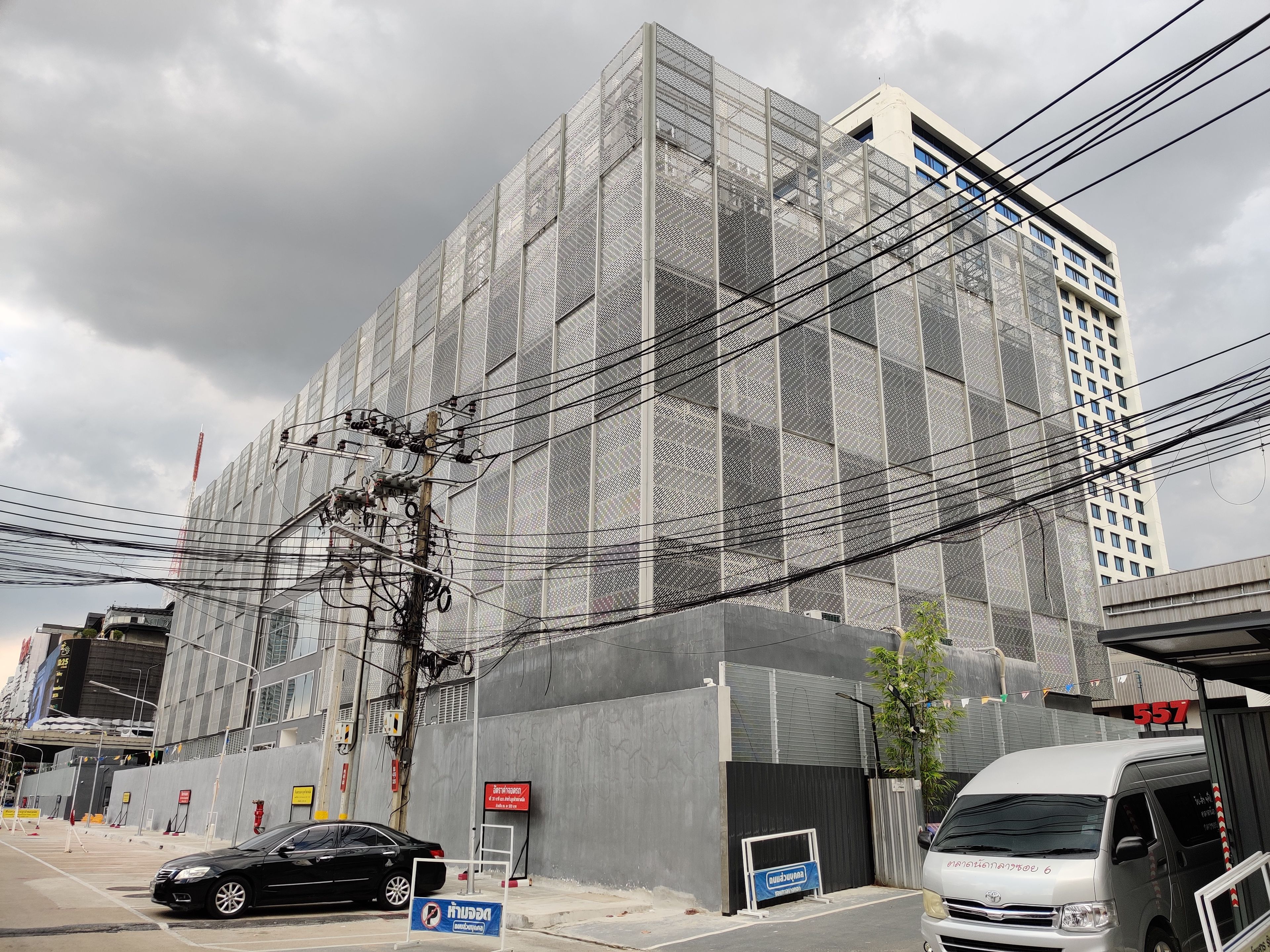
The building was a data centre owned by DAMAC Digital, the data centre arm of Dubai-based conglomerate DAMAC Group. During a test of its backup generators, diesel leaked and was washed by rain into the public drainage system. Surakitti took his complaint to the authorities and the media. The story spread, and Bangkok residents realised that data centres were already operating, and being built, in their own neighbourhoods rather than in industrial zones or on land far from residential areas.
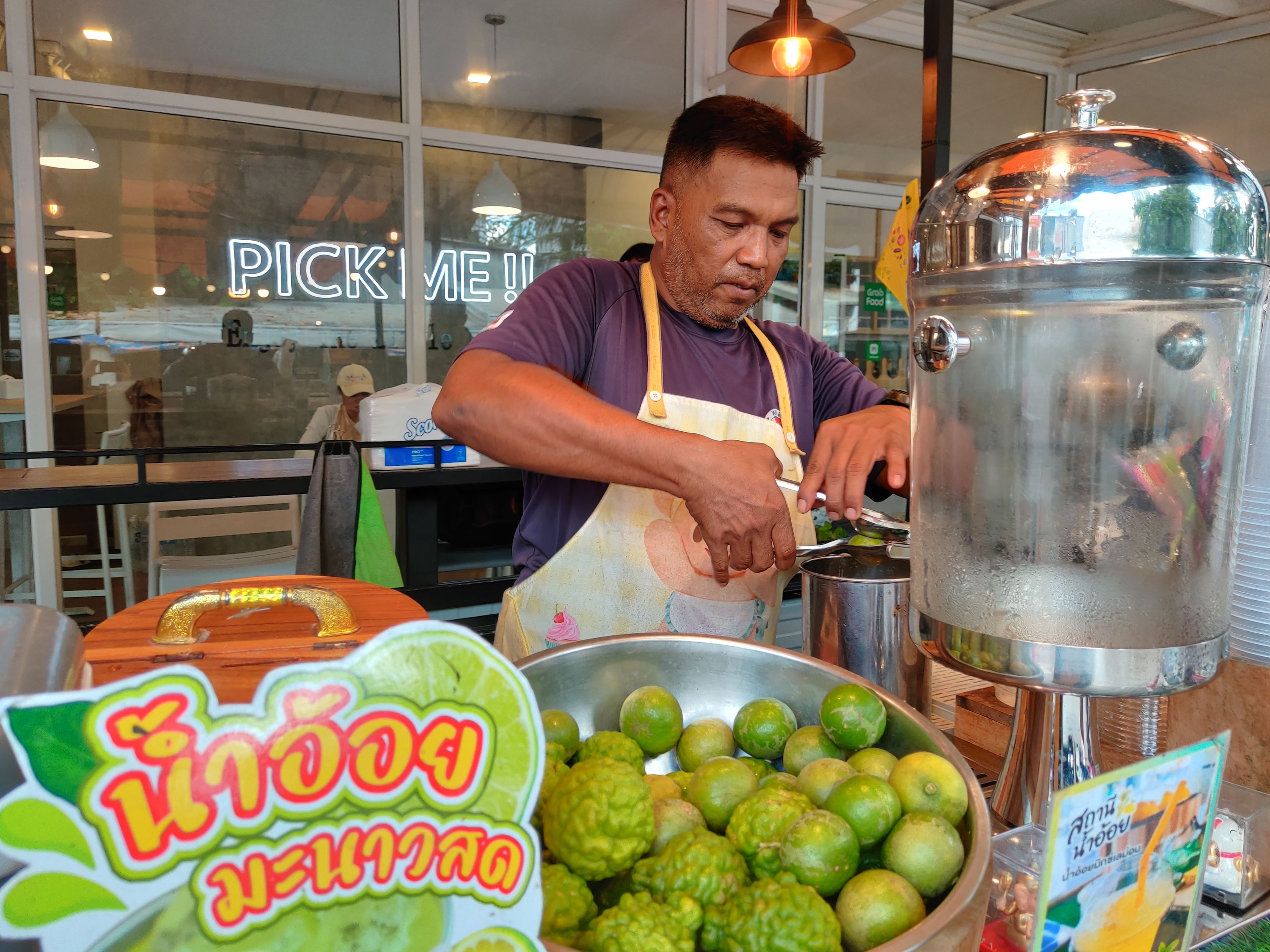
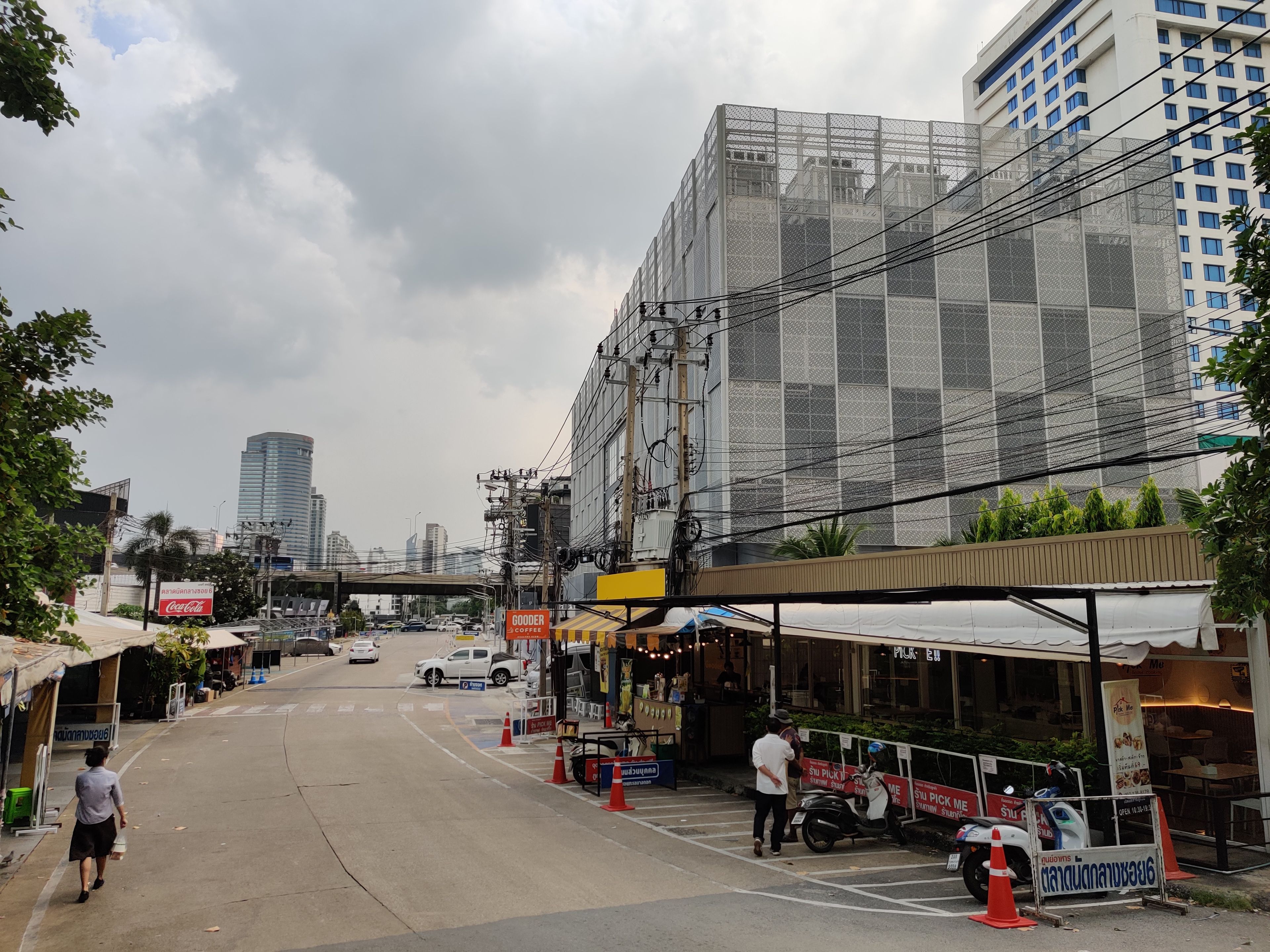
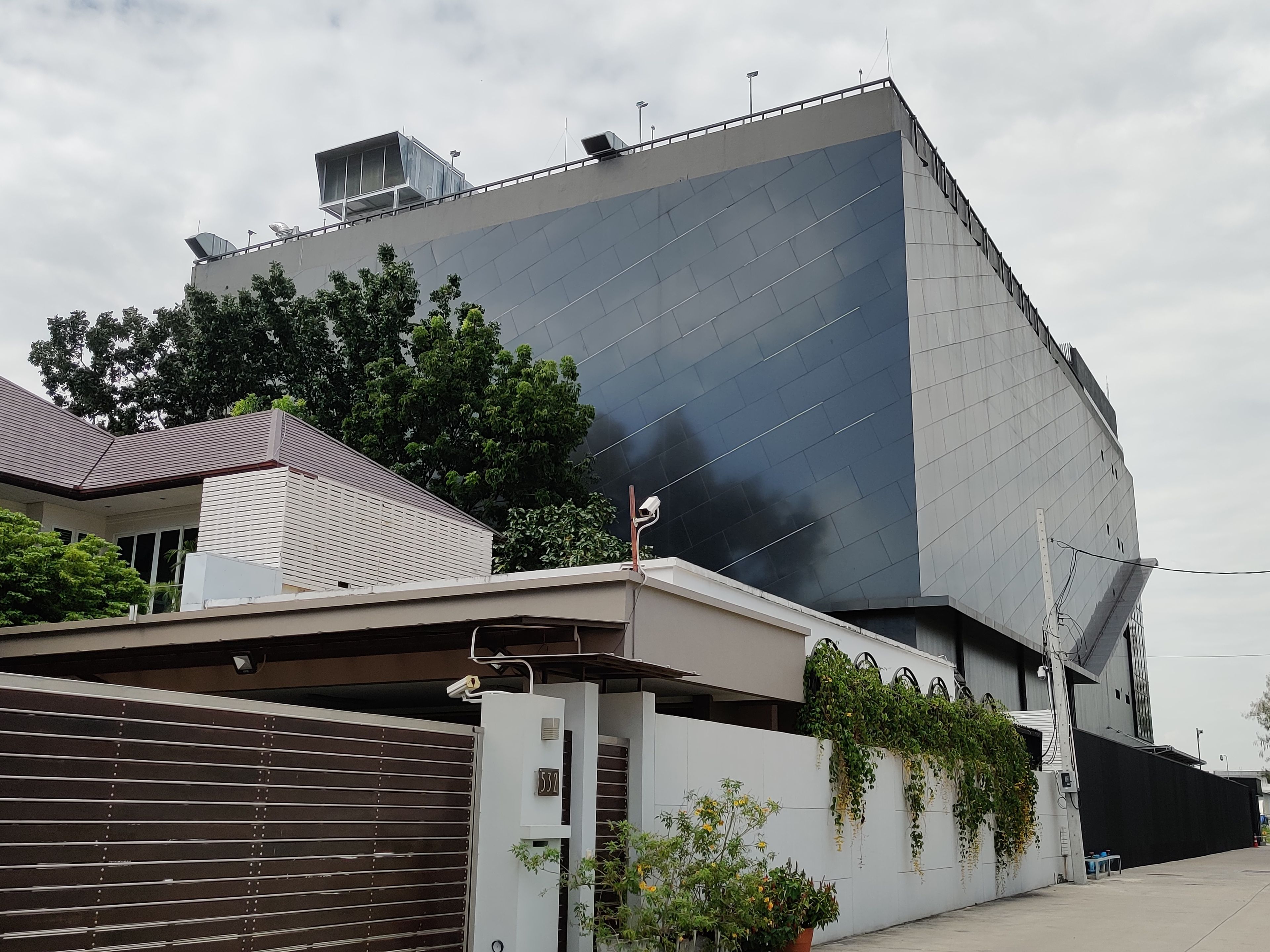
Surakitti, who had known little about data centres, began researching them. He was surprised to find that Bangkok has far more than he had expected. According to Data Center Map, the city has 50. Most are housed in existing buildings or office spaces and have operated for years, in some cases decades. Six are standalone facilities: three have been permitted and operating since 2021 and 2023, while the other three are still under construction, with permit consideration halted until the government sets a clear policy.
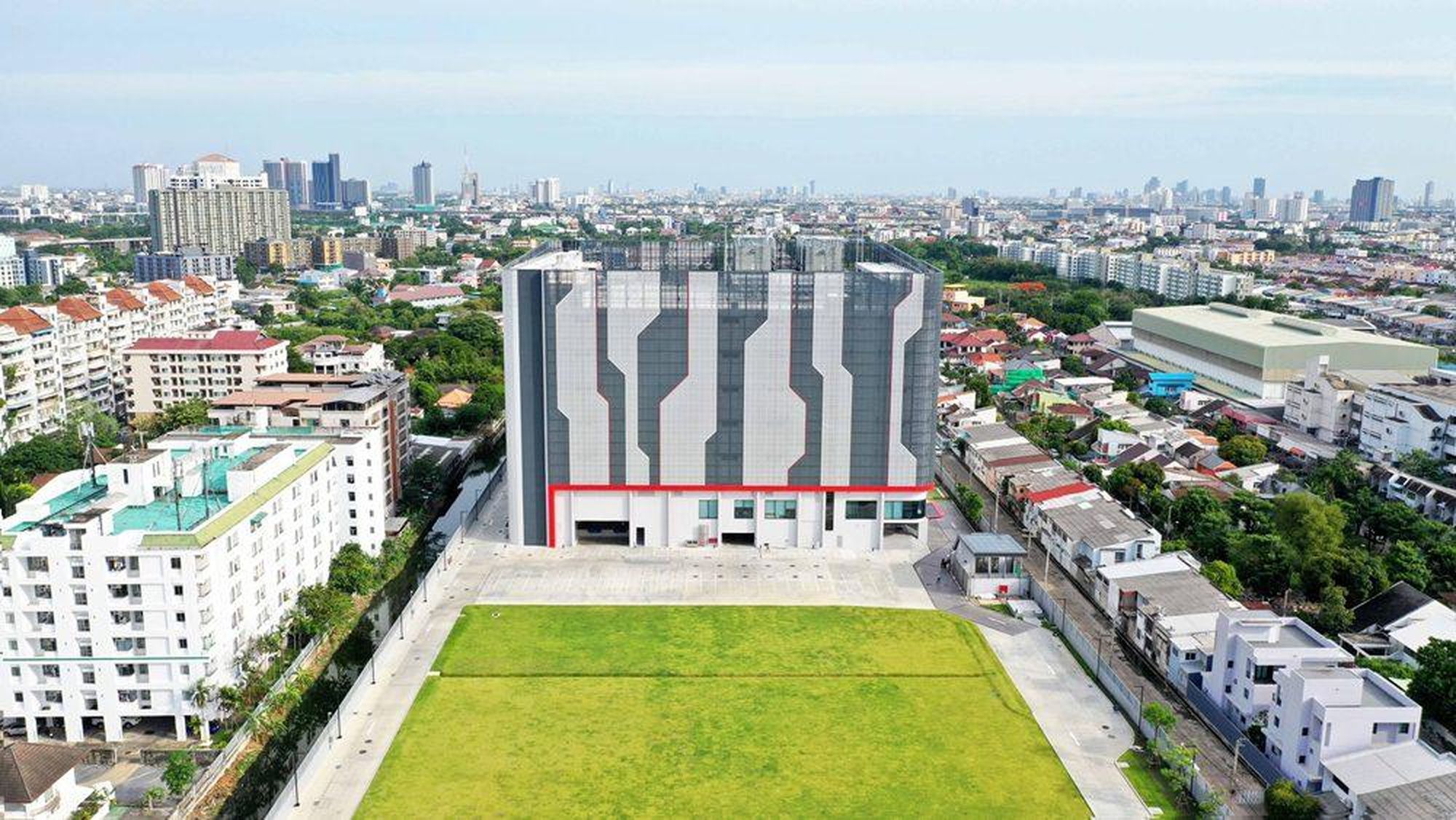
One of them, STT Bangkok 1, is a modern seven-storey complex with a gross floor area of more than 30,000 square metres. A facility of this size typically employs around 25-65 technical and operational staff. Its clients typically include cloud service providers, large enterprises, telecommunications operators, financial institutions, and businesses specialising in artificial intelligence (AI) and high-performance computing.
Rules That Lag Behind
Data centres are common in major cities, including New York, London, Tokyo and Mumbai. Urban locations offer lower latency, meaning signals reach users faster than they would from remote sites. The facilities are also key infrastructure for AI and the digital economy, both of which Thailand has been promoting.
Yet Thailand has no law specifically governing data centres. Existing facilities operate under the warehouse law, so Bangkok’s urban planning rules allow them to be built in high-density residential zones. Because data centres are registered as goods storage, they are not among the projects that must prepare an environmental impact assessment (EIA) report under the Ministry of Natural Resources and Environment’s 2023 notification. Critics question whether facilities that consume large amounts of energy and water for cooling should be regulated like warehouses.
Thailand is not alone in grappling with this. New York has no comprehensive legislation specifically governing data centres either. But in July 2026 the state’s governor signed an executive order pausing discretionary state environmental permits for projects capable of consuming 50 megawatts or more of electricity. The pause lasts about a year, giving authorities time to assess the impact on the power grid, water supplies, air quality and surrounding communities.
In Bangkok, the regulatory gap worries residents living a few hundred metres from a 23MW data centre in the east of the city, operated by Singapore-based ST Telemedia Global Data Centres. The company also runs a 2MW facility in a central Bangkok office building and is building a 24MW data centre right next to the completed one in the east.
Pornpila Leetaharn, 49, lives and works in the neighbourhood and worries about the diesel stored just metres from her home and office. “My apartment is only the width of an alley away from them. If anything happens, like an explosion, I wouldn’t know what to do. I just hope they have good safety measures in place,” she said. The 23MW facility holds approximately 400,000 litres of emergency fuel for backup generators during power outages and for scheduled tests.
The stakes are high because data centres must run around the clock, processing everything from online banking transactions worth millions of dollars to movie streaming, and even a second of downtime can cost customers heavily. Because the facility stores less than 500,000 litres of diesel, it does not need an oil depot permit, which would subject it to far stricter inspection.
The DAMAC site in central Bangkok had stored around 200,000 litres without a permit. After the leak, authorities inspected the site, and the company building it now faces prosecution for operating an oil storage business without a licence. The offence is punishable by up to two years in prison or a fine of up to 200,000 baht (about $6,000).
The impact extends beyond individual neighbourhoods. A September 2026 investigation by JustPow, a collaborative platform for energy and environmental data in Thailand, identified 34 data centre projects in Bangkok: 24 operating, seven under construction and three planned. Their combined electricity demand was estimated at no less than 247.2MW, equivalent to the usage of nearly 250,000 households. Applying an industry-standard water efficiency metric to the disclosed electricity consumption of facilities with available data, JustPow estimated their annual water consumption at about 4.43 million cubic metres, equivalent to the usage of nearly 20,000 households.
So far, residents have not felt the strain. The Metropolitan Waterworks Authority (MWA) told the media in September that there is currently no significant impact on the public. It has detected no wastewater pollution, though it will keep monitoring whether high-temperature water is being discharged into local canals. Deputy Governor Supichet Thawonthaweewong said major data centres in the Bangkok area use an average of 7,000 cubic metres of water per month, compared with 20,000 cubic metres for large hospitals and 30,000–40,000 for large shopping malls. He confirmed that data centres have not yet affected water services for customers in the city.
The government is now moving to fill the regulatory gap. It set up the Data Center Board in August to draw up a governance policy, and on 27 October the board approved a draft regulatory framework. It would require data centres with electricity demand of 0.5MW or more to meet minimum standards covering site selection, resource use and environmental protection. Requirements will vary across seven tiers according to electricity demand, and projects will go through centralised screening via a One-Stop Service system (DC-OSS). The policy aims to allocate resources efficiently, minimise the impact on local communities and promote green data centres in support of Thailand’s 2050 net-zero target. Existing operators will have to comply with a new environmental Code of Practice (CoP), while facilities licensed for construction before 11 August 2026 will have up to one year to meet the requirements. The draft still needs cabinet approval.
Heat, Noise and a Wary Neighbourhood
Residents have other worries beyond fuel and water. Pornpila and her neighbour Pataraporn Sungsamanun, who live in the same apartment building, point to noise from the ongoing construction and vibrations from trucks dumping building materials on site. Asked about heat, they said the air has felt warmer in recent years but they could not say whether the data centre or global warming is to blame.

Heat is a known issue. Data centres run servers, chips and other equipment 24 hours a day. Operators use advanced cooling technologies such as direct-to-chip liquid cooling and immersion cooling to carry heat away from the servers, but the process still releases waste heat into the surroundings through cooling towers, which dissipate it from the water into the atmosphere.
While awaiting national rules, the Bangkok Metropolitan Administration (BMA) has introduced interim measures. They include random inspections that monitor heat emissions by measuring temperature and relative humidity in real time. The temperature difference between a data centre and the surrounding communities within a 500-metre radius must not exceed 2 degrees Celsius over a 24-hour period.
Research elsewhere suggests why. A study of four data centres in Phoenix, Arizona, found that they can warm the air downwind by up to 2.2°C (about 4°F), with the effect felt as far as 500 metres away. A separate international study led by the University of Cambridge found that land surface temperatures around AI data centres rise by an average of 2°C after operations begin, a phenomenon the researchers call the “data heat island effect”. It estimates that more than 340 million people worldwide could be affected. Researchers warn that as more data centres are built, the heat they release could become a growing environmental concern for cities and those planning new developments.
For some neighbours, the reality has so far been quieter. DAMAC also operates a completed standalone 20MW data centre in eastern Bangkok, about 10 metres from a high-rise apartment building and right next to a house. “I haven’t noticed any negative impact. I didn’t even know it was a data centre until the issue became a hot topic. I hear some noise for about 10 minutes once a week, but I’m not sure if it’s a test or part of its normal operations. It doesn’t really bother me, and I haven’t heard any complaints from other residents either,” said one apartment resident, who asked not to be named.

In central Bangkok, DAMAC has tried to ease the concerns of residents and business owners near its site. Together with its consultant, Pongsapak Wuttipunya, the company agreed with Surakitti to set up a committee of residents, market representatives and a company official, to liaise with local government, police, hospitals and schools.
Pongsapak said DAMAC should reach out to the neighbours of its data centres to learn of any concerns before they grow. A dark, unmarked building invites suspicion, he said, and companies should shine a light on their data centres by being transparent with neighbours, so both sides understand each other and develop the area together.
Talking with people in the area, the committee found that the main worries were heat, noise and dust. It proposed that the company install a digital signboard showing temperature, dust levels and other relevant readings. Surakitti, who is still waiting to see what it will display, said it is important to be fair to both the community and DAMAC, since the site is still under construction and heat has not yet become an issue.
Surakitti is happy that the construction site has brought more customers to his stall, and he has no complaints for now. But he will keep watching once the data centre begins operating, and he wants data centres classified as factories so they must pass an EIA before construction begins.
For now, the question remains whether the policy issued by the Data Center Board, including its new environmental Code of Practice, proves adequate to regulate data centres on environmental protection and other key issues.