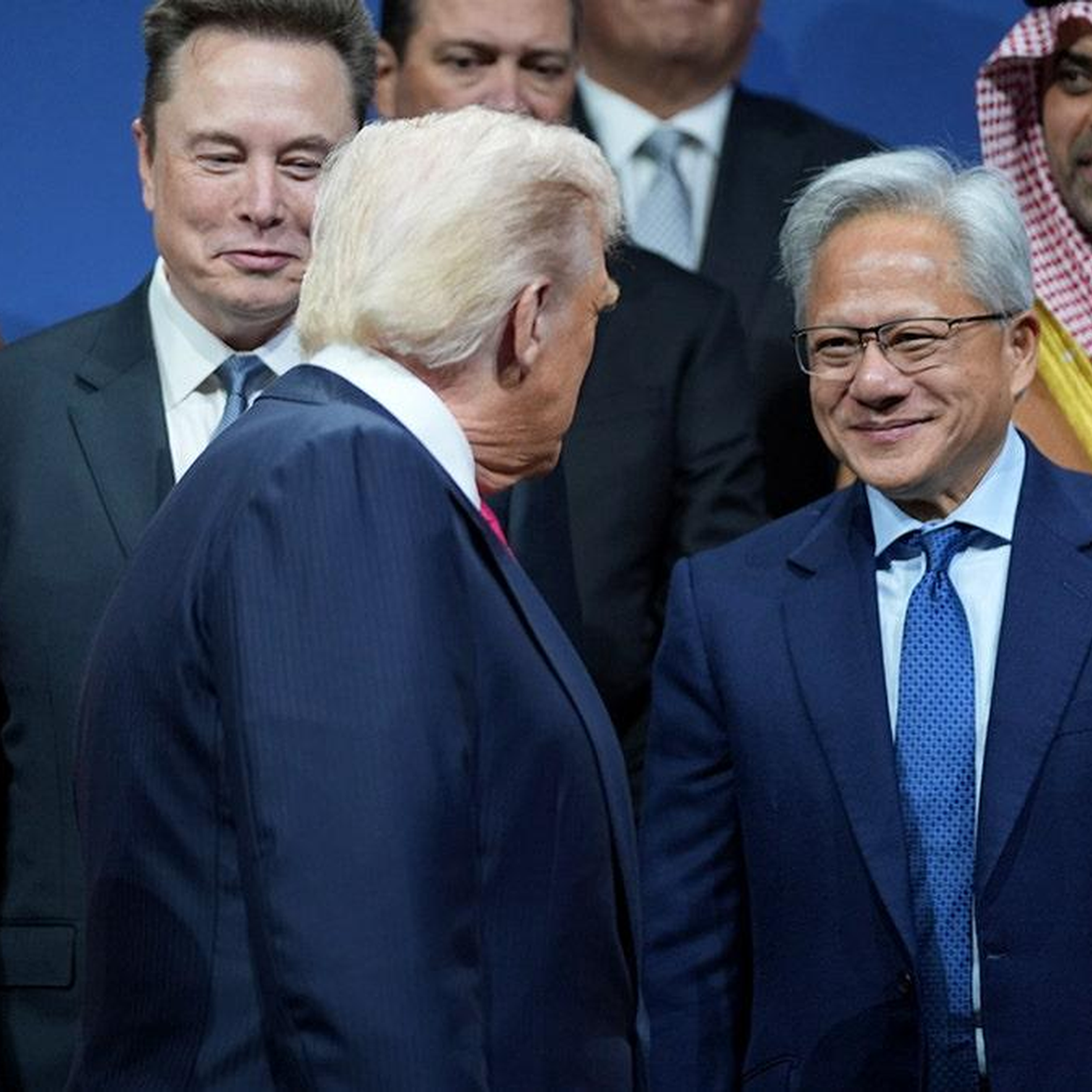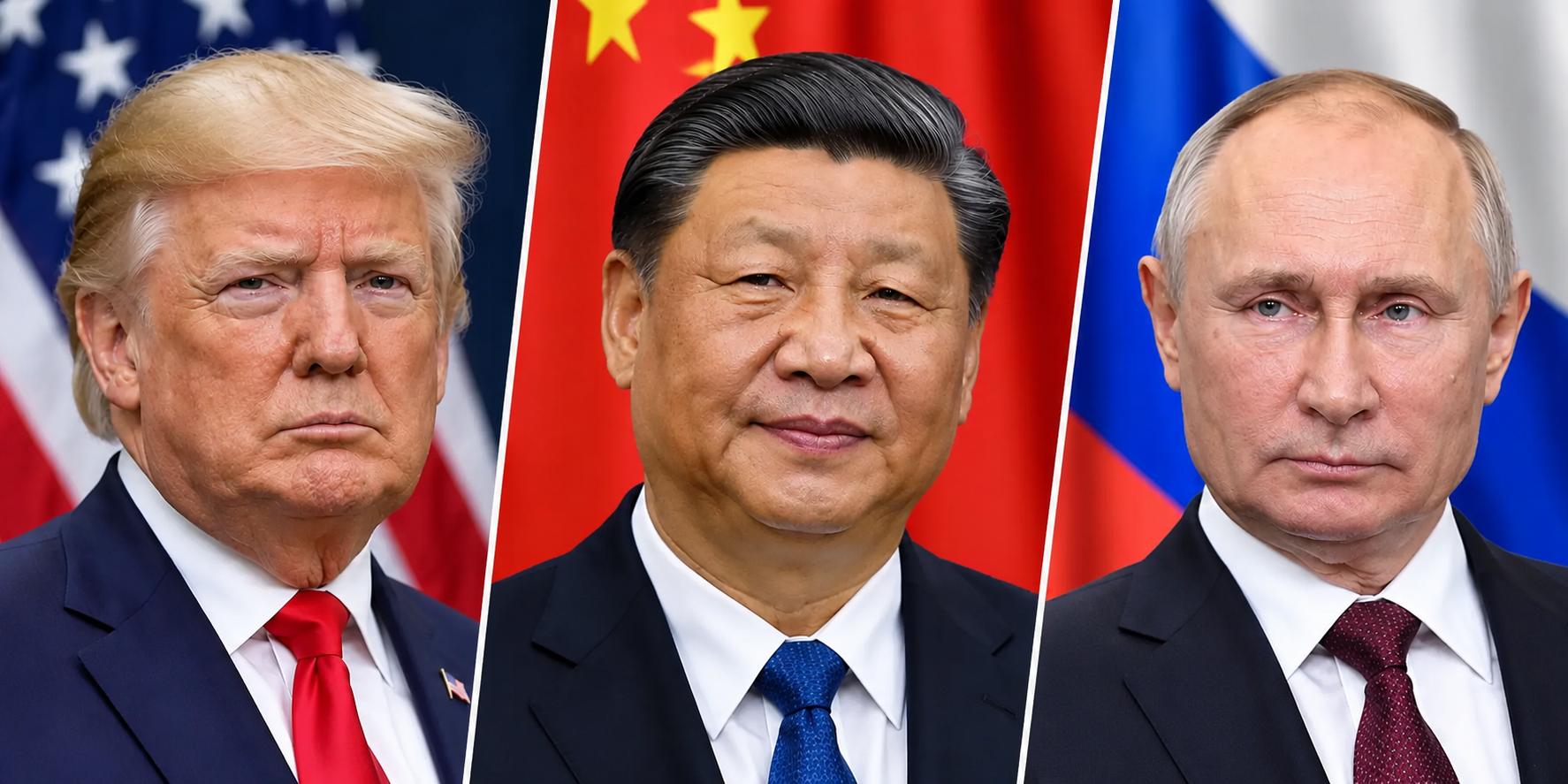
The world will be watching Shenzhen on November 19 as Chinese President Xi Jinping, US President Donald Trump, and Russian President Vladimir Putin meet for their first-ever trilateral summit. The unprecedented meeting, scheduled on the sidelines of the Asia-Pacific Economic Cooperation (APEC) leaders' summit, brings together the heads of three nuclear-armed powers amid mounting geopolitical tensions, competing strategic interests, and conflicts across different regions.
While the Chinese Foreign Ministry confirmed the meeting on November 16, it offered little information about the agenda. However, statements from Washington, Beijing and Moscow suggest that nuclear arms control and the ongoing war in Iran will figure prominently in the discussions. The Ukraine conflict, meanwhile, could remain outside the formal agenda. Beyond the immediate issues, the meeting will test whether the three leaders can find common ground on global security or whether their competing ambitions will limit the gathering to diplomatic symbolism.
1. Nuclear Arms Control: The Biggest Test
Nuclear disarmament is expected to be the central issue, particularly for Trump, who wants Washington, Moscow and Beijing to explore ways to reduce their nuclear arsenals. The timing is significant. The New Strategic Arms Reduction Treaty (New START), the last major nuclear arms control agreement between the US and Russia, expired in February 2026, leaving the world's two largest nuclear powers without its previous legally binding limits on strategic nuclear weapons.
Trump wants a new and broader agreement that includes China. However, Beijing has little incentive to join negotiations under the existing framework. China has consistently argued that Washington and Moscow, which possess substantially larger nuclear arsenals, should make reductions first. This difference in positions could prove difficult to bridge. Beijing is also expanding and modernising its nuclear capabilities and is unlikely to accept restrictions that could constrain its strategic options while the US and Russia retain significantly larger stockpiles. That’s why an arms control agreement is unlikely to emerge from a single meeting. A commitment to continue discussions or explore measures to reduce nuclear risks would be a more realistic outcome.
2. Ukraine, Iran and the Limits of Great-Power Cooperation
The Ukraine war presents one of the most delicate questions surrounding the summit, even though it is not expected to feature in Trump's discussions with Xi and Putin. US officials have indicated that Trump is unlikely to raise the conflict during the meeting. Chinese President Xi has reportedly expressed irritation at the suggestion that the three leaders could discuss Ukraine, arguing that it is a European conflict and that European countries must also have a seat at the negotiating table.
Beijing's position reflects its reluctance to allow a three-power arrangement to determine the future of a conflict that directly concerns European security. It also highlights a fundamental limitation of the proposed trilateral format. While Washington, Moscow and Beijing wield enormous global influence, any meaningful settlement of the Ukraine war would require Ukraine and European stakeholders to participate.
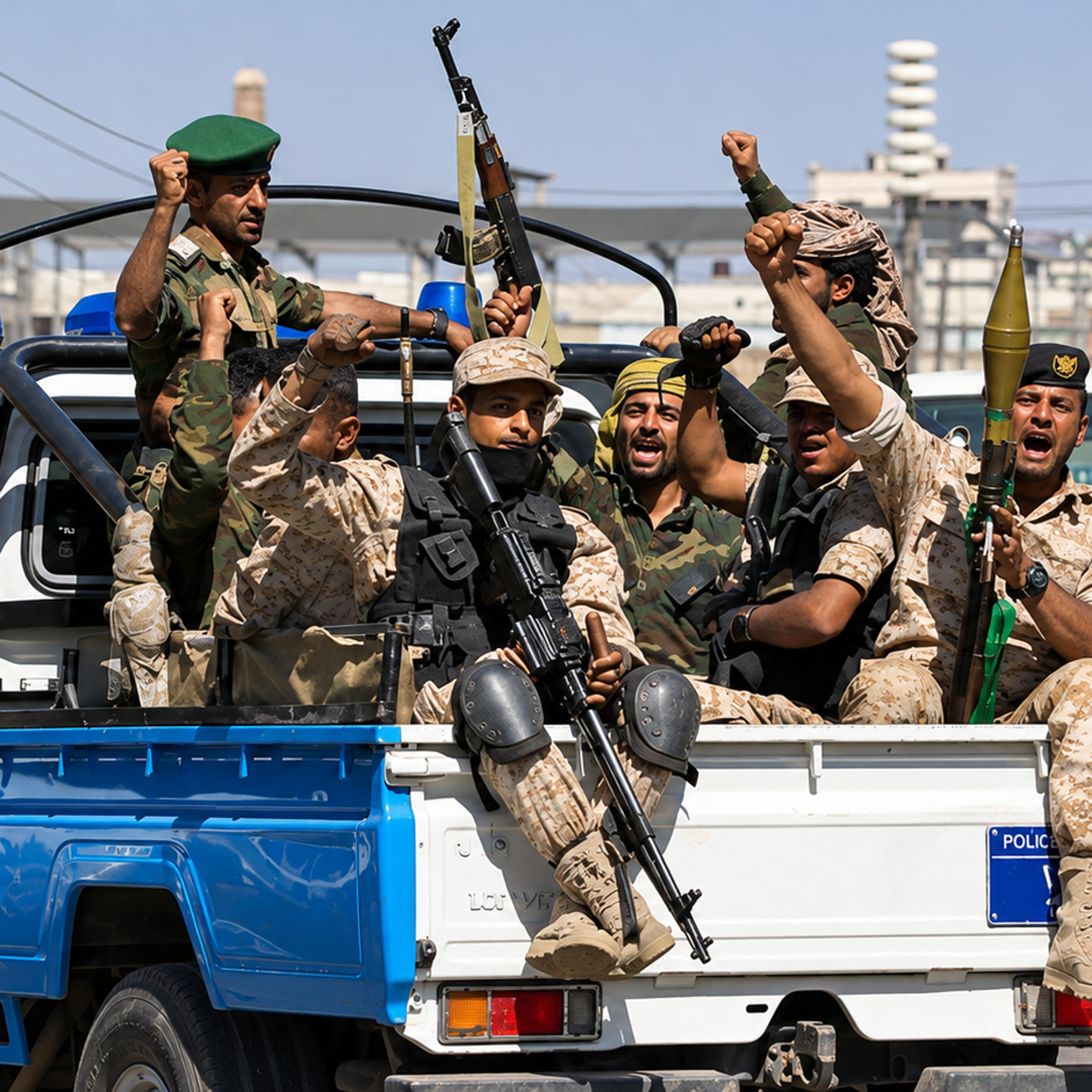
The ongoing war in Iran, however, is an issue Trump is expected to raise. The conflict has implications far beyond the Middle East, particularly for global energy supplies, maritime security and the economic interests of China and Russia. China has considerable stakes in regional stability because it depends on energy supplies passing through the Strait of Hormuz. Disruptions to shipping and energy exports could affect its economy and global trade. Beijing would therefore have an interest in encouraging de-escalation, although it may be reluctant to endorse Washington's approach to the conflict.
Russia, meanwhile, has its own strategic calculations. Changes in global energy supplies and prices can influence its economic position. At the same time, the conflict also provides Moscow an opportunity to strengthen its diplomatic relevance in discussions involving Washington and Beijing. Whether the three leaders can agree on a common approach to Iran remains uncertain. Their interests may overlap on preventing a wider regional conflict, but that does not necessarily translate into agreement on how to achieve it.
3. A New World Order or Just Diplomatic Optics?
For Xi, hosting Trump and Putin together offers an opportunity to project China's growing diplomatic clout. As Beijing seeks a greater role in shaping international institutions and global governance, bringing the American and Russian presidents to Shenzhen would be a significant diplomatic achievement. For Putin, the meeting offers international visibility and a chance to show that Russia remains a major global power despite its confrontation with Western countries over Ukraine. Sitting alongside the leaders of the US and China also reinforces Moscow's claim to an influential place in international affairs.
Trump, meanwhile, can present the gathering as an opportunity to advance his ambition of negotiating directly with major powers on issues affecting global security. His ability to bring Xi and Putin into the same room would be a diplomatic achievement in itself, even without a concrete agreement. However, the meeting should not automatically be interpreted as the beginning of a new global order or a modern version of the 1945 Yalta Conference, where the leaders of the Allied powers discussed the post-war settlement of Europe.
The three countries have substantial differences over trade, technology, security and their respective regional ambitions. Their cooperation on one issue does not necessarily indicate a broader strategic alignment. The most realistic expectation, therefore, is a meeting heavy on symbolism but limited in immediate breakthroughs. A joint commitment to dialogue, an understanding on nuclear risks or progress towards further negotiations could nevertheless make the summit meaningful.