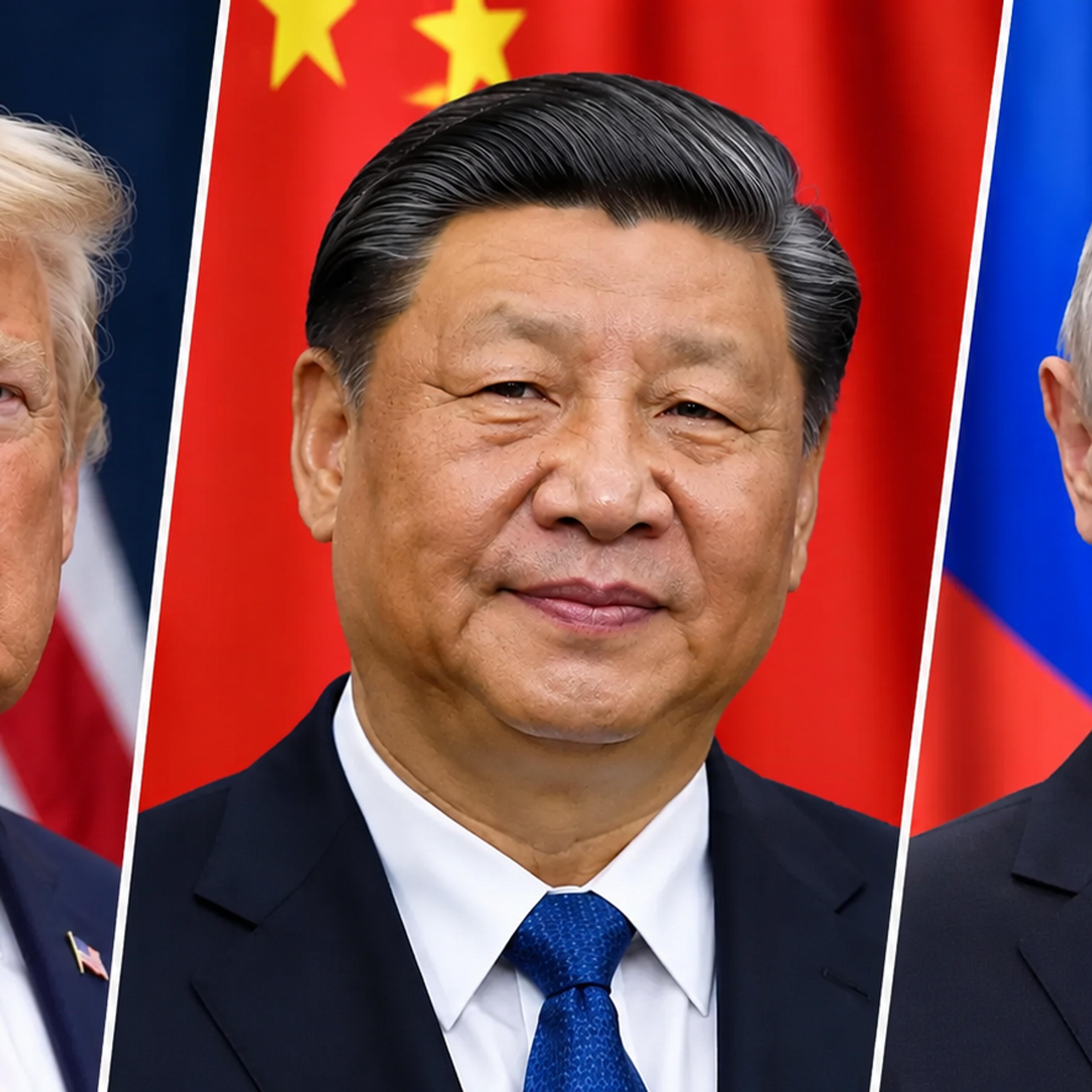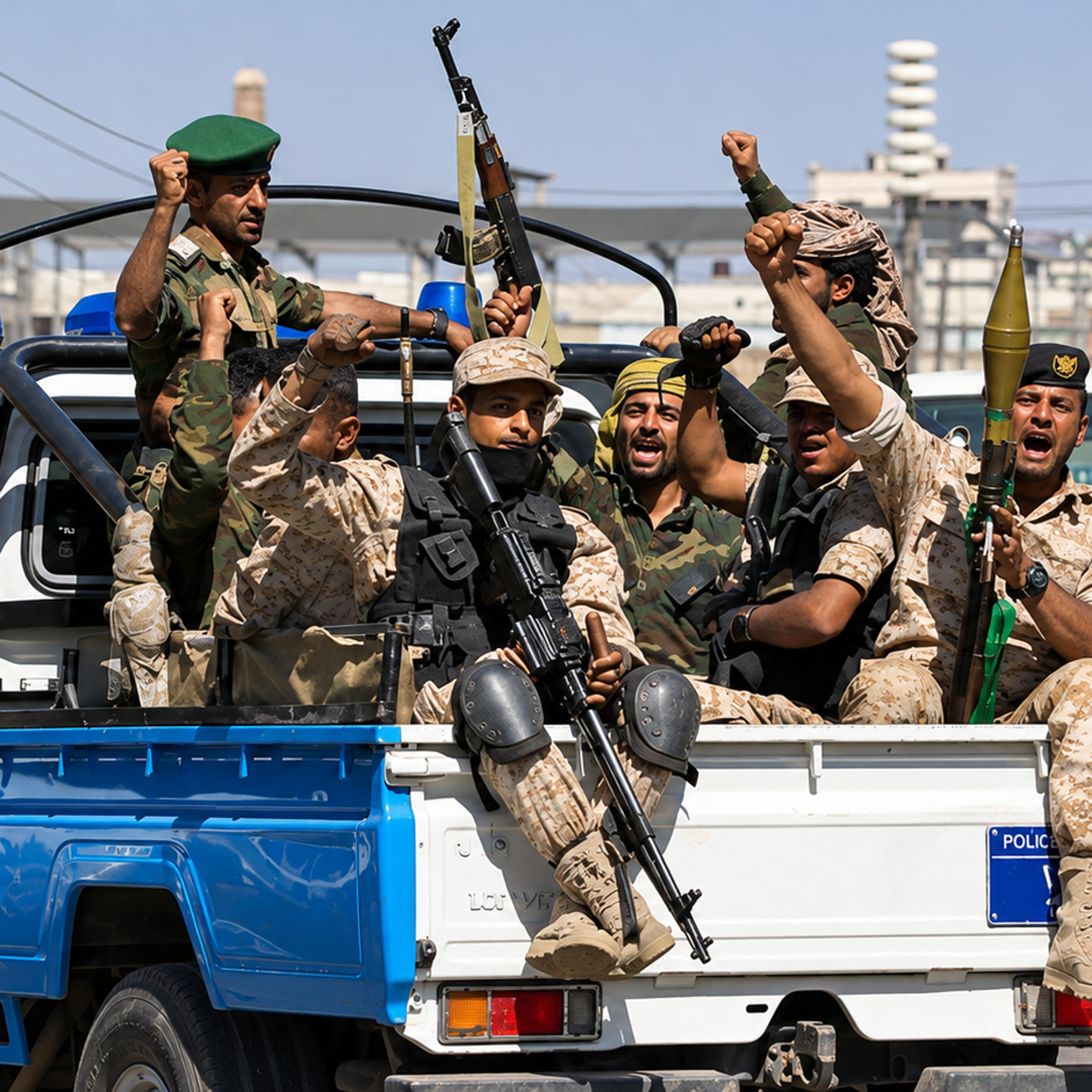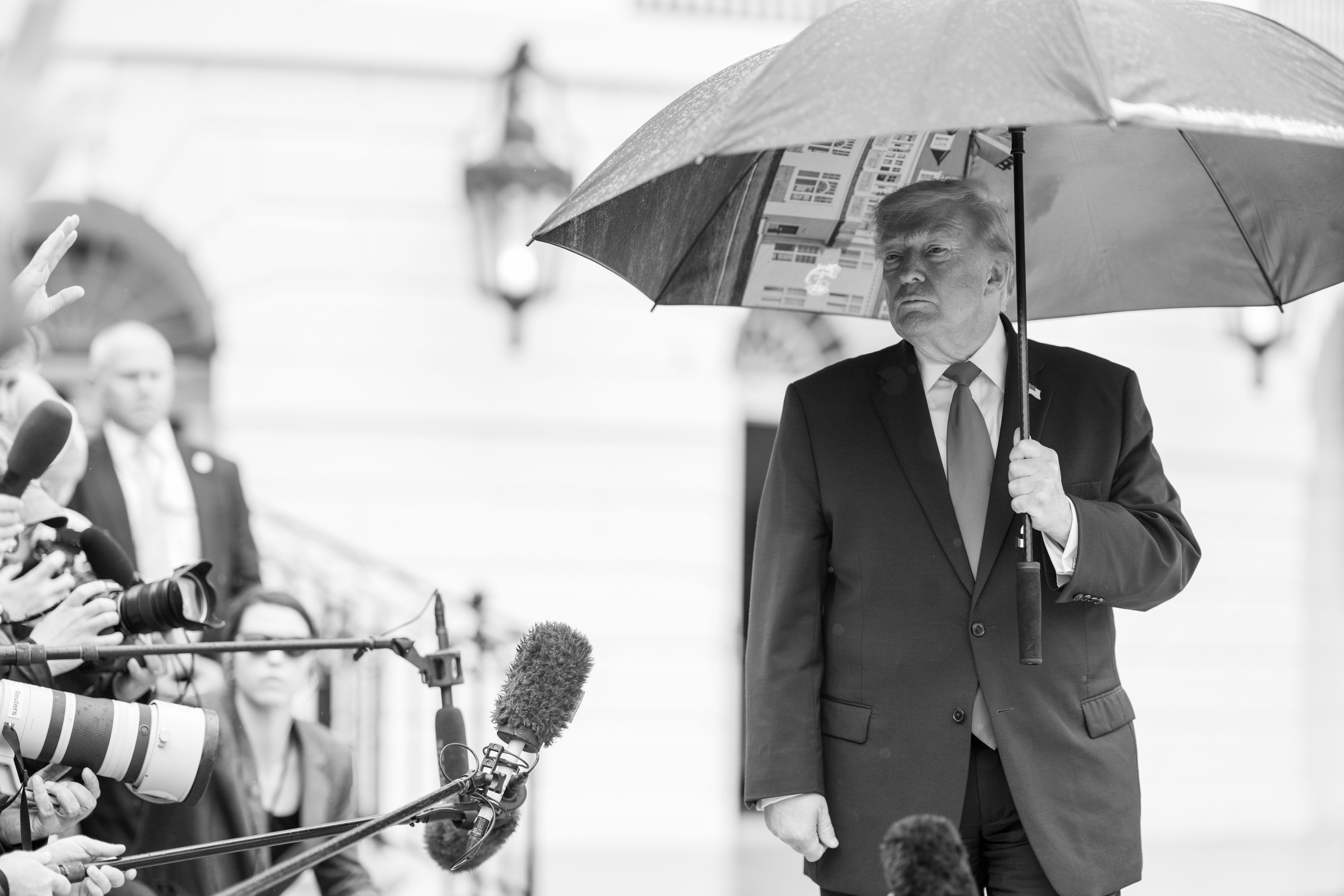
After ten months of publicly predicting the collapse of Cuba’s communist government, US President Donald Trump has said he wants to “get Cuba done” before he leaves office and would not rule out a short military campaign, while speaking to radio host Hugh Hewitt on Thursday (November 12). The island of about 10 million people is struggling through blackouts and shortages caused by a US oil blockade. Havana, however, has responded saying that it is under imperialist aggression and has vowed to resist.
What Trump said
Asked about a roughly week-long campaign against Cuba, Trump answered: “I'd be – I would certainly consider that, yes.” He added that the administration was “watching it very closely.” This is the first time he has put a timeline on possible action.
Trump again pointed to Secretary of State Marco Rubio, the son of Cuban immigrants. Rubio, he said, “would love to do it.” Trump also said that he won the Cuban vote in Florida by a wide margin. This week he told reporters that he imagined the government would “fall fairly soon.” At a Mar-a-Lago event last week, he joked that Rubio would be dropped into Cuba by parachute.
Ten months of escalating rhetoric
The threats began days after US forces captured Venezuelan leader Nicolás Maduro on January 3, 2026. Trump said Cuba “looks like it’s ready to fall,” and Rubio warned Cuban officials, “I’d be concerned.” On January 11, Trump wrote on Truth Social that there would be “NO MORE OIL OR MONEY GOING TO CUBA - ZERO!” and urged Havana to “make a deal.” On January 29, he declared Cuba an “unusual and extraordinary threat” and threatened tariffs on any country supplying it with oil.
In late February, Trump floated “a friendly takeover of Cuba.” Days later he said it might or might not be friendly and that Cuba was down to “fumes.” On March 16, he said he expected to have the “honor of taking Cuba” and could do anything he wanted with it. On May 1, he told a Florida dinner that a warship returning from Iran would stop about 100 yards offshore and Cubans would say, “Thank you very much, we give up.”
On May 20, the Justice Department indicted former President Raúl Castro, now 94, over the 1996 shootdown of two civilian planes. Díaz-Canel dismissed the charges as political theatre.
At the UN General Assembly on September 22, Trump said “freedom will be coming to Cuba,” and the Cuban delegation walked out. He also said Rubio was “deep into negotiations with Cuba.” On October 23, at a Florida rally, he repeated the warship idea, saying Rubio would then “finish up the deal.” He added: “We may do another little Epic Fury, or they’ll agree.” That appears to refer to the Iran war. The same day, Rubio urged Cubans to partner with the CIA.
The messages, however, have not been consistent. Around the UN meeting, Trump said he expected a deal without force because Cuba was “failing very badly.” Military planning has also been reported. CBS News said in July that planners had examined an air assault, and in September that the Army Reserve was checking its readiness. Officials told CBS no decision had been made.
Why Trump is focused on Cuba
Trump’s interest in Cuba is not new. His first administration reversed the Obama-era thaw. What changed in 2026 was the Venezuela operation, which cut off Cuba’s main oil patron. Trump said then that Cuba had lost its income and was ready to fall.
Rubio has built his career on a hard line against Havana, and Al Jazeera reported that his stance matches an influential Cuban-American voting bloc that is key to the Republican coalition. The administration is also reviving the Monroe Doctrine, the 19th-century policy that the Western Hemisphere should be under U.S. sway alone. Supporters and critics alike call this the “Donroe doctrine.”
Great-power rivalry also reflects in Trump’s response to the January order that stressed Cuba’s ties to China and Russia, and a CSIS analyst told the Christian Science Monitor the aim may be to push both out of Cuba as an intelligence base. Cuba denies hosting Chinese spy infrastructure, although neither country has a known military base there. Trump also wants a win after the Iran war and the chance to succeed where presidents since Kennedy failed.
Havana’s response
Cuba has maintained that it is under siege. First Secretary of the Communist Party of Cuba Miguel Díaz-Canel said in April: “Cuba is not a failed state. Cuba is a besieged state.” He added that Cuba does not want war but must prepare to defeat one. In January he said, at military drills, that an attack must be made “too costly for imperialism to contemplate.”
Deputy Foreign Minister Carlos Fernández de Cossío said: “Cuba poses no threat to the United States.” He has also said the country’s political system and its president are not up for negotiation. Even so, Havana has confirmed contacts with Washington, and Díaz-Canel acknowledged talks in March.
The blockade has caused caused nationwide blackouts and fuel shortages. Russia’s March oil delivery covered only nine or ten days of diesel demand.