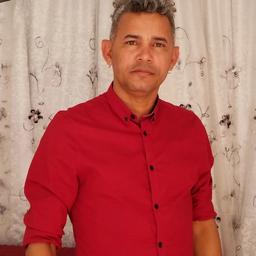
Guantánamo, Cuba: Justina Torres Milán does not always know how she will feed her four children. The 28-year-old earns 6,000 Cuban pesos a month (about $7.59) as an assistant at a state-run daycare centre. She says that doesn’t last the first week of the month.
Then there is the way she is paid.
“I get my salary via bank transfer, and here one sells stuff by accepting bank transfers, except for a premium,” she told NWS. “When you finally find someone who accepts transfers, they jack up the price at least by 40 per cent above the product’s real price.”
The premium is steep. A litre of edible oil costs 2,500 pesos ($3.16) in cash but 3500 pesos ($4.43) by transfer. In cash, that litre takes about 42 per cent of Justina’s monthly pay. By transfer, it takes 58 per cent.
Her struggle is far from unusual. Cubans are enduring one of the hardest periods in their country’s recent history. The US embargo and persistent mismanagement by the socialist government have left people facing acute poverty, shortages of essential goods, unending blackouts and little hope of a better future. A parallel dollar economy runs alongside the peso, and for those paid only in pesos, it is another source of deprivation.
Justina’s pay is not even average. Cuba’s statistics office (ONEI) reported an average monthly salary of 7,354 pesos (about $9.31) in August 2026. Independent economists estimate the minimum cost of living at over 50,000 pesos (about $63) a month per person, nearly seven times that average and more than eight times what Justina earns. The socialist government has introduced several measures, but most have proved inadequate because of the economy’s structural problems.
Queues, ration books and a market that took over
For much of the population, survival has become a daily struggle. Getting food, medicine, fuel or transport takes time, money and personal connections. Long queues and shortages are routine, especially outside tourist areas and major cities.
President Miguel Díaz-Canel has announced measures to open up the economy, but many Cubans say they came too late. One was the 2021 legalisation of private micro, small and medium-sized enterprises (MSMEs), known locally as mipymes. They have become the main source of food and household goods, sold through neighbourhood markets.
Meanwhile, the state-run ration stores (bodegas) have far less to sell each year. Households use ration books to buy subsidised staples such as rice, sugar and oil there.
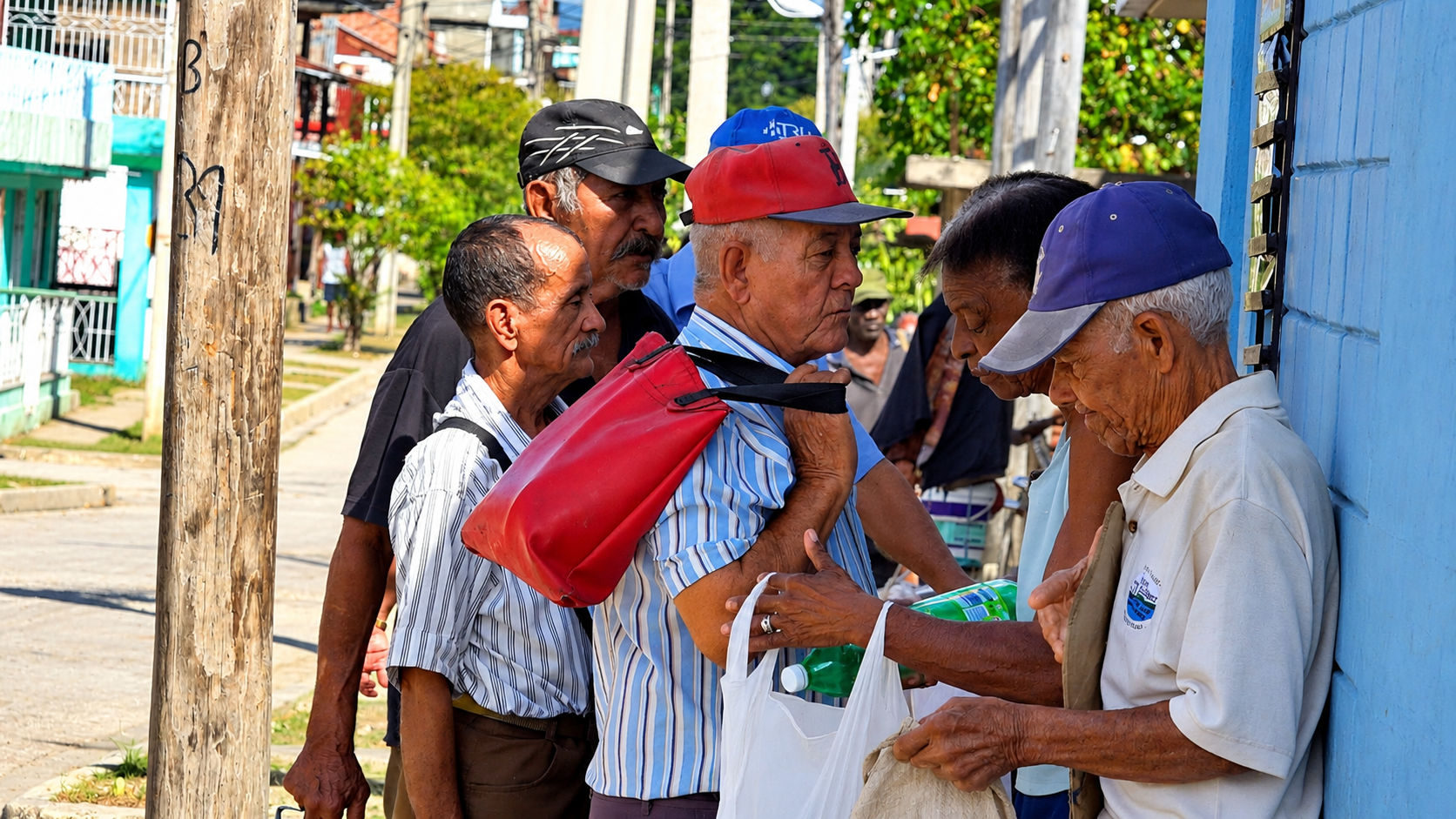
Ramón Quezada, a bank worker, spoke to NWS from a queue at the southern market in Guantánamo. “The MSMEs have become the only way to obtain necessities, albeit at exorbitant prices. In doing so, they effectively undermined the state-run ration stores on which most of us rely,” he said.
He lamented that the government had promised not to eliminate the ration book, yet it now covers only donated goods. “In other words, they admit that the Cuban population depends on charity from the rest of the world rather than on government management,” he said. “It is a government whose inability to solve even the minor problem on the island is becoming increasingly evident.”
As purchasing power erodes, many families lean on remittances from abroad, informal jobs or private-sector activities. Without those, buying essential products becomes increasingly difficult.
The doctor who sells on WhatsApp
Even professionals are not spared. María Carla González Balart works at the Dr. Agostinho Neto Hospital in Guantánamo.
“I am a doctor working at the Dr. Agostinho Neto Hospital in Guantánamo, and I pull shifts up to four times a week. I won’t even talk about my salary – let alone the hardships my husband, my daughter and I endure day after day to get by; describing it would be like recounting a horror movie,” she said.
Her husband is an intensive care physician, and he balances his hospital job with an informal business that they have set up. They buy products from MSMEs and resell them.
“I juggle my job with online sales often; I will be attending to a patient in the clinic while simultaneously handling a customer via WhatsApp or Messenger. That is the only way we manage to survive,” María Carla told NWS.
Then she described the hospital itself. “Working in a hospital is incredibly difficult; we lack medicines and protective gear. When patients receive a diagnosis and treatment plan, they have to go out and buy everything they need themselves – even hospitalised patients bring their own medication. Whatever meagre supplies do reach the hospital get resold right inside the facility, yet no one sees a thing. It is a surreal scene - the reality we are living.”
Nine hours in line for a charge
Money is only part of the problem. Blackouts have become one of the most visible symbols of the Cuban crisis. In many regions, power outages last for several hours and can recur over days. When thermoelectric plants fail or fuel runs short, the entire economy suffers or grinds to a halt.
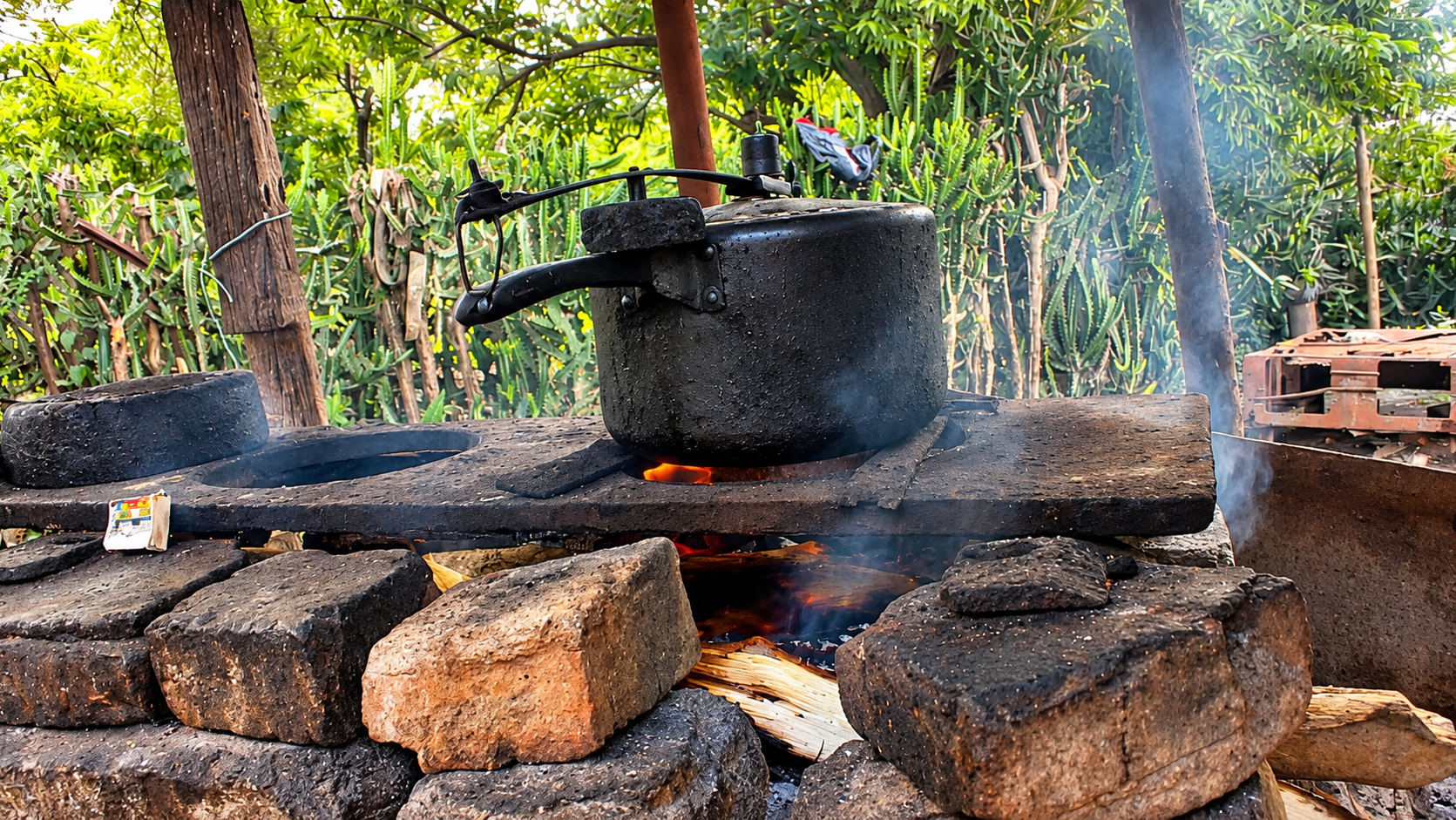
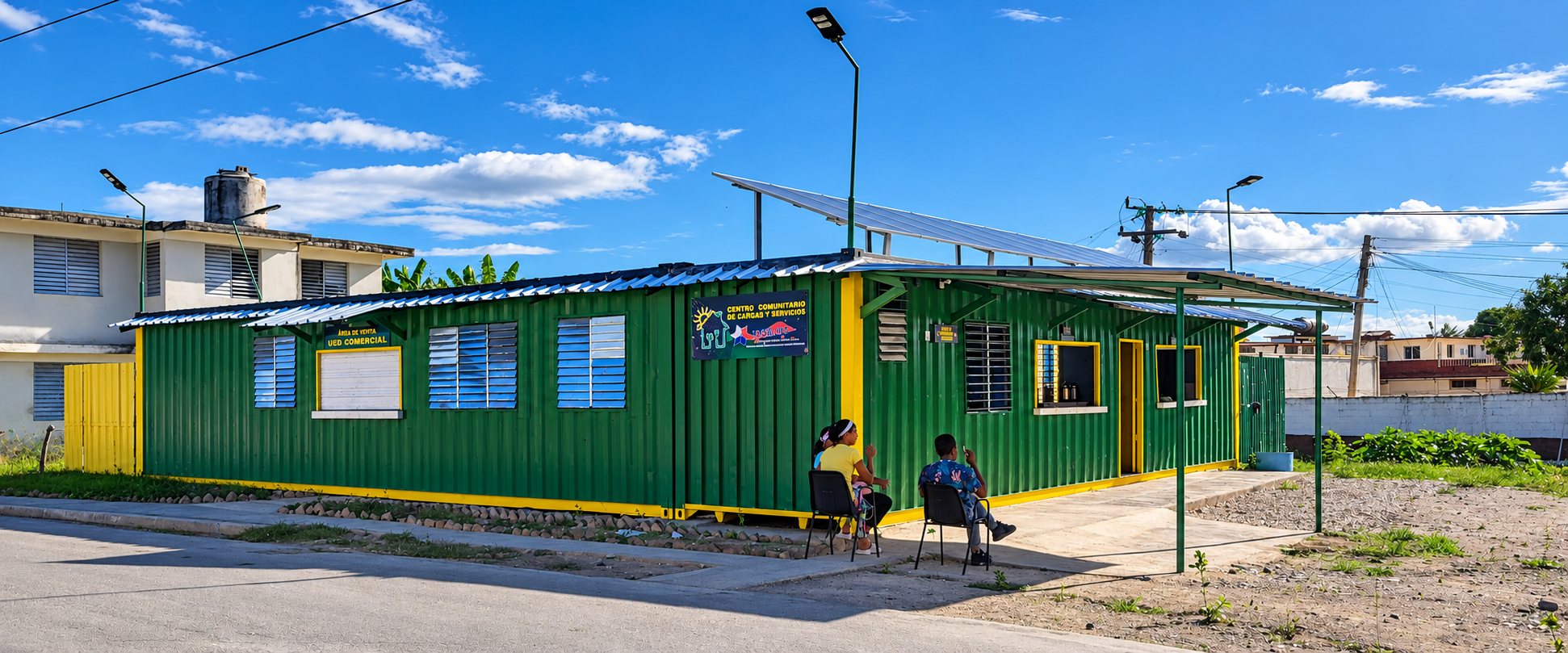
The government has tried to respond. It created and promoted Solineras (solar charging stations) and made MSME owners fund them so that neighbourhood residents would have a place to cook and charge their electric scooters and phones.
Melissa Barrientos, from the San Justo neighbourhood council, says they have not worked. “Here in Guantánamo, eight were built, but the first disconnection from the national grid proved they were useless. I waited in line for nine hours and couldn't charge my EcoFlow, a portable power station. The first person started charging at 7 am and he did not finish until 4 pm, taking the whole day.”
“It was even worse for those who went there to cook,” she said. “We are not talking about eight or nine hours without power; we are talking about two or three days without it.”
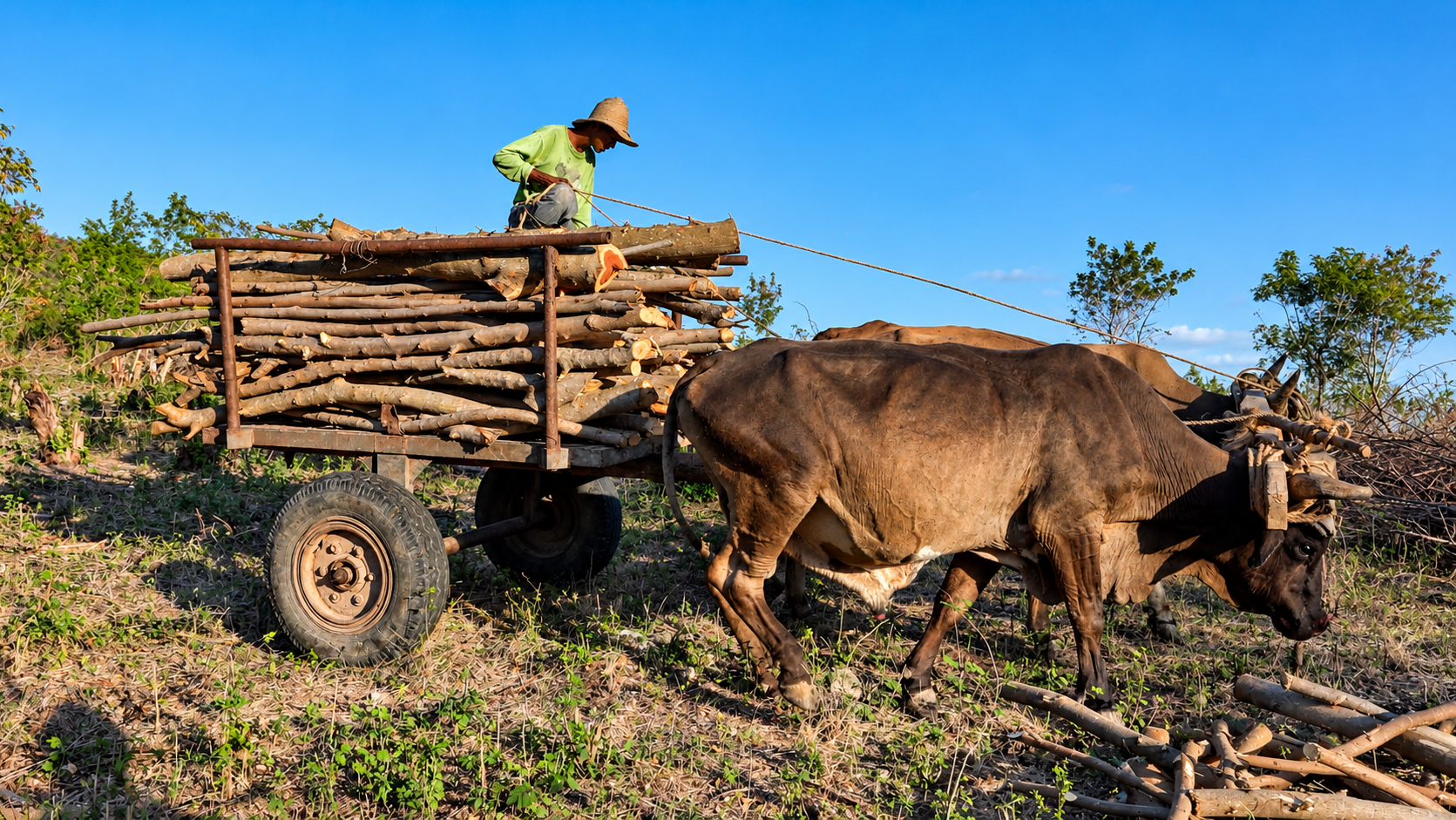
For some, the wait is far longer. Asela Cachimae, a worker at the Guantánamo provincial hospital and a resident of the Ocho Sur area, said: “The transformer on my block exploded and caught fire. We called the emergency crew, and they came the next day. The firefighters put out the blaze but did not replace the transformer. That was the electric company’s job. They put us on a waiting list for whenever it might be possible to replace it. In the meantime, we have gone 14 days without power. It’s beyond words.”
The lack of electricity affects food preservation, water supplies, telecommunications, transportation and commercial activity. In households, the heat and the inability to use fans, refrigerators or electric stoves create tension and exhaustion. Restaurants, cafes, repair shops and retail stores lose products, customers and working hours.
A chicken costs more than Justina earns in a month
Even when the power is on, food is hard to afford. Basic products such as rice, cooking oil, eggs, meat, milk and flour can reach prices that are unaffordable for those relying on a state salary.
The official minimum wage was raised from 2,100 pesos to 3,210 pesos on July 1, 2026 and first paid in August. At an exchange rate of one US dollar to 790 Cuban pesos, that is just $4.06 a month. Justina, at 6,000 pesos, earns nearly double it.
Against these wages, consider what everyday items cost. Cooking oil takes 2,500 to 3,500 pesos. A chicken costs 7,000 to 10,000 pesos, more than Justina’s entire monthly pay. A one-kg bag of rice costs 750 pesos and a pound of sugar 450 pesos. Pork costs up to 1,500 pesos per pound, while laundry detergent and other hygiene products can cost as much as 1,000 pesos.
Transport shows the same gap between prices and wages. Travelling from the eastern provinces to Havana on state-owned buses leased to private operators costs between 20,000 and 25,000 pesos, and in extreme cases as much as 30,000 pesos. The monthly minimum wage is 3,210 pesos.
The government has implemented wage increases and economic adjustments, but incomes have not kept pace with rising prices. Many families receive more money in nominal terms, yet their purchasing power has declined. Inflation has eroded the currency’s value and widened the gap between those with access to foreign currency and those who live solely on income in Cuban pesos.
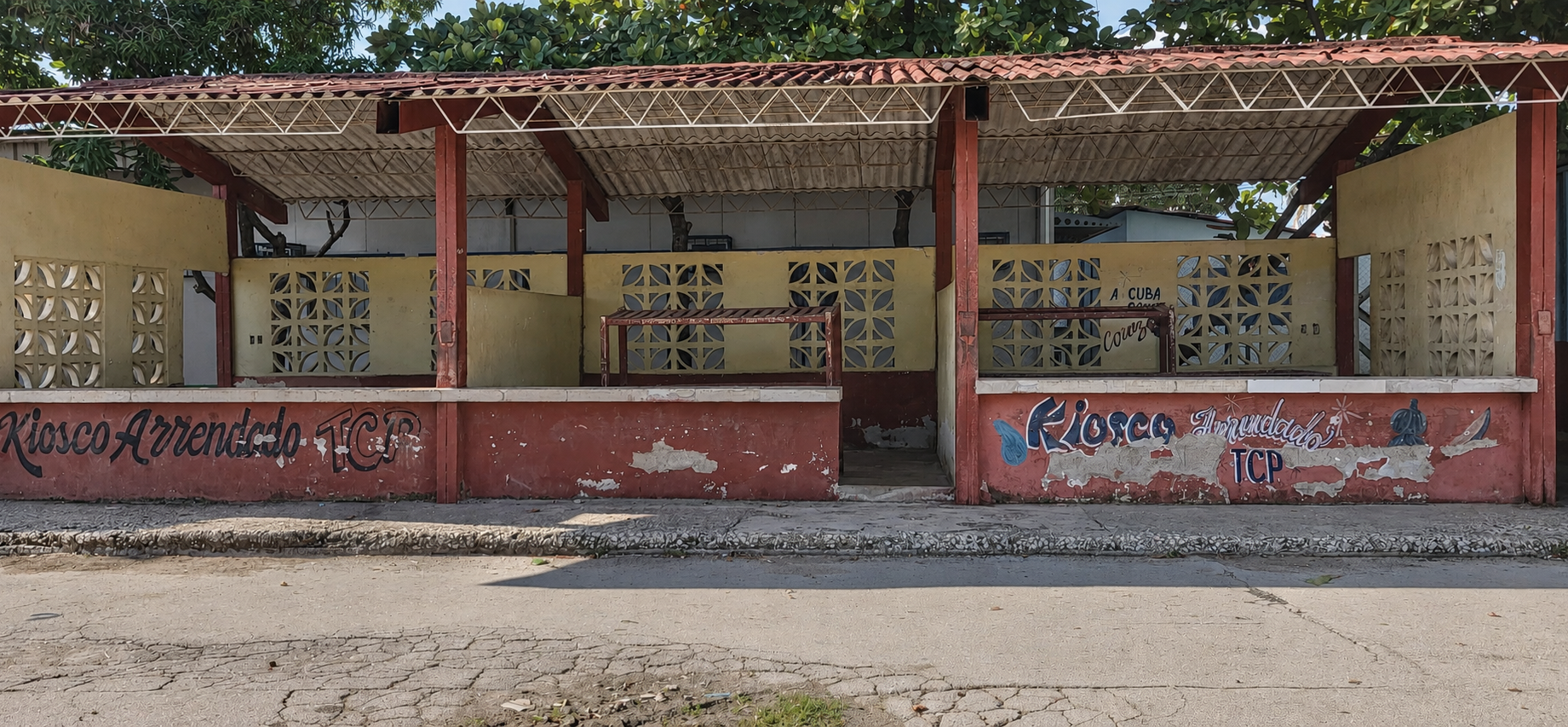
The government’s latest answer is a network of neighbourhood markets (Mercados de Barrio), which are gradually replacing part of the ration stores. Regulated by Resolution 16/2026, they are part of a shift from the subsidised, rationed basket to controlled sales without subsidies. At least 30 such stores were operating in nine provinces by late September. Ration books are formally not abolished, but the government said in June that the basket would no longer be guaranteed to everyone under the same conditions.
The government promised the new markets would sell at lower prices than private shops. That hasn’t happened.
Reinier Alcolea, a computer engineer, is among those making do. “We are surviving because several of us in my household make a living through ‘hustling’. We buy goods from MSMEs and resell them in the neighbourhoods. We try to keep prices reasonable, but costs keep climbing. The US dollar has already hit 790 pesos and keeps rising. I really don’t know what we are going to do. Life is very hard,” he said.
Shortages have also fuelled informal markets. Some products appear on social media or in private businesses at high prices, while others vanish for weeks at a time. This exacerbates inequality and forces many people to compromise on the quality or quantity of their meals. Food insecurity disproportionately affects children, the elderly and people with chronic illnesses. When there is a lack of protein, medication and adequate medical care, the consequences can persist for years.
How the island got here
The Cuban economy has been weakening for years, and Covid-19 dealt a decisive blow from which the country never recovered. Real GDP fell 10.9 per cent in 2020, according to the Economist Intelligence Unit. Cuba received more than four million tourists in 2019, but international tourism fell to nearly zero in 2021. Cuba received 2.2 million foreign tourists in 2024, its worst figure in 17 years, excluding the Covid years. Tourism revenues fell 70 per cent between 2019 and 2025.
US pressure has made things worse. Havana says the embargo cost its economy a record $8.08 billion between March 2025 and February 2026, and that this figure does not capture the effect of the oil blockade. Foreign Minister Bruno Rodríguez said the blockade punishes “the daily life of a people.”
Since January, Washington has pursued a “maximum pressure” policy and threatened tariffs on countries supplying oil to Cuba, creating a de facto oil embargo. Tourist trips have almost halved since the start of the year, Cuba’s statistics office said, as the fuel blockade hit the island and international flights stayed suspended.
Few economists dispute that US sanctions hurt Cuba. But eight of the island’s most recognised independent economists told the Spanish news agency EFE that the sanctions drag on the economy and hold back its potential, yet are not the fundamental cause of the crisis. Their emphasis differed. Ricardo Torres, a researcher at American University in Washington, called the sanctions a very important external constraint but said he did not see them as the most important factor in explaining the crisis. “Even amid sanctions, much can be done,” he said. Miguel Alejandro Hayes, of the Caribbean Basin Research Institute, went furthest. He argued that the Cuban government is wholly responsible because it does not use the resources at its disposal to ease living conditions.
Most of the economists, consulted individually, named the island’s own political and economic system as the primary cause. Tamarys Bahamonde pointed to a bureaucratic socialist model of decision-making that produces partial, fragmented and slow reforms, with cycles of crisis, reform and counter-reform that bear no fruit. All of the experts agreed that Havana could do much more to revive its economy and is not doing so.
However, the government sees it differently. It insists the sanctions are the “main cause” of the crisis.
Anger, and the response to it
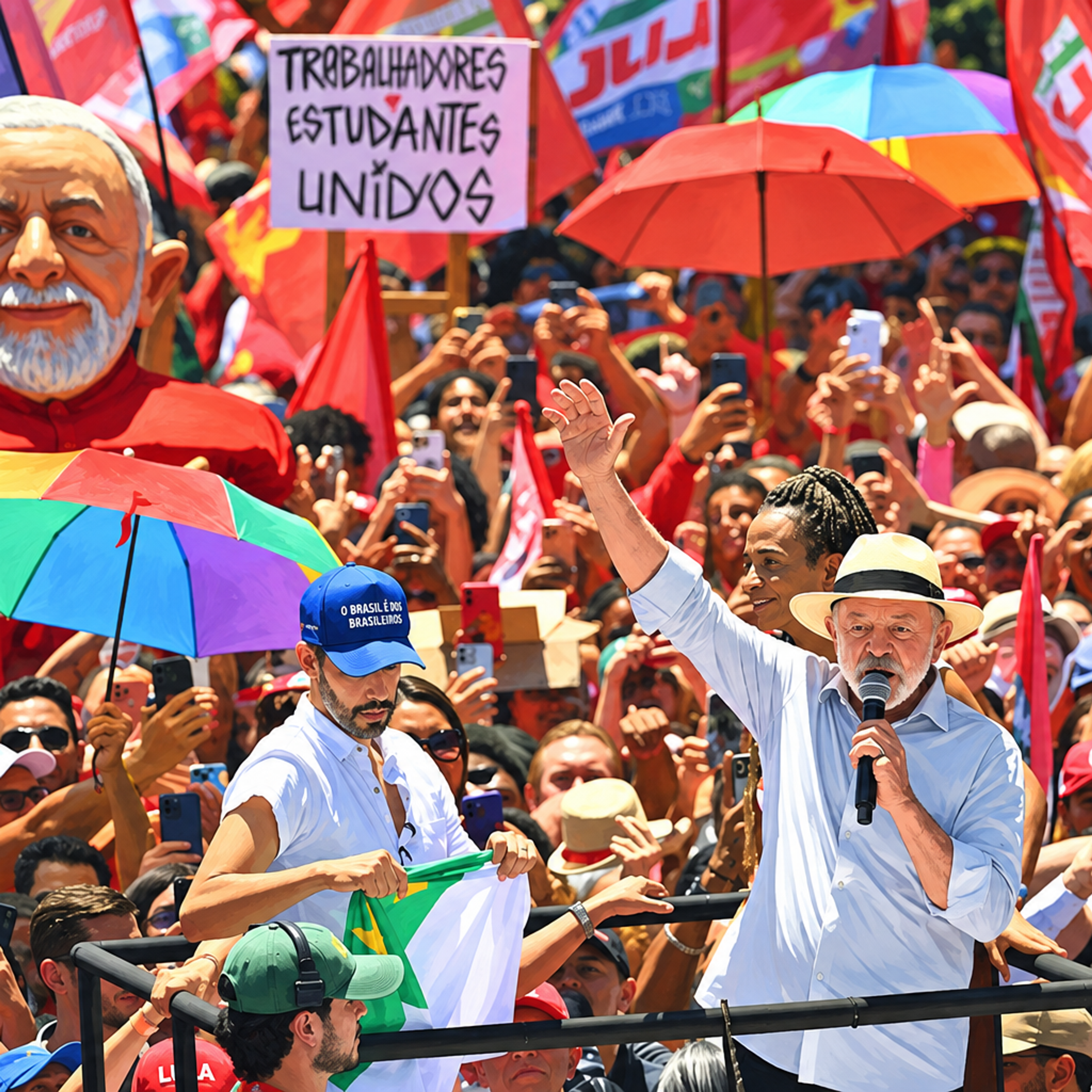
The hardship has fuelled public anger. Protests and criticism directed at the socialist government reflect frustration over power outages, shortages and a lack of hope for the future.
The official response to dissent, however, remains repressive. Human rights organisations and the families of detainees have reported arrests, convictions, surveillance, restrictions on freedom of expression and pressure on activists. The rights group Prisoners Defenders counted 1,339 political prisoners at the end of August 2026.
Instead of addressing specific concerns, the authorities often portray protests as destabilising actions linked to foreign interests. This tough response is reserved not only for demonstrators but also for independent journalists, artists, political opponents, human rights defenders and citizens who post criticism online. Fear of losing one’s job, being detained or facing reprisals stifles public debate.
Fear on the streets
Insecurity is also becoming harder to ignore. Many families have expressed fear of theft, assaults, street violence and crimes linked to a lack of opportunities. An independent monitor, the Cuban Observatory of Citizen Audit, reported that documented crime grew by more than 100 per cent in 2025. The emigration of young people and professionals has also weakened community networks, leaving many areas with fewer resources to prevent violence.
Narcotics use is rising too. Cuban health officials have acknowledged an increase, especially among adolescents and young people. The government has announced operations and measures to combat drug trafficking.
Promises on paper
Faced with the worsening crisis, Cuban authorities have announced various economic and administrative measures. In June, Prime Minister Manuel Marrero presented 176 measures, including the higher minimum wage and the shift from the rationed basket to controlled sales. They also include price changes, subsidy adjustments, controls on electricity consumption, tax modifications and proposals to expand private sector participation. In August, the government approved new rules to widen the private sector’s space.
Initiatives aimed at boosting domestic production, attracting investment and improving food distribution have also been launched. Many of these decisions, however, face significant obstacles: fuel shortages, low productivity, bureaucracy, lack of foreign currency and a trust deficit between business owners and citizens. A measure that looks positive on paper can backfire if it drives up prices without protecting the most vulnerable.
What comes next
Cuba’s future will depend on its ability to address its economic, social and political challenges at once. If blackouts, inflation, shortages and emigration persist, the crisis could deepen and take an even greater toll on families. The international community can contribute through humanitarian aid, medical cooperation, technical assistance and support programmes for the population. Lasting solutions, however, will depend primarily on decisions made within the island itself.
Much will turn on whether the authorities choose to tighten controls or to drive the economic, social and political changes capable of restoring hope, security and better living conditions.
For Justina, the arithmetic is already settled. Her pay is nearly double the new minimum wage, and it still doesn’t last the first week. A litre of oil costs her 3,500 pesos if she pays the way her salary arrives.