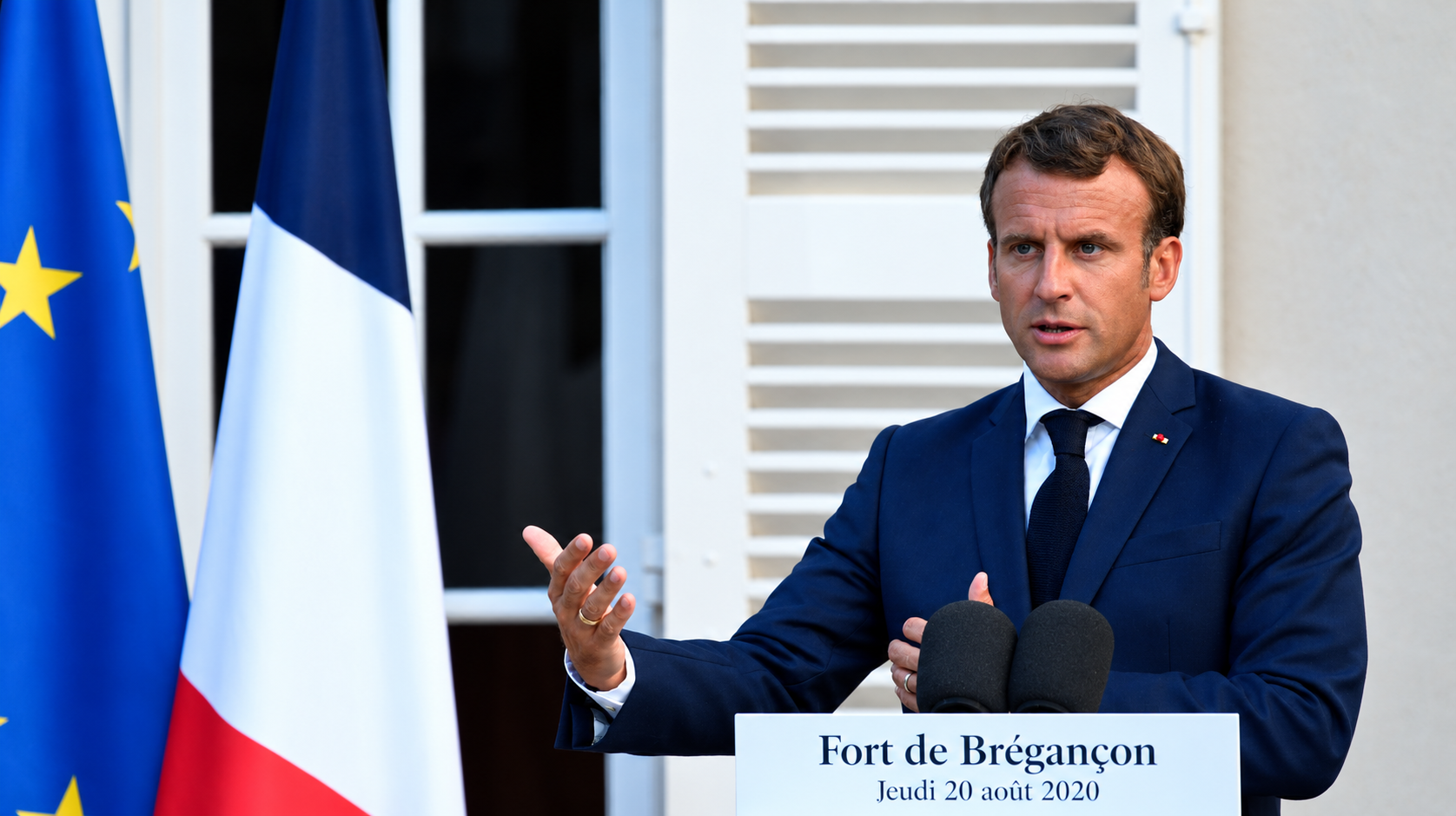
France’s President Emmanuel Macron has accused Donald Trump and other foreign leaders of making “stupid comments” about the riots convulsing France, even as his government admits it lost control of the violence on October 17 and braces for fresh protests this weekend.
Speaking to reporters in Lusail, Qatar on Wednesday (October 21), Macron did not name Trump directly. However, when asked whether he meant the US president, he replied: “Among others.” He said foreign leaders campaigning for elections, “whether here in the region or on the other side of the Atlantic”, were spreading misleading narratives about France.
Macron said that “manipulation of information” after Saturday’s riots had led to “comments that are as unacceptable as they are stupid, from many people, including foreign leaders”.
What Trump and others have claimed
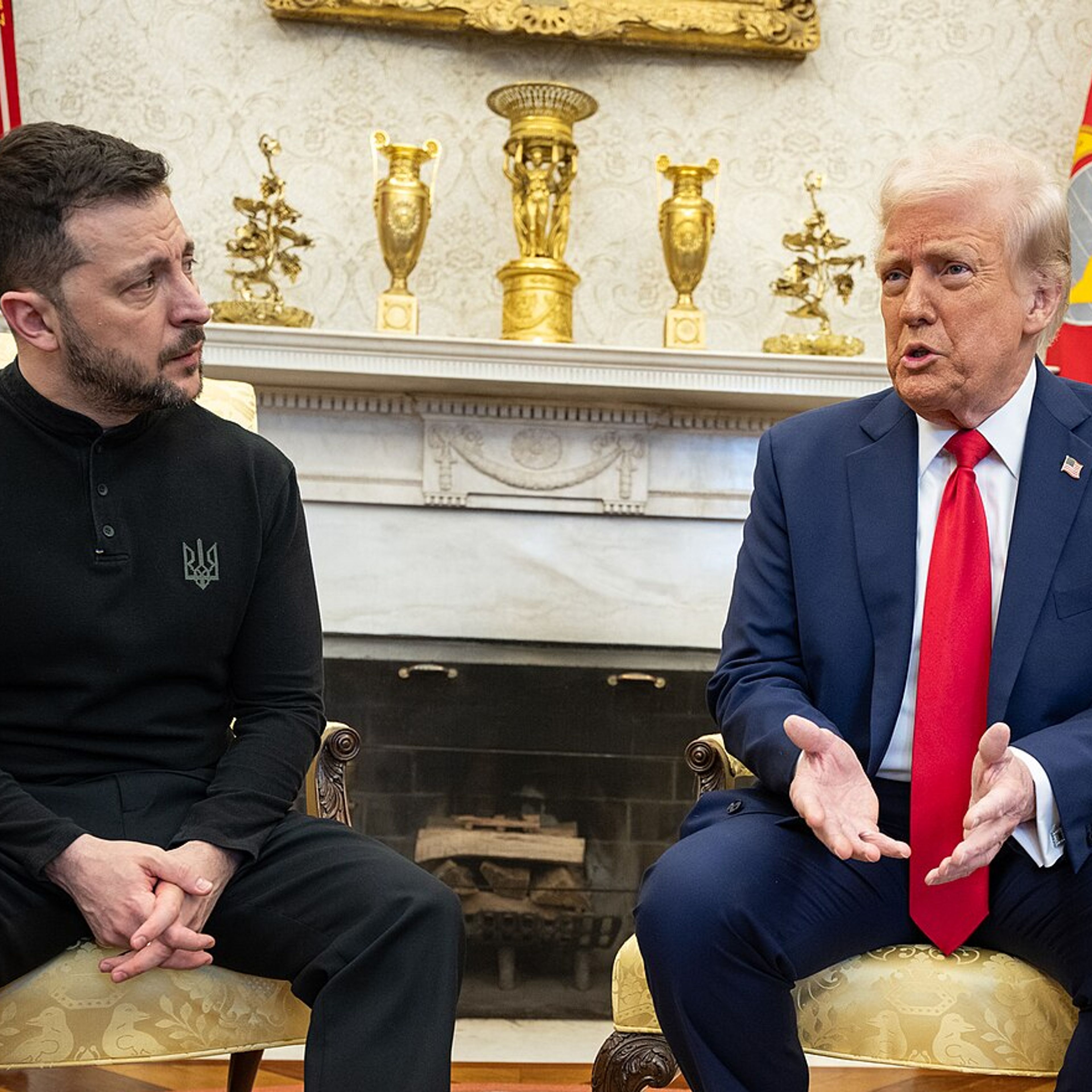
Trump has blamed the violence on “migrants, jihadists and communists”. He is campaigning for Republican candidates ahead of the US midterm elections on November 4, which decide control of Congress. He has also urged Macron to “close your borders and take control before it is too late!” Vice-President JD Vance has made similar suggestions, and Israeli prime minister Benjamin Netanyahu, who faces an election within days, has described France as hit by an “invasion of extremist Islam”.
Analysts have dismissed the idea that migration was the main driver of the unrest. Macron called the claim that hordes of migrants and Islamists had invaded France “completely false”. He also pointed to “AI-generated images depicting scenes that never actually happened” in the country, without saying which images he meant.
“They are using our country for their own political campaigns,” he said, adding. “We already have difficulties to deal with.”
What is actually behind the unrest
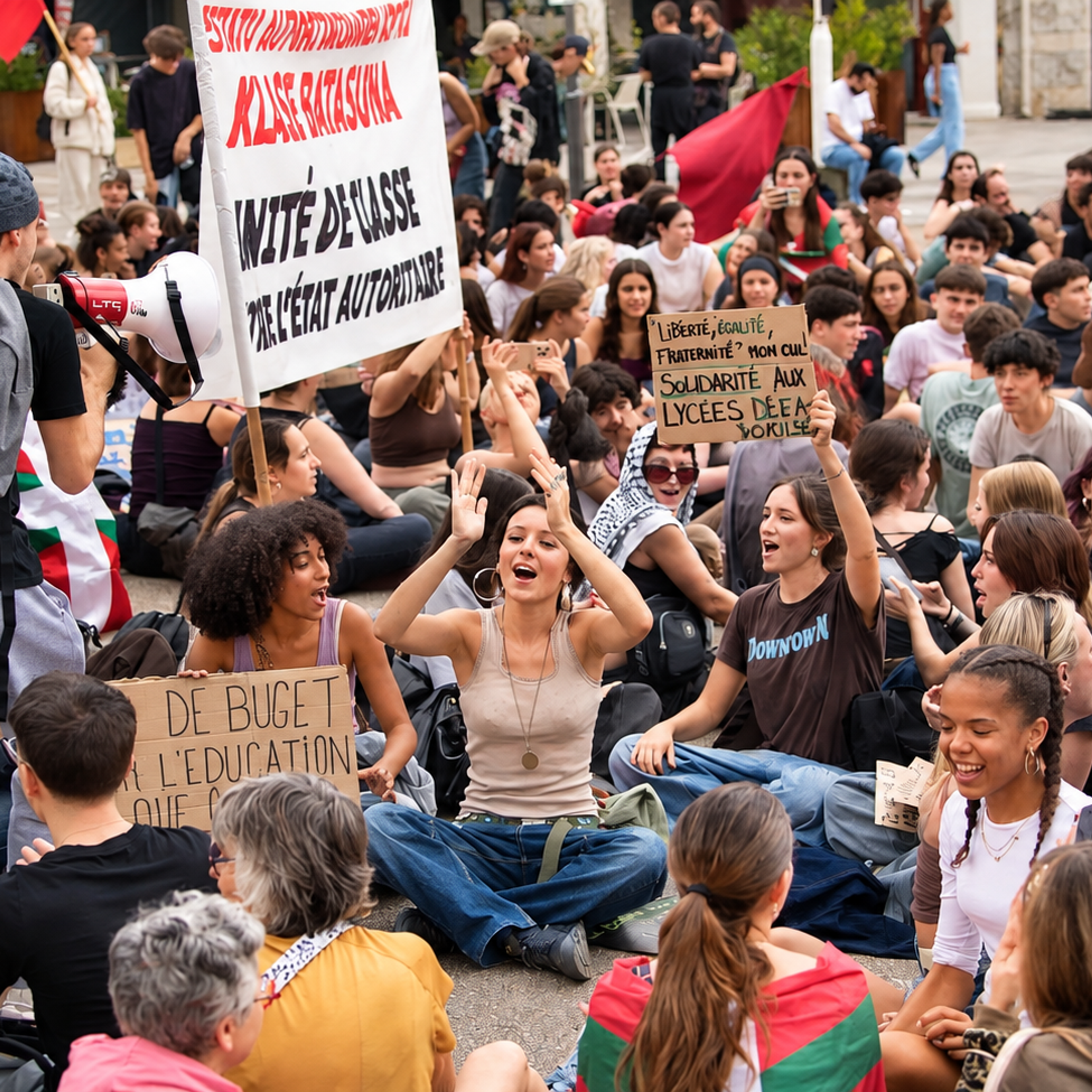
The protests began as student demonstrations over crowded schools and grew into a broader revolt over the cost of living and rising fuel prices, against a backdrop of a weak economy and rising national debt. More than 500,000 people marched across France on October 17. Most marches were peaceful, but riots and looting followed in Paris, Marseille, Lyon and other cities, and a mob set fire to the town hall in Limoges. The interior ministry reported 2,397 arrests on that Saturday alone.
Authorities imposed night-time curfews in Paris, Lyon, Bordeaux and Nice, and the prime minister, Sébastien Lecornu, has credited them with restoring calm. France has since had two quiet nights.
Paris braces
Police have announced a ban on protests from 8 a.m to 8 p.m on Thursday around the Élysée Palace, both houses of parliament, the Louvre and the Champs-Élysées. The ban also covers the Bastille and République squares and the Châtelet-Les Halles shopping district, which looters heavily targeted at the weekend.
Now, attention is turning to Saturday. The gilets jaunes (“yellow vests”), a grassroots movement named after the high-visibility jackets French motorists must carry, have filed plans for a march through central Paris. The movement first shook Macron’s government in 2018 and 2019 with protests over fuel taxes and living costs. Student groups have called for demonstrations the same day, and the CGT union will join, calling for a peaceful protest. Authorities have promised a “massive” police presence.
Why it matters beyond France
The turmoil has prompted several countries to issue travel warnings for France, and unsettled investors. The yield on France’s benchmark 10-year government bonds, a measure of what the state pays to borrow, passed 5 per cent on Wednesday for the first time since 2002. Higher yields mean costlier borrowing for a government already struggling with high debt, and they matter well beyond France because the country is the eurozone’s second-largest economy.
The crisis is also political. Macron cannot seek a third term and is due to leave office after the presidential election next spring, which is about six months away. The unrest has made the race a contest over order, migration and living standards.
This is not the first time Paris has told Washington to stay out of its affairs. In 2018, when Trump weighed in on the earlier yellow vest riots and claimed protesters were chanting his name, then foreign minister Jean-Yves Le Drian retorted: “The protesters didn’t protest in English!”