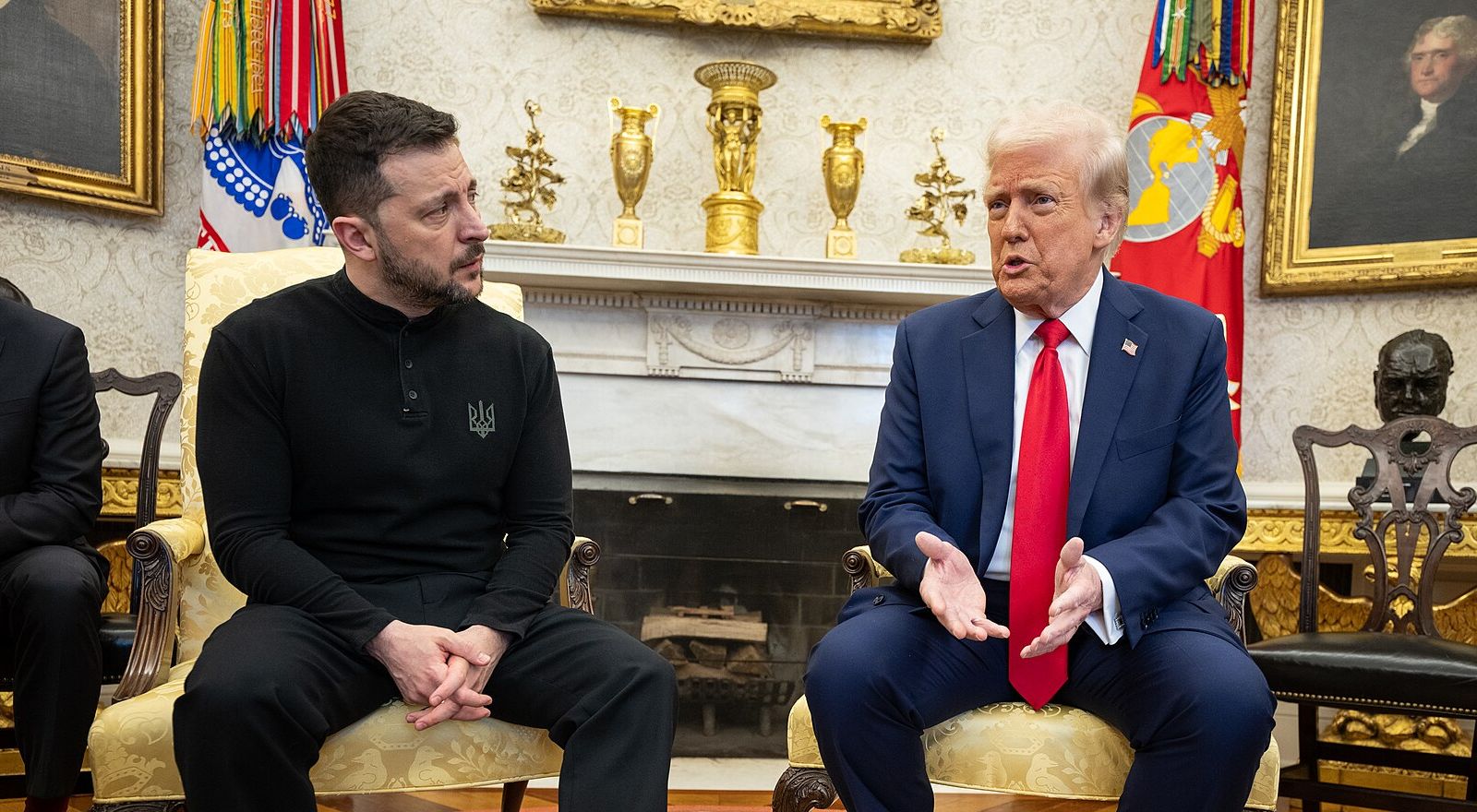
In what could be described as a significant turn in the Russia-Ukraine war, the Trump administration appears to be piling pressure on Kyiv to accept a negotiated settlement. On Monday (October 19), Ukrainian President Volodymyr Zelenskyy appealed to a bipartisan group of US senators, asking them to pressure President Trump to reverse his current course, which Ukraine believes includes offering incentives to Russia while slowing military and intelligence cooperation with Kyiv. He also sought continued European support as tensions with Washington deepened.
In a virtual meeting with lawmakers, Zelenskyy complained about disruptions to weapons deliveries, satellite communications, and early warnings of Russian missile attacks, according to a transcript obtained by Axios from Ukrainian officials. He also complained that SpaceX’s Starlink and the US military’s Starshield remained partially restricted and that Ukraine had missed US early warnings about Russian ballistic missile attacks on three occasions over the past week. He also accused US Defence Secretary Pete Hegseth of delaying approval for Patriot interceptor missiles and AIM-9X missiles for the NASAMS air-defence system, which NATO countries had already purchased for Ukraine.
Reluctant US
Signalling a possible reduction in Washington’s support, President Trump launched a fresh attack on Zelenskyy the same day. Saying Zelenskyy “doesn’t know what he was talking about”, Trump told reporters that the Ukrainian leader “should have this war settled a long time ago” when asked about his criticism of the deal with President Vladimir Putin. “To be honest, I think it’s time for someone else to negotiate on behalf of Ukraine. Maybe it’s time for Zelensky to get someone else to negotiate.”
Trump also said the US was still sharing intelligence with Ukraine and that he would investigate who had ordered the reported satellite restrictions. The White House has denied imposing restrictions on Ukraine’s intelligence sharing, while Ukrainian officials say they have received no clear explanation for the disruptions.
As to the supply of Patriot missiles, the Trump administration has not authorised the transfer of certain interceptors already purchased by European allies, according to recent reporting. Despite ongoing requests from Ukraine, approval rests with the US Defence Department, and Hegseth’s signature is required for the transfer. Separately, Starlink and Starshield restrictions have reportedly affected military drones travelling at speeds above roughly 100 miles per hour (161 km/h). These are speed limits that affect the systems’ operation on fast-moving platforms, not internet connection speeds. The restrictions have reportedly troubled Ukraine’s ability to conduct drone operations, including interceptions of Russian attack drones and strikes on targets in Russian-held areas.
Meanwhile, Trump has been pushing for a peace deal. When US envoys Jared Kushner and Steve Witkoff met Ukrainian and European officials in Miami on October 9, they discussed a proposal to unfreeze part of Russia’s immobilised sovereign assets held abroad and place the funds in a financial vehicle overseen by Washington. European officials, particularly Germany, reportedly rejected the proposal on legal and political grounds. The Financial Times reported that the European Union has frozen around $320 billion of Russian assets.
Trump further shocked Ukraine’s supporters by announcing a deal on October 9 to allow Russian diesel exports and temporarily lifting certain sanctions on Russian fuel. He then signed an executive order on October 16 waiving specified sanctions, restrictions and duties under the Lindsey O. Graham Sanctioning Russia and Iran Act of 2026. These decisions moved quickly compared with previous US responses to Russia. A Reuters report said Kushner and Witkoff told Ukrainian officials that the diesel deal was intended to “soften” Russia’s position and bring the country back to the negotiating table. The report also said the envoys discussed a broader diplomatic and security framework to end the war.
Trump has been arguing that Zelenskyy could have secured a better deal earlier and that the war has been consuming tens of thousands of soldiers each month. On October 19, Trump estimated that 25,000 to 35,000 soldiers were being lost monthly, but this was his own estimate and has not been independently established here. The US President said prolonging the war was not in Ukraine’s interest. Based on his statements, the US President appears increasingly determined to pressure Zelenskyy into accepting a settlement that could end the war.
However, Zelenskyy has stepped up his criticism of Trump’s peace initiatives. He questioned the US approach after Trump announced an “energy ceasefire” that neither Russia nor Ukraine had formally confirmed, and he sought European backing after reported restrictions on Starlink and Starshield. He is also seeking support from US lawmakers, including Republicans, to persuade the administration to maintain military and intelligence cooperation.
Europse's trboule
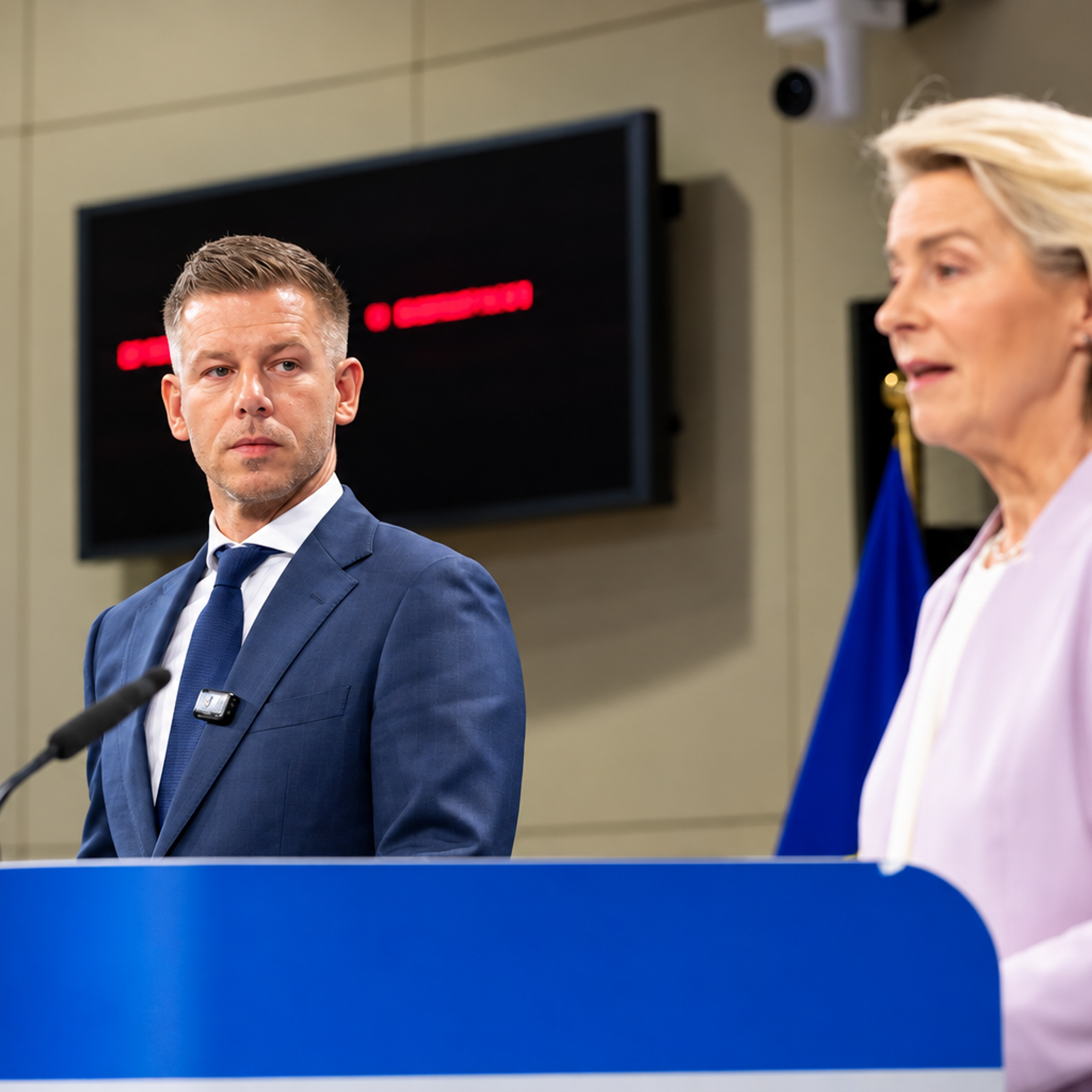
Though the European Union continues to back Zelenskyy’s position and some European leaders have criticised the US approach to sanctions relief, at least three EU countries have signalled different priorities on Russian energy and sanctions. Bulgaria’s Prime Minister Rumen Radev welcomed the US-Russia diesel deal, while Hungary and Slovakia have continued to challenge aspects of the EU’s approach to Russian energy. Russia has so far enjoyed the support of Slovakia and Hungary, which still depend on Russian energy supplies. After the government change in Hungary, the new Prime Minister Péter Magyar was expected to take a more pro-Ukraine line; however, his government has retained key energy-policy priorities of his predecessor, Viktor Orbán, while pledging to end Hungary’s dependence on Russian energy by 2035. Hungary is lobbying the US to renew its sanctions exemption, which expires in November.
Europe may increasingly struggle to maintain a united position with Washington, and any slowdown in cooperation with Ukraine could undermine its war-fighting capacity. Ukraine already faces difficulties from delayed approval for Patriot missile transfers, reported satellite restrictions, and alleged gaps in early-warning intelligence. Despite its resolve, Europe cannot easily replace every form of US support. However, European countries have increased their assistance to Ukraine, and how much they can compensate for any US reduction will depend on the type of military and intelligence support involved.
Russia has proposed a possible meeting involving Trump and Chinese President Xi Jinping to discuss the war, potentially on the sidelines of the Asia-Pacific Economic Cooperation forum in China next month. Trump has expressed openness to a meeting but has not confirmed participation, and no agreement has been reached. The proposed format would exclude Zelenskyy, raising concerns in Kyiv and Europe that decisions on Ukraine could be made without Ukraine’s participation.
Each incentive the US President offers Russia could strengthen Moscow’s negotiating position, although the actual impact remains uncertain. The US has already agreed to allow additional Russian diesel exports, and the administration has waived specific new sanctions and duties under the Graham Act. After weakening the Act, countries such as India, Turkey and China could increase their procurement.
A peace deal, irrespective of its nature, could be achieved only if Trump can bring Russia, Ukraine and European governments towards an agreement that addresses security concerns and the future of occupied territory. The US President has argued that the human cost and destruction make a settlement urgent. So far, Zelenskyy has not accepted pressure to make further concessions on the terms being discussed. Instead, he has intensified efforts to secure European support and persuade US lawmakers to maintain assistance to Ukraine.