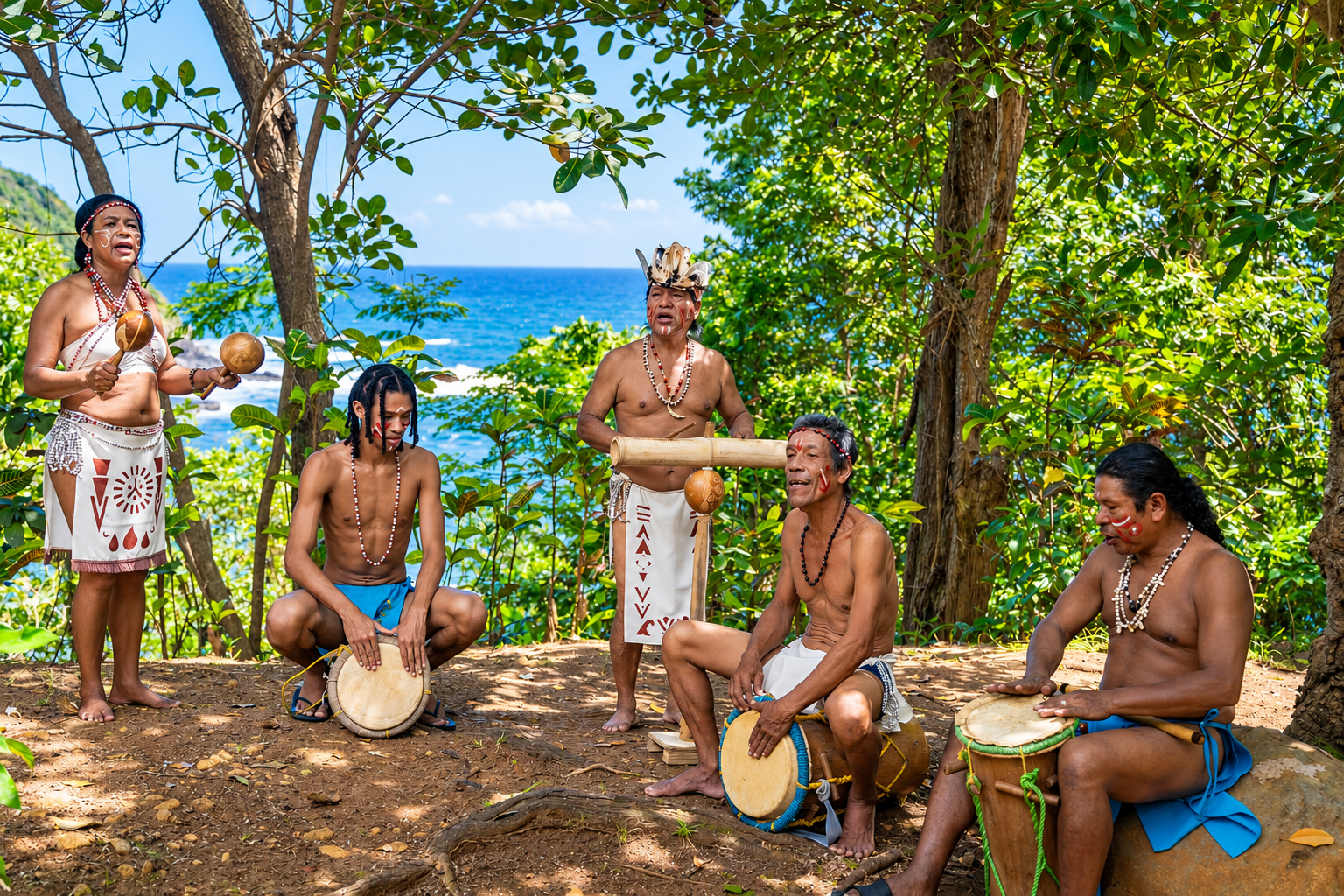
When Hurricane Maria struck Dominica on September 18, 2017, it left homes destroyed, forests stripped bare and communities facing the loss of livelihoods built over generations. In the island’s Kalinago territory, the devastation was more than a natural disaster: it disrupted the relationship between people, land, and the resources they depended on. Across the Caribbean and the neighbouring Guianas, Indigenous communities are confronting different but connected pressures. More intense storms, prolonged droughts, changing rainfall patterns, and declining water levels disrupt farming, fishing, and other traditional activities.
Colonisation had already inflicted profound damage on Indigenous populations through disease, forced labour, violence, land dispossession and the suppression of languages and traditions. Today, communities draw on Indigenous knowledge, local leadership, and technical support to protect their livelihoods from a changing climate. NWS spoke to community leaders and advocates in Dominica, Suriname and Guyana to understand how these pressures are unfolding and what people are doing to adapt.
Dominica’s Kalinago territory
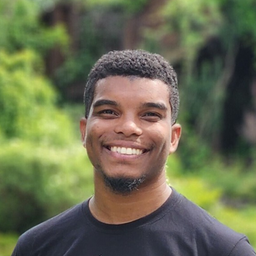
Dominica, an island nation of just over 70,000 people, is home to an estimated 3,000 members of the Indigenous Kalinago community. For Ferdison Valmond, a Kalinago youth policy advocate, the scale of the destruction Hurricane Maria caused remains hard to forget. “I woke up the next day as someone who lost everything,” Valmond recalled. “Most of the Kalinago reserve was wiped out. There were no houses, no trees; it was just bare land.”
Maria struck Dominica as a Category 5 hurricane on September 18, 2017, with winds exceeding 277 kilometres per hour. The government-led post-disaster assessment estimated damages at US$930.9 million and economic losses at US$380.2 million - equivalent to 226 per cent of the island's 2016 gross domestic product. About 90 per cent of the country’s housing stock was damaged. The destruction also had lasting social and psychological effects, Valmond said, with some residents leaving the territory. For communities whose livelihoods and cultural practices are closely connected to the land, recovery involves more than rebuilding houses.
Environmental change also affects the rivers that run through Kalinago communities. Garry Auguiste, a Kalinago conservationist, said waterways that once sustained swimming and other community activities have become noticeably shallower in some places. “A lot of the communities within the territory are named after rivers (Crayfish River and Mahaut River, for example). But if you go to those communities today, it’s no longer a large river; it’s more of a stream,” he said.
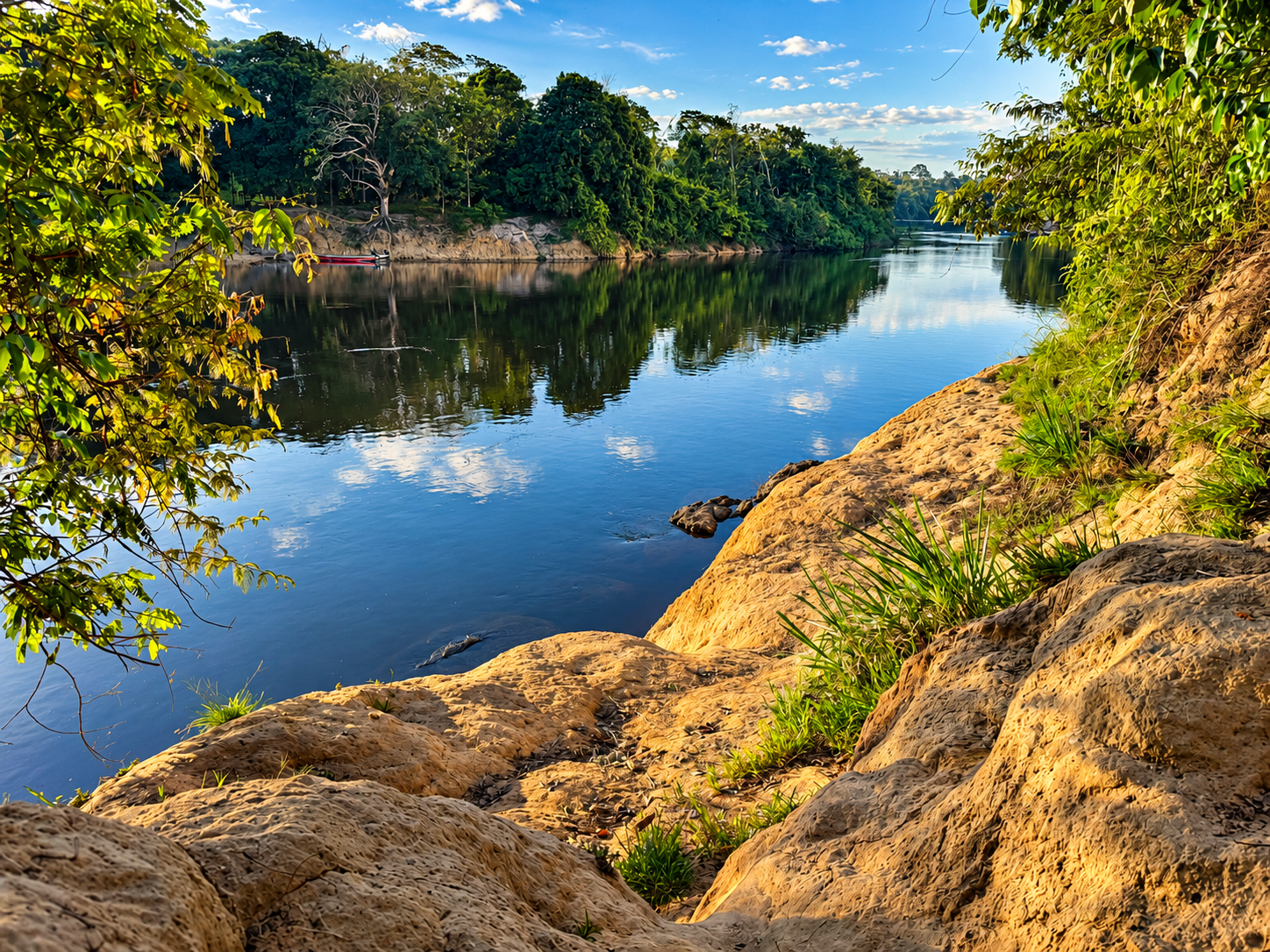
Auguiste recalled hearing from his parents about how much water the rivers once carried. The changes have become apparent within his own lifetime, he said: “There are places that we used to go swim in the rivers, and now the water isn’t even knee-deep in some areas.” Residents are also dealing with sargassum seaweed spreading along beaches and shifts in crop and seasonal fruit growing seasons. These shifts complicate farming and other activities that depend on familiar environmental patterns.
In response, Kalinago communities are drawing on traditional knowledge to strengthen local livelihoods. Valmond and Auguiste said residents are planting more crops, including varieties considered better suited to difficult weather conditions. They are also expanding lauma production, a natural reed harvested from the rainforest and used to make baskets for sale. The plant offers a way to combine local knowledge and income generation. Community values also encourage limits on tree cutting and overfishing, giving forests and depleted fish populations more opportunity to recover. These practices cannot prevent a major hurricane or guarantee rivers will return to earlier levels, but they help communities manage the natural resources their livelihoods depend on.
Suriname’s struggle with drought
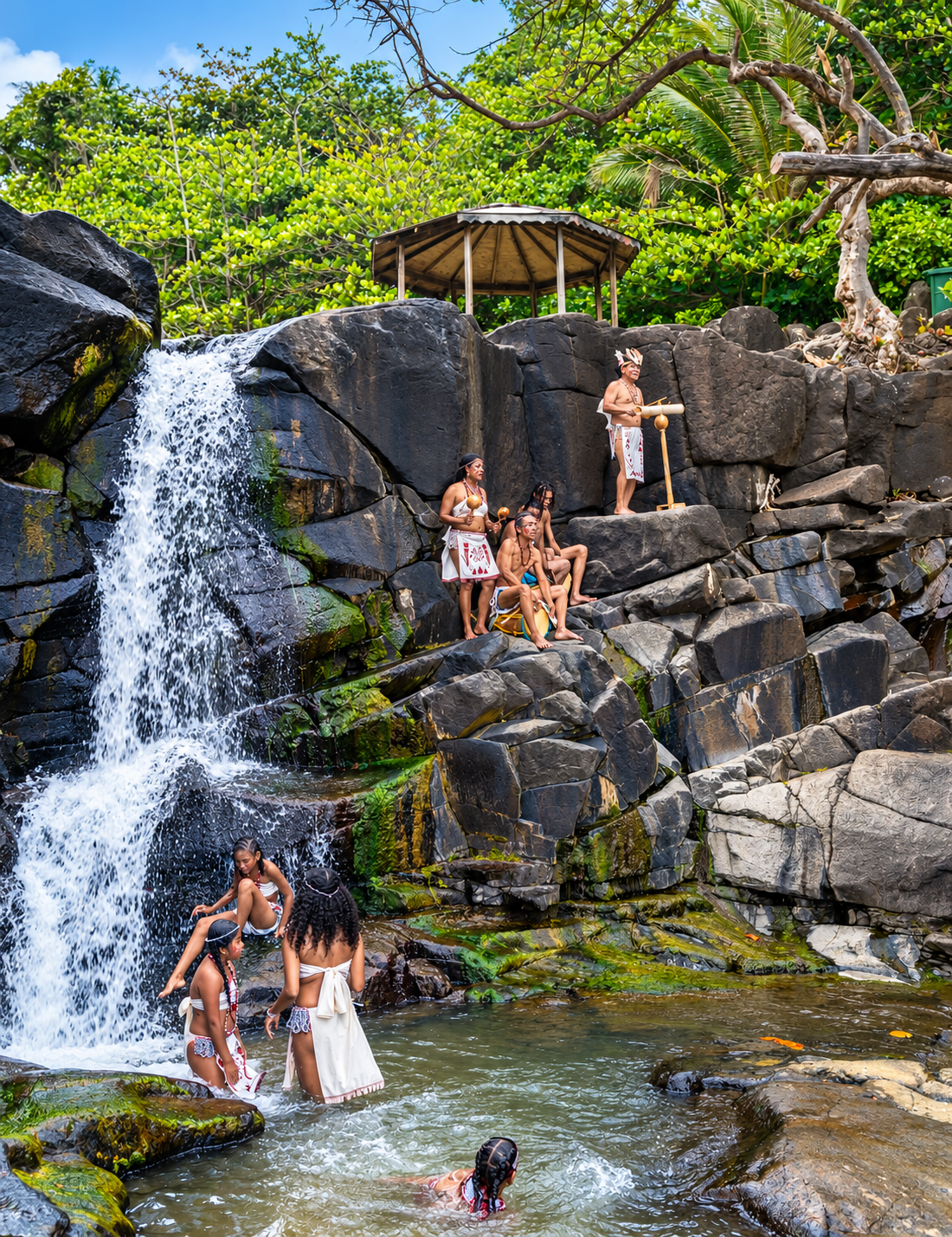
In Pelelu Tepu, an Indigenous community in Suriname’s interior, the challenge is not simply too little rain. It is the loss of predictable seasons. Marijane Makadepuung, a member of the Trio Indigenous community, founded the Stichting Tepu Werition Foundation, also known as the Trio Foundation for Women in Tepoe, to educate and empower Indigenous women and support climate resilience. “We used to have reliable season changes, and we would plan. Now rain doesn’t come when it should, or when it does, it rains a lot,” Makadepuung told NWS. She said the village had experienced severe drought for several years.
The consequences are particularly serious for cassava, a staple crop in the region. During intense drought, newly transplanted cassava stems may fail to survive. When heavy rainfall follows, saturated soil can cause cassava roots to rot. The same extremes that threaten harvests can also undermine the next planting cycle. Water shortages create another risk. Communities rely on rivers for cooking, hygiene and other daily needs, but during prolonged drought, water levels fall, and pollutants can become more concentrated. Makadepuung said these conditions have contributed to outbreaks of diarrhoea and other illnesses.
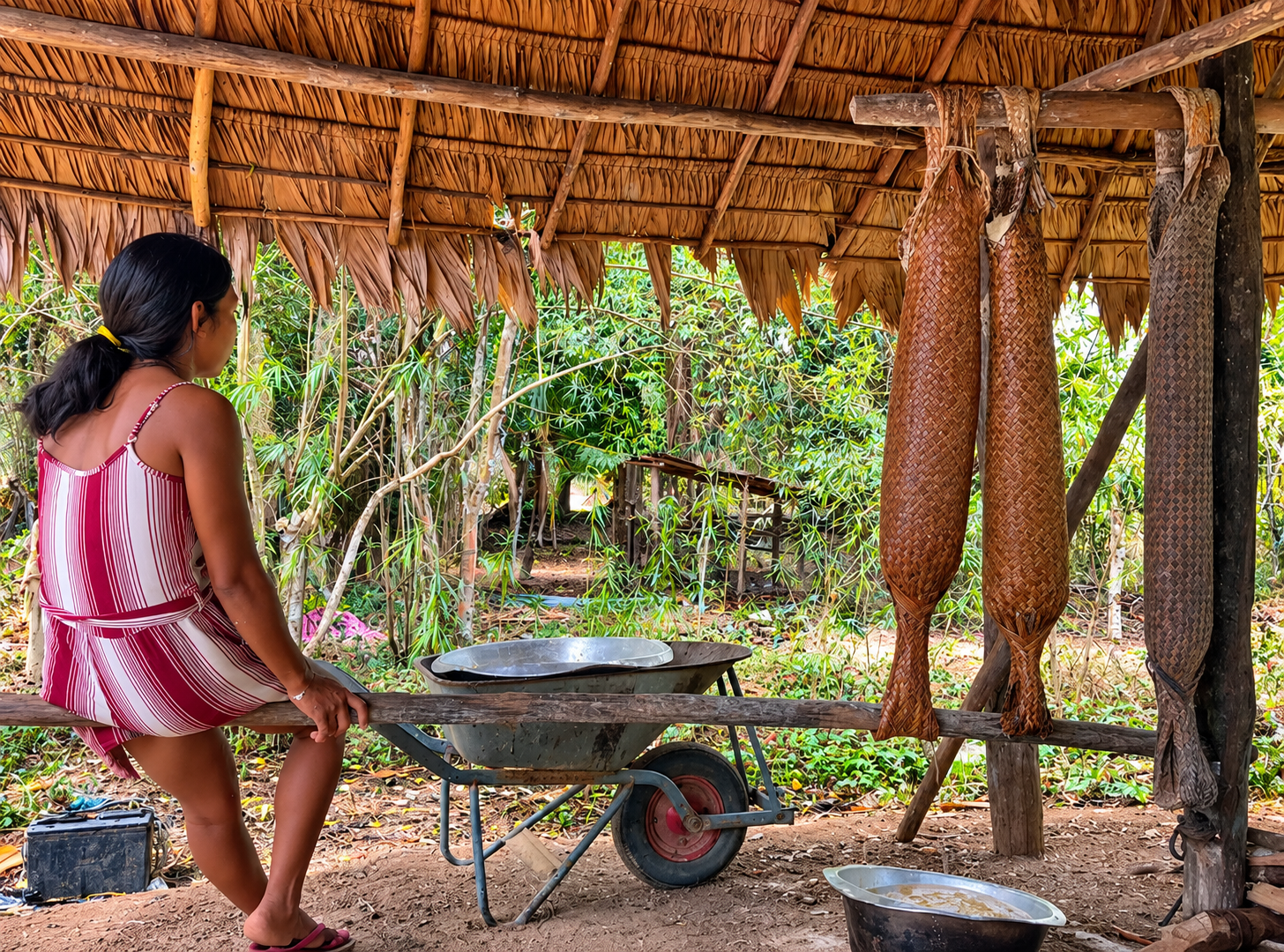
Emergency assistance can help communities manage an immediate crisis, but changing agricultural practices is also important for longer-term adaptation. Local NGOs are supporting tree planting, adjusting crop calendars, and experimenting with varieties better able to withstand drought. These efforts aim to reduce the risks of unreliable rainfall while helping farmers keep producing food. For Indigenous women, the work also connects environmental adaptation with community development. The foundation’s focus on education and empowerment positions women to identify local needs and shape responses to changing conditions.
Guyana’s cassava seed bank
A seed bank in northwestern Guyana is an example of such responses. In Paruima, an Indigenous farming village in Guyana’s Cuyuni-Mazaruni region, floods threaten the crop that sustains much of the community. The danger does not end when the water recedes: farmers can lose both their cassava harvest and the stem cuttings needed to plant the next crop. Without planting material, a single flood can disrupt food production beyond the immediate disaster, leaving farmers with little to restart cultivation.
With support from the UN Food and Agriculture Organisation, the village established a cassava seed bank on December 21, 2018, to preserve planting material for use after natural disasters. Paruima’s Women’s Agriculture Group requested the initiative, identifying the need for a reliable supply of cassava cuttings. The project formed part of a wider effort to strengthen climate-smart agriculture.
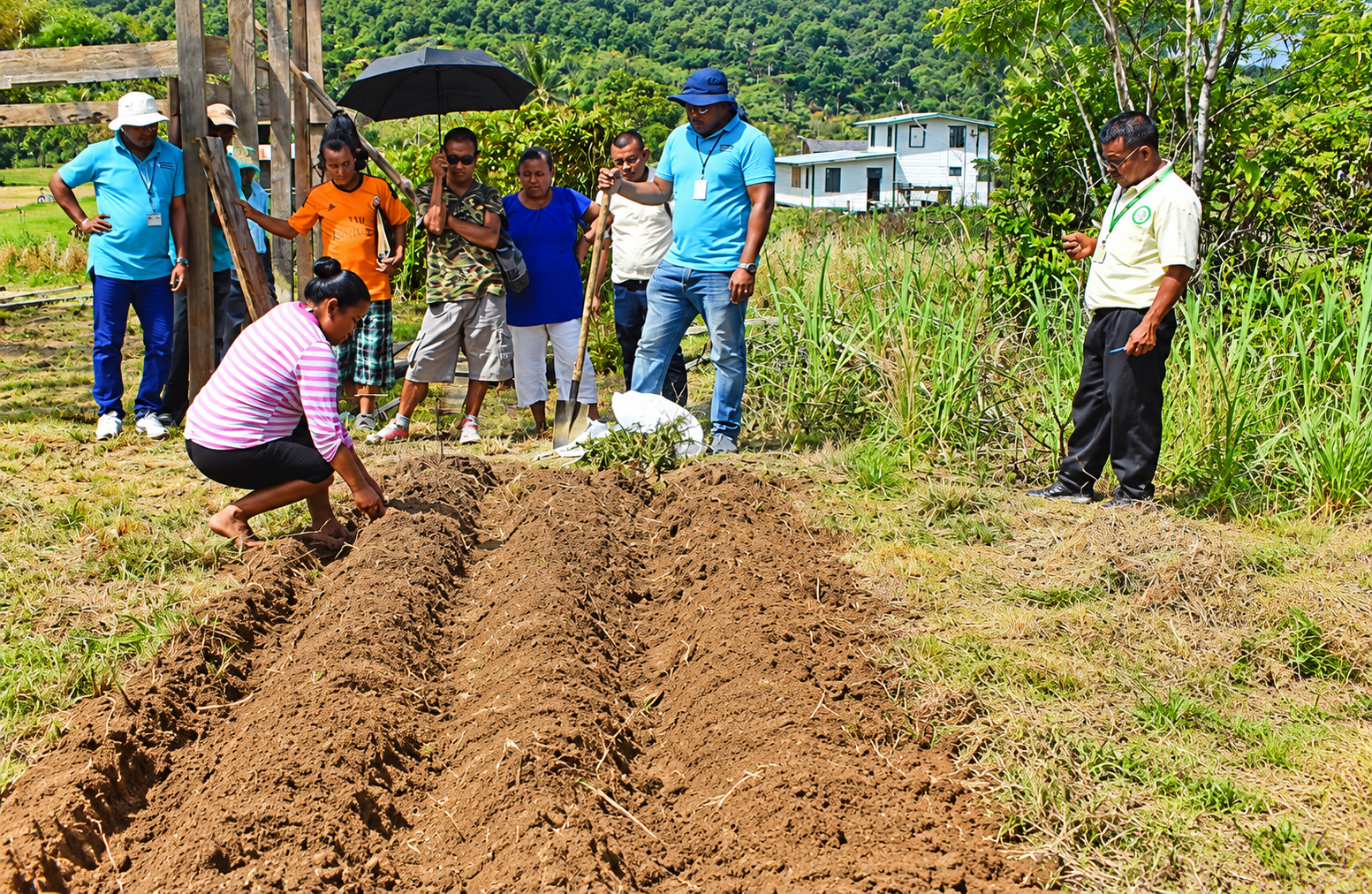
A shade house accompanied the seed bank intended to help the Women’s Agriculture Group produce cash crops. As part of training programmes, local farmers also received guidance on pest control, drainage and irrigation, and techniques for managing prolonged dry periods. These measures address the range of challenges that changing weather patterns can create for farming communities. The seed bank’s documented purpose is to preserve planting material and make it accessible after floods. The available project account does not quantify how much it has reduced crop losses or shortened recovery times, so its long-term impact remains to be established.
Resilience beyond next disaster
The experiences of Indigenous communities in Dominica, Suriname and Guyana show how adaptation begins with the problems people face in their daily lives. In Dominica, that means protecting natural resources and developing livelihoods suited to changing conditions. In Suriname, it means adjusting cultivation to unreliable rainfall. In Guyana, it means preserving cassava cuttings so farmers can resume planting after floods. The initiatives are practical responses, not comprehensive solutions to climate change. Their long-term effectiveness will depend on whether they protect harvests, sustain incomes and help communities recover from extreme weather.
Indigenous knowledge remains central to these efforts, while technical assistance can help communities put locally identified priorities into practice. In Paruima, the cassava seed bank captures adaptation's purpose in concrete terms. It cannot prevent the next flood, but it can preserve the planting material farmers need to return to their fields when the water recedes. The challenge is to ensure support reflects the realities of Indigenous livelihoods rather than treating communities as passive recipients of outside interventions. Their experiences help identify which climate-resilient interventions could help on the ground.