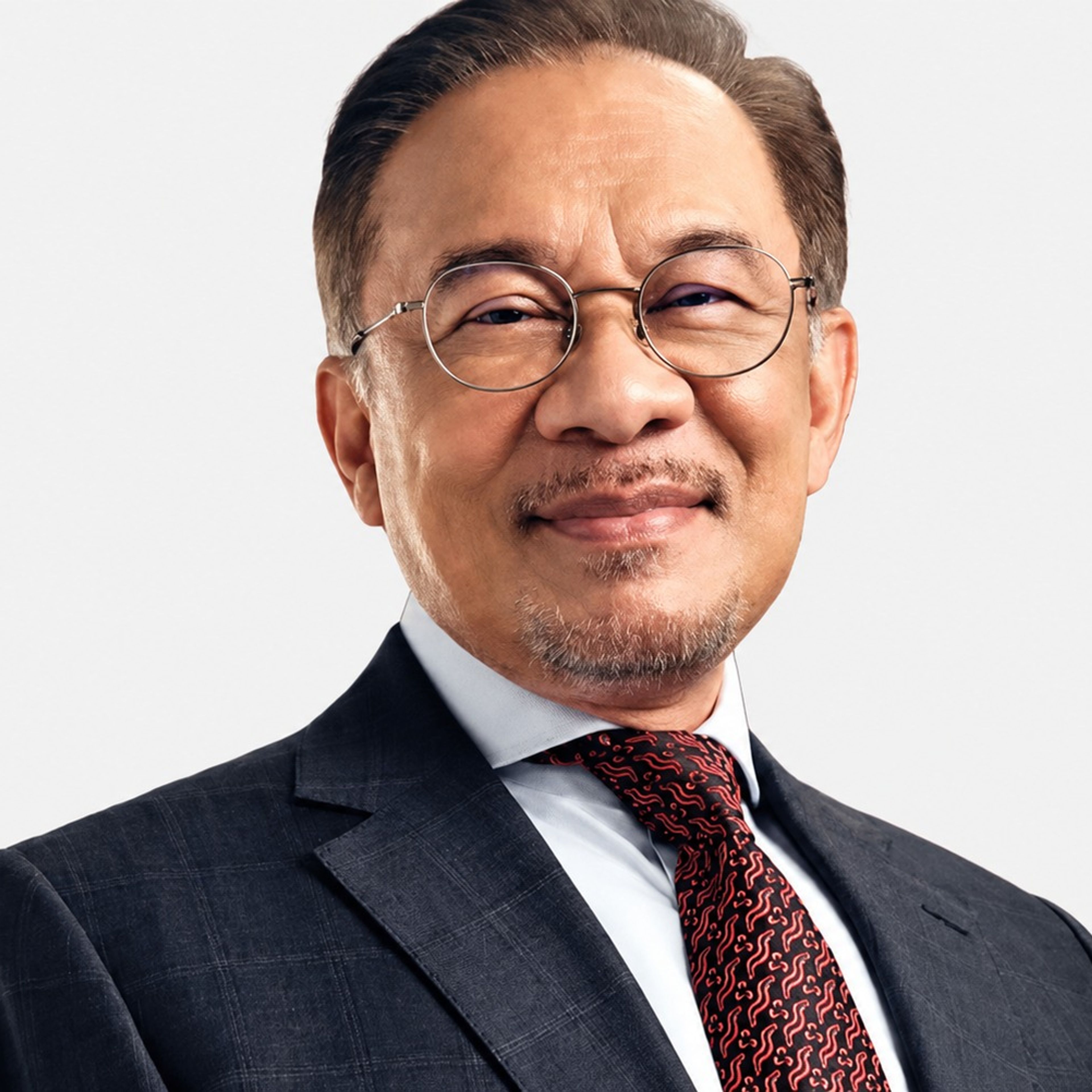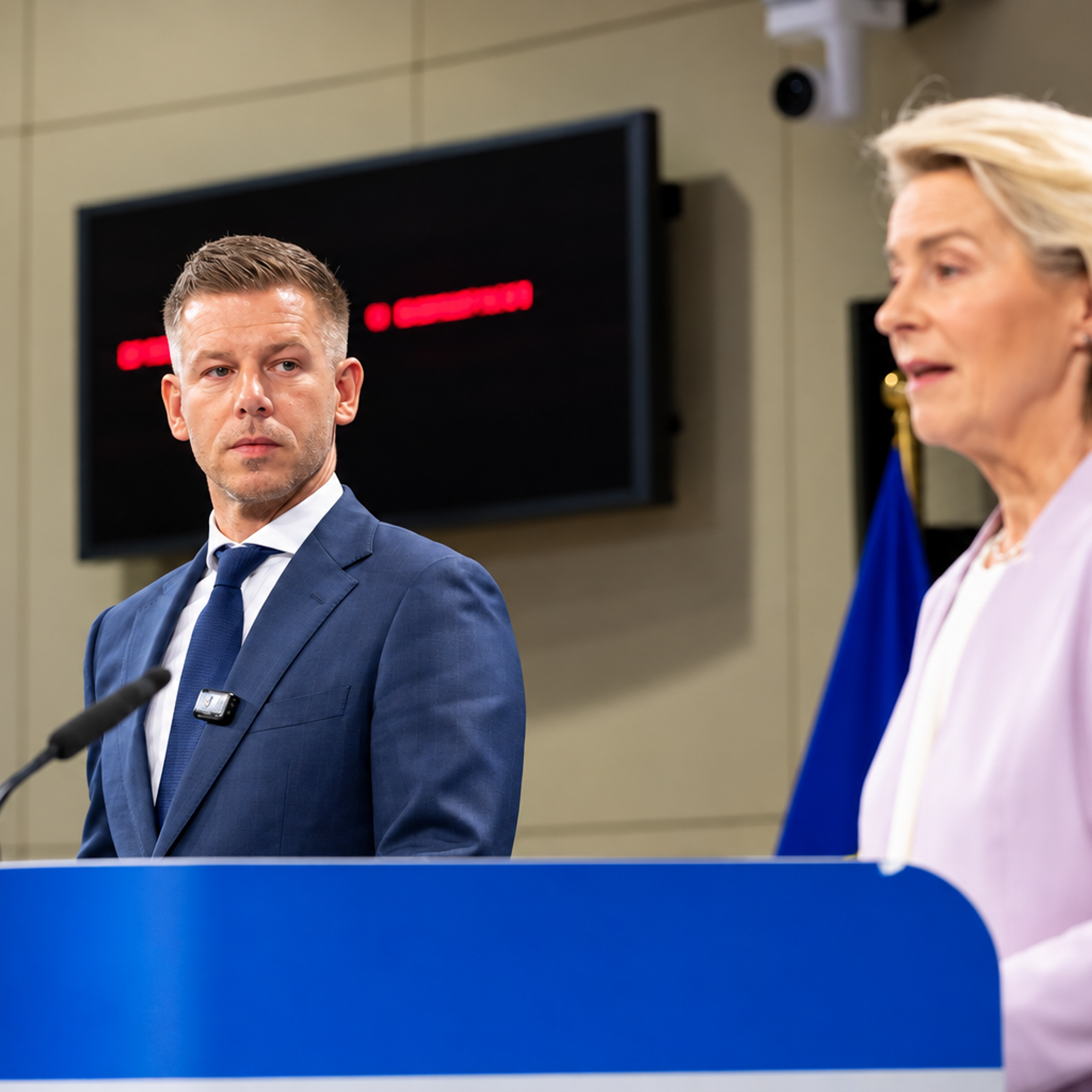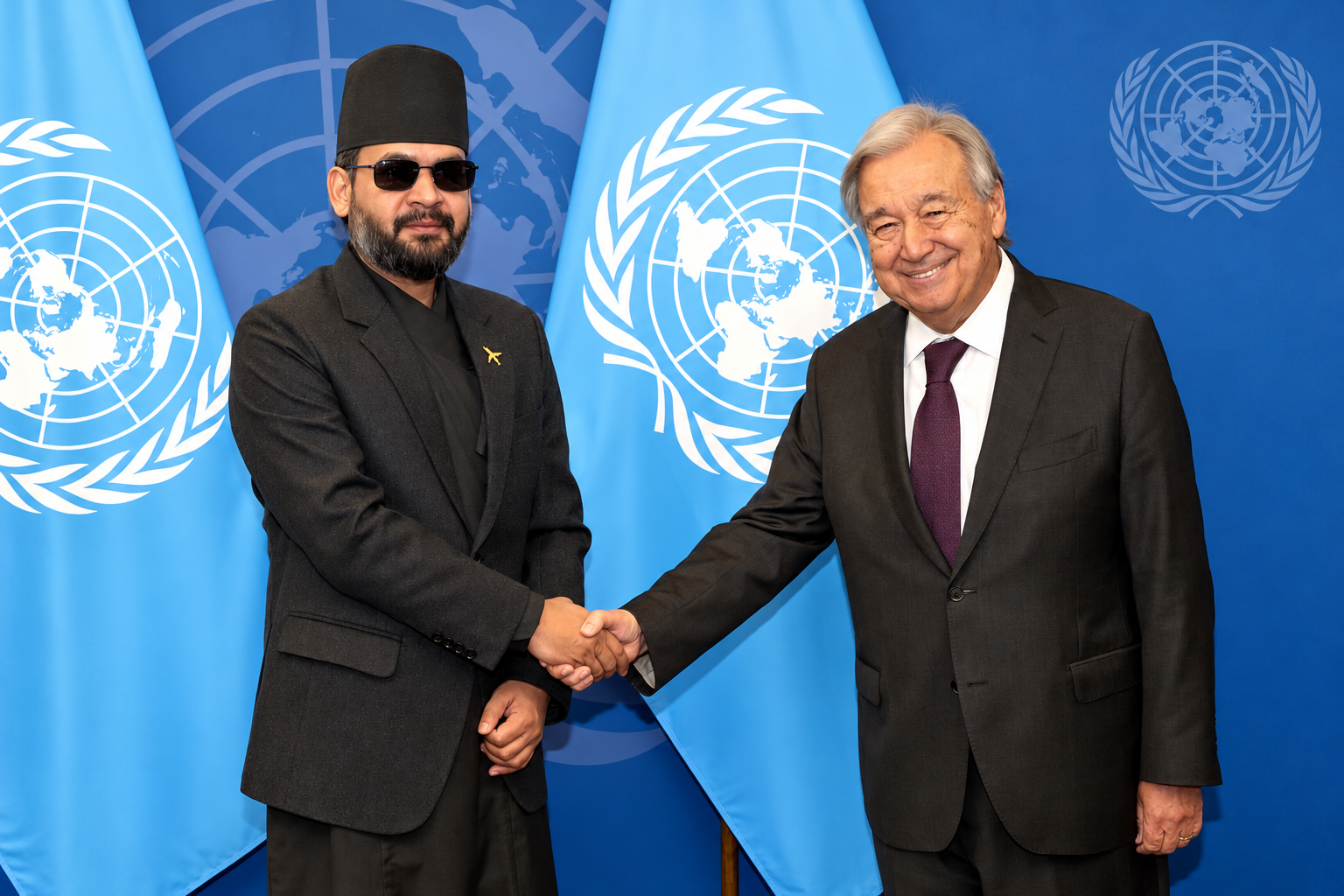
Nepal Prime Minister Balendra Shah has chosen India for his first bilateral visit, restoring the long-standing convention for Nepali leaders to make India their first port of call. The visit could reportedly happen in late November, and both governments have begun preparing a wide-ranging package of infrastructure, hydropower and connectivity projects, Nepali media outlet the Kathmandu Post reported.
Both sides have already exchanged lists of projects to be inaugurated during the trip. A senior Nepali Foreign Ministry official told the Indian news agency IANS that Kathmandu will also seek a large-scale assistance package from India. According to a high-level diplomatic source quoted by the Post, the visit is expected in the third or fourth week of November. The two prime ministers will hold delegation-level talks, and Shah will meet other senior Indian ministers.
However, itinerary has not been finalised yet. Some Nepali and Indian media outlets have reported that Shah will be in India from November 23 to 25. Prime Minister’s press adviser Dipa Dahal told IANS that Shah was “likely to visit India in the final days of November,” adding that the length of his stay was yet to be confirmed. Shah is expected to spend about three days in India and is unlikely to travel beyond New Delhi.
First port of call
Indian Prime Minister Modi invited Shah soon after he was sworn in on March 27, following the March 5 parliamentary elections. His only foreign trip so far was to New York in September for the 81st session of the UN General Assembly. Shah’s decision to make India his first bilateral destination follows a long-standing practice among Nepali prime ministers. Only two have broken it. Pushpa Kamal Dahal “Prachanda” travelled to China first in 2008 for the closing of the Beijing Olympics, a move that irked New Delhi. KP Sharma Oli did the same in December 2024, after India did not extend the invitation that usually follows the formation of a new government. Others, including Oli in his earlier terms and Prachanda in 2016 and 2023, went to India first.
Projects to be inaugurated
Nepal’s Foreign Ministry officials said the two sides are expected to sign a series of agreements and memorandums of understanding. The projects lined up for inauguration include the Nepal Police Academy in Panauti, Kavrepalanchok, a bridge in Darchula, the integrated check post at Bhairahawa and a motorable bridge over the Mahakali River. The two prime ministers are also expected to jointly mark the start of construction on the integrated check post at Dodhara Chandani, the Lower Arun hydropower project and a petroleum pipeline from Siliguri in India to Jhapa in Nepal.
Hydropower is set to feature prominently. Officials are also considering placing major hydropower projects on the agenda, since most bilateral mechanisms have already completed their meetings. These are the 750MW West Seti, the 480MW Phukot Karnali and the 450MW Seti River-6 projects, all involving India’s state-owned NHPC. Nepali Energy Ministry officials told IANS that the future of Phukot Karnali is uncertain because of a Supreme Court verdict requiring the Indian company to provide at least 21.9 per cent free energy to Nepal. The Koshi River project, the Ayodhya-Janakpur railway and Indian support for Nepal’s artificial intelligence ambitions are also likely to come up.
Funding sought
Kathmandu is pressing for financial support as it grapples with the aftermath of the August 26 floods in the Bhote Koshi and Trishuli rivers. The floods killed nearly 1,500 people, and more than 5,000 remain unaccounted for, according to the National Disaster Risk Reduction and Management Authority. They also swept away communities, hydropower plants, roads and bridges, causing billions of dollars in damage. The IANS reported that Nepal had been seeking a large package even before the floods, and wants it with fewer conditions so that works can be executed quickly.
Nepal is currently using four Indian lines of credit worth $100 million, $250 million, $550 million and $750 million, totalling $1.65 billion, according to the Indian Embassy’s website. The credit, routed through the Export-Import Bank of India, requires a certain share of components to be sourced from India. India had earlier pledged $1 billion after the 2015 earthquake. Nepal is also seeking Indian grants and concessional loans for reconstruction. Finance Minister Swarnim Wagle has already visited India to discuss possible assistance.
Thorny issues
Beyond the projects, Nepali officials want progress on long-running disputes. A senior Foreign Ministry official told the Post these serious matters will be discussed with India and consultations would take place after Dashain, Nepal’s biggest festival that coincides with India’s Dasara. The boundary question remains the most sensitive. The dispute over Lipulekh, Kalapani and Limpiyadhura has long been a source of friction between the neighbours. Nepal claims the territory, which India treats as an integral part of Uttarakhand.
Air connectivity is another priority. About 90 per cent of international flights enter Nepal through a single, congested point over Simara in the south. Nepal first sought additional entry routes about a decade ago, and they are considered crucial for the operation of its two newer international airports in Pokhara and Bhairahawa. Kathmandu has proposed three new entry points, through Janakpur, Bhairahawa and Nepalgunj. India has been reluctant to grant direct, low-altitude routes through Nepal’s western and eastern corridors, citing security concerns, including the Gorakhpur air base, and the complexity of managing air traffic.
On trade, Nepal wants an early review of the bilateral trade treaty, which was automatically renewed in 2023 for seven years. Specific provisions can still be amended at any time by mutual consent or an exchange of letters. Kathmandu also wants India to address non-tariff barriers, in particular the requirement that Nepali exporters obtain Bureau of Indian Standards certification for certain goods. Procedural delays have hurt exporters of cement, steel, plywood, footwear, sanitary pads, diapers and electrical wires. The Pancheshwar Multipurpose Project, long pending between the two countries, is also on Nepal’s list.