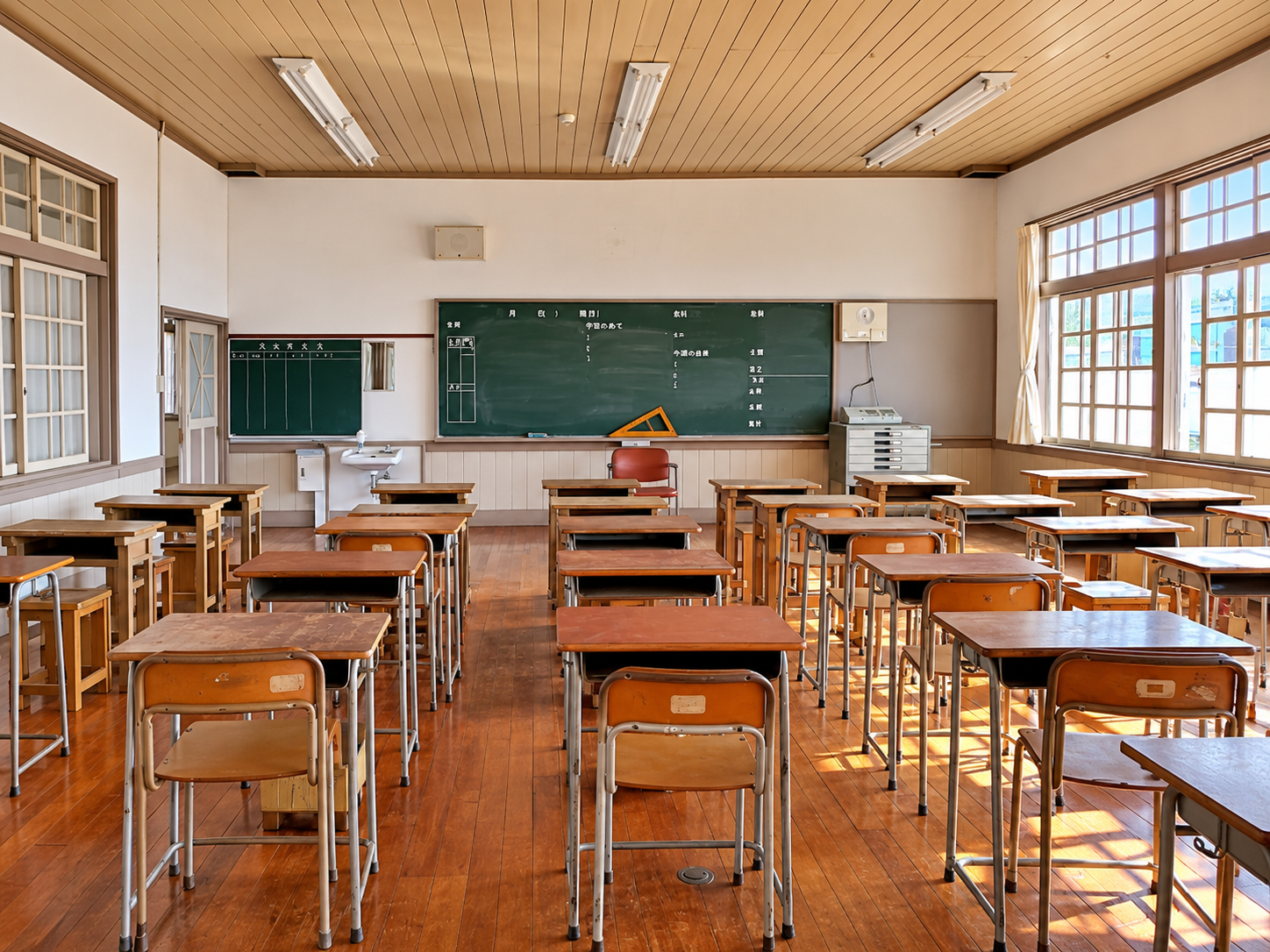
Nagano, Japan: For nine-year-old Hana (name changed) in Omachi, a mountainous city in Japan’s Nagano Prefecture, the merger of local elementary schools in April brought opportunities to make new friends — but also separated her from some of her old ones. Her former school had around 120 pupils across six grades, with just one class of about 20 to 30 children per grade. With no annual reshuffling of classes, she had spent years with the same classmates.
When Omachi consolidated four elementary schools into two, pupils from Hana’s former school were divided roughly equally between the new schools, separating children who had grown up attending classes together. Although Hana enjoys making new friends, she has told her parents she feels lonely because some of her old friends now attend a different school. Her former school was among four selected for consolidation as Omachi anticipated further declines in its school-age population.
For her family, the transition has brought mixed emotions. “I felt sad because it was my old school, too,” one of her parents said. “But seeing the children enjoying themselves and making new friends, I think the merger was probably for the best.”
When the children disappear, schools follow
Hana’s experience captures the reality of growing up in a country with fewer children. As shrinking communities consolidate schools, children’s social environments are changing in ways that bring both opportunities and challenges.
Japan recorded 671,236 births to Japanese citizens in 2025, a record low, according to the Ministry of Health, Labour and Welfare. The total fertility rate fell to 1.14 children per woman, far below the roughly 2.1 needed to maintain the population. The effects are visible in classrooms. According to the education ministry’s 2026 school survey, elementary school enrolment stood at about 5.65 million, less than half the 11.9 million recorded in 1981. Junior high school enrolment was approximately 3.06 million, just over half its peak.
As pupil numbers fall, schools are closing. Between fiscal 2004 and 2023, 8,850 public schools closed nationwide, an average of about 443 annually, according to the education ministry. The figure includes schools beyond the elementary and junior high levels.
Omachi: merging to cope
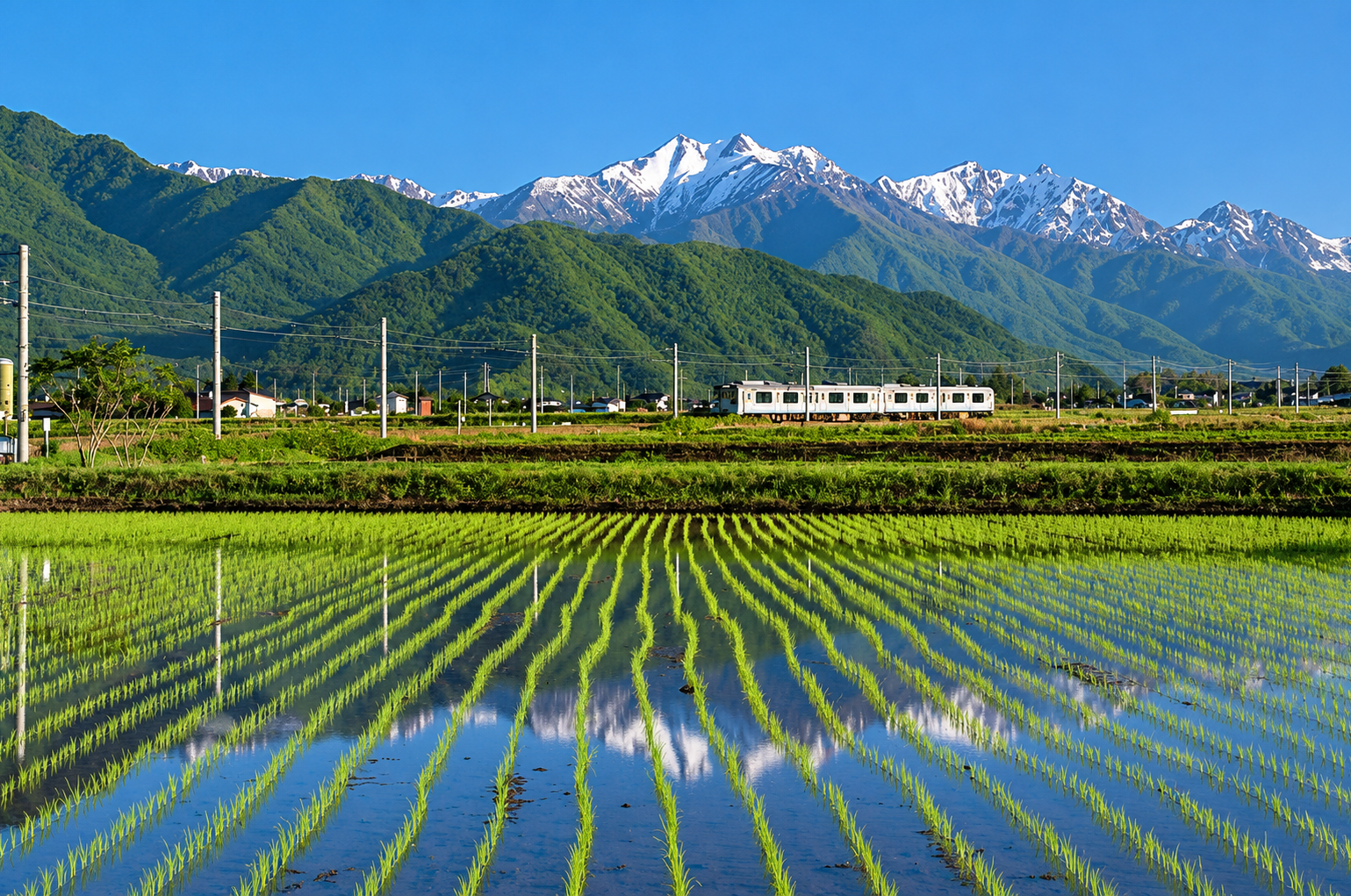
Omachi offers a glimpse of how these national trends play out locally. According to the city’s board of education, the number of elementary and junior high pupils fell from 2,810 in 2007 to 1,896 in 2017, a drop of nearly one-third in a decade.
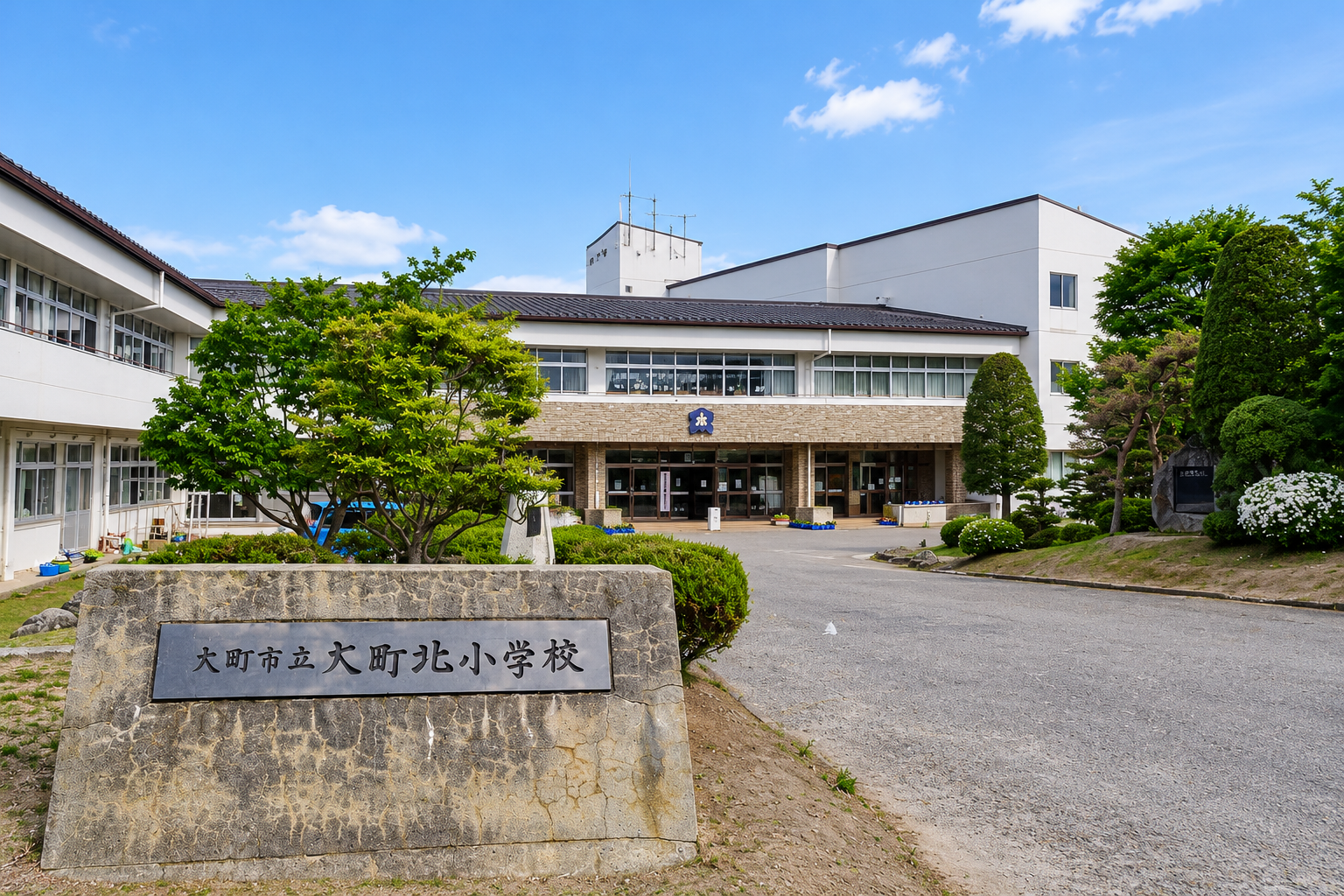
For another girl, Yui (name changed), now in sixth grade, the merger appears to have brought some relief. She spent her first five years at one of the elementary schools that closed in March 2026 before moving to the newly established Omachi Hokubu Elementary School in April.
“She’s at an age when friendships can be complicated. When something unpleasant happened at school, she would sometimes say she didn’t want to go the next day,” her mother said.
“But I feel that’s been happening less often recently. It doesn’t mean those problems have disappeared, but having more children to choose from when deciding whom to spend time with may have eased some of the stress and difficulties that come with friendships at that age.”
As enrolment declined, Omachi began reconsidering its school system. A committee established in 2018 examined how compulsory education could be maintained as the number of children fell. Two junior high schools merged into one in 2023, followed by the consolidation of four elementary schools into two in April 2026. The reorganisation aimed not only to address falling enrolment but also to expand educational opportunities that smaller schools could struggle to provide.
“Although some grades still have only one class, most now have two,” an Omachi Board of Education official told NWS, requesting anonymity. “One of the consolidated schools has around 530 pupils, while the other has about 300.”
The larger student bodies have made school music events more substantial and enabled activities that were previously difficult to organise. Although the total number of teachers has fallen, the city says it has become easier to assign teachers to specialist subjects.
Preparation began a year before the merger, when children from different schools met their future classmates. Some had already made new friends before the academic year began. Parents also raised concerns about unfamiliar routes to school, prompting the city to introduce school buses and improve road safety. Local residents helped children adjust to their new journeys, and the board says the transition has so far caused no major problems.
Small schools, large schools: no easy answer
The benefits of consolidation are not universal. Yasuhito Tamma, an associate professor at the University of Tsukuba who studies school consolidation and its relationship with local communities, told NWS that small schools offer advantages but can also limit children’s social experiences.
“In smaller schools, teachers can pay closer attention to each child, and pupils can build deeper relationships and stronger bonds,” he said. “On the other hand, children may have fewer opportunities to broaden their social circles.”
When classes cannot be reshuffled, pupils may spend years with the same classmates. Tamma also cautioned that limited competition in sports and other activities can mean the same children repeatedly come out on top, reducing opportunities to develop a competitive spirit.
Hana’s experience reflects these trade-offs. The merger has introduced her to new classmates and friendships, but it has also separated her from children she had known for years. Her parents say she enjoys her new school while still missing friends assigned to the other consolidated school.
Tamma described contrasting outcomes among children who had struggled to attend school. Some returned to regular attendance after moving to larger schools, while in other cases school refusal increased after consolidation. School size alone, he suggests, cannot determine the quality of a child’s education.
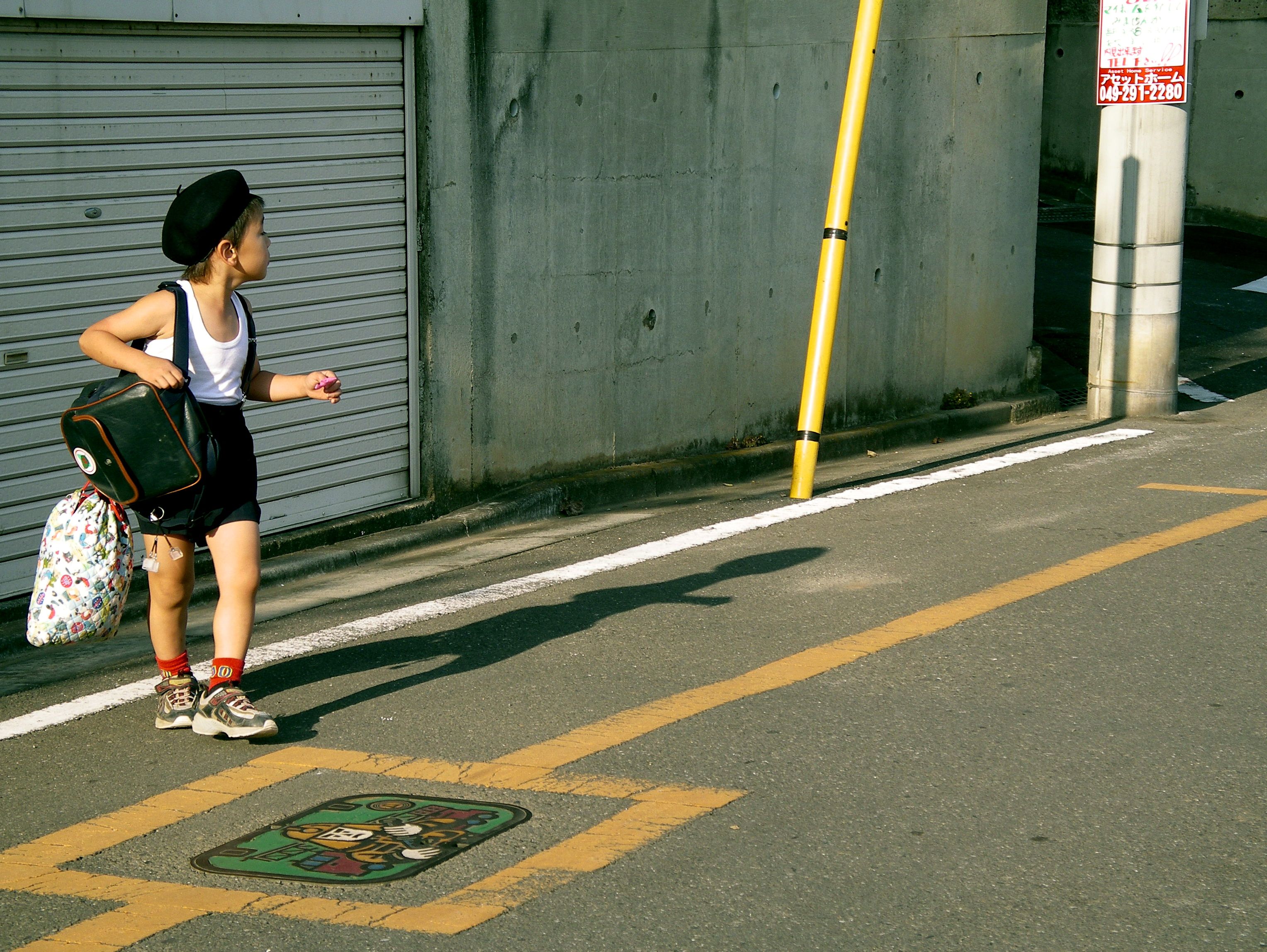
The effects can also extend beyond the school day. “When schools become farther away, children have to take school buses,” Tamma said. “They may no longer be able to play with friends on the way home or stop at a nearby park, as they used to.” He warned that reliance on scheduled transport could limit children’s ability to choose where and how to spend their free time.
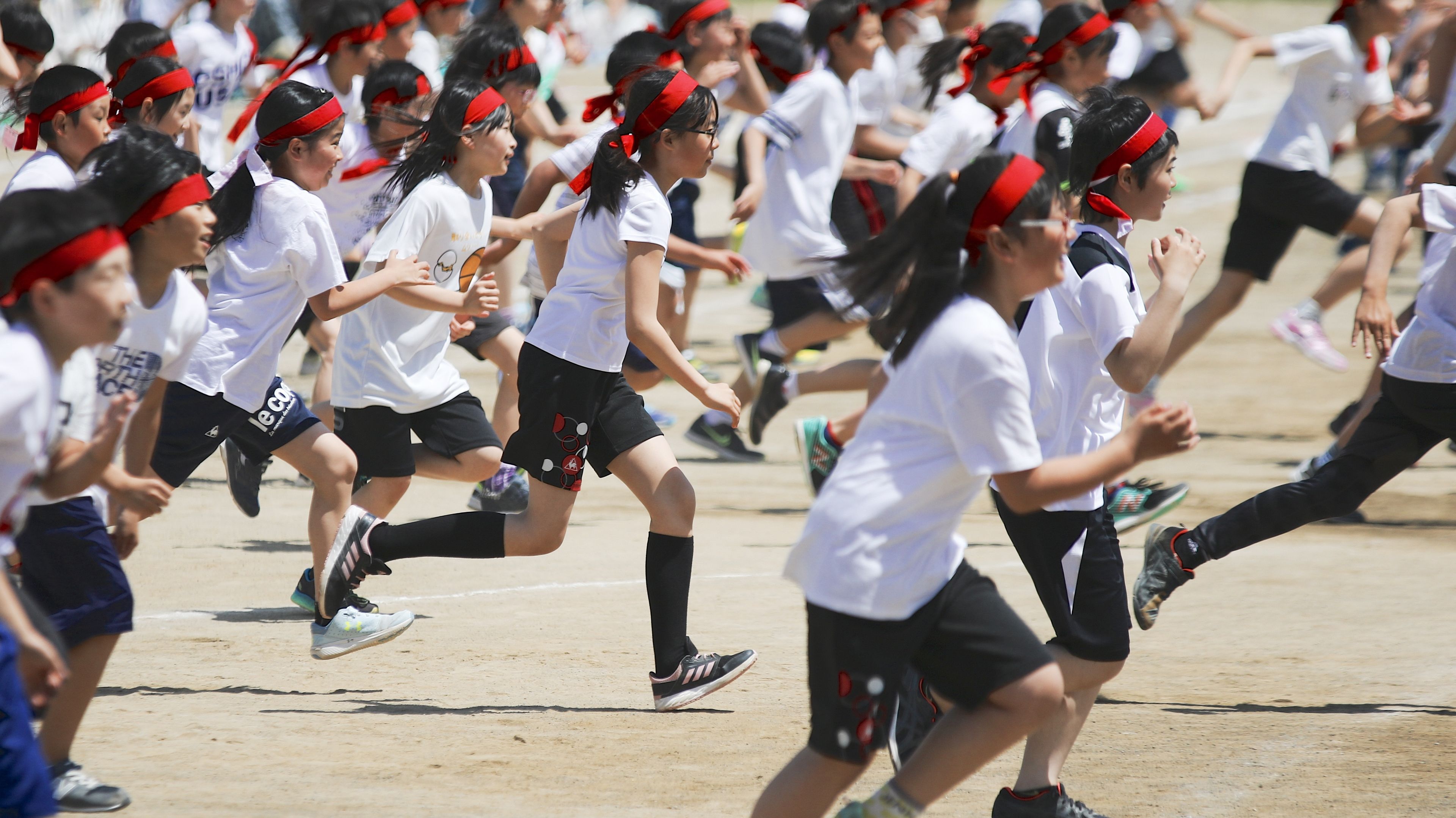
The paradox is that consolidation may widen children’s social circles within school while limiting their independence outside it. In a 2025 study, Tamma examined how Japanese municipalities were responding to falling enrolment. Some consolidated schools, while others maintained smaller ones through joint lessons, cooperation between schools and other arrangements. The education ministry provides guidance on school size but allows municipalities to choose between consolidation and retaining small schools.
The challenge is not simply to make schools larger, but to ensure that children have meaningful educational and social opportunities.
More than a school
For rural communities, a school is more than a place to study. For generations, schools have brought residents together through sports days, festivals and other events. Their closure can weaken an important link between children, families and older residents.
In Omachi, some residents expressed sadness at losing their former schools, although the education board believes the need to improve children’s learning environment was broadly understood.
For Hana’s parents, the loss was particularly personal: the school being closed was also the one they had attended as children.
Tamma says school closures expose a broader question about how communities sustain relationships across generations.
“Some residents say that when a school closes, the voices of children disappear from the community,” he said. “But that is also because local communities have depended too heavily on schools.” He argues that residents need to take a more active role in creating and maintaining community connections, rather than leaving schools to serve as the main gathering place for children and families.
Research into Omachi’s school reorganisation, published in the University of Tsukuba’s Annual Report on Regional Research in 2025, also identified the burden placed on local communities as they adapted to changing school boundaries and relationships. A school may disappear, but the community’s responsibility for raising and supporting its children does not.
Fewer children, growing distress
Japan’s shrinking classrooms are part of a broader challenge: ensuring that children have the relationships, opportunities and support they need to thrive.
There are also troubling signs of distress among young people. According to government figures, 538 elementary, junior high and high school students died by suicide in 2025, the highest number since records began in 1980. This came even as total suicides in Japan fell to 19,188, the lowest since records began in 1978.
There is no established evidence linking Japan’s falling birth rate or school consolidation directly to student suicides. The figures nevertheless underline the importance of protecting children’s wellbeing amid profound demographic change.
For children in shrinking communities, schools remain important places to form friendships, participate in group activities and develop a sense of belonging. Yet neither small schools nor larger consolidated ones can guarantee those experiences.
Supportive relationships, both inside and outside school, matter regardless of how many pupils share a classroom.
What kind of childhood will remain?
Japan has spent years trying to reverse its falling birth rate, offering support to families and looking for ways to encourage more people to have children. But the demographic crisis is also transforming the lives of children already growing up in the country.
In some communities, smaller schools mean fewer classmates and fewer opportunities for group activities. Elsewhere, consolidation has widened children’s social and educational possibilities while leaving residents to confront the loss of familiar institutions. As Tamma’s observations suggest, the effects can extend beyond classrooms to children’s freedom to play, travel and build relationships independently.
There is no single solution. What matters is how schools, families and communities respond to the changing needs of children. As schools disappear and communities age, Japan’s demographic crisis is changing more than the size of its population. It is changing the conditions in which childhood takes place.
The question is no longer only how Japan can have more children, but what kind of childhood awaits those who remain.
In Japan, people experiencing emotional distress can contact the Yorisoi Hotline at 0120-279-338. English-language support is also available through TELL Lifeline at 0800-300-8355. Service hours and language availability vary.