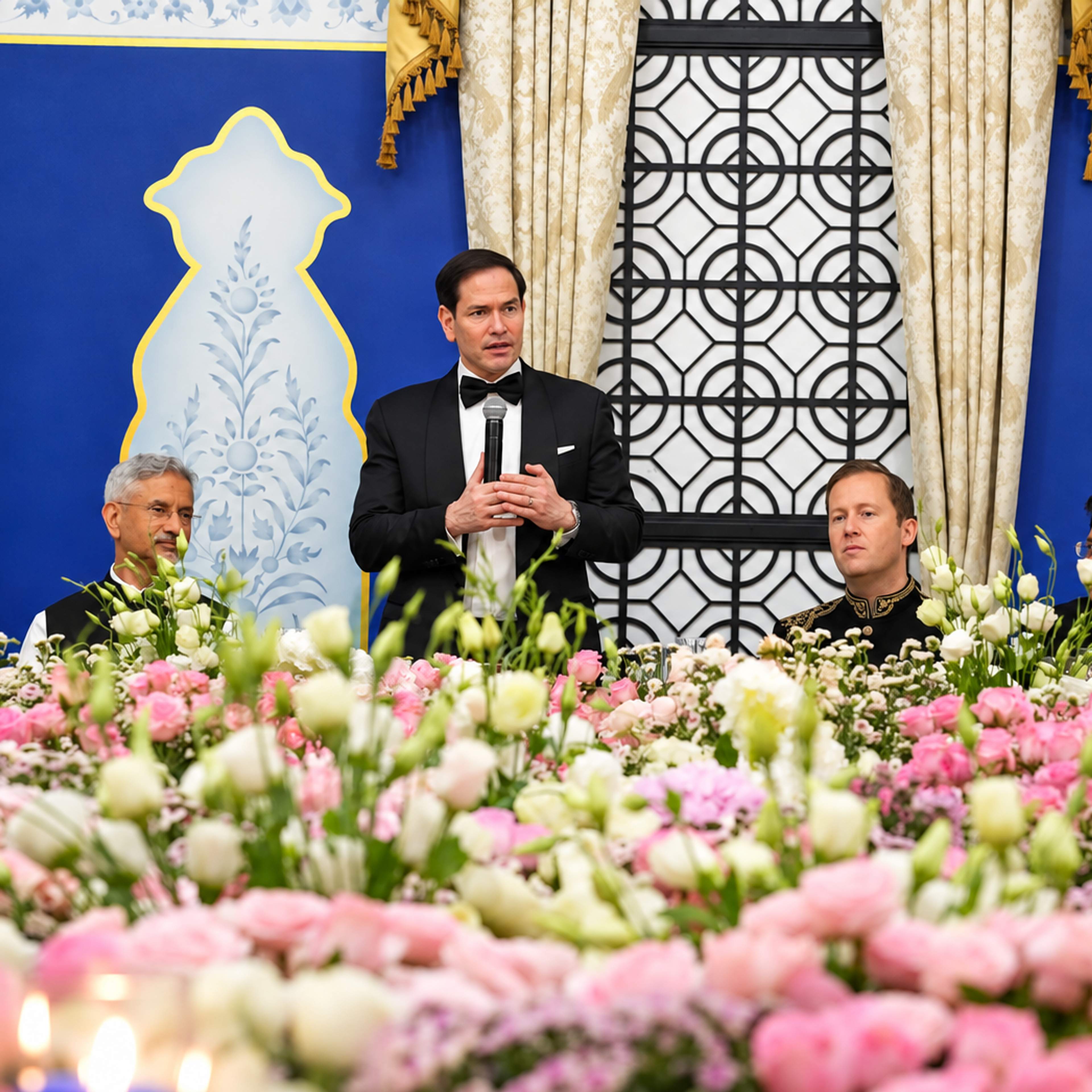
Earlier this week, China’s foreign ministry sanctioned two ministers from Taiwan’s diplomatic allies: Gustavo Villate, Paraguay’s minister of information and communication technologies, and Francis Fonseca, Belize’s foreign minister. Beijing froze any property that they hold in China, barred Chinese individuals and organisations from dealing with them, and denied them entry to the mainland, Hong Kong and Macau. Taiwanese media described it as the first time Beijing had sanctioned officials of Taiwan’s allies.
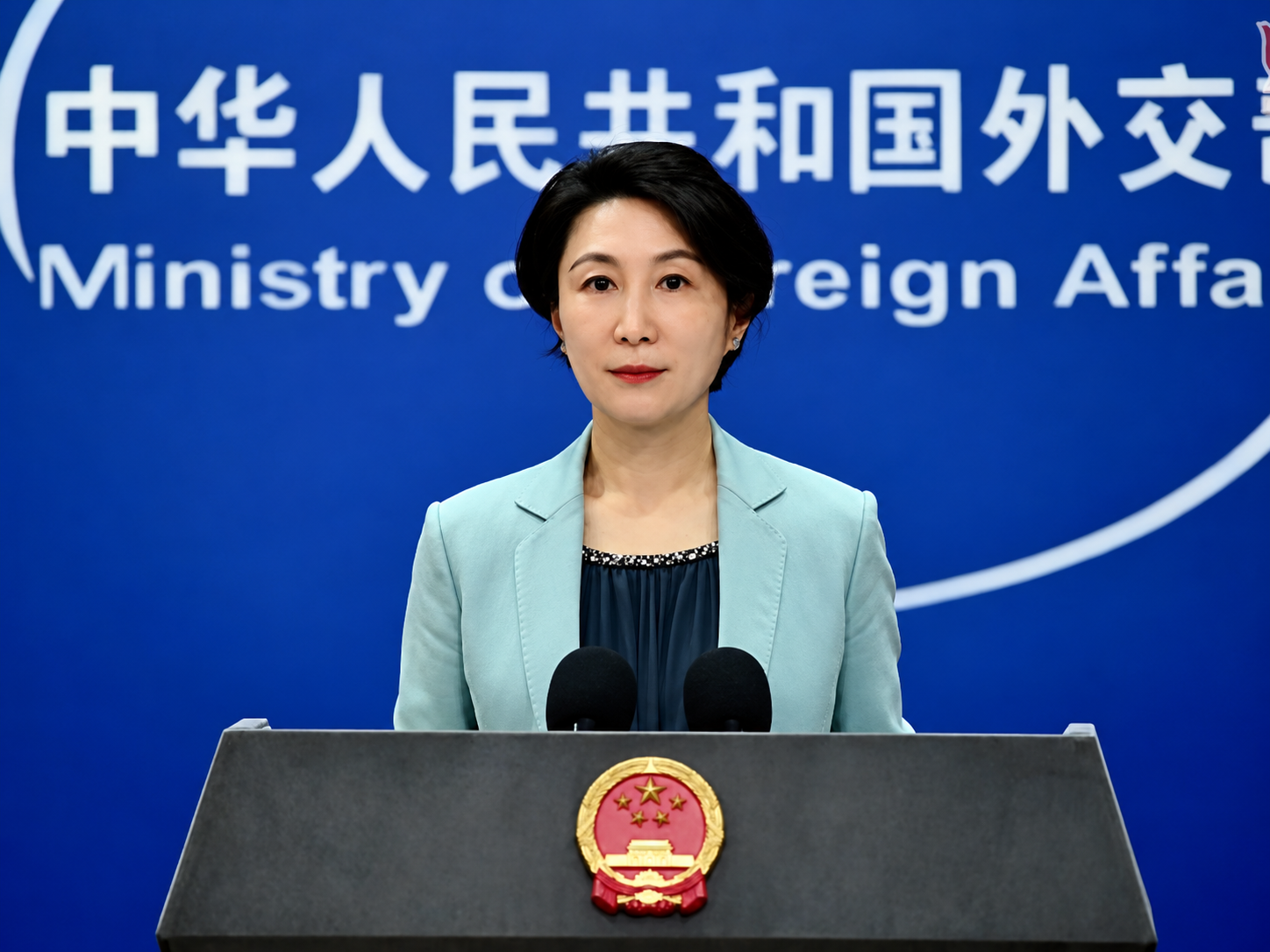
The reason lies in the dispute over Taiwan, the self-governed democracy that Beijing claims as its territory and has not ruled out taking by force. Foreign ministry spokeswoman Mao Ning said the measures were meant to “penalise them and serve as a warning to others”, and accused the two men of being “pawns” of Taiwan’s push for independence. The orders called them “anti-China politicians” acting out of personal interest. She also accused them of visiting the island, hosting Taiwanese officials and spreading “false information” about Chinese cyberattacks.
The announcement came two days after Taiwan’s National Day on October 10, and a day after Villate posted a greeting to the “Government of the Republic of China (Taiwan)”, the island’s official name. Paraguay is the only country in South America that still recognises Taipei. Belize is one of the 12 states worldwide that do, and Guatemala and Haiti are among Taiwan’s other partners in the Americas.
In practice, however, the measures bite very little. Officials from both countries rarely travel to China, and Villate says that he holds no assets there. The sanctions were issued under the Anti-Foreign Sanctions Law, a 2021 statute Beijing has mostly used against Western politicians and defence firms. Applying it to ministers of small Taiwan-aligned states widens its reach.
A defiant reply
Villate answered in a lengthy social media post on Thursday (October 15). “This sanction is, at its core, a certification that what we have been doing since 2023 is the right path,” he wrote. Days earlier he had told the Paraguayan newspaper ABC Color that the sanctions “were to be expected” and called them a “medal of honor”. His post closed with a flourish: “Freedom is not negotiated, frozen or sanctioned. Paraguay is a democracy that decides for itself.”
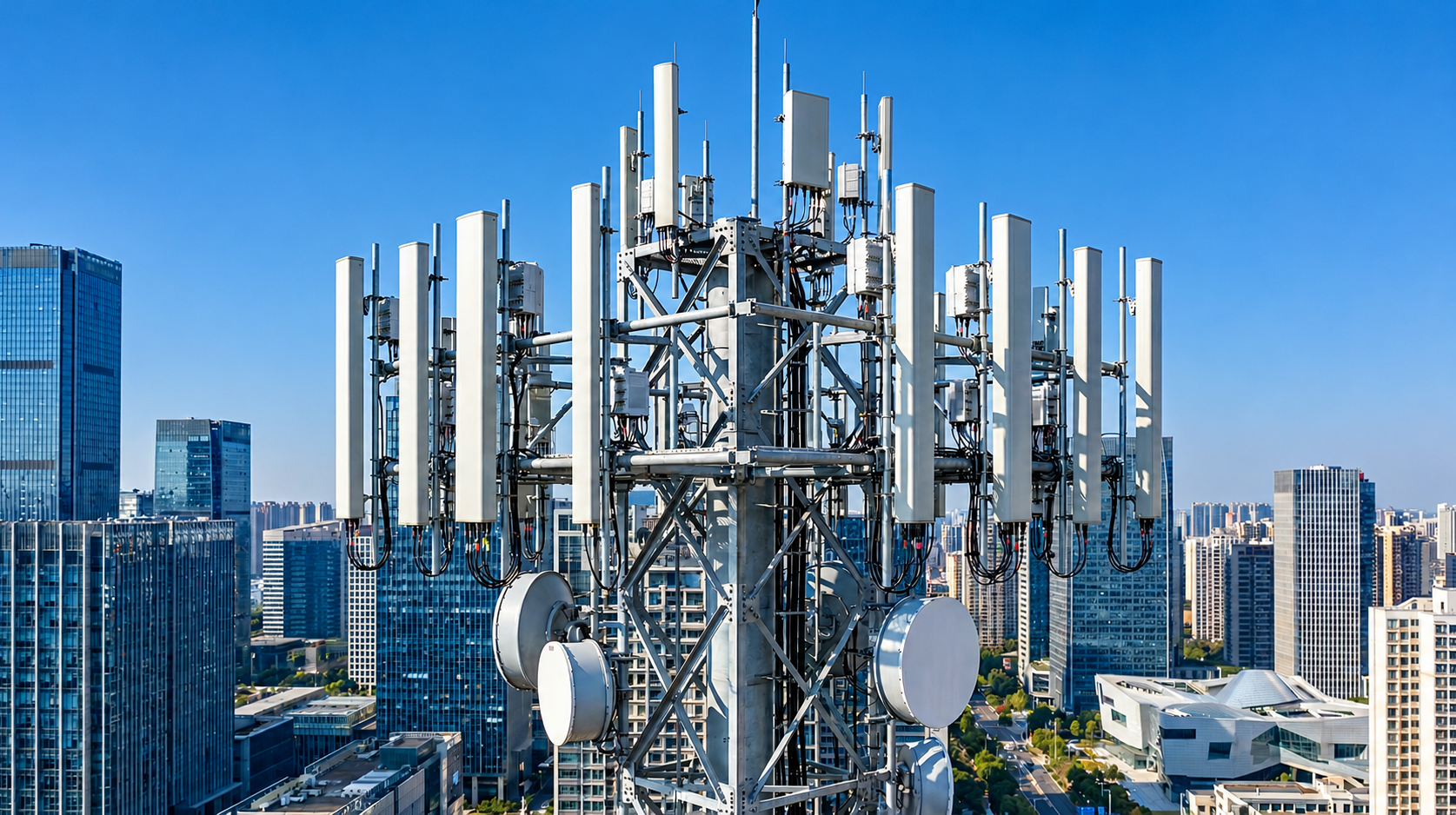
He also suggested that Beijing was protecting Chinese telecoms suppliers kept out of Paraguay’s networks, though the sanctions orders made no reference to 5G or artificial intelligence. The pressure on Paraguay, Villate wrote, was rooted in “technical decisions, not political ones”. He pointed to last year’s 5G auction, run by the telecoms regulator Conatel, which required bidders to present a report from a Paraguayan diplomatic mission in the country where their radio equipment was made. Because Paraguay has no diplomatic relations with Beijing, the rule in practice excluded Huawei and ZTE, the Chinese telecoms equipment makers. Tigo and Personal, the country’s two largest mobile operators and both heavy users of Chinese equipment, stayed out of the bidding, and licences went to Latin American companies Claro and Nubicom.
“If the suppliers left out by our technical, transparent and impartial standards were truly independent private actors,” Villate asked, “why would a foreign government respond by sanctioning a Paraguayan official?” The same test, he said, now applied to a data centre financed by the Inter-American Development Bank, the Washington-based multilateral lender, and to AI, because “supply chain security is national security”.
The project Beijing may be targeting
Much of Villate’s post was devoted to Yguazú Digital, an AI data centre to be run jointly by the two governments. President Santiago Peña, a conservative who took office in August 2023, signed the agreement with Taiwan’s leader, William Lai Ching-te, during a visit to Taipei from May 7-10. Villate says it could become “bigger than Itaipu was in its time”, a reference to the vast hydroelectric dam Paraguay shares with Brazil.
The first phase is far more modest: a 10-megawatt facility due to open by late 2027. Taiwan would supply chips from Nvidia, the US chipmaker, while Paraguay would provide state land and cheap hydropower, according to a June interview with Villate reported by Bloomberg.
SCMP says his ministry estimates the cost at more than US$300 million, while Bloomberg report puts it at nearly US$200 million, a gap that may reflect differing scopes. Villate also told ABC Color that Foxconn, the Taiwanese electronics manufacturer, has been invited to join the hub. He said he would accelerate other joint projects too, including a national health information system he says already runs in 1,000 public facilities. Paraguay and Taiwan will mark 70 years of diplomatic ties in 2027.
An old backdrop
The cyber charge dates from July 2026, when Villate’s ministry and the US embassy in Asunción said a joint review had found several threat actors linked to the Chinese government inside state networks. A similar review in November 2024 had pointed to the China-based group Flax Typhoon. Beijing called the July accusations groundless in a statement from its consulate general in São Paulo, Brazil. US State Department spokesman Tommy Pigott said Washington opposed “coercion and aggression by China against countries in our hemisphere”, and Washington is also a backer of the data-centre plan, with financing talks reportedly involving the US International Development Finance Corporation.
A region turning right
Paraguay’s defiance sits against a wider political shift. Latin America has seen a run of conservative victories since October 2025, when Bolivia’s Rodrigo Paz ended nearly two decades of leftist rule. Chile elected José Antonio Kast in December, and Honduras chose Nasry Asfura after a close vote on November 30. Costa Rica elected Laura Fernández on February 1, 2026. Argentina’s Javier Milei won a crucial midterm in October 2025, and Ecuador’s conservatives prevailed. One April 2026 analysis says that Mexico and Uruguay are among the few left-led holdouts.
Analysts caution against reading too much into this, as these newly-elected governments are likely to follow a line independent of the US, however conservative it may be. Michael Shifter of the Washington-based Inter-American Dialogue think tank argues that it is less an ideological shift than a rejection of governments that fail to deliver, and may not last. Guillaume Long of the UK-based Center for Economic and Policy Research, too, said even Kast is unlikely to follow Washington’s line on China.
Taiwan has its own stake in the trend. Asfura campaigned on restoring ties with Taipei, which Honduras severed in March 2023 under his predecessor, Xiomara Castro. After taking office in January, he launched a review of her China agreements rather than reversing course outright. Beijing has steadily peeled away Taipei’s partners, including Nauru in January 2024, while Paraguay’s powerful farm lobbies have long argued that recognising Beijing would open the Chinese market to their soybeans and beef.
Why Beijing treads carefully
China’s stake in the region is primarily commercial. Trade with Latin America reached a record US$518.47 billion in 2024, and Chinese customs data put 2025 at about US$565 billion, although other Chinese estimates are lower. China is South America’s top trading partner and the leading partner for Brazil, Chile and Peru. In Peru, it has built the Chancay megaport, fully operational since November 2024. Paraguay, which does not recognise Beijing, is largely outside that web, which may be why China’s leverage there is weaker than elsewhere in the region.
That dependence explains why even right-leaning governments tend to separate ideological alignment with Washington from trade with Beijing. The question now is whether China escalates beyond symbolic sanctions, for instance with pressure on Paraguayan exporters, and whether other governments move closer to Taipei or keep their distance. Either way, the episode shows technology supply chains have become a front line in the contest between Washington and Beijing for influence in the Western Hemisphere.