A year after being handed a roadmap to clean up its laboratory-monkey trade, Cambodia has made little progress, the global wildlife-trade regulator CITES has warned, saying it still “cannot confirm or rule out the occurrence of fraud or corruption” in exports that supply medical research laboratories abroad.
The CITES Secretariat, which administers the treaty governing trade in endangered species, issued six recommendations to Cambodia in November 2025. In its latest assessment, dated October 5, it said Phnom Penh had not produced enough evidence that any had been fully carried out.
The findings come before the CITES Standing Committee meets in Geneva from November 2 to 6 to review countries under scrutiny. Those that fail to meet CITES standards can face trade bans.
What is the laboratory-monkey trade?
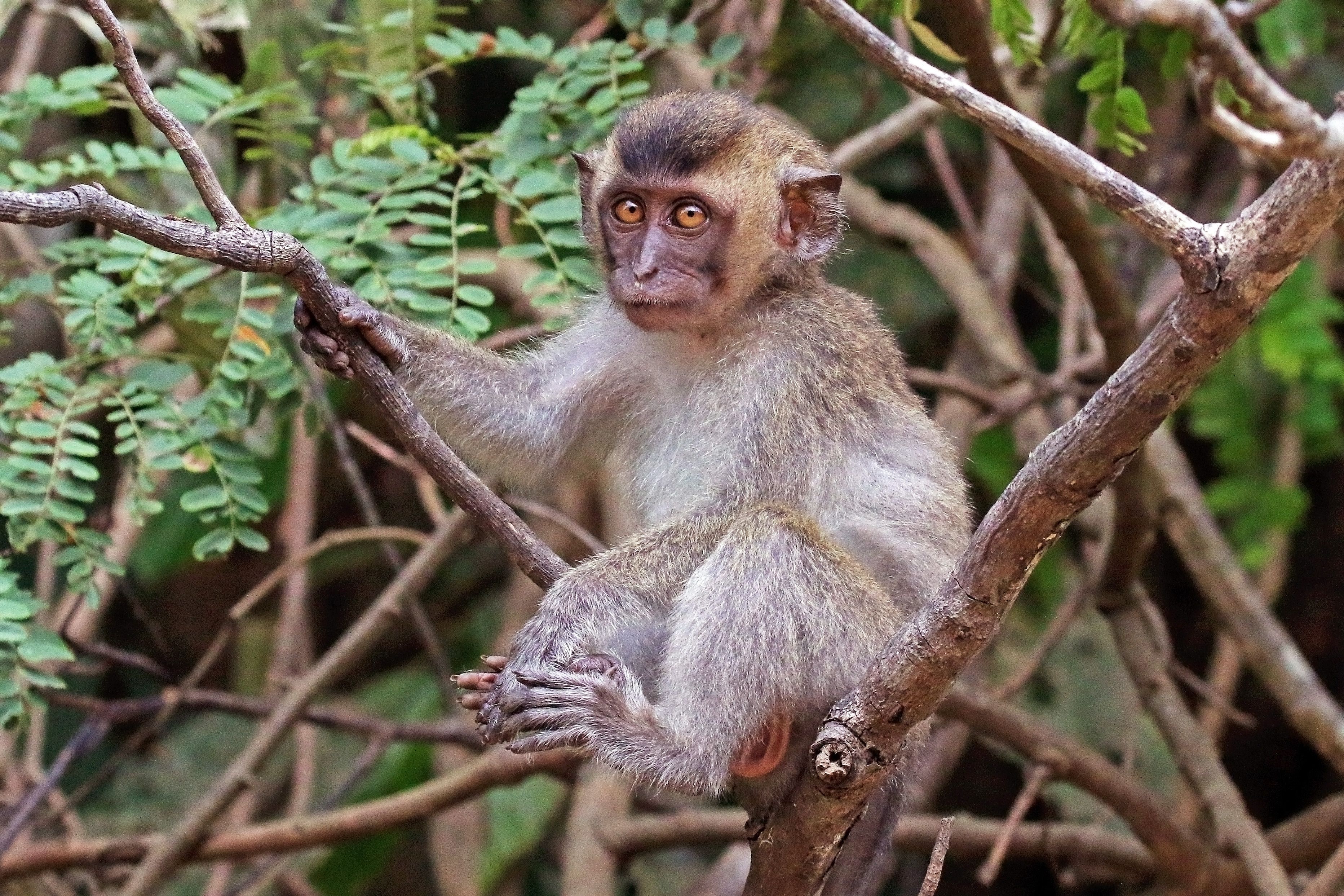
The trade supplies live primates, mostly long-tailed macaques, to laboratories that use them to test drugs and vaccines. The animals are native to Southeast Asia and are the most heavily traded primate used in laboratories. About 95.6 per cent of live exports come from eight countries: Cambodia, China, Indonesia, Laos, Mauritius, the Philippines, Thailand and Vietnam. The United States is a main importer.
Industrial-scale monkey farming took off in the 1990s in Cambodia, China, Laos, Mauritius and Vietnam. Between 2008 and 2019, an estimated 450,000 live macaques were exported from Asia and Mauritius for research and testing, more than 50,000 of them wild-caught.
Wild-caught animals are the weak point. Under CITES rules, captive-bred monkeys can be traded more freely, which creates an incentive to pass poached animals off as farm-bred. Mongabay reports that poachers in Cambodia were paid up to US$200 for a wild monkey, while farms sell macaques to biomedical companies for tens of thousands of dollars each. Conservationists call the practice “monkey laundering”.
How Cambodia became a major supplier
China was the dominant supplier until 2020, exporting roughly 30,000 monkeys in 2018, mostly to the US. It banned exports of the species in early 2020 as companies raced to develop Covid-19 vaccines, and Cambodian exports then jumped by 99 per cent between 2019 and 2020.
Cambodia exported more than 182,000 of the animals between 2020 and 2024, according to the CITES trade database. US trade data show more than 56,000 went to the United States, at a cost of almost US$355 million.
In 2022, US prosecutors exposed what they said was a scheme in which wild-caught monkeys were laundered through Cambodian farms as captive-bred animals. At the time, Cambodian macaques made up about 60 per cent of the roughly 30,000 primates the US biomedical industry imported each year.
The five-year US Fish and Wildlife Service investigation did not secure a conviction. A Cambodian official was acquitted at trial, and no Cambodian official has been held accountable under Cambodian law. Charles River Laboratories, a major buyer, suspended its own sourcing from Cambodia. Cambodian customs data show the US and Canada together imported fewer than 10,000 monkeys, worth US$37.7 million, across 2025 and 2026.
What the regulator found
According to the Secretariat, Cambodia has not updated its 2006 legislation to meet CITES standards. It continues to take macaques from the wild to restock breeding farms without surveying how that affects wild populations. It also appears to treat animals caught in public areas as falling outside the definition of “wild”, a reading CITES says it has rejected several times.
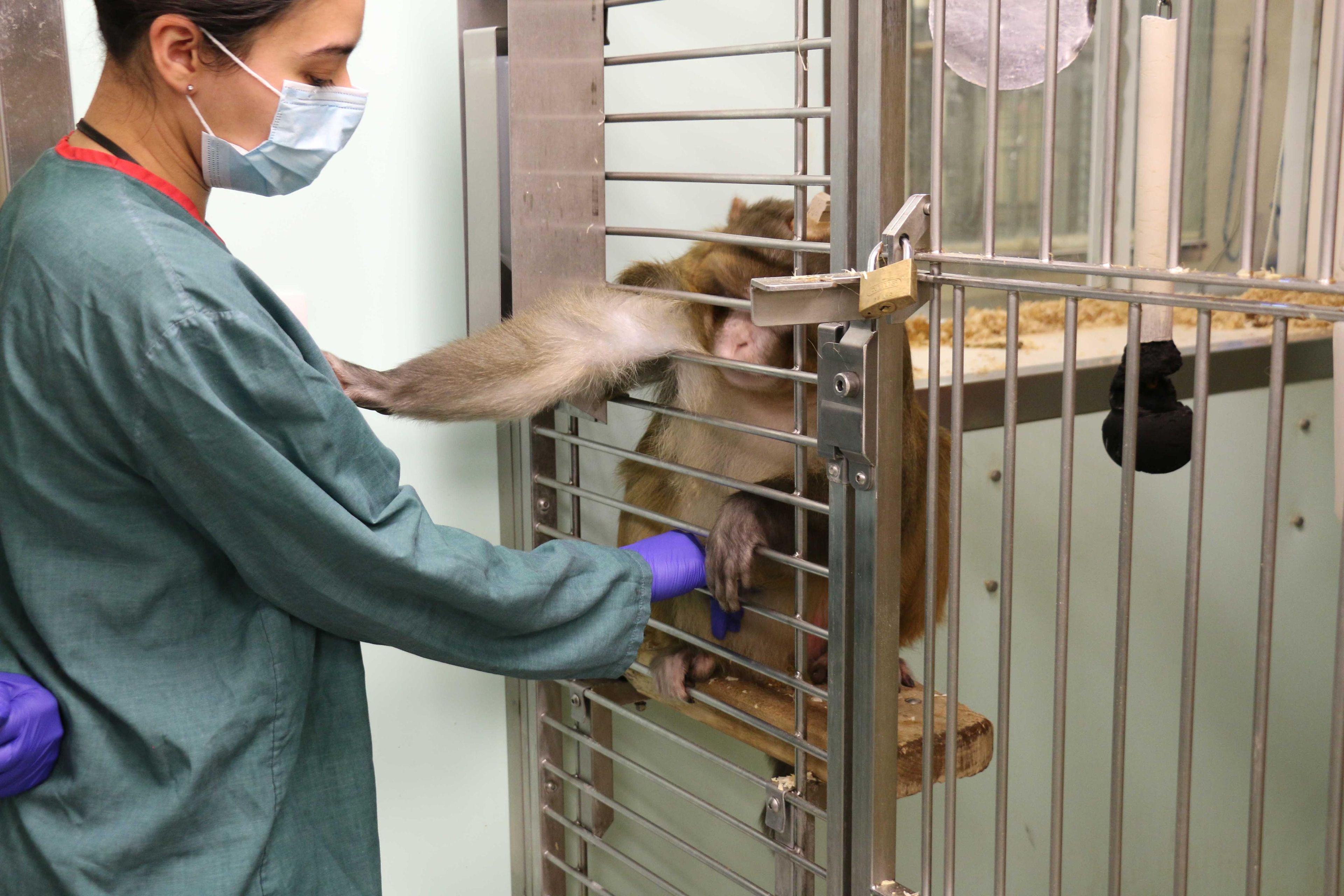
Asked for all its export permits, Cambodia supplied only five samples, which CITES judged too few to show that each monkey’s identification number is recorded. Neck tags carrying those numbers are meant to be destroyed after export, so they cannot be reused to give a wild animal a “captive-bred” pedigree. Cambodia did not say what happens to them, and CITES found they are often left loosely attached to cages. A microchipping programme meant to replace the tags has slipped from the end of 2026 to 2028.
Cambodia’s agriculture ministry said the Secretariat’s statement speaks for itself. Its spokesperson, Khim Finan, told Mongabay that unproven claims are not fact and that the ministry remains focused on cooperating with CITES. CITES said it could not comment on ongoing compliance issues.
What the countries say
Cambodia has largely denied that wild monkeys are being laundered. When CITES recommended suspending its exports in early 2025, it objected, and the proposal was blocked largely by member states that buy the animals. Canada's delegate told the committee that Canadian laboratories buy Cambodian macaques. Poland backed the suspension but accepted a compromise if Cambodia provided written evidence of compliance.
In the United States, a biomedical lobby group, the National Association for Biomedical Research, challenged the macaque’s endangered listing and was the only observer given time to speak when CITES declined to suspend Cambodian exports.
Campaigners allege that Laos was banned from exporting in 2016 for mislabelling wild monkeys, and that thousands of macaques were smuggled from Vietnam to Chinese suppliers between 2018 and 2022. These claims come from PETA, and Chinese, Vietnamese and Lao responses were not available.
An endangered species under pressure
The IUCN upheld the long-tailed macaque’s endangered listing in October 2025 after the industry challenge. Its assessment found that wild populations across the species’ range had fallen by 50 per cent to 70 per cent over three decades. Researchers also warn that wild-caught primates raise the risk of diseases jumping to humans.
The animal-rights group PETA, which has long campaigned against the trade, wrote to US Health Secretary Robert F Kennedy Jr about the findings. Kennedy has voiced support for banning live macaque imports for research but has not changed policy. PETA’s Lisa Jones-Engel said the same weaknesses that allowed monkey laundering remain, and that oversight that never stops the trade ceases to be meaningful.
Whether Geneva acts this time may depend on the importing countries whose laboratories rely on the supply, several of which sit on the committee that blocked a suspension last year.