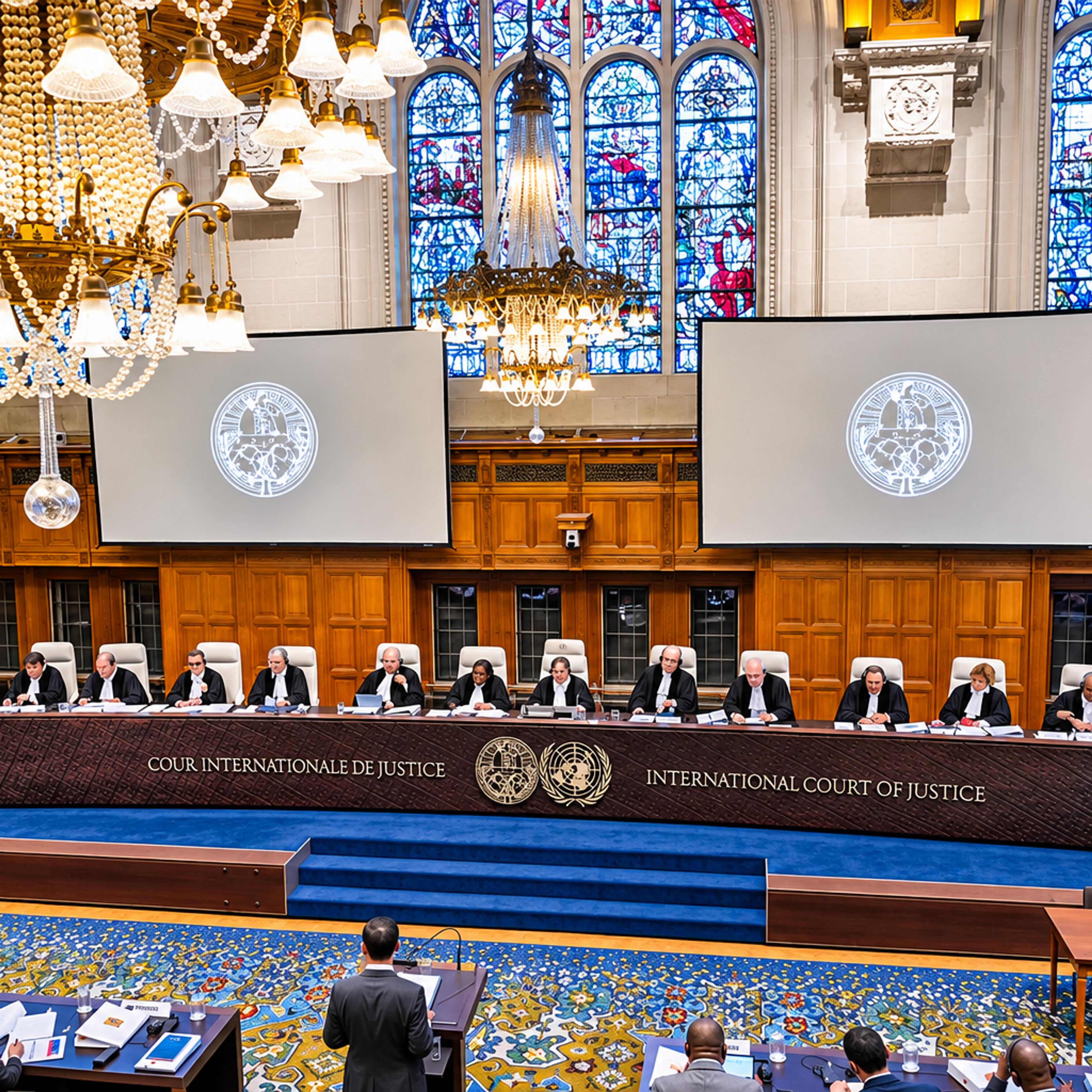
The United States is facing scrutiny over warnings to judges of the International Court of Justice (ICJ) ahead of its landmark ruling on Myanmar’s alleged genocide against the Rohingya, amidst fears that Washington could impose sanctions if the court finds against Myanmar. The potential action, which could target Nobel Peace Prize laureate Navi Pillay, has raised concerns that the Trump administration is seeking to deter the court from establishing a legal precedent that could complicate Israel’s defence against allegations of genocide over its military campaign in Gaza.
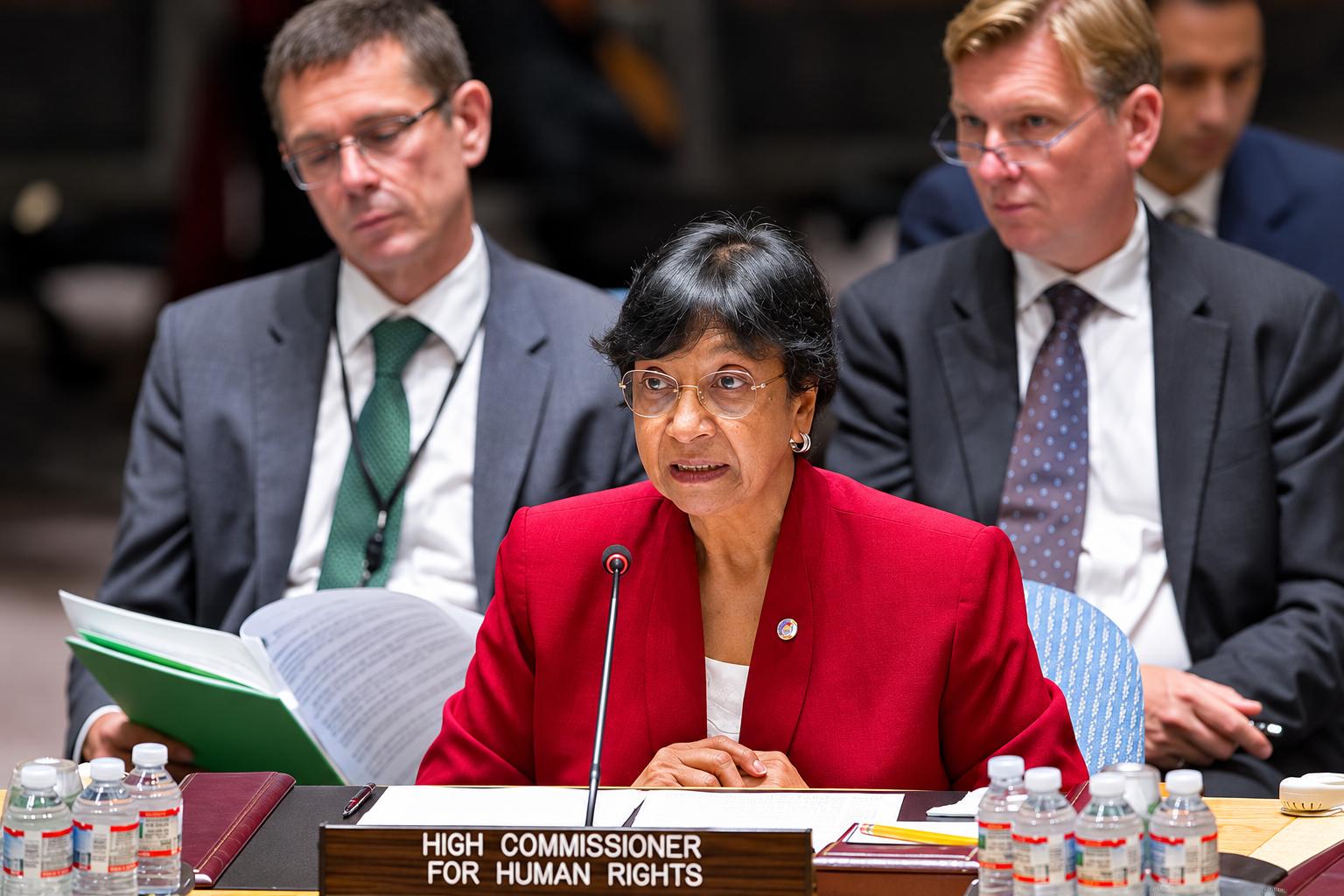
US Ambassador to the United Nations Mike Waltz has accused Pillay of seeking to lower the legal threshold for proving genocide, arguing that such an approach could later be used against American and allied military personnel. He has warned the judges that Washington is watching the proceedings closely.
“We see your agenda, and we'll be watching the ICJ’s handling of these proceedings very closely,” Waltz said in remarks directed at Pillay.
The warnings have raised concerns that judges at the Hague-based court could face political and financial pressure as they interpret the Genocide Convention, the 1948 international treaty adopted to prevent and punish genocide.
Who is Navi Pillay?
Pillay, a South African jurist, has spent decades working in international justice. She became the first black woman appointed to South Africa’s High Court in 1995 and later served as a judge and president of the International Criminal Tribunal for Rwanda. During her tenure, she contributed to landmark legal developments recognising rape and sexual violence as acts that can constitute genocide when committed with the requisite intent to destroy a protected group.
She subsequently served as a judge at the International Criminal Court (ICC) and as UN High Commissioner for Human Rights between 2008 and 2014. She was awarded the 2026 Nobel Peace Prize in October.
Pillay was appointed an ad hoc judge by The Gambia, a provision that allows a party to an ICJ case to nominate a judge when it does not have a judge of its nationality on the bench. She is required to act independently, like the court's other judges, rather than represent The Gambia's interests.
The Rohingya and the genocide case
The case concerns the treatment of the Rohingya, a predominantly Muslim ethnic minority in Myanmar’s Rakhine state who have faced decades of discrimination, restrictions on citizenship and movement, and exclusion from many aspects of public life. Myanmar’s 1982 citizenship law effectively denied citizenship to many Rohingya, leaving large numbers stateless or without recognised legal status.
The crisis escalated in August 2017, when Myanmar’s military launched a sweeping operation following attacks by Rohingya insurgents on security posts. The crackdown was accompanied by reports of mass killings, rape, village burnings and other atrocities. More than 730,000 Rohingya fled to Bangladesh, joining an existing refugee population that has since grown to about 1.2 million in camps around Cox’s Bazar.
The Gambia filed the case in November 2019, alleging that Myanmar had violated the Genocide Convention. In January 2020, the ICJ ordered Myanmar to take measures to prevent acts of genocide, preserve evidence and report on its compliance. Myanmar has denied committing genocide, maintaining that its military operations were directed against insurgents.
Why the judgment matters
The court’s central challenge is to determine whether genocidal intent can be established from the overall pattern of actions. Genocide requires not only prohibited acts such as killing, causing serious bodily or mental harm, deliberately inflicting conditions of life calculated to bring about a group’s physical destruction, preventing births or forcibly transferring children, but also the specific intent to destroy, in whole or in part, a protected national, ethnic, racial or religious group.
The ICJ has never delivered a judgment finding a state responsible for committing genocide. Lawyers representing Rohingya survivors argue that the military’s actions, including killing people as they attempted to flee, demonstrate an intent to destroy the group. The judgment could clarify how evidence of killings, sexual violence, forced displacement and the treatment of children should be assessed collectively when determining genocidal intent.
That legal interpretation is being closely watched in connection with South Africa’s case against Israel over its military campaign in Gaza, in which Israel has rejected allegations of genocide. Washington fears that a broader approach to determining genocidal intent could have implications for the legal scrutiny of its own military actions and those of its allies, particularly Israel.
US sanctions on international courts
Washington has already imposed sanctions on judges of the ICC after the court issued arrest warrants against Israeli Prime Minister Benjamin Netanyahu. The US has also targeted the ICC as an institution, accusing it of acting beyond its mandate and threatening American sovereignty.
The ICJ, however, is a separate institution. It adjudicates legal disputes between states, while the ICC prosecutes individuals accused of crimes including war crimes, crimes against humanity and genocide.
The wider legal implications
Proving genocide requires establishing specific intent to destroy, in whole or in part, a protected national, ethnic, racial or religious group. As governments rarely explicitly declare such an intention, international courts must assess patterns of conduct, official statements and the circumstances surrounding military operations. The Myanmar proceedings could therefore help clarify how evidence of killings, sexual violence, forced displacement and other abuses should be considered collectively when determining genocidal intent.
The implications are particularly significant for Israel, which is defending itself against genocide allegations brought by South Africa at the ICJ in December 2023. The court has issued provisional measures requiring Israel to prevent acts prohibited under the Genocide Convention and facilitate humanitarian assistance to Gaza, but has yet to deliver a final judgment on the genocide allegations. Israel rejects the charges, maintaining that its military campaign is directed against Hamas. The US has also formally intervened in the proceedings to address the interpretation of the Genocide Convention.
The humanitarian crisis facing the Rohingya remains unresolved. Myanmar’s 2021 military coup and the subsequent civil war have further undermined prospects of a safe return. The Gambia has sought to establish Myanmar’s responsibility under international law and secure reparations, guarantees of non-repetition and conditions for the safe return of Rohingya refugees.
The looming judgment is therefore expected to test not only Myanmar's responsibility under international law but also the ability of international courts to operate independently amid mounting political pressure from powerful states.