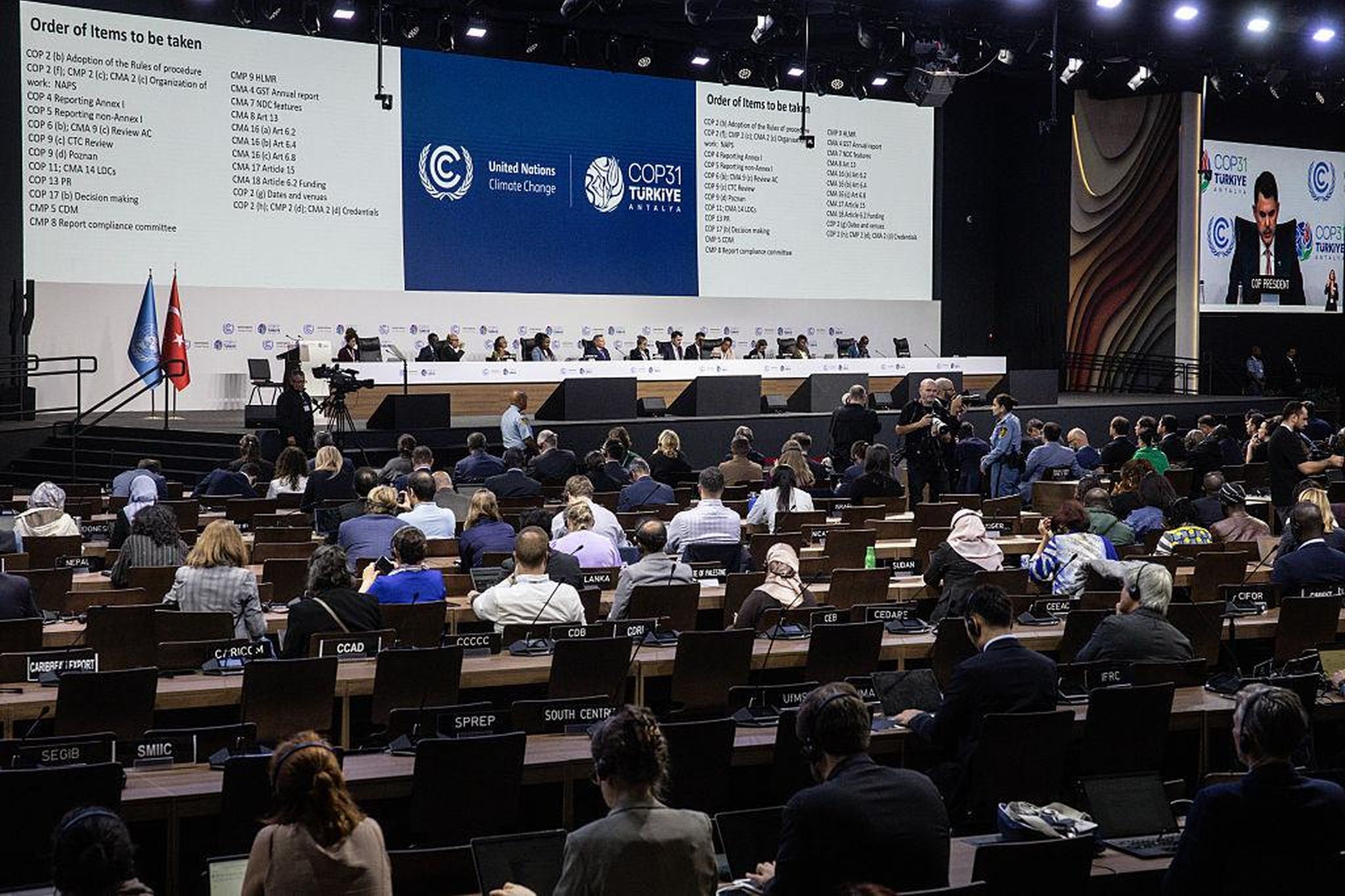
Following a year that saw the world record itFollowing a year that saw the world record its hottest month on record, and with a ‘strongest ever recorded’ El Niño expected in 2027, climate adaptation and resilience finance emerged as a major point of contention at COP31 in Antalya, Türkiye, this month. At COP30, countries had called for efforts to at least triple adaptation finance for developing countries by 2035. But critical questions, such as who would foot the bill, were left unresolved.
For Southeast Asia, one of the world’s most climate-exposed regions, the central question is whether these global ambitions to scale up adaptation finance will finally translate into accessible funding for the communities that need it most.
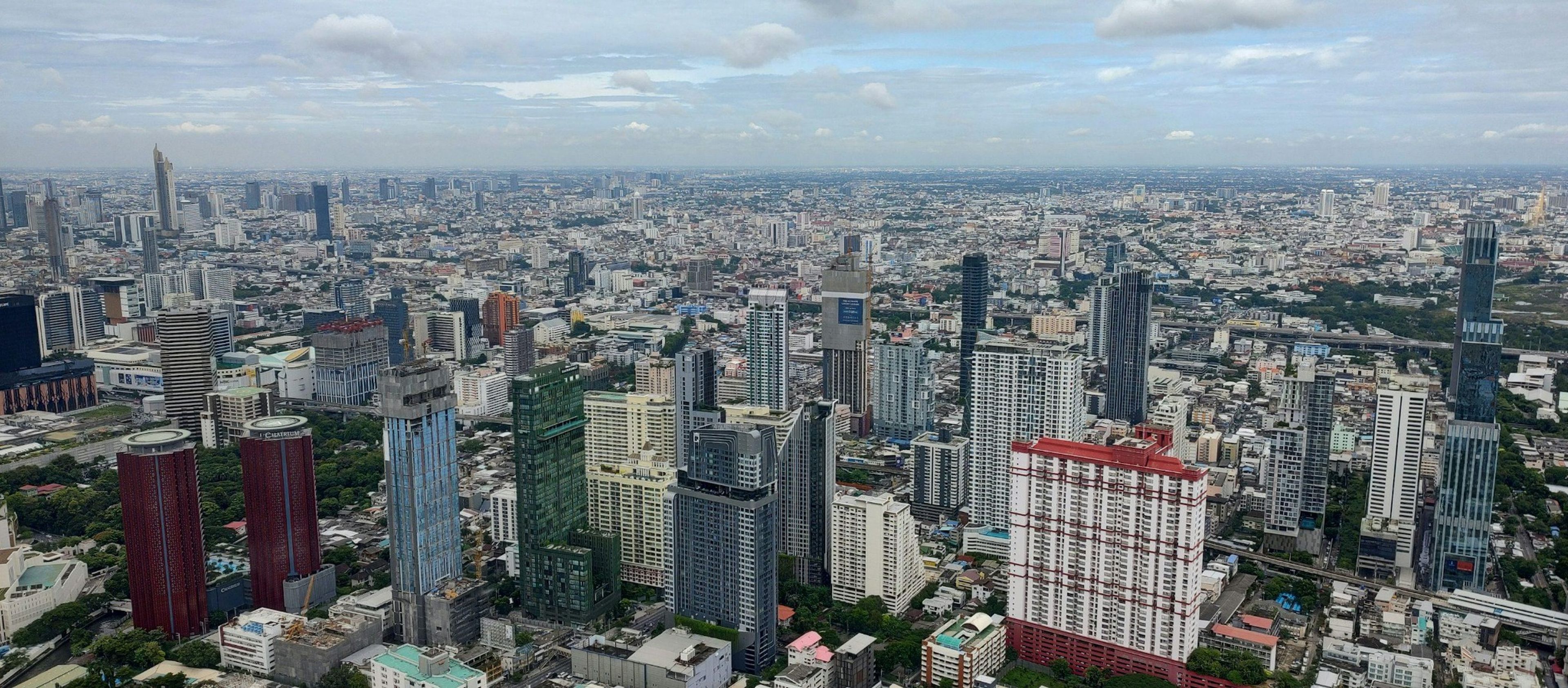
At the city level, Bangkok is offering an example of what translating climate ambition into an actionable financing plan could look like. This October, the Thai capital took an important step towards building climate resilience by introducing a new financial strategy to tackle urban heat during Bangkok Climate Action Week.
Developed by the United Nations Development Programme (UNDP) in collaboration with the Bangkok Metropolitan Administration (BMA), the Financial Strategy on Urban Heat identifies approximately THB 146.3 million ($4.35 million in initial investment needs, alongside a further THB 10.8 million (approximately $321, 000) in annual funding to sustain implementation. Beyond identifying the costs, the strategy also outlines potential ways to mobilise public and private finance.
Bangkok puts a price on urban heat
Thailand’s economy is among those most exposed to climate change. A 2025 World Bank report estimated that even a 1°C rise in Bangkok’s average temperature could result in THB 44 billion ($1.3 billion) in annual wage losses, THB 17 billion ($500 million) in additional electricity costs and more than 2,300 additional heat-related deaths each year. As a major regional manufacturing, logistics and economic hub, the city’s exposure also carries implications for supply chains beyond Thailand. The economic costs are already visible. A three-day flood in Bangkok this September, days before Climate Action Week, was forecast to cause THB 12.3 billion in lost economic activity, with Bangkok accounting for about THB 7 billion, according to the University of the Thai Chamber of Commerce.
The BMA’s new strategy seeks to address such risks.
Bangkok is far from the only city in the region grappling with urban heat, nor is it the first to address it systematically. Singapore launched a National Heat Resilience Strategy, Jakarta has pursued urban greening and climate-resilient planning, while Quezon City in Metro Manila established a dedicated Heat Action Team in 2026. Bangkok’s financial strategy, however, stands out for linking a city-level heat action plan to quantified investment needs, financing instruments and a roadmap for mobilising public and private capital.
“Putting a price tag on a plan is a useful step,” said Shu Xuan Tan, sustainable finance analyst at the US-based Institute for Energy Economics and Financial Analysis (IEEFA) and co-author of its recently published report Scaling Adaptation Finance in Southeast Asia. “Other cities can learn from this by costing their plans, tracking climate spending and funding running costs,” he told NWS. Tan noted, however, that Bangkok has far greater fiscal capacity than many other cities in the region.
Identifying the money needed, however, is only part of the challenge; securing and sustaining it are the rest. This was a recurring theme at the inaugural Xingu Finance Talks, convened by the COP30 Presidency in Bangkok on the sidelines of the IMF-World Bank Annual Meetings, about a week after the unveiling of the city’s heat financing strategy. Bringing together climate negotiators, finance ministries and development banks, the talks repeatedly returned to the same diagnosis: the cost of capital is highest where the needs are greatest, while spending on resilience and adaptation rarely brings commercial returns. The incoming COP31 Presidency of Türkiye echoed the concern.
Why adaptation struggles to attract finance
The challenge of finding money for adaptation – measures addressing the actual and anticipated impacts of climate change – is not new, climate adaptation and risk finance expert Architesh Panda told NWS. Historically, climate finance has been directed towards mitigation efforts, which address the causes of climate change, such as greenhouse gas emissions and global warming. Investment in climate mitigation across Southeast Asia, particularly in renewable energy and rooftop solar, is currently booming. Thailand has just allocated THB 50 billion (approximately US$1.5 billion) to support household rooftop solar installations. Vietnam had more than 11.4 GW of installed rooftop solar capacity by August. Across the region, clean-energy investment has risen by 60 per cent since 2015, according to the International Energy Agency.
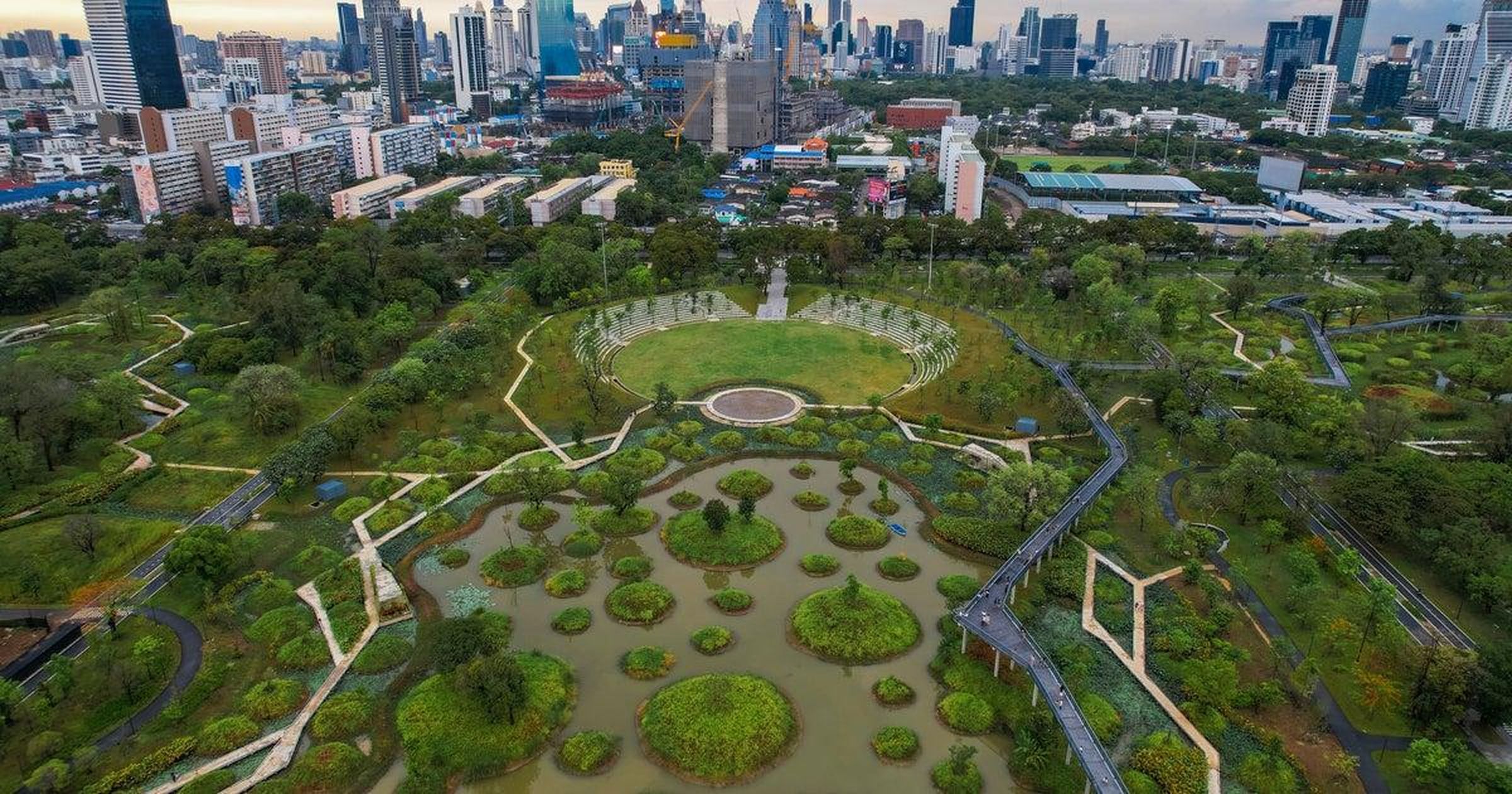
Adaptation finance, which often lacks a linear revenue stream and therefore offers no direct financial returns, is a tougher pitch. “It’s much easier to sell electric vehicles and solar panels to private investors than to market the benefits of avoided losses, the wellbeing of populations and protected livelihoods. None of these generate direct financial returns, are much harder to measure and take a long time to realise,” Panda pointed out. Shaded walkways and parks can reduce local temperatures, improve public health and enhance residents’ physical and mental wellbeing. But these benefits do not necessarily generate a direct revenue stream for the investor funding their development or maintenance.
This encapsulates the core challenge of adaptation finance, Panda says: the lack of ‘bankability’, or the ability to attract investment based on financial viability and returns. This is reflected in global climate finance, which reached $1.9 trillion in 2023, but allocated only $65 billion (Around four per cent) to adaptation, according to IEEFA’s report. Southeast Asia followed the same pattern. Of the US$27.8 billion it received in climate finance between 2018 and 2019, only 12 per cent went towards adaptation, according to a recent report by IEEFA co-authored by Tan. The report says the region’s adaptation finance shortfall is further exacerbated by varied institutional capacity, fiscal pressure and heavy reliance on international financing.
From climate plans to finance-ready projects
Most of Southeast Asia now has a National Adaptation Plan (NAP), Tan said. Cambodia, Indonesia, Laos, the Philippines, Thailand, Timor-Leste and Vietnam have already submitted theirs. Brunei released its plan in 2025, Singapore is expected to publish one in 2027 and Malaysia is developing its own. This suggests growing recognition of the region’s climate vulnerability, Tan said.
But having a plan is not enough. “A plan matters when it is linked to the budget and translated into a pipeline of costed projects. Without that, it remains a policy document,” Tan said. The quality of these plans also varies. “Some remain broad statements of intent, while others set out specific measures, assign responsibilities to agencies and include timelines. Some countries lack detailed climate-risk data; others have no single agency with the authority and budget to lead adaptation, which typically cuts across several ministries,” Tan added.
Presenting a recent study on policy barriers to climate finance flows in Asia at Climate Action Week, Corrado Topi, lead of the Centre for Finance for Sustainability at SEI Asia, identified capacity constraints and a lack of expertise as major barriers to mobilising private finance for climate adaptation. Capacity, he argued, enables countries to turn national priorities into finance-ready proposals, assess risks and navigate the complex procedures involved in accessing international funds. It also helps build the ecosystem needed to attract and manage private investment.
IEEFA’s report on Southeast Asia finds that adaptation project proponents in the region often lack solid climate-risk assessments, hydrological studies, engineering designs and socio-economic analysis showing exactly how a proposed intervention would reduce vulnerability. “Without this evidence, quantifying benefits, evaluating cost-effectiveness or justifying the scale of investment required is challenging,” the report notes. Several adaptation proposals are rejected by development banks and climate funds simply because of “insufficient data, unclear baselines or poorly articulated theories of change”.
At city level, these constraints leave municipal governments struggling to commission the studies, prepare the proposals and meet the requirements needed to access finance.
Finding the right financing mix
In 2022, under its Green Towns Programme, Singapore’s Housing and Development Board (HDB) introduced a pilot scheme applying heat-reflective coatings to the roofs of public housing blocks in Tampines, in the east of the city-state. A trial across about 130 blocks found that the coatings could reduce ambient temperatures by up to 2°C. The initiative was subsequently expanded to other HDB estates, with the aim of covering all existing towns by 2030. In 2025, the government committed an additional $60 million (roughly $44 million) to the rollout, at no cost to residents.
Panda points to the scheme as an example of why public financing remains essential for adaptation. “Despite the push to attract private investors, public finance will always be important because adaptation measures frequently generate public goods, benefiting entire communities rather than individual investors,” he says. “These measures often benefit marginalised communities, which face some of the greatest climate risks but have the least financial resources, political influence and institutional access,” he adds.
But Singapore is an outlier. Unlike most countries in the region, it is a city-state and one of the world’s wealthiest nations. Other governments with tighter fiscal constraints, such as Cambodia, Indonesia, Laos and Thailand, which lack dedicated national adaptation budgets, have to balance climate resilience and adaptation spending alongside other urgent priorities, including healthcare, education, poverty reduction, infrastructure and post-pandemic debt burdens, Panda and Tan emphasise. “This creates a financing gap and strengthens the case for international climate finance and private-sector participation,” Tan says.
Bangkok’s heat strategy attempts to bridge this gap by proposing a mix of public budgets, international climate finance and targeted private-sector participation. Most measures identified are public goods with little revenue-generating potential, making them better suited to public finance, which remains the main source of funding. Private-sector involvement is envisaged for specific interventions – water-spray and misting systems at mass-transit stations, elevated walkways and cooling rooms in public facilities – rather than the entire adaptation programme.
Ultimately, adaptation projects fall along a “spectrum of bankability”, Panda says. “At one end are public-good interventions that require predominantly government funding. Further along are projects with some revenue-generating potential, which may be suitable for blended finance. At the other end are commercially viable projects capable of attracting conventional private investment.” The task for governments and development banks is to assess where each project sits on this spectrum and identify the appropriate financing mix.
Blended finance can help make some of these projects more attractive to private investors, says Devjit Roychowdhury, an independent climate finance adviser based in the region. “Public and/or concessional funding can help address risks or financing gaps that private investors are unwilling to take on,” he tells NWS. “So grants can, for instance, cover project-preparation costs, concessional loans can lower financing costs, guarantees can reduce credit risks, and first-loss capital can absorb initial losses,” he adds. Such an approach can not only improve a project’s risk-return profile but also help attract commercial investment.
The test ahead: turning COP31 commitments into finance
Bangkok’s strategy offers a practical example of how cities can begin to translate climate priorities into costed investment plans. But identifying financing needs and potential sources is only a first step. Turning those plans into action also depends on cities’ capacity to prepare projects and access funding.
That challenge goes beyond Bangkok. Discussions at the Xingu Finance Talks exposed a fundamental tension at the heart of the adaptation finance debate: while development banks and international organisations increasingly emphasise private investment, participants from developing countries stressed that it cannot replace public investment, grants and concessional finance. They also cautioned against allowing the Paris Agreement’s goal of aligning global financial flows with climate objectives under Article 2.1(c) to overshadow developed countries’ obligations to provide climate finance to the developing world under Article 9.
Southeast Asia’s reliance on external capital underscores the problem. Between 2018 and 2023, international and regional investors accounted for 66 per cent and 28 per cent of blended climate-finance commitments in the region, respectively, while domestic sources contributed only around six per cent on average, according to IEEFA’s report. Vietnam and Singapore are notable exceptions. The figures point to the need to mobilise more domestic capital alongside international finance.
There is also scope to make better use of existing financial systems, Roychowdhury says. “A 2026 study by the Asian Infrastructure Investment Bank finds that green and sustainability bonds already finance projects that contribute to climate adaptation, but this spending is often embedded within broader categories and not explicitly identified as adaptation finance,” he points out. Better identifying and reporting these investments could help make adaptation more visible to financial institutions and investors, and create more ways to channel existing capital towards resilience.
The proposed Antalya-to-Addis Ababa Roadmap on Adaptation and Resilience Finance could offer another avenue. Included in the draft COP31 decision, the roadmap is intended to identify predictable and scaled-up public sources of finance for adaptation and loss and damage, as well as mechanisms to improve access. A report on its work is expected to be considered at COP32 in 2027. But its effectiveness will depend on whether it can move beyond identifying funding sources to addressing the persistent barriers that prevent developing countries and their cities from accessing finance.
For Southeast Asian cities, therefore, the test of COP31 will be whether its commitments translate into the public, concessional and private funding, as well as the capacity-building support, they need to put their adaptation plans into practice. The proposed roadmap could help address some of these gaps, but it will need to deliver clearer pathways to predictable finance and easier access. Without these, strategies such as Bangkok’s may be costed, but they will remain largely on paper, while the costs of climate impacts continue to burden already fiscally constrained local governments and communities.