Italian Prime Minister Giorgia Meloni applied on Monday (October 5) to trademark her own voice as a defence against AI deepfakes. On the same day, a report found that 50 Members of the European Parliament (MEP), 46 of them women, have appeared in or been linked to AI-generated pornography. With the EU’s ban on “nudifier” apps due to take effect on December 2, less than two months away, both cases show how far enforcement lags behind lawmaking.
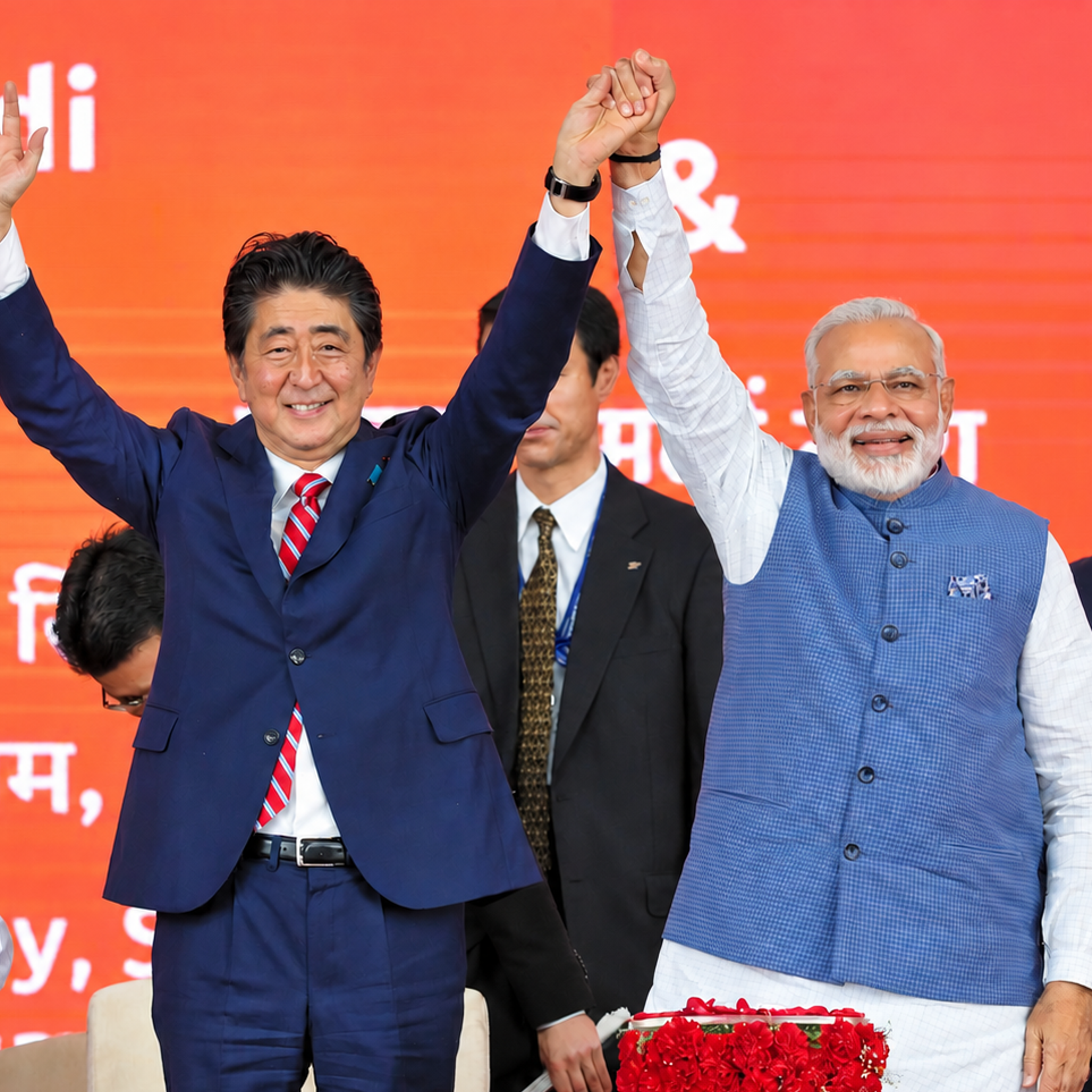
Sexually explicit deepfakes have also hit public life in India, where a court ordered Meta to remove AI-morphed images of a woman alongside Prime Minister Narendra Modi. The affected MEPs have called for strict enforcement of the nudifier ban and of the rules on other digital sources of deepfakes, while the Indian government is strengthening its rules against AI-generated abuse. Governments from Brussels to New Delhi have written rules to contain the abuse, but the cases show how far enforcement trails.
Fifty MEPs targeted
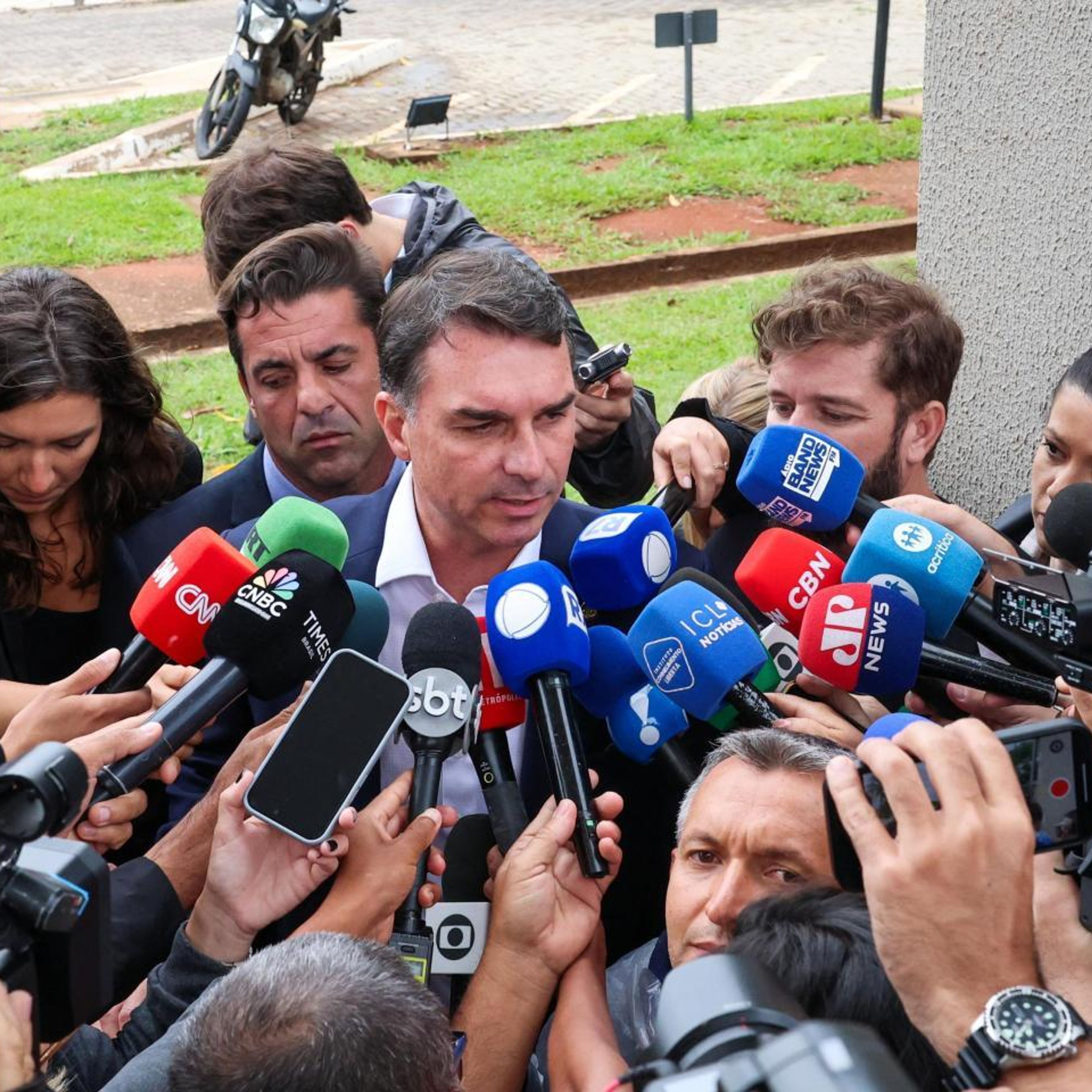
Fifty MEPs, including 46 women, have been targeted by deepfake pornography, according to a report by Agora Digitale Transformation (ADT), a Germany-based civil society group. That means roughly one in six female MEPs has been affected. Deepfake pornography is sexually explicit material created with generative AI, often without the subject’s consent. The researchers searched every MEP’s name across 200 sites known to host such material. The cases include content that can be accessed directly, listings that link MEPs’ names to nudifier apps, and indexed content from sites since taken down by courts.
Politicians cannot easily keep their images off the internet, so they are hard to shield from nudifier apps, said the report’s lead researcher, Benjamin Shultz.
On September 30, a cross-party group of 119 MEPs wrote to EU leaders demanding effective enforcement of the ban and a prompt resolution of the Commission’s investigation into X. The Commission opened that probe in January over the risks created by the deployment of Grok, including its role in generating and spreading manipulated sexually explicit images and other potentially illegal content. Lena Schilling, an Austrian Greens MEP who helped initiate the letter, told Politico there can be no loopholes or delays.
The report argues that enforcement must reach beyond the app makers. Shultz said the Commission needs to hold accountable every entity that enables the nudifier industry, at times inadvertently, including payment processors and domain registrars. The report also recommends that the Commission look into getting search engines to de-index nudifier websites, removing them from their indexes.
Meloni’s voice
On Monday, Meloni applied to the European Union Intellectual Property Office (EUIPO) to register her voice as a trademark. The filing is a four-second clip of her saying “Io sono Giorgia Meloni”, echoing the line from a 2019 rally speech that went viral as a disco remix and gave its name to her 2021 autobiography.
Meloni has been targeted for years. She launched legal action in 2024 over alleged pornographic deepfakes made with her likeness, and more sexualised AI images of her circulated online in May. In a social media post that month, she said deepfakes can “deceive, manipulate and target anyone”. “I can defend myself. Many others cannot,” she added.
The trademark has its limits. If approved, it could give her additional legal grounds to challenge unauthorised commercial uses of the recording. It would not give her blanket control over AI imitations of her voice or make deepfakes a criminal offence. The application is under examination.
Deepfakes in India
On September 25, the Delhi High Court directed Meta to remove, within 24 hours, morphed, AI-generated explicit images of an unnamed woman alongside Modi, and ordered police protection for her, according to reports of the hearing. Justice Girish Kathpalia called the matter “extraordinary” because it involved both the woman and the Prime Minister. The court also asked Delhi Police for a status report within a week, and the case returns to court on October 14. The woman has asked the court to have the content traced, blocked and purged from pornographic sites and mirror domains, not only from social media.
Governments struggling
Over the past two years, governments have reached for very different weapons against the same threat: make fakes identifiable, make platforms remove them fast, or give people legal ownership of their own faces and voices. None has yet delivered quick relief to victims.
Brussels has gone after both the fakes and the tools that make them. The amended AI Act, whose provisions began taking effect in 2026, requires deepfakes to be disclosed as artificially generated. From 2 December it also prohibits AI systems that generate or manipulate non-consensual sexually explicit or intimate material involving identifiable people. With the Grok investigation, that sharpens Brussels' approach. But the MEPs’ letter shows where the worry now lies: not in writing the law, but in enforcing it without delay.
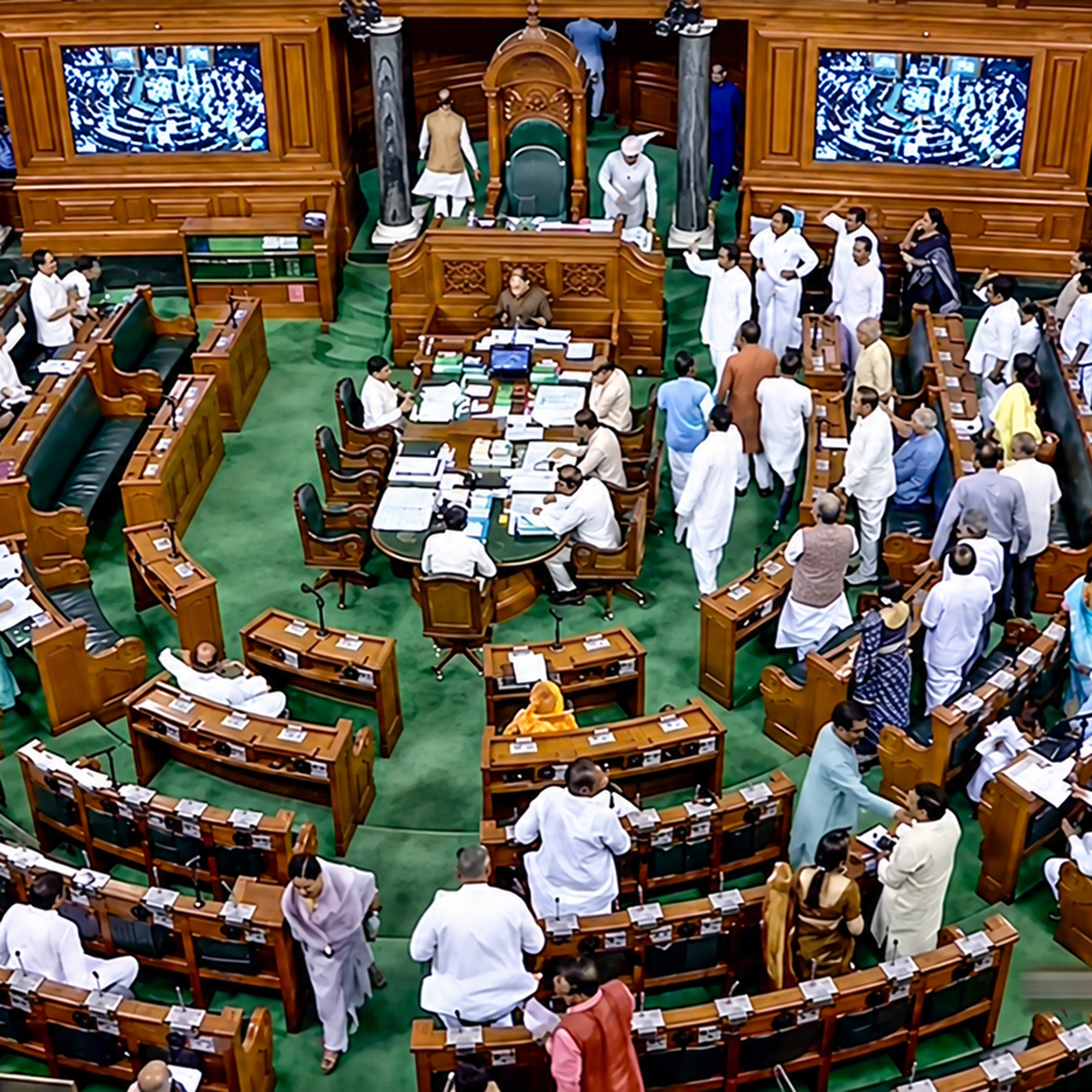
New Delhi has leaned on the platforms. The IT Ministry’s amendments, notified on February 10, 2026, bring “synthetically generated information”, including deepfakes, within intermediaries’ due-diligence duties. Synthetic content must be prominently labelled, with traceable metadata for permissible AI-generated content. The stick is safe harbour, the legal immunity that lets platforms host user content without liability. Platforms that fail to comply risk losing that protection under Section 79 of the IT Act. The rules also cut the takedown deadline for unlawful information, in specified circumstances, from 36 hours to three. The government says they also cover non-consensual intimate imagery and impersonation.
The US has paired criminal law with speed. Its Take It Down Act, signed in May 2025, bans the non-consensual publication of explicit images, including AI-generated ones. It requires platforms to remove such content within 48 hours of a valid request, an obligation enforceable since May 19, 2026. South Korea has focused on transparency: its AI Basic Act, in force since January, requires companies to label AI-generated content, including realistic synthetic audio, images and video. The UK’s Crime and Policing Act 2026 has introduced offences targeting nudification tools and tightened platforms' duty to remove non-consensual intimate images within 48 hours.
Why takedowns fall short
Stopping deepfakes from spreading is genuinely hard, and the difficulty is not just removing the original. Once created, a deepfake can be copied, mirrored and redistributed across platforms and jurisdictions faster than victims, platforms or authorities can take it down. A single image or video can quickly surface on social media, pornography sites, messaging platforms, file-sharing services and overseas websites, often with no clear link to its creator. Removing one version does not guarantee that others will disappear. Victims face a relentless cycle of reporting, takedowns and re-uploads, while differences in national laws and enforcement make cross-border removal harder still.
Unless strict, full-spectrum action covers every service provider involved in creating and distributing deepfakes, the menace will continue. The laws exist, yet a woman in India had to go to the High Court to have explicit images removed from Meta’s platforms, and MEPs are asking Brussels to guarantee enforcement of a ban that has yet to take effect. For ordinary victims, laws matter only as fast as they can be enforced. For creators and platforms, making and distributing deepfakes must become difficult and costly, drawing immediate and substantive punishment, including heavy fines, jail terms and long-term bans.