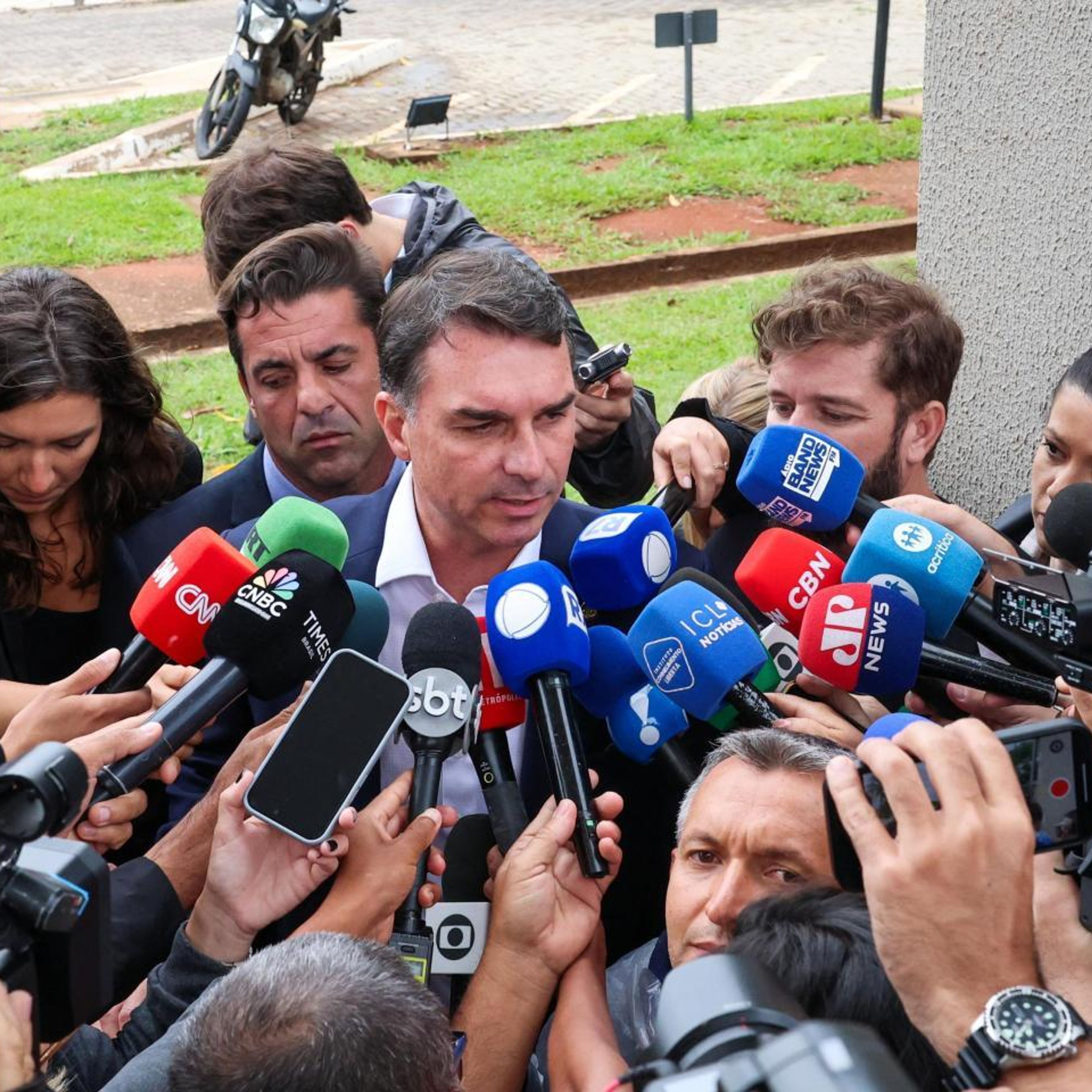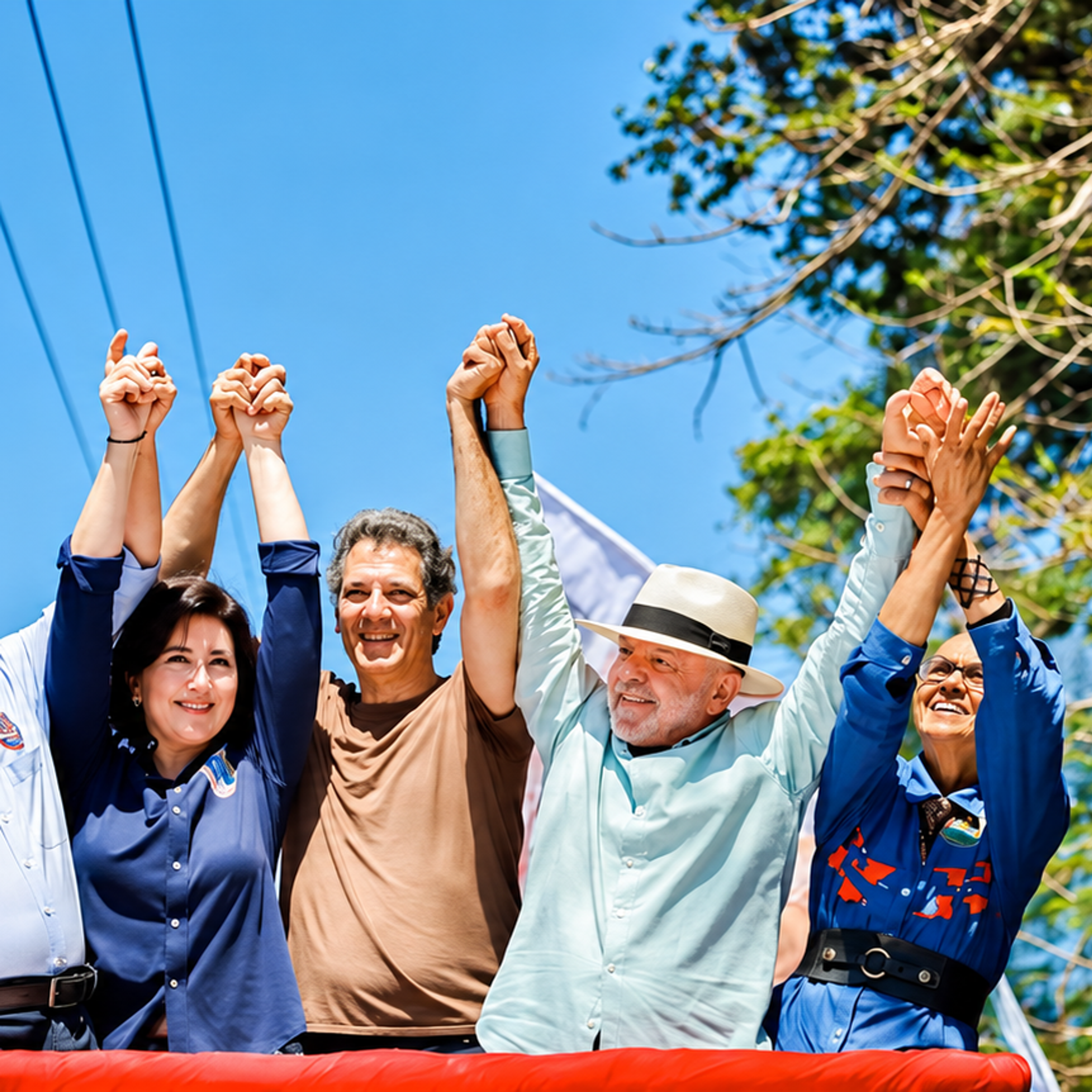
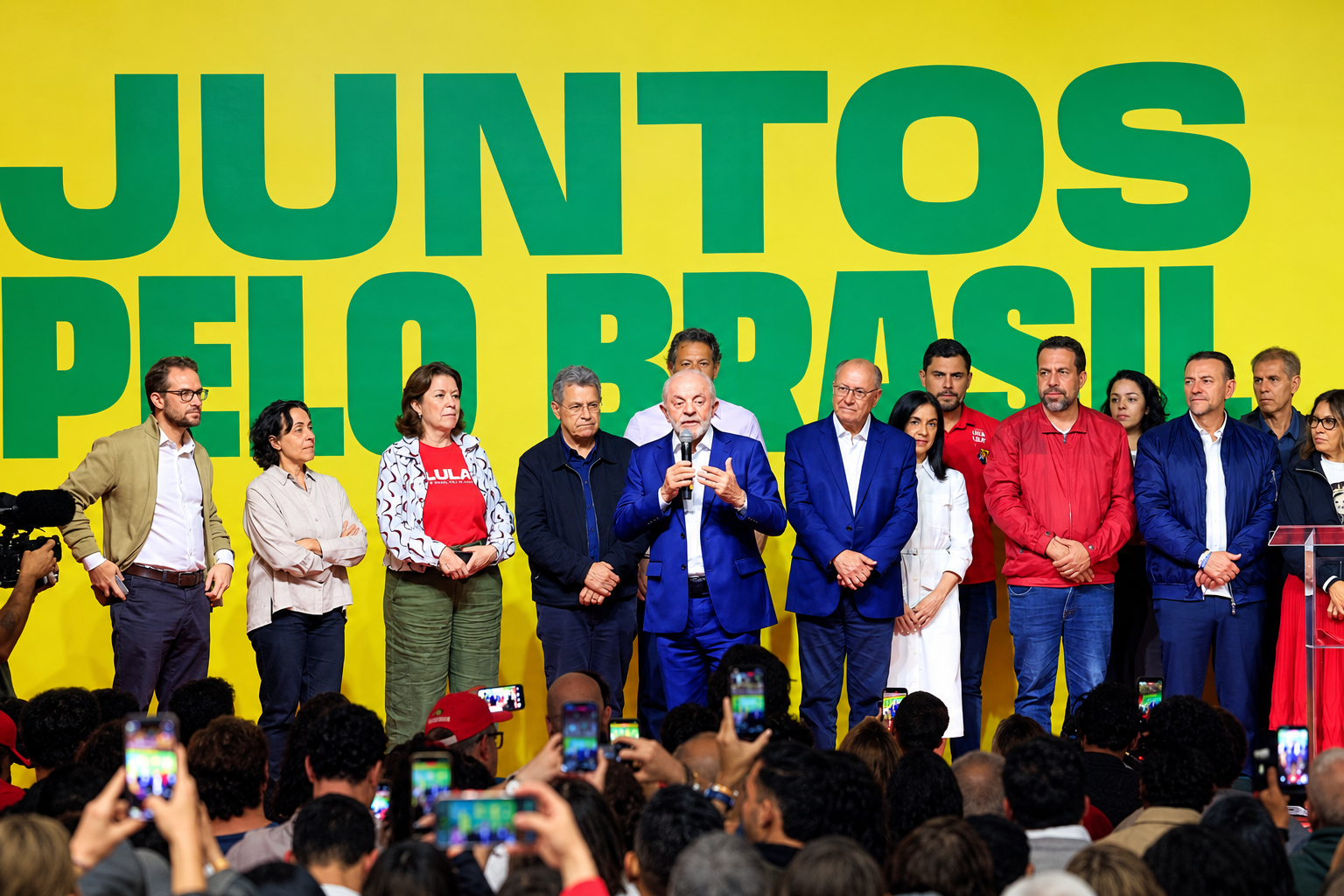
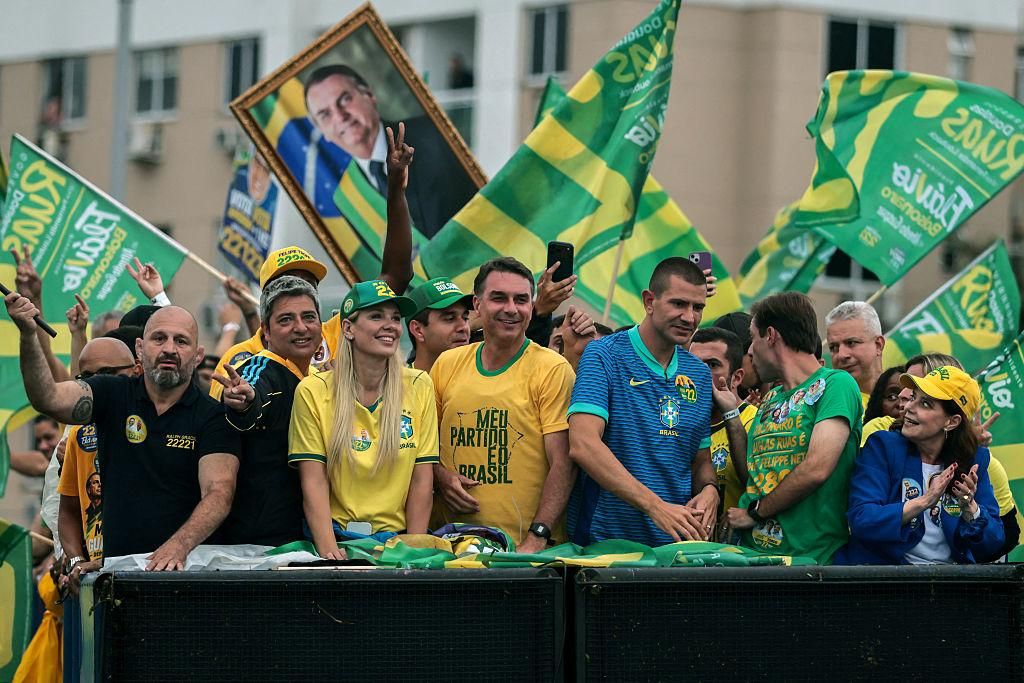
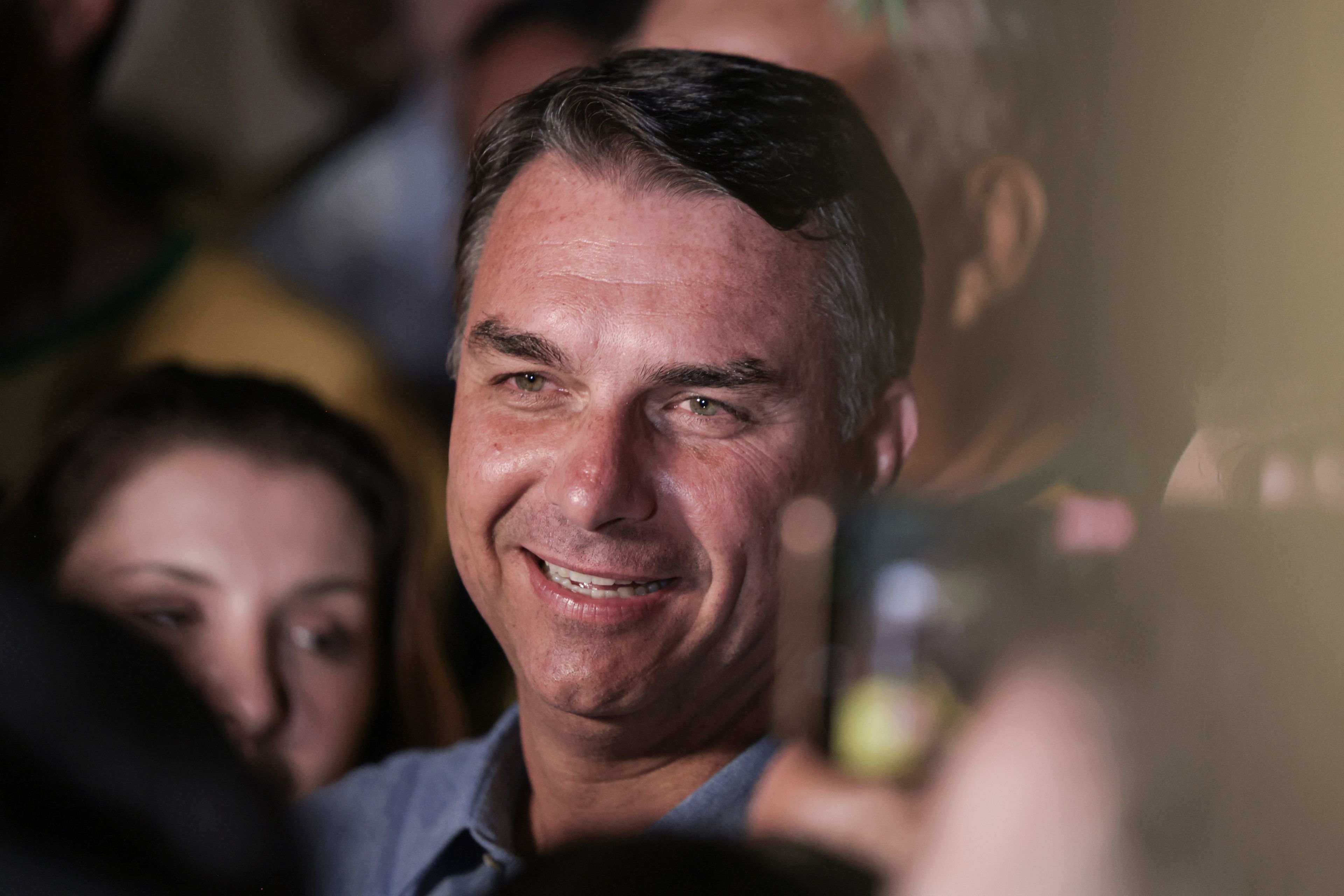
São Paulo: Brazil’s presidential election has given the far right a decisive advantage heading into the October 25 runoff. Flávio Bolsonaro won Sunday’s first round with 47.03 per cent of the vote against 45.16 per cent, overturning expectations from every survey published before the election and putting him in the stronger position ahead of the final contest.
It surprised both camps, but it also confirms a trend. Since 2013, when a wave of protests against the political establishment erupted, hostility towards left-wing parties, the Workers’ Party (PT) above all, has grown steadily and come to dominate Brazil’s electoral contests. This time, 19 senators from Bolsonaro’s Liberal Party (PL) were elected. The party will hold 28 Senate seats over the next four years, the most for any party since the return to democracy in 1985.
The result is another reminder of Brazil’s deep polarisation, including along regional lines. The south and centre-west have historically been staunch supporters of right-wing parties, while the Left, specifically the PT, dominates the northeast. Northeastern voters, because of that overwhelming support, are frequently insulted by southerners who hold opposing political views. Yet Brazil has few “swing states”. It is more a matter of the candidate than the party. Lula, for instance, draws strong support in major urban centres, winning in São Paulo and Belo Horizonte even though neither city has a left-wing mayor.
The communication gap
Several factors lie behind the far right’s rise. One is an ability once associated mainly with the left: speaking effectively to the masses.
Right-wing and far-right parties have mobilised voters with simple, direct language, while the left has struggled to match them. Figures such as Nikolas Ferreira and Lucas Pavanato embody the approach. Much of their rhetoric lacks substance, yet both won more than three million votes and can rally millions of supporters through online videos. One of Ferreira’s videos opposing measures taken by Lula has amassed more than 200 million views.
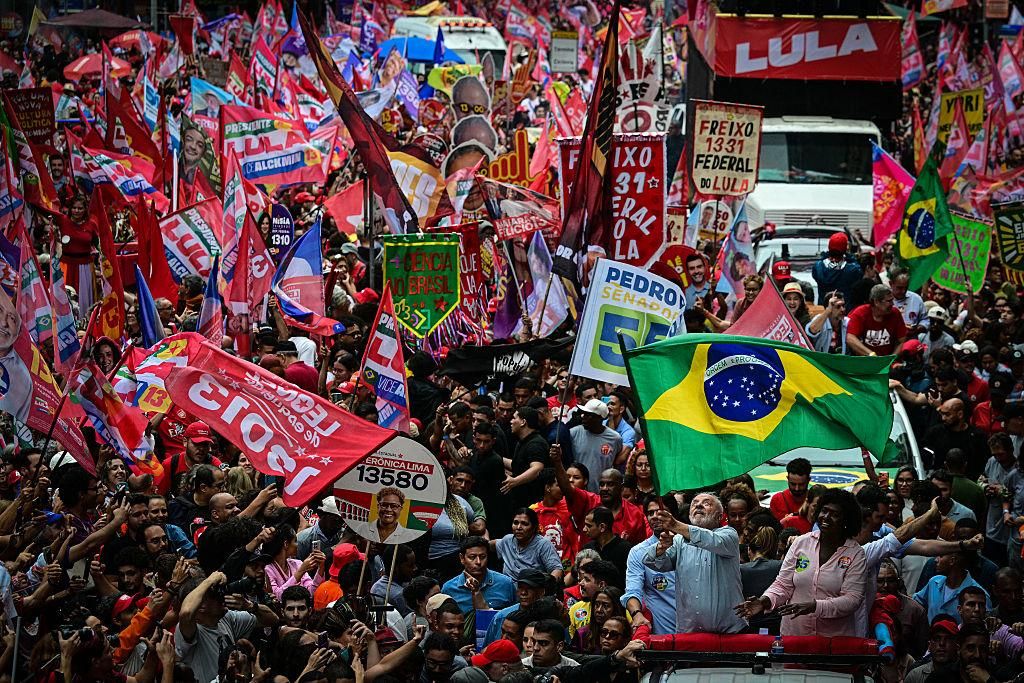
Connecting with ordinary voters was a hallmark of Lula’s own rise in the 1980s, and it carried him to the presidency in 2002, 2006 and 2022. “Lula has always known how to speak to the masses. Jobs, food and income have always shaped his rhetoric. Now, in 2026, he is talking about sovereignty. But this is an issue that wins votes in other countries, not in Brazil,” political scientist Alexandre Bandeira told NWS.
“International politics is not our world. The issue gained some traction during the year, but it does not work in elections. Flávio Bolsonaro, by contrast, understood the landscape and made sharp criticisms, saying that food is expensive in Brazil and that purchasing power is low. This is an issue that matters to the Brazilian people, not sovereignty,” he added.
The right’s broader advance
The result took both candidates aback. After gaining significant momentum during the campaign, Flávio Bolsonaro began to fear defeat in the final two weeks, in the face of religious attacks and populist moves by Lula, such as expanding social programmes and proposing a ban on betting sites. Those tactics failed to translate into votes. Their ineffectiveness helped Bolsonaro convince voters that victory was within reach, and he finished the first round in the lead. Lula’s base was left reeling from a result that fell far short of expectations.
Flávio Bolsonaro is part of a rise of right-wing politicians who now form a majority in Brazil. Governors aligned with the movement, which is growing faster than any other in the country, won comfortably across the south, southeast and much of the centre-west. They are not as widely rejected as the Bolsonaro clan.
A court at war
The crisis in Brazil’s judiciary has also helped Flávio Bolsonaro. The mood at the Supreme Federal Court (STF) is one of war, with controversial actions in defence of both sides. While the far right called for the impeachment of STF members, Lula tried to dodge the discussion and has become one of those most damaged by the crisis.
Part of that damage stems from his relationship with Supreme Federal Court’s Justice Alexandre de Moraes, a target of Bolsonaro supporters since he became rapporteur in the case that led to the imprisonment of Jair Bolsonaro, Flávio’s father, for an attempted coup d’état. Moraes long faced no judicial consequences despite the criticism. That changed as investigations advanced in the Master case, the biggest financial scandal in Brazil’s history.
Moraes has been accused of favouring Daniel Vorcaro, the banker who ran Banco Master and who has been in prison since March for corruption and money laundering. The judge’s links to the scandal have thrust him into the centre of the political debate. The far right claims that he lacked the impartiality needed to oversee the case against Jair Bolsonaro.
“The crisis at the Supreme Federal Court was an important point for Flávio Bolsonaro because it mobilised the middle class, the upper middle class and the wealthy. This segment of society does not need the government to put food on the table, but it influences public discourse. The STF is experiencing an unprecedented crisis, with an excessive concentration of power in individuals and links between many of its figures and the current government that helped boost the vote for candidates who protest against Brazil’s judiciary,” explained Bandeira.
Pressure for Moraes’s impeachment will gather strength in 2027, when the new senators are sworn in. That will reinforce the narrative of a politicised judiciary and help far-right candidates win elections.
The road to October 25
The current scenario points to a Flávio Bolsonaro victory. As well as leading the first round, he is viewed more favourably by voters who backed the defeated candidates (Augusto Cury, Renan Santos and Ronaldo Caiado), who together accounted for seven per cent of valid votes. But Brazil is a volatile country, and public opinion can shift quickly.
The clash of ideas could also prove decisive. Since the race began in August, the two candidates have taken part in no debate and have avoided directly comparing their plans for government. That will change in the second round. Without candidates of little national relevance, the leaders will have to expose themselves more publicly. This could be a problem for Flávio Bolsonaro, who lacks the same charisma as his father when communicating with voters.
Both men have large bases of support, but they are locked in a fierce battle over rejection rates, with each approaching 50 per cent among voters. That could push abstention higher still, after a record level in the first round. Abstention has risen at every election since 2006, when 16.75 per cent of voters did not cast a ballot, and reached 21.08 per cent in 2026. Apart from 2022, turnout has always fallen in the second round.
The fear is that the figure may climb again. Twenty of Brazil’s 27 states elected their governors in the first round, and with most states already decided, demobilisation in some regions could affect the presidential result.
The world is watching
The United States is following every detail closely. Brazil is not only the most powerful country in South America but also a point of resistance to the ideals of US President Donald Trump. Despite his communication failures and his distance from his political origins, Lula still carries considerable international weight and is seen as the only one who can make Brazil immune to pressure from abroad. Flávio Bolsonaro, riding the far-right wave and his father’s charisma, would offer less resistance to US interests in South America.
With a different candidate on each side, the contest might already be decided. Despite his high rejection rate, Lula is the only figure on the left who can still mobilise other political camps, and that makes life harder for the right and far right.
The second and decisive round between Flávio Bolsonaro and Lula on October 25 could shape not only Brazil’s future but that of South America as a whole.