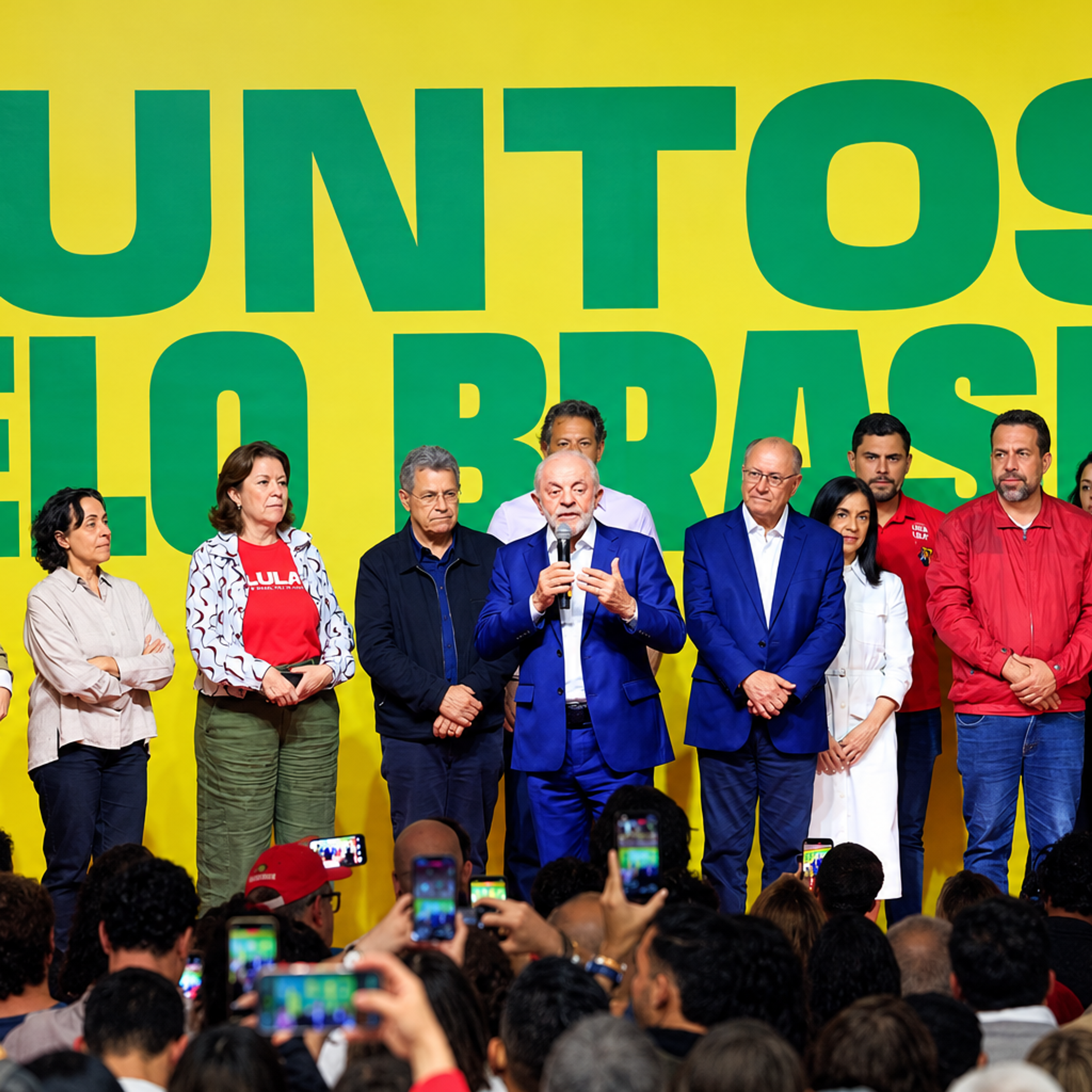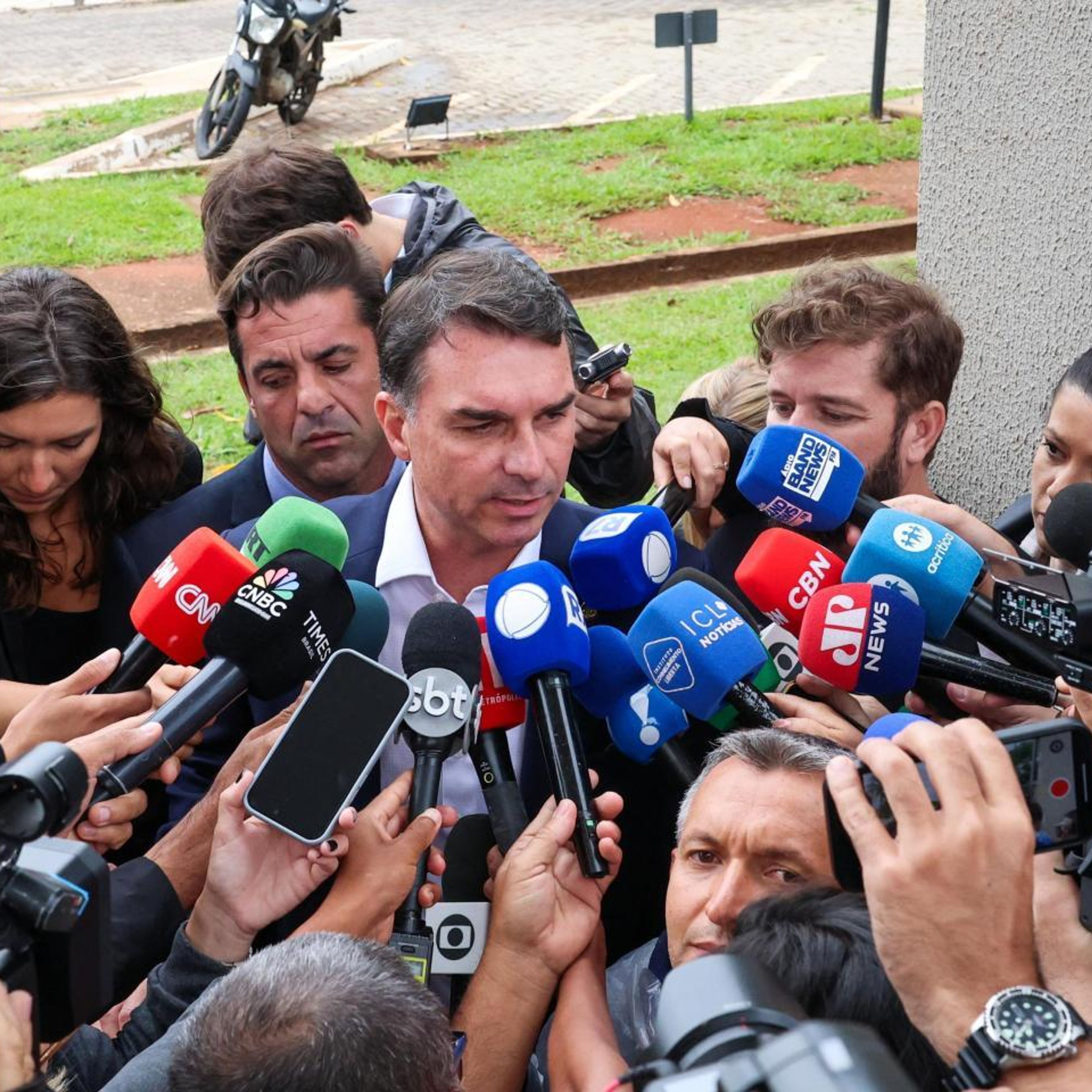
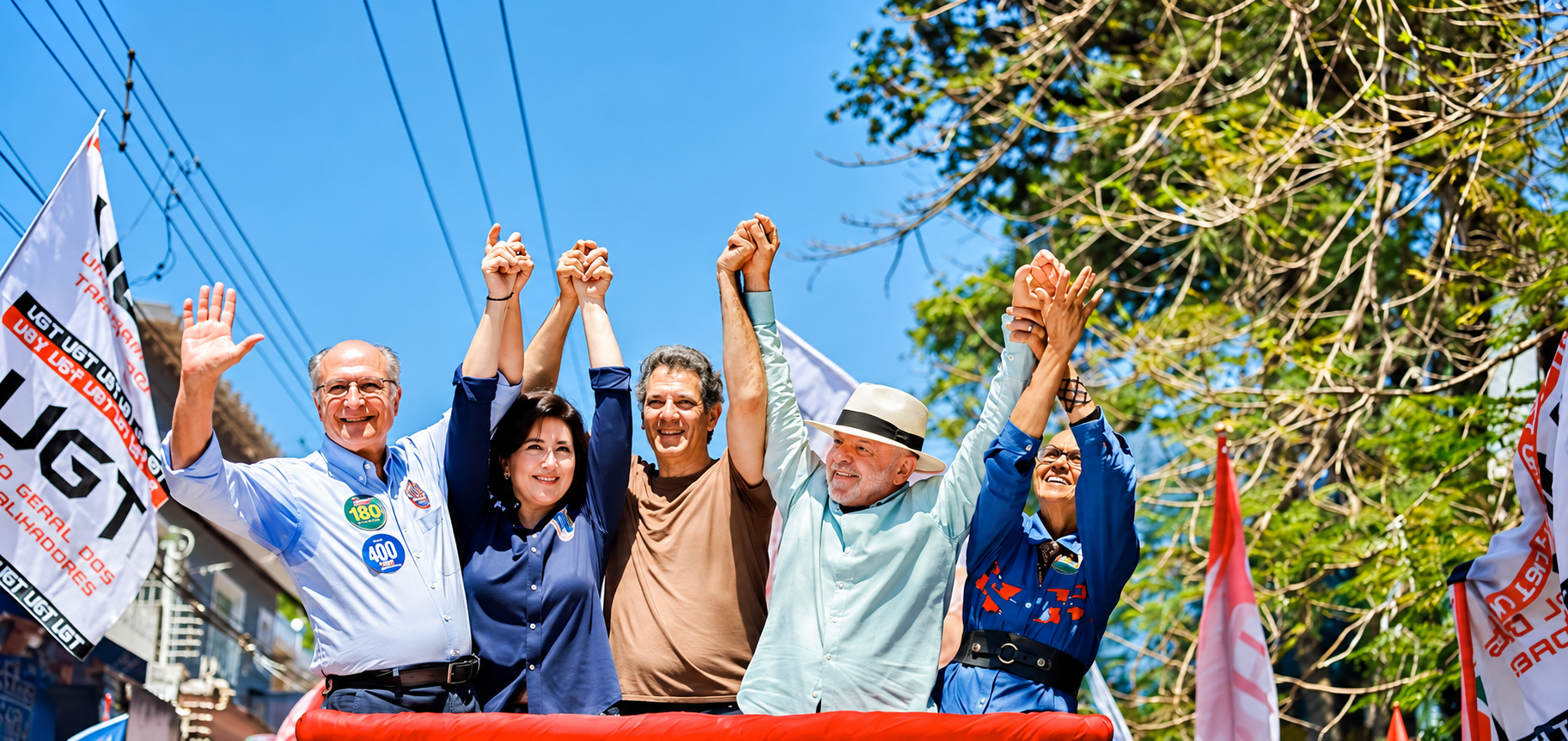
Brazilians went to the polls on Sunday in a presidential election that pits President Luiz Inácio Lula da Silva against Flávio Bolsonaro, the son of the imprisoned former president Jair Bolsonaro, in a contest too close to call and overshadowed by allegations of US interference. Final opinion polls showed Lula ahead in the first round but locked in a statistical tie in any second round, making a run-off on October 25 all but certain. Official results were not available at the time of writing.
The outcome is well-placed to resonate well beyond South America. Brazil is the region’s largest economy, the custodian of most of the Amazon rainforest, and a swing state in the rivalry between Washington and Beijing. Lula, 80, who is seeking a record fourth term, is among the most prominent left-wing leaders of a major economy.
A race shaped by a fallen leader
The contest was recast by the downfall of Jair Bolsonaro, who governed from 2019 to 2022 and whose supporters stormed government buildings in Brasília in January 2023 after his defeat. The former president is serving a 27-year sentence for plotting a coup to overturn that result, although he is under house arrest because of ill health. Barred from running, he passed his movement to his eldest son, Flávio, a 45-year-old senator.
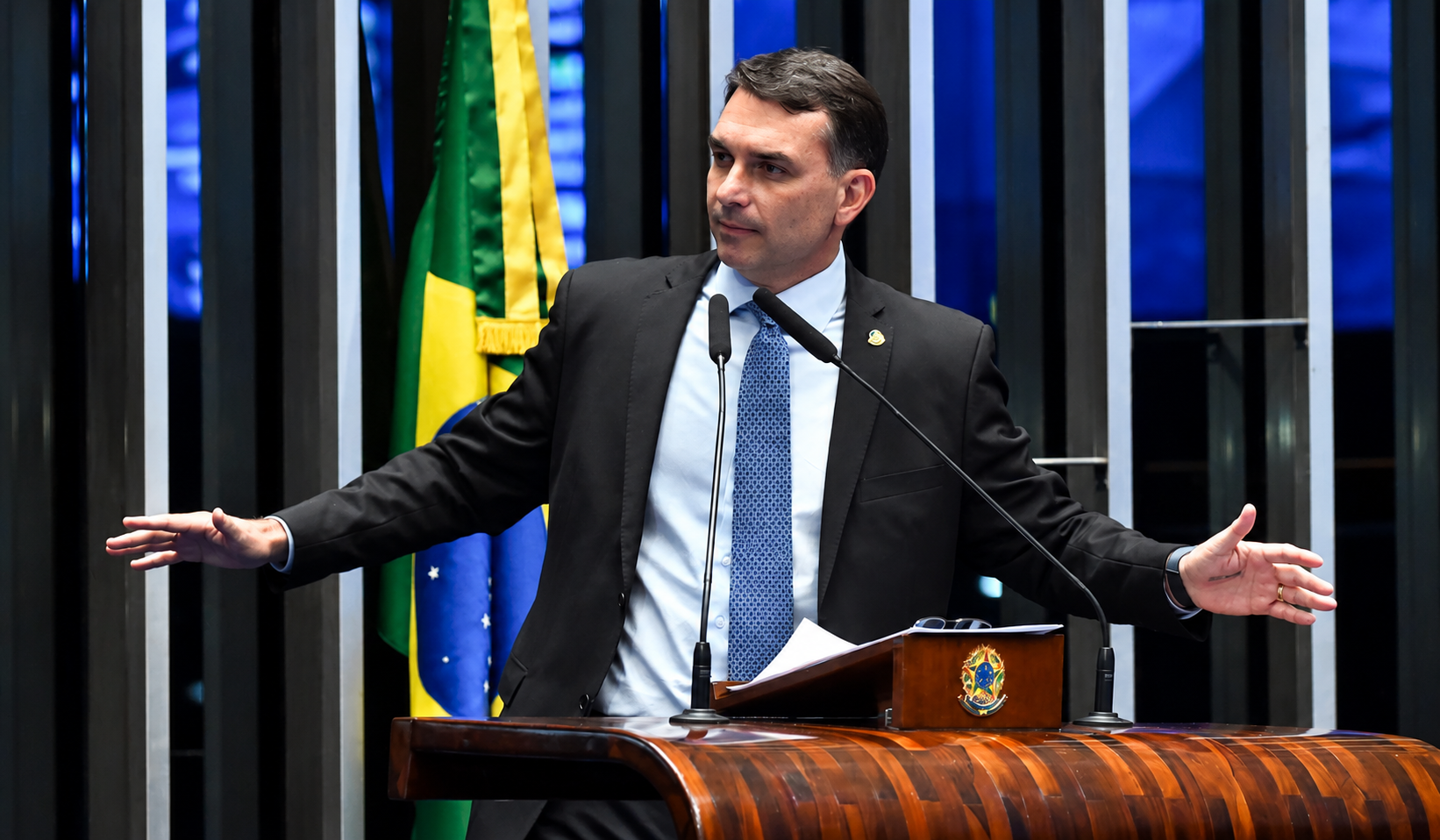
Neither candidate is widely loved. Both carry rejection rates of around 50 per cent, and voters are electing a president alongside 513 deputies, 54 of the Senate’s 81 members and 27 governors. The make-up of Congress will determine how much room the winner has to govern.
Crime, cost of living and a collapsed bank
Crime and the cost of living dominated the campaign. Brazil has enjoyed decent growth and low unemployment and inflation under Lula, but household debt has climbed sharply. Flávio Bolsonaro, who has campaigned on hardline security and fiscal austerity, is trusted more on inflation, corruption and crime. He has proposed lowering the age of criminal responsibility to 16, building new federal prisons and branding the main criminal gangs terrorist organisations. Lula is seen as stronger on poverty, inequality, health and foreign affairs.
Corruption allegations have clouded both camps. The collapse of Banco Master, a private lender liquidated by the central bank in 2025, triggered a record payout of about $7.7bn from Brazil’s deposit-insurance fund. The scandal has reached the Supreme Court, including Justice Alexandre de Moraes, who oversaw Jair Bolsonaro’s prosecution. Flávio is under investigation over the funding of a film about his father that was financed by the jailed Banco Master owner, Daniel Vorcaro. He denies wrongdoing. He has told voters that “anyone voting for Lula is voting for Alexandre de Moraes”.
Lula has sought to shift the debate to sovereignty. His campaign has portrayed his rival as a willing accomplice in US efforts to undermine Brazil.
Washington’s role
President Donald Trump has not formally endorsed a candidate. But the Bolsonaro family has been the chief beneficiary, and often the instigator, of US pressure on Brasília. The White House has rejected accusations of interference.
Jair Bolsonaro’s third son, Eduardo, moved to the United States and lobbied the administration for punitive measures. Trump, who called the trial a “witch hunt”, imposed 50 per cent tariffs on Brazilian goods in July 2025 and sanctioned Justice de Moraes. Brazil’s Supreme Court later sentenced Eduardo to more than four years in prison for coercion over that lobbying. The sanctions were lifted in December 2025 and most tariffs eased after talks between Lula and Trump.
However, pressure resumed this year. Flávio met Trump in the Oval Office in May, and the State Department then designated the PCC and Comando Vermelho, Brazil’s two most powerful criminal organisations, as terrorist groups, a step the Bolsonaro camp had urged. Critics argue that the designation gives Washington a legal framework for deeper involvement in Brazilian security. In July, Washington imposed fresh 25 per cent tariffs on some Brazilian imports, and Brazil refused visas to two State Department officials tht it said had been sent to question its voting system. US lawmakers wrote to Secretary of State Marco Rubio last month accusing the administration of a campaign of interference and asking it to recognise the certified result.
The strategy has carried risks for the family. The tariffs hurt Brazilian businesses, and Eduardo’s early boasts about securing them backfired on his brother’s campaign.
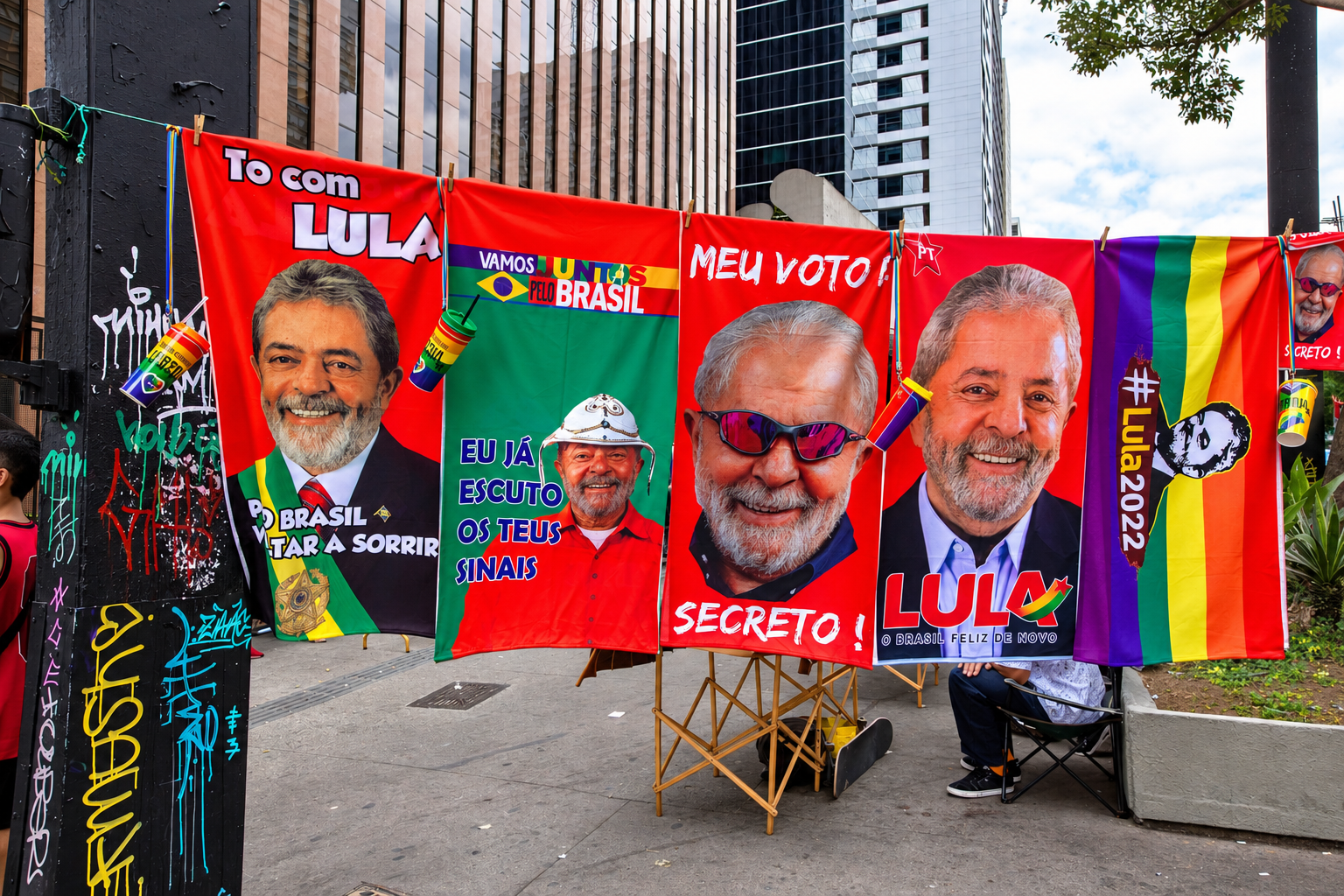
Observers and the count
The Organization of American States has deployed a mission of about 90 professionals from 23 countries. Edson Fachin, president of the Supreme Federal Court, told its head that the electronic voting system was “extremely safe, immune to external interference”.
Brazil is one of the last laboratories where you can genuinely observe the left governing at scale. Whatever happens on Sunday will be studied intensely by progressive movements and their opponents alike, from Europe to South Asia.
The result could shape Brazil’s relations with Washington and Beijing, including over trade and critical minerals. A Flávio Bolsonaro victory would add Brazil to a group of Trump-friendly governments that includes Argentina, Chile, Colombia, Costa Rica and Peru.
The Amazon is also on the ballot. Deforestation has fallen about 45 per cent under Lula, although his climate record is complicated by his support for expanded oil development. Flávio Bolsonaro has pledged to end illegal deforestation by 2029, but experts fear that activities now banned could simply be legalised.
Finally, there is the question of trust in the result. One scholar has warned that the Bolsonaro camp has borrowed from Trump’s playbook on contested results, so how it responds to a defeat will be closely watched. If no candidate wins more than 50 per cent of valid votes, the two leaders advance to a run-off on October 25. The world will then wait several more weeks to learn whether Brazil keeps its leftward course or swings to the right.