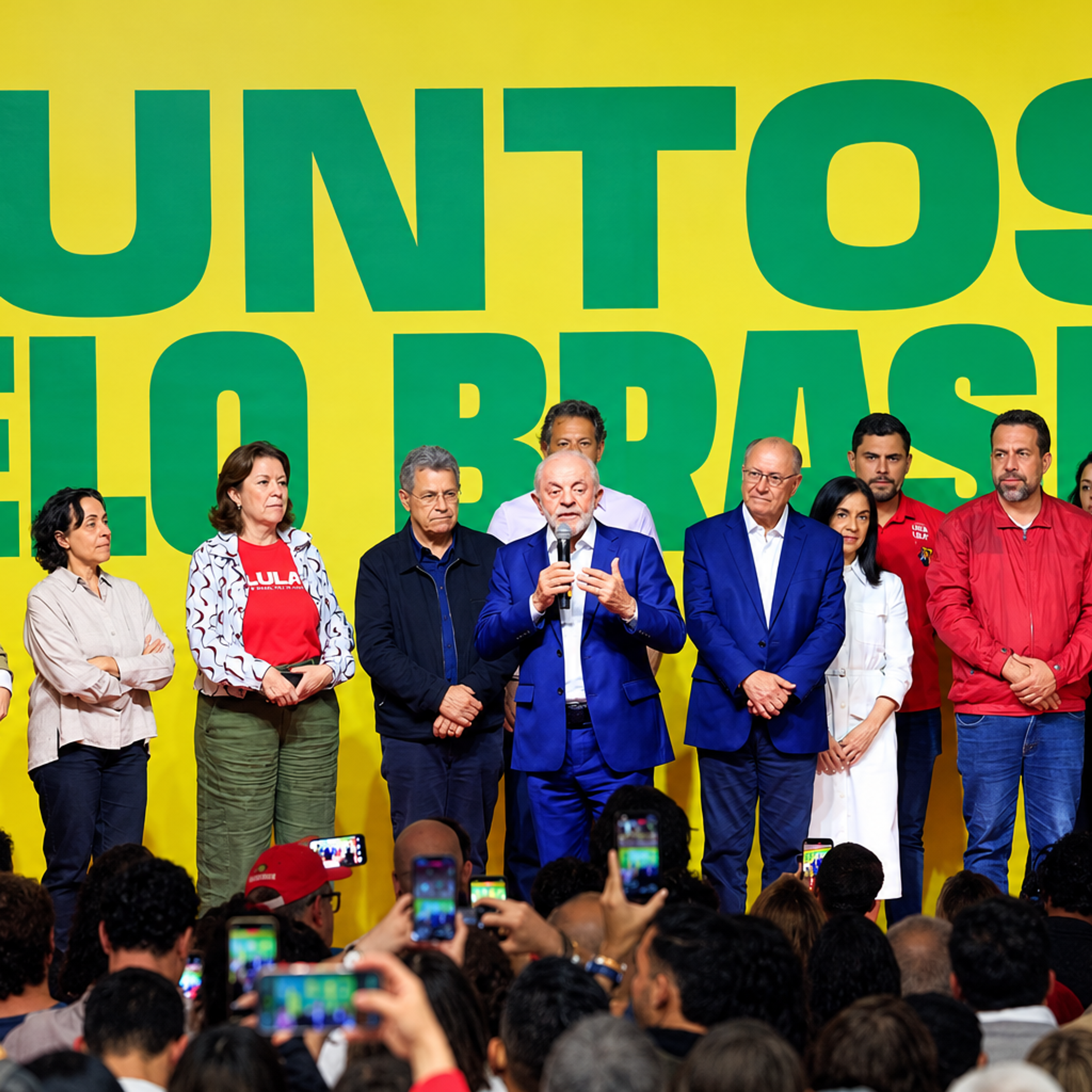
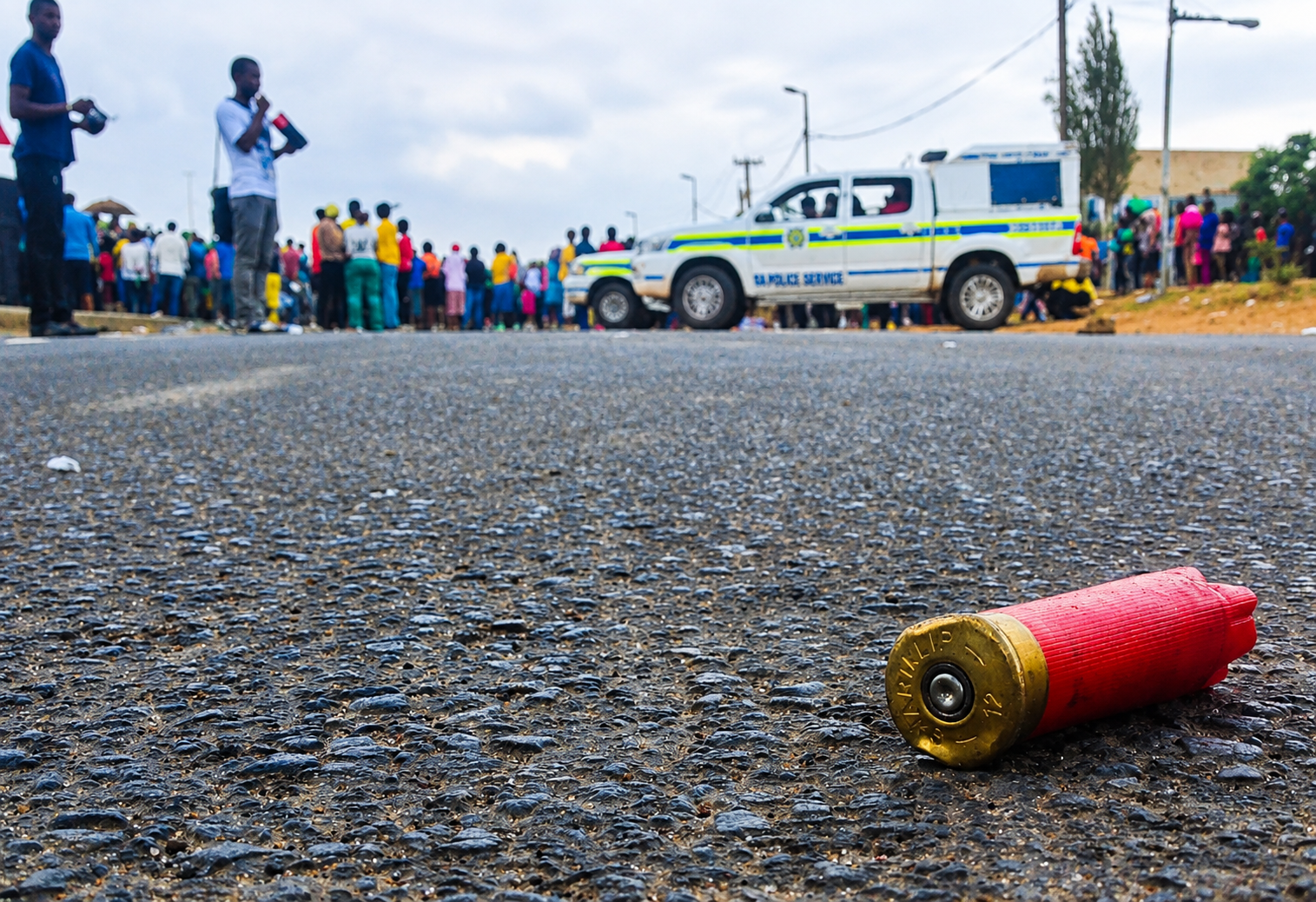
Nearly half of South Africans say no political party represents their views, according to a recent Ipsos survey, as the country heads towards local elections on November 4 with a growing number of voters questioning whether casting a ballot can make a meaningful difference.
The finding is striking in a country with more than 500 registered political parties and comes as turnout has fallen sharply since the early years of democracy. In the 2024 national election, just 58.6 per cent of registered voters turned out, compared with 89.3 per cent in 1999. Among the estimated total eligible electorate, the proportion who voted was even lower, at about 42 per cent, according to an analysis cited by Daily Maverick, which describes the emerging constituency as the “No Vote” party.
The disaffection is particularly pronounced among younger South Africans. Only 27 per cent of 18 and 19-year-olds and 49 per cent of those between 20-29 were registered to vote in 2024. More significantly, research by South Africa’s Human Sciences Research Council shows that young people’s belief that their vote makes a difference has collapsed.
Among Born Free Millennials, that belief fell from 58 per cent in 2003-08 to 27 per cent in 2024-25. Among Gen Z, it dropped from 35 per cent to 23 per cent, according to one HSRC’s research that suggests the problem is less straightforward political apathy than a growing sense of political inefficacy.
“Many say that voting makes no difference… The situation does not change at all,” Mari Harris, an Ipsos South Africa director and political analyst, told Daily Maverick. She said voters complain that politicians “only promise things and deliver nothing of their promises” before disappearing after elections.
That frustration is rooted in the country’s wider economic reality. Youth unemployment stood at 47.4 per cent in the second quarter of 2026, according to Statistics South Africa. For many young South Africans who came of age after apartheid, democracy is no longer judged primarily against the country’s authoritarian past. It is increasingly judged against whether it can provide jobs, functioning public services, security and a realistic path to a better life.
Yet the Ipsos findings also reveal an important contradiction: 64 per cent of South Africans surveyed said they wanted to vote in the coming local elections. The problem, therefore, is not simply that citizens have stopped caring about politics. It is that many feel “politically homeless”.
A global pattern
That distinction matters because South Africa’s experience reflects a broader problem confronting democracies around the world: a generation that remains deeply concerned about politics but increasingly doubts that established political parties can deliver meaningful change.
A 2025 Pew Research Center survey across 25 countries found that majorities in 20 countries believed their political system required either major changes or complete reform. A median 42 per cent said that no political party represented their views well, while 74 per cent said elected officials did not care what people like them thought. Younger adults were particularly sceptical about the honesty of politicians in many countries.
Pew’s findings show that political dissatisfaction is no longer confined to countries experiencing democratic instability.
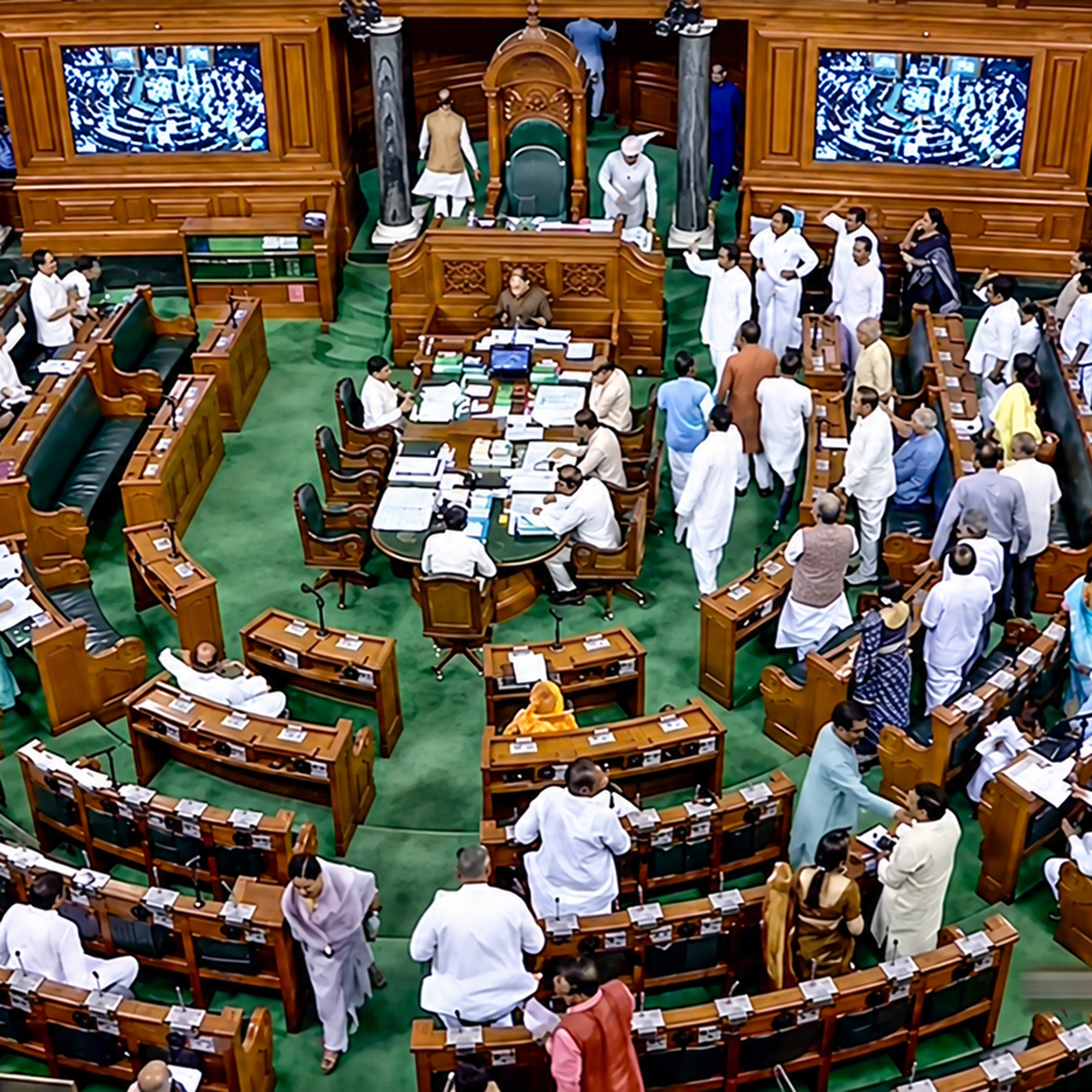
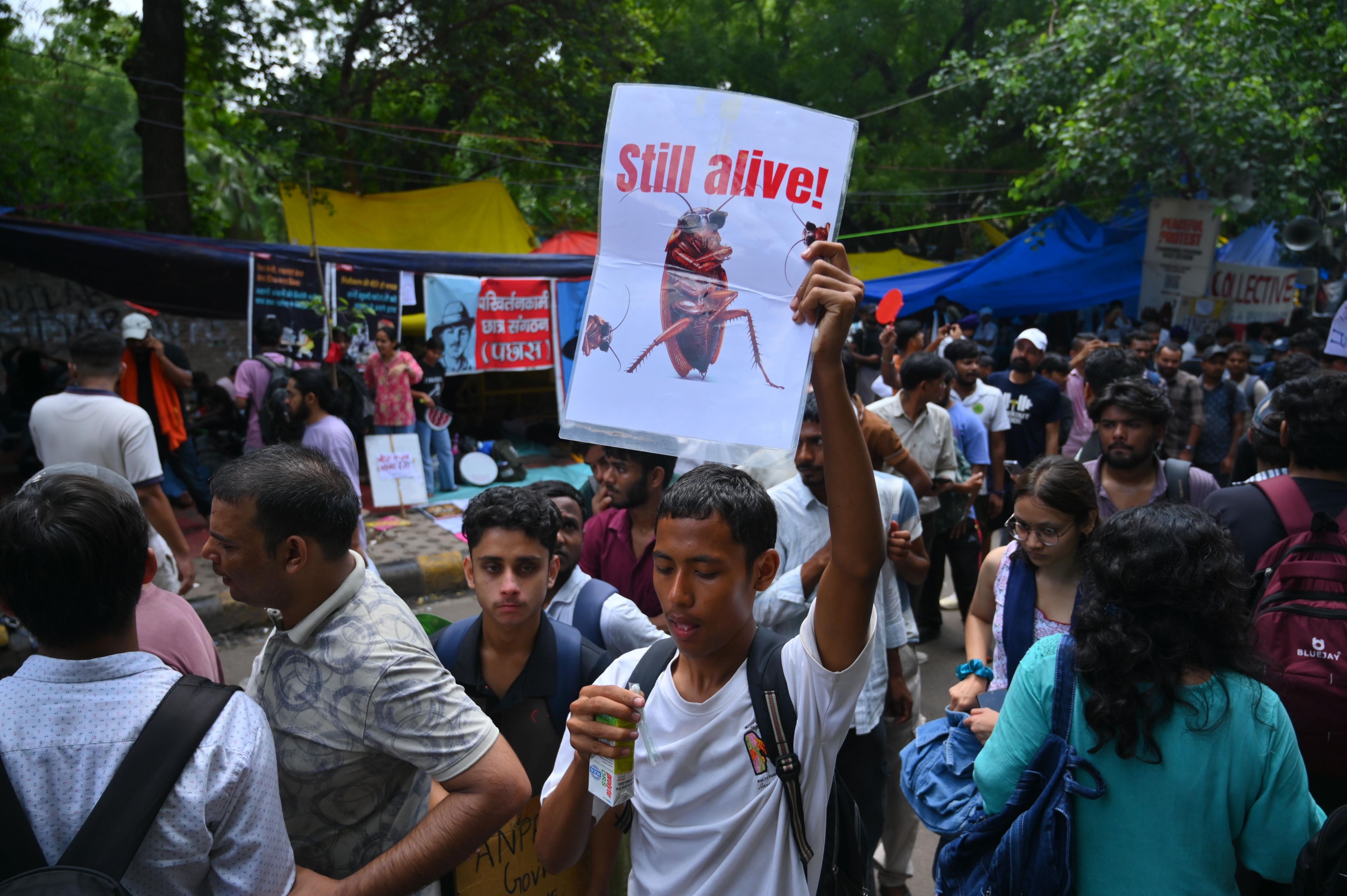
In India, the youth-led Cockroach Janta Party (CJP) movement began with anger over examination irregularities and unemployment but grew into a broader protest against institutional failure and political accountability. Its campaign helped force Education Minister Dharmendra Pradhan to resign, but the movement subsequently broadened its demands to issues including electoral integrity. Chatham House has described how the movement tapped into deeper frustrations over education, jobs and political responsiveness.
In Britain, turnout at the 2024 general election fell to about 60 per cent. The Electoral Commission found that some non-voters believed that no party represented their views or that the parties were essentially the same. The discontent has also fuelled support for smaller and anti-establishment parties.
In the US, dissatisfaction increasingly extends to the political choices themselves. Large numbers of voters have expressed negative views of both major presidential candidates, reflecting a broader decline in confidence in political institutions.
The consequences vary – some young voters turn to populists or outsiders, others protest, while others simply stop voting. But the underlying sentiment is increasingly similar: the traditional political system is not responding to the problems that matter most to them.
The ‘none of the above’ generation
There is even an institutional recognition of this problem. Several countries allow voters to express an explicit “None of the Above” or equivalent protest choice. India, Colombia and Ukraine, for example, have formal NOTA options, while countries including France, Italy, Sweden and Spain separately record blank ballots.
But the phenomenon is much larger than the ballot box. Pew’s report shows that a young person facing unaffordable housing, insecure employment, stagnant wages and rising living costs may look at the political establishment and conclude that changing the governing party will not fundamentally change their circumstances.
That is the dangerous point for established democracies. Most analysts would agree that democracy can survive an unpopular government or political polarisation but what is harder to sustain is a widespread belief that politics itself does not work.
That is what makes South Africa’s “No Vote” constituency significant beyond its borders. It is not necessarily a generation abandoning democracy. It is a generation asking whether democracy, as currently practised, gives them a meaningful choice.
South Africa’s coming election therefore presents a revealing test. The African National Congress lost its parliamentary majority for the first time in 2024, ending three decades of uninterrupted majority rule and forcing it into a Government of National Unity. The political system now offers greater competition than at almost any point in the post-apartheid era. Yet more choices have not necessarily produced greater faith in the choices themselves.
For established political parties, that may be the more difficult problem to solve. An angry voter can be mobilised against an opponent. A voter who believes none of the available choices can change anything presents a much deeper challenge.
As Mbali Ntuli of the Ground Work Collective told Daily Maverick: “Democracy is a contact sport and everyone has to get involved.”
South Africa’s November election will show how many citizens are still willing to play that game. But the question extends far beyond South Africa: what happens when young people do not turn away from politics — they simply stop believing that any of the political choices on offer are capable of changing their lives?