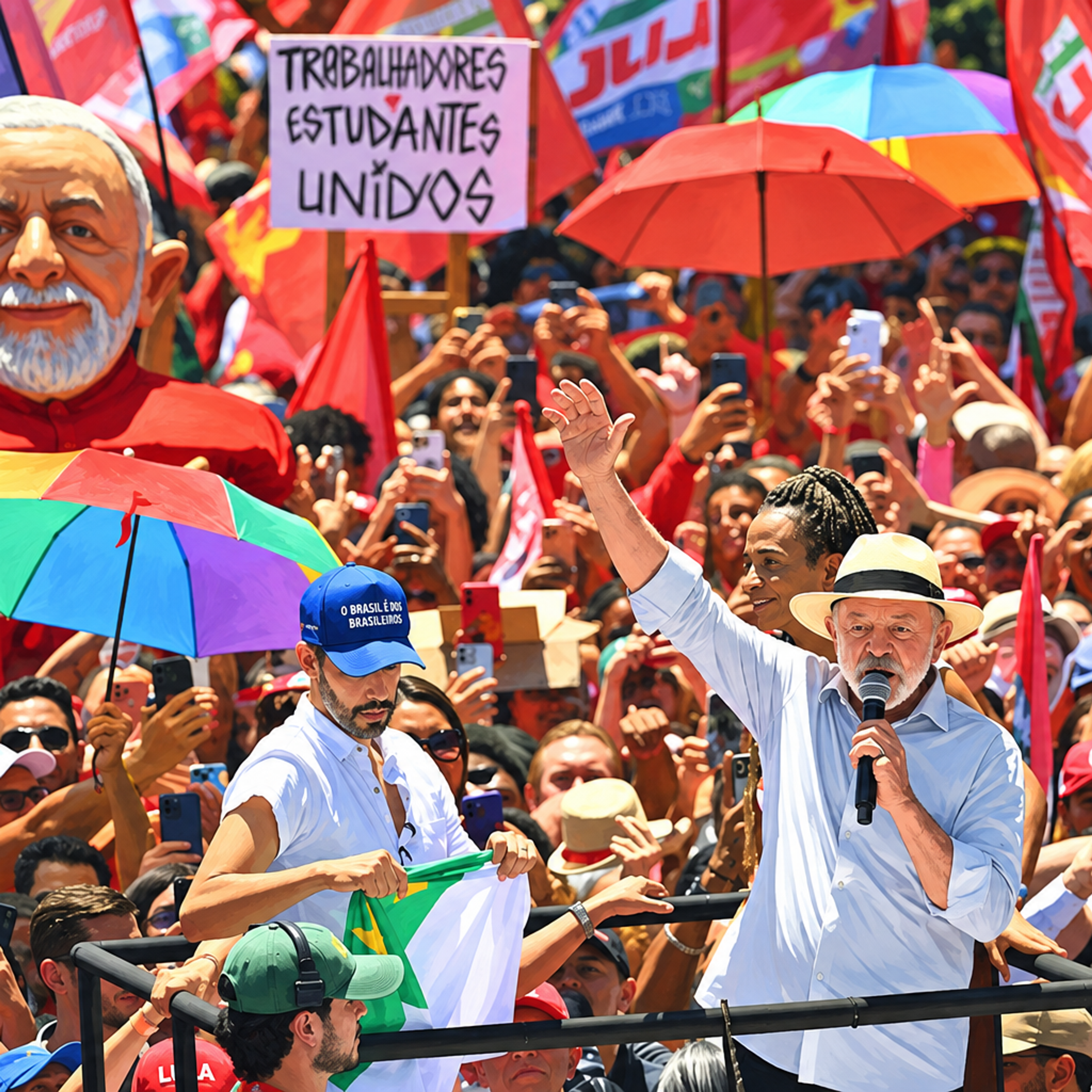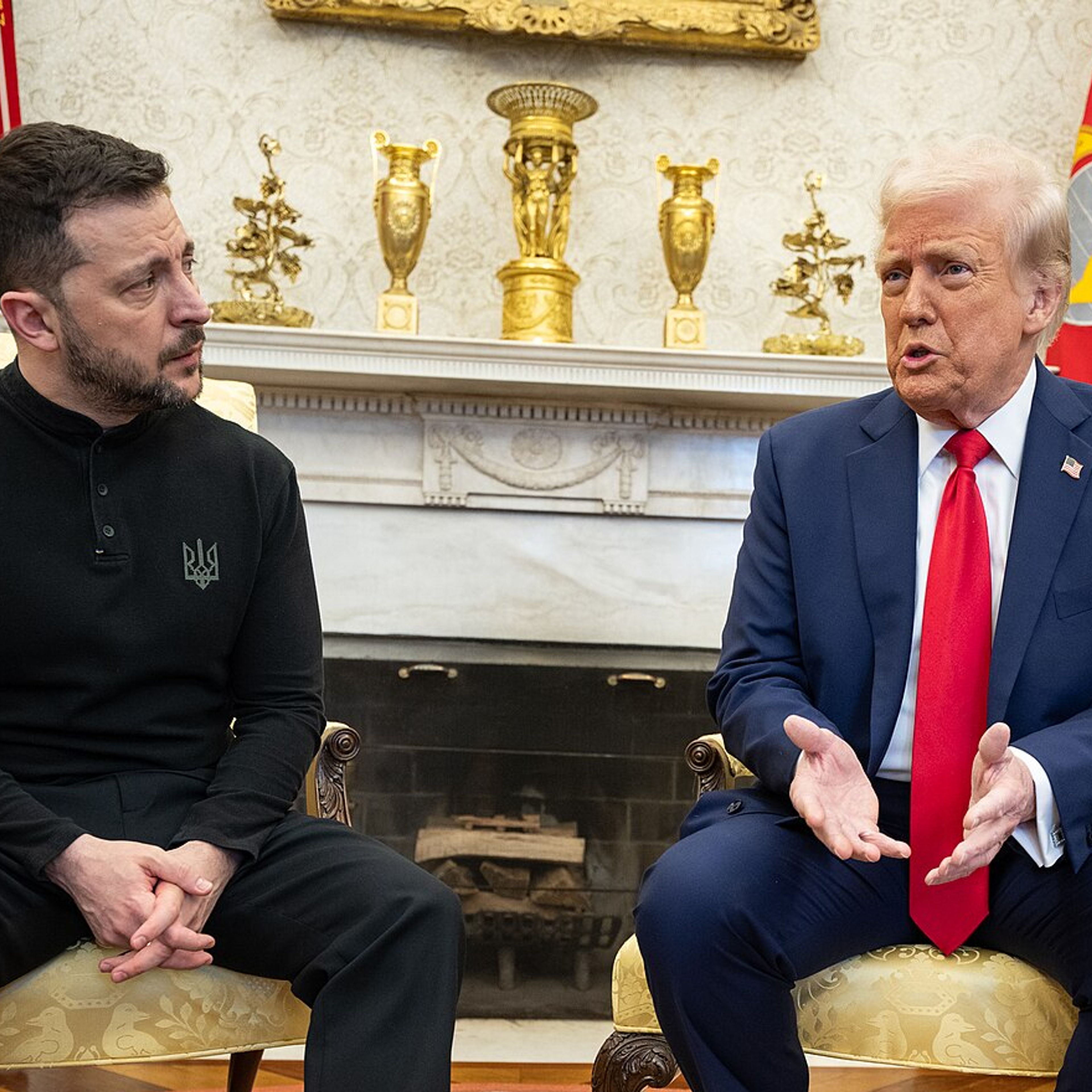

A wave of mineral nationalism is sweeping Africa, and Kenya’s showdown with Tata Chemicals is its latest test case. Speaking in Kajiado County on September 3, President William Ruto ordered one of Kenya’s oldest industrial operations to leave: “I recently told them to vacate and get out of this country. Let them go. They have been taking our resources to India.” He repeated the demand a day later at Oloiren, near the plant itself.
“We have said we will bring a new company and … they should put a big glass company here in Kajiado. And another company to make chemicals here in Kajiado. Are we slaves to other people,” he declared.
The target is Tata Chemicals Magadi Limited, which mines trona from Lake Magadi, a soda lake roughly 100 km south-west of Nairobi, and processes it into natural soda ash, a base ingredient in glass, detergents and paper. Tata is Africa’s largest soda ash producer, exporting more than 95 per cent of its output to South-East Asia, the Indian subcontinent, the rest of Africa and the Middle East, and employing over 600 people.
A century-old problem
Kenya’s grievance is what economists call value addition. Tata extracts trona at Magadi, processes it into soda ash, and exports nearly all of it – while the higher-value products built from soda ash, chiefly glass and chemicals, are manufactured elsewhere. It is a familiar complaint across the continent, from Indonesia’s nickel export bans to a string of similar moves closer to home: resource-rich states increasingly see downstream processing, not raw export, as the surer route to industrialisation.
Extraction at Magadi began in 1911 under the British-era Magadi Soda Company, later absorbed into the United Kingdom’s Brunner Mond group. Tata Chemicals acquired Brunner Mond in 2005, bringing Magadi into its portfolio, and the Kenyan subsidiary took the Tata name in 2011 – meaning Tata has owned the operation for just 21 of its 115 years. The dispute, in other words, isn’t about how long Tata has been there; it’s about what Kenya believes it’s owed from a resource whose exploitation predates independence.
Not just Kenya
Ruto’s ultimatum fits a much wider pattern. Niger’s junta revoked French group Orano’s licence to develop the giant Imouraren uranium mine in June 2024, and shut down its Somaïr subsidiary outright months later. Guinea has halted raw bauxite exports altogether, demanding miners build refineries on Guinean soil instead. Zimbabwe banned unprocessed lithium exports in 2022, and Namibia followed in 2023 with a similar ban covering lithium, cobalt, manganese, graphite and rare earths. Mali’s junta took the most confrontational route of all: it detained four Barrick Mining executives, issued an arrest warrant for its CEO, and seized gold stockpiles worth hundreds of millions of dollars, before the dispute was settled in November 2025 for a $430 million payment from Barrick. Against that backdrop, Ruto’s order to Tata looks less like an isolated flashpoint than the latest instalment in a continent-wide renegotiation of who profits from Africa's minerals.
The paper trail
The ultimatum didn’t come from nowhere. On July 28, Mining Cabinet Secretary Hassan Joho suspended Tata Chemicals Magadi’s mining operations – the order was announced the following day – citing lapses on royalty reconciliation, export reporting, mineral beneficiation, its Community Development Agreement, local employment and procurement, and environmental compliance. The suspension was to ‘hold’ until Tata complied with the Mining Act and its regulations.
Tata, however, disputed the characterisation. The company says it submitted all requested documentation on August 11 and is “fully compliant with the regulatory requirements”, and that it was awaiting the ministry’s response when Ruto’s public order landed.
A trade worth watching
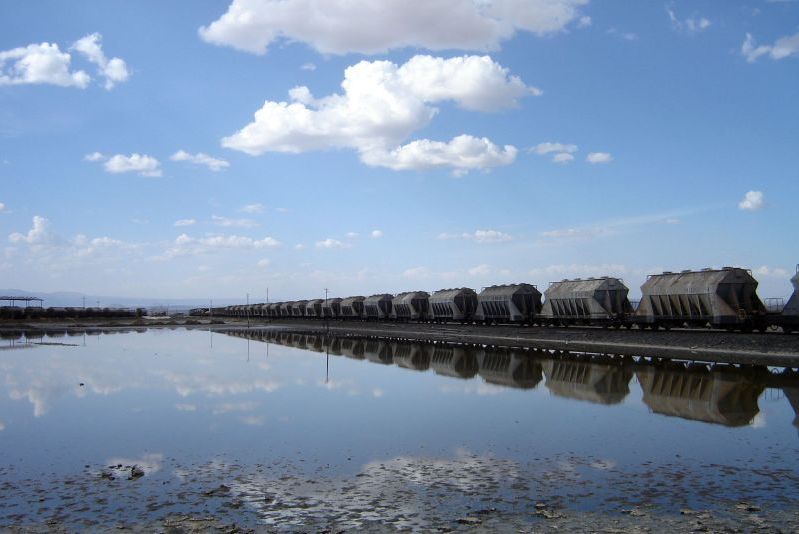
Magadi exported 254,779 tonnes of soda ash worth roughly US$56.9 million in the year to July 2025. No replacement investor or transition timeline has been detailed, leaving the Magadi workforce and Kajiado’s wider economy facing uncertainty.
This isn’t Ruto's first clash with a major Indian investor. In November 2024, he cancelled two agreements with India’s Adani Group – a 30-year lease to run Jomo Kenyatta International Airport and a $736 million power-transmission partnership – after Gautam Adani’s US bribery indictment and sustained domestic legal challenges. The Tata case can be seen within a broader pattern: Kenya now wants not just capital and exports from foreign investors, but local jobs, industrial development and greater value addition.
Ruto says that any new investor will be required to build a glass plant and a chemicals plant in Kajiado – pushing Kenya’s ambition beyond soda ash production and towards a downstream industrial base built on the resource.
For now, Tata says that it remains open to “constructive engagement through the appropriate legal and regulatory channels”. Whether that produces a negotiated fix, a fresh investment commitment, a phased handover or an outright exit is what Kenya and India are both watching.