Iran fired missiles and drones at US military positions in five countries on September 1 and 2 – Jordan, Iraq, Kuwait, Bahrain and the UAE – in the most intense exchange between Washington and Tehran since July, dragging Gulf states directly into a war that had, until now, been fought largely on Iranian soil.
The barrage followed a fresh wave of US strikes on southern Iran, which ended a month-long lull in major fighting. Iran says that the strikes killed civilians at a wedding in the coastal town of Kuhestak, near the Strait of Hormuz. Washington, however, maintains that the strikes were aimed at Iranian military infrastructure and denies deliberately targeting civilians.
Civilian killings
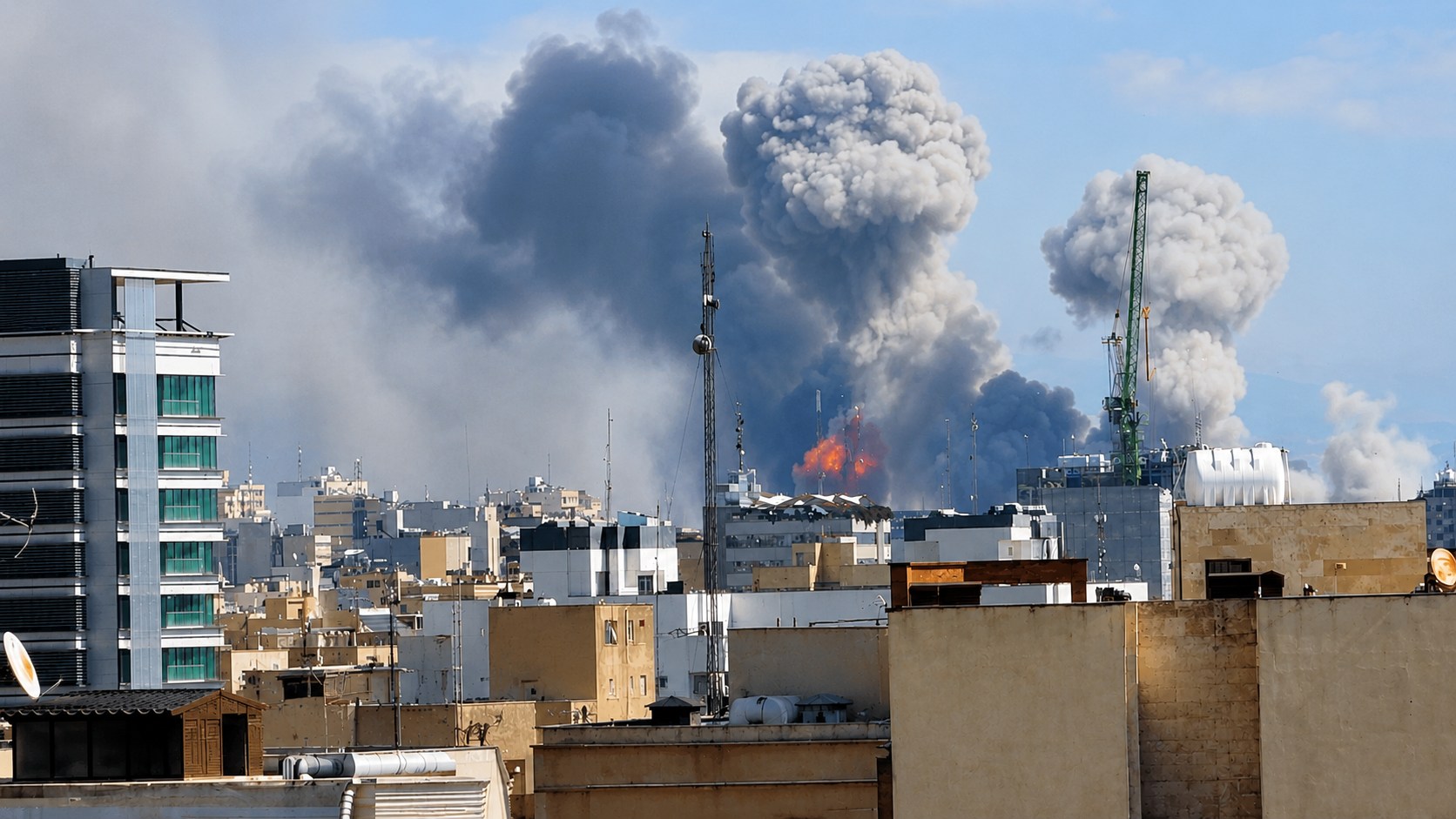
The escalation began overnight on September 1-2, when US Central Command launched a new round of strikes on Iranian military targets, which it said were meant to curb threats to US forces and commercial shipping around the Strait of Hormuz. Reported targets included air-defence systems, radar installations, maritime assets, mine-laying capabilities and communications facilities.
In Kuhestak, Iranian authorities say that one strike hit a home where a wedding was under way. State media reported four people – two women and two children, aged four and 16 – were killed and more than 60 wounded; some earlier Iranian accounts put the toll at five. The US military said that it was reviewing the reports.
Weapons experts examining fragments at the scene said they appeared to come from a US-manufactured guided munition, possibly a SLAM-ER or JSOW missile. A nearby communications tower and other infrastructure were also damaged, though the precise sequence of impacts remains disputed.
Iran’s foreign ministry spokesperson Esmaeil Baghaei called the strike a “war crime”, accusing Washington of trying to conceal its failures in the war: “The truth of this unlawful war of choice ... is in Sirik, where a wedding ceremony was brutally bombed.” Parliament Speaker Mohammad Bagher Ghalibaf accused the US of behaving like “Satan”. The United States Central Command (CENTCOM) spokesperson Tim Hawkins pushed back, saying the reports originated with Iranian state media and insisting: “The US military never targets civilians, unlike the IRGC.”
Five countries, one message
Within hours, the Islamic Revolutionary Guard Corps (IRGC) and Iran’s regular military said that they had struck US positions in Jordan, Iraq, Kuwait, Bahrain and the UAE – though the scale and success of the attacks varied sharply.
In Jordan, air defences intercepted 10 of 13 incoming ballistic missiles, with three falling in uninhabited areas; two US officials said that there were no American casualties. In Iraq, Iran said that it struck US-linked facilities around Erbil, damaging equipment and fuel installations. Kuwait’s air defences confronted incoming missiles and drones, while Bahrain reported similar attacks. The UAE, not itself struck, condemned the strikes on its neighbours as a “flagrant violation of the sovereignty of the brotherly nations”.
Iran’s Armed Forces General Staff warned that any country allowing its territory to be used against Iran risked becoming a target itself, threatening further “crushing and devastating blows” should US attacks continue – a warning with teeth given the scale of American military infrastructure dotted across the Gulf.
Sanctions and a broken truce
The latest exchange came against a backdrop that Donald Trump himself has helped harden. Having declared the ceasefire as “OVER!” on Truth Social in July – reversing an earlier truce he had struck and then extended – the US president has repeated the claim in various forms each time fighting has flared since. Late last month, Washington moved from military to economic pressure, with Treasury Secretary Scott Bessent unveiling a sweeping new sanctions push dubbed “Operation Economic Outcast”, targeting Iran’s remaining financial lifelines and threatening secondary sanctions on trading partners including, potentially, China.
Iran has dismissed the campaign as unlikely to force capitulation, and the twin-track approach – sanctions alongside strikes – has done little to cool tensions, with each side accusing the other of scuttling any path back to talks.
Why this moment matters
The significance lies less in the volume of fire than in its geographic spread. Until now, Iran itself had been the principal battlefield; reaching into five neighbouring host nations marks what analysts call horizontal escalation – spreading a conflict into new territories rather than intensifying it in one theatre, pulling in governments that were never party to the original fight.
“It is becoming increasingly clear that events are beginning to slip beyond anyone’s control,” Danny Citrinowicz, the former head of the Iran branch of Israel’s military intelligence and currently a senior fellow with Israel’s Institute for National Security Studies, said of the broader trajectory of the conflict.
Jordan, Kuwait, Bahrain and the UAE have no quarrel with Tehran, but American installations on their soil make them targets by association. Iraq’s Kurdistan Region faces the same dilemma, hosting US forces alongside local partners. Each new strike, analysts warn, risks creating fresh grievances – and another government forced to decide how far it is willing to be drawn in.